Category: Fitness & Exercise

Find effective workout routines, strength training, cardio programs, flexibility exercises, and fitness tips for every level.

  • Low-Impact Exercise for Joint Health: The Complete Guide

    Low-Impact Exercise for Joint Health: The Complete Guide

    Low-Impact Exercise for Joint Health: The Complete Guide

    Protect your joints, stay active, and build lasting strength — without pain or injury risk.

    Maria, 54, had been avoiding exercise for nearly two years after her orthopedist diagnosed her with early-stage osteoarthritis in both knees. She assumed working out meant pain — until her physical therapist introduced her to a low-impact routine that transformed her mobility, reduced her stiffness, and helped her lose 18 pounds without a single flare-up.

    Her story is far from unique. According to the CDC, more than 54 million American adults have been diagnosed with arthritis, and many more live with chronic joint pain from conditions ranging from bursitis to past injuries. Yet one of the most powerful tools for protecting joints — regular, targeted low-impact exercise — is chronically underutilized, often because people fear it will make things worse.

    In this guide, you will learn exactly what low-impact exercise is, why it is clinically supported for joint health, which activities offer the greatest benefit, and how to build a sustainable routine — whether you are managing a diagnosis or simply being proactive about aging well.

    What Is Low-Impact Exercise?

    Low-impact exercise refers to physical activity that minimizes the jarring, repetitive force placed on your joints — particularly the knees, hips, ankles, and spine. Unlike high-impact activities such as running or jumping, low-impact movement keeps at least one foot on the ground (or your body supported by water or a machine) at all times, significantly reducing the stress transmitted through weight-bearing joints.

    This does not mean low-intensity. You can achieve meaningful cardiovascular conditioning, muscle strengthening, and calorie burning through low-impact movement — it simply does this without the mechanical pounding that can accelerate cartilage wear or aggravate existing joint conditions.

    The NIH’s National Institute of Arthritis and Musculoskeletal and Skin Diseases confirms that appropriate physical activity is one of the most effective non-pharmacological interventions for managing joint pain and preserving function in adults with arthritis and related conditions. Research suggests that sedentary behavior, paradoxically, worsens joint health over time by reducing the circulation of synovial fluid — the natural lubricant that cushions your joints.

    In short: movement is medicine for your joints, but the type of movement matters enormously.

    Signs Your Joints Need a Gentler Approach

    Not everyone who benefits from low-impact exercise has a formal diagnosis. Clinical evidence indicates that certain symptoms and circumstances are strong indicators that a joint-protective fitness approach is the right choice.

    Early warning signs your joints are under stress:

    • Morning stiffness lasting more than 20–30 minutes
    • Dull aching in knees, hips, or ankles during or after exercise
    • Swelling around a joint after physical activity
    • Clicking, grinding, or popping sensations during movement
    • Reduced range of motion — difficulty fully bending or straightening a joint
    • Fatigue in joints rather than muscles after activity

    Advanced signs requiring medical evaluation before starting exercise:

    • Sharp, stabbing joint pain during rest or at night
    • Significant visible swelling or warmth around a joint
    • Joint deformity or instability (the joint gives way)
    • Fever accompanying joint pain (possible inflammatory or infectious cause)
    • Persistent pain rated above 6 out of 10 that does not resolve with rest

    A 2023 analysis published through NIH-affiliated research found that adults who continued structured low-impact activity during early-to-moderate osteoarthritis experienced 40% less functional decline over five years compared to those who became sedentary. This variation from person to person depends on joint location, severity, and overall health status — which is why working with a healthcare provider to individualize your plan matters.

    Causes and Risk Factors for Joint Decline

    Understanding why joints deteriorate helps you make smarter exercise choices. Joint health is shaped by a combination of genetic, lifestyle, and environmental factors — and most of the lifestyle factors are modifiable.

    Genetic and biological factors:

    • Family history of osteoarthritis or rheumatoid arthritis
    • Female sex (women are disproportionately affected, especially post-menopause due to estrogen decline)
    • Age-related cartilage thinning — the American College of Rheumatology notes that cartilage has limited regenerative capacity after the mid-30s
    • Underlying autoimmune conditions such as rheumatoid or psoriatic arthritis

    Lifestyle and mechanical factors:

    • Excess body weight — the CDC reports that adults with obesity are nearly four times more likely to develop knee osteoarthritis; each pound of body weight places roughly four pounds of force on knee joints during walking
    • Prior joint injuries, including ACL tears, meniscus damage, or stress fractures
    • Occupational repetitive stress (prolonged kneeling, squatting, heavy lifting)
    • Sedentary lifestyle weakening the stabilizing muscles around joints
    • Poor movement mechanics and muscle imbalances

    Environmental contributors:

    • Cold, damp climates can exacerbate inflammatory joint symptoms
    • Low vitamin D levels, highly prevalent in northern US states, are associated with increased arthritis progression according to NIH research

    The Best Low-Impact Exercises for Joint Health

    Clinical evidence and physical therapy guidelines point to a core group of low-impact activities that deliver proven benefit for joint health across the adult lifespan. Most physicians recommend combining at least two types — aerobic conditioning and resistance training — for comprehensive joint support.

    Swimming and Water Aerobics
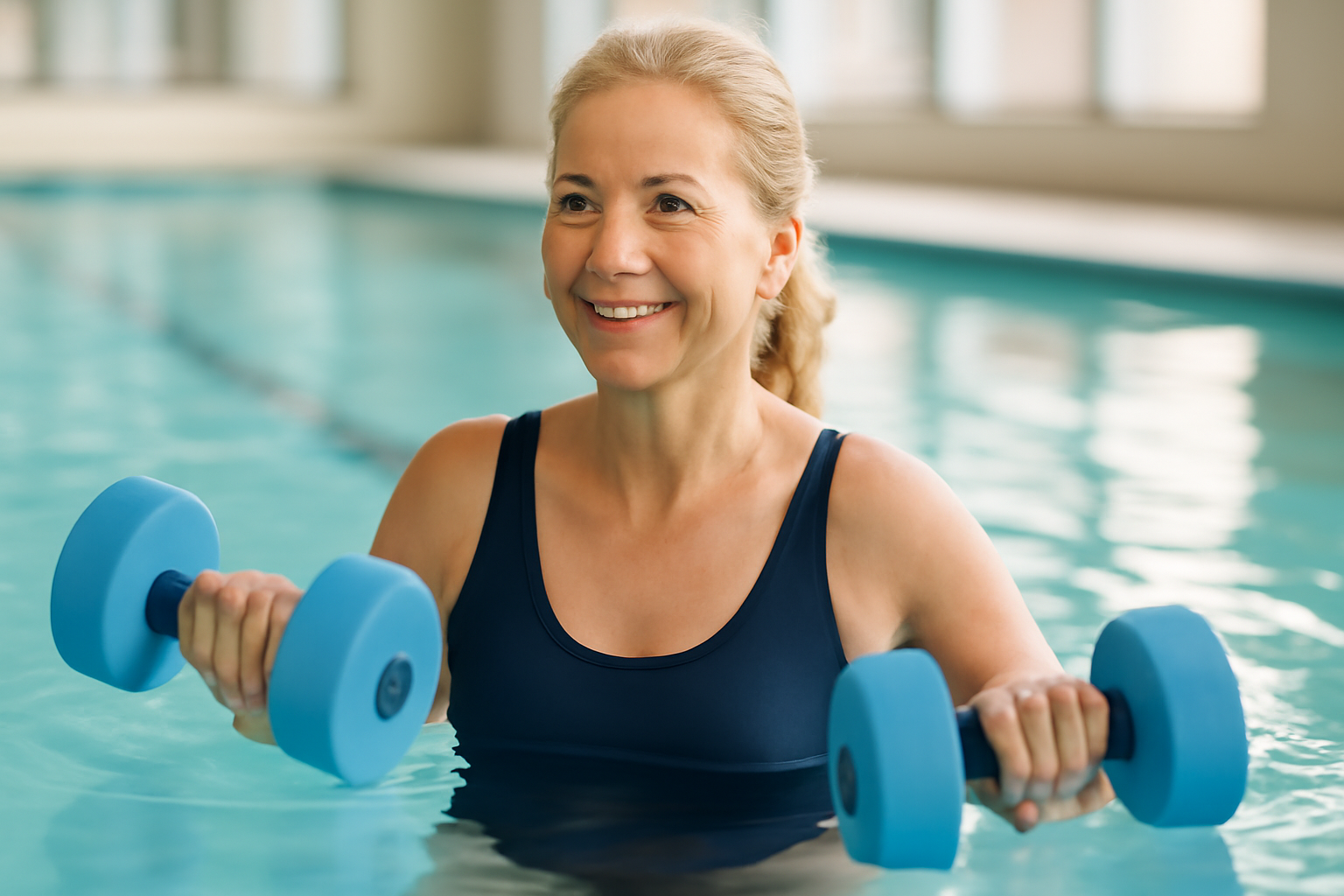
    Water exercise is widely considered the gold standard for joint-protective fitness. Buoyancy reduces effective body weight by up to 90%, virtually eliminating compressive joint load. Research published in partnership with the Arthritis Foundation demonstrates that aquatic exercise programs improve pain, stiffness, and physical function in adults with knee and hip osteoarthritis with very low injury risk. Water also provides natural resistance, building the muscle strength that supports joint stability.

    Cycling (Stationary or Outdoor)
    Cycling keeps your body weight supported while moving your hip and knee joints through a full, fluid range of motion. It builds quadriceps and hamstring strength — critical for protecting the knee joint — without impact loading. A study supported by NIH found that adults with knee osteoarthritis who cycled three times per week for 12 weeks reported significant reductions in pain and improvements in functional performance. Proper bike fit is essential: seat height, handlebar position, and pedal alignment all affect knee mechanics.

    Walking (Structured and Mindful)
    Walking is the most accessible low-impact option. While it does involve some ground-reaction force, it is far gentler than running and is strongly recommended by the CDC and the American College of Sports Medicine for adults with joint conditions. Proper footwear, flat terrain, and gradual progression in distance are key protective factors. For a deeper look at maximizing benefits, see our complete guide to walking for weight loss and health.

    Elliptical Training
    The elliptical machine mimics walking and running mechanics while eliminating the heel-strike impact entirely. Research suggests it produces 25–50% less knee joint force than treadmill walking at equivalent workloads, making it a highly effective cardio option for those with knee or hip concerns.

    Yoga and Tai Chi
    Both practices emphasize controlled movement, balance, flexibility, and body awareness — all of which contribute to joint stability and injury prevention. A meta-analysis reviewed by the NIH found that tai chi significantly reduced pain and improved physical function in adults with knee osteoarthritis, with effects comparable to conventional physical therapy in some study arms. These practices also reduce the psychological burden of chronic joint pain through mindfulness components.

    Resistance Training with Controlled Range of Motion
    Building the muscles that surround and support joints is one of the most evidence-based strategies in joint health management. Seated leg presses, resistance band exercises, and bodyweight movements like modified squats and step-ups strengthen stabilizers without excessive joint compression. If you are new to strength training or returning after a joint issue, our complete guide to strength training after 50 provides a structured starting framework.

    Building Your Low-Impact Routine: Practical Guidelines

    The American College of Sports Medicine and the Arthritis Foundation both recommend that adults with joint concerns aim for 150 minutes of moderate-intensity low-impact aerobic activity per week, plus two days of resistance training targeting major muscle groups.

    If you are starting from a sedentary baseline, most physicians recommend beginning with just 10–15 minutes of activity per session and increasing by no more than 10% per week — a principle called progressive overload — to allow joint tissues to adapt safely.

    Sample weekly structure:

    • Monday: 30-minute water aerobics or swimming
    • Tuesday: Resistance band training (upper body + core), 20–25 minutes
    • Wednesday: Rest or gentle yoga/stretching
    • Thursday: 30-minute stationary cycling
    • Friday: Resistance training (lower body focus, controlled range), 20–25 minutes
    • Saturday: 30–45-minute walk or elliptical session
    • Sunday: Active recovery — tai chi, gentle stretching, or rest

    Recovery is an underappreciated pillar of joint health. Chronically inflamed or overworked joints do not respond well to daily high-volume training. For strategies on optimizing recovery between sessions, visit our guide on exercise recovery: how to recover faster and train smarter.

    Flexibility work deserves specific attention for joint health. Tight muscles increase the compressive forces on adjacent joints — tight hip flexors, for example, alter knee and lumbar spine mechanics. Incorporating targeted stretching into your routine can meaningfully reduce this mechanical stress over time.

    When to Call Your Doctor — and Emergency Warning Signs

    Low-impact exercise is generally safe for most adults, but there are important clinical boundaries to respect. This varies from person to person depending on joint condition severity, cardiovascular health, and any concurrent medications.

    Schedule a medical appointment before starting if you have:

    • A new or undiagnosed joint pain lasting more than two weeks
    • Recent joint surgery or a fracture within the past six months
    • Cardiovascular disease, diabetes, or another chronic condition affecting exercise safety
    • Joint pain that wakes you from sleep regularly
    • Been sedentary for more than a year and are over 50

    Stop exercising immediately and seek urgent care if you experience:

    • Sudden severe joint pain during activity — especially a pop or snap followed by immediate swelling
    • Joint locking (inability to move it through its range)
    • Chest pain, shortness of breath, or dizziness during exercise
    • A joint that becomes visibly deformed
    • Fever above 101°F alongside joint swelling — this may indicate septic arthritis, a medical emergency

    At your next routine visit, bring a log of your current activity, any symptom patterns (when pain peaks, what improves it), and questions about whether physical therapy referral is appropriate. Many insurance plans cover physical therapy for joint conditions — your physician can help navigate this.

    Frequently Asked Questions

    Is low-impact exercise effective enough to lose weight?
    Absolutely. Research suggests that consistent low-impact exercise — particularly when combined with dietary modifications — produces comparable weight loss outcomes to higher-impact alternatives over a 12–24-week period. The added benefit is that weight loss itself significantly reduces joint load: losing just 10 pounds removes approximately 40 pounds of cumulative force from your knees during daily walking, according to Johns Hopkins Medicine.

    Can I do low-impact exercise during an arthritis flare?
    Clinical evidence indicates that gentle range-of-motion exercises and light stretching are generally safe and even beneficial during mild flares. However, most physicians recommend avoiding resistance training and aerobic exercise during moderate-to-severe flares until inflammation subsides. Always follow your rheumatologist’s or primary care physician’s guidance during flare management.

    How soon will I notice joint improvement from low-impact exercise?
    This varies significantly from person to person. Many patients report reduced stiffness and improved mobility within four to six weeks of consistent activity. Measurable structural and functional improvements — verified in clinical settings — typically emerge over a three-to-six-month horizon with regular practice.

    Is swimming better than walking for joint health?
    Both offer meaningful benefits, and the best choice depends on your specific joint condition and personal preference. Swimming provides the greatest joint offloading due to buoyancy, making it preferable for severe hip or knee arthritis. Walking, however, provides beneficial weight-bearing stimulation that supports bone density — an important consideration for adults at risk for osteoporosis. Many clinical guidelines recommend incorporating both into a varied routine when possible.

    Do I need special equipment to start low-impact exercise?
    Not necessarily. Walking, bodyweight exercises, and yoga require minimal investment. Resistance bands (typically $10–$25) add versatility to home-based strength training without joint compression risks associated with free weights for beginners. A well-fitted pair of supportive athletic shoes — evaluated by a specialist if you have gait or alignment concerns — is perhaps the single most impactful equipment investment for joint protection.

    Conclusion

    Joint pain does not have to mean the end of an active life. Low-impact exercise is one of the most clinically supported, accessible, and effective strategies available for protecting your joints, reducing pain, maintaining independence, and supporting long-term quality of life — at any age.

    The key is choosing the right activities, progressing gradually, and giving your body adequate recovery. Whether you are managing osteoarthritis, recovering from injury, or simply investing in your future mobility, the evidence is clear: thoughtful, consistent movement is among the best things you can do for your joints.

    Start where you are, work with your healthcare provider to build a plan that fits your body, and remember that even small steps — quite literally — add up to transformative long-term results.


    This article is for informational and educational purposes only. It does not constitute medical advice, diagnosis, or treatment. Always consult your physician or a qualified healthcare provider before making changes to your health routine or treatment plan.

    Medically reviewed by our editorial health team. Content follows evidence-based standards aligned with CDC and NIH guidelines.

  • Exercise Recovery: How to Recover Faster and Train Smarter

    Exercise Recovery: How to Recover Faster and Train Smarter

    Exercise Recovery: How to Recover Faster and Train Smarter

    What you do between workouts may matter just as much as the workouts themselves — here’s what the science says.

    Introduction

    Mark, 54, was proud of his new fitness routine. He’d committed to six days a week at the gym, pushed hard every session, and barely took a day off. Three months in, instead of feeling stronger, he was exhausted, his joints ached constantly, and his performance had actually declined. His doctor had a simple explanation: he wasn’t recovering.

    According to the American College of Sports Medicine, inadequate recovery is one of the leading causes of exercise-related injury and burnout in active adults — yet it remains one of the least discussed aspects of any fitness plan. Most people focus almost entirely on the workout itself and treat rest as optional.

    In this guide, you’ll learn what exercise recovery actually means, why it’s critical for results, and the evidence-based strategies that help your body repair, rebuild, and come back stronger — whether you’re 35 or 70.

    What Is Exercise Recovery?

    Exercise recovery refers to the physiological and behavioral processes that allow your body to repair the microscopic damage caused by physical exertion and restore itself to baseline — or better. It isn’t simply "not exercising." It’s an active, multifaceted process involving your muscles, nervous system, hormones, and immune response.

    When you exercise — especially strength training or high-intensity cardio — you create small tears in muscle fibers, deplete glycogen (your muscles’ stored fuel), and stress your cardiovascular and nervous systems. Recovery is when your body patches those tears, refuels, and adapts to handle more stress next time. That adaptation is what produces fitness gains.

    Without adequate recovery, adaptation doesn’t happen. Instead, tissue damage accumulates, inflammation becomes chronic, and your risk of injury and overtraining syndrome increases significantly.

    A 2022 review published in the Journal of Strength and Conditioning Research found that athletes who followed structured recovery protocols experienced up to 30% fewer soft tissue injuries compared to those who did not.

    Recovery matters at every fitness level, but clinical evidence suggests it becomes increasingly important after age 40, when natural hormonal changes — including declining testosterone and human growth hormone — slow the muscle repair process.

    Signs You’re Not Recovering Enough

    Your body sends clear signals when recovery is insufficient. Recognizing them early can prevent serious setbacks.

    Early warning signs (manageable with rest and adjustments):

    • Persistent muscle soreness lasting more than 72 hours after a workout
    • Feeling unusually fatigued even on rest days
    • Declining performance — slower times, fewer reps, lower weights
    • Difficulty sleeping or waking up feeling unrefreshed
    • Low motivation or dread before workouts
    • Increased irritability or mood changes
    • Elevated resting heart rate (more than 5-7 beats above your normal baseline)

    Advanced signs that warrant medical evaluation:

    • Sharp or localized joint pain during or after exercise
    • Swelling or warmth in a muscle or joint
    • Persistent fatigue not relieved by rest (possible overtraining syndrome)
    • Hormonal symptoms such as loss of menstrual regularity in women or libido changes in men
    • Recurrent illness suggesting suppressed immune function

    A 2021 NIH-supported study found that overtraining syndrome — a clinical condition caused by sustained insufficient recovery — affects an estimated 10-20% of competitive exercisers and a growing number of recreational fitness enthusiasts.

    What Happens to Your Body During Recovery

    Understanding the biology of recovery can help you take it more seriously.

    In the first 24-48 hours after intense exercise, your body enters an inflammatory repair phase. Immune cells flood damaged muscle tissue, clearing debris and laying the groundwork for new protein synthesis. This is why you often feel more sore on day two than day one — a phenomenon called delayed onset muscle soreness (DOMS).

    Between 48 and 72 hours post-exercise, muscle protein synthesis peaks. This is the window during which your muscles rebuild stronger, provided you supply the right raw materials — primarily protein and adequate calories.

    Your nervous system also needs recovery time. High-intensity training taxes the central nervous system (CNS), and CNS fatigue can linger longer than muscular soreness, affecting coordination, reaction time, and motivation.

    Research from the Mayo Clinic indicates that adults over 50 may require up to 48-72 hours of recovery between intense training sessions for the same muscle groups — compared to 24-48 hours in younger adults — due to age-related reductions in growth hormone and satellite cell activity (the cells responsible for muscle repair).

    The Six Pillars of Effective Exercise Recovery

    Clinical evidence and sports medicine research consistently point to six core strategies that support optimal recovery. This varies from person to person, but these fundamentals apply broadly.

    1. Sleep: Your Most Powerful Recovery Tool

    Sleep is when the majority of muscle repair and growth hormone secretion occurs. The CDC recommends 7-9 hours of sleep per night for adults, yet over one-third of American adults report regularly getting fewer than 7 hours, according to CDC data.

    During deep sleep stages, the pituitary gland releases growth hormone — the primary driver of tissue repair and muscle adaptation. Research published in the Journal of Clinical Endocrinology and Metabolism found that sleep restriction to five hours per night reduced muscle protein synthesis by approximately 18% compared to adequate sleep conditions.

    Practical strategies to improve sleep quality for recovery include:

    • Keep a consistent sleep and wake schedule, even on weekends
    • Avoid vigorous exercise within 2-3 hours of bedtime
    • Keep your bedroom cool (around 65-68°F) and dark
    • Limit screens for 30-60 minutes before bed
    • Consider magnesium supplementation — research suggests it may support sleep quality in adults with low magnesium levels (consult your physician first)

    2. Nutrition: Fueling the Repair Process

    Protein is the building block of muscle repair. Clinical evidence from the American College of Sports Medicine indicates that active adults benefit from consuming 1.2-1.6 grams of protein per kilogram of body weight per day — with some research suggesting higher needs for older adults to counter age-related muscle loss (sarcopenia).

    Timing also matters. Consuming a protein-rich meal or snack within 30-60 minutes after exercise — commonly called the "anabolic window" — has been shown to meaningfully support muscle protein synthesis, though more recent research suggests the window may be wider than previously thought (up to 2 hours post-workout).

    Carbohydrates are equally important for recovery. They replenish glycogen stores depleted during exercise. A 2020 meta-analysis in Nutrients found that combining protein and carbohydrates in a post-workout meal enhanced glycogen restoration by 38% compared to carbohydrates alone.

    Don’t overlook hydration. Even mild dehydration — as little as 2% body weight loss — impairs muscle function and delays recovery. The National Academies of Sciences recommends approximately 3.7 liters (about 125 oz) of total daily fluid for men and 2.7 liters (about 91 oz) for women, with higher needs during and after exercise.

    3. Active Recovery: Movement as Medicine

    Rest doesn’t have to mean stillness. Active recovery — low-intensity movement on your non-training days — improves circulation, helps clear metabolic waste products like lactic acid, and reduces stiffness without adding additional training stress.

    Effective active recovery activities include:

    A 2019 study in the Journal of Sports Sciences found that 20 minutes of low-intensity cycling the day after high-intensity training reduced muscle soreness scores by 40% and improved next-day performance compared to complete rest.

    4. Foam Rolling and Soft Tissue Work

    Foam rolling — also called self-myofascial release — involves using a cylindrical foam roller to apply pressure to muscles and connective tissue. Research suggests it can reduce DOMS, improve range of motion, and decrease perceived fatigue when used consistently.

    A meta-analysis of 21 studies published in the Journal of Athletic Training found that post-exercise foam rolling reduced muscle soreness by a modest but statistically significant amount and improved flexibility without negatively affecting strength output.

    Focus foam rolling on large muscle groups like the quadriceps, hamstrings, calves, and upper back. Spend 60-90 seconds per muscle group, pausing on tender spots.

    5. Cold and Heat Therapies

    Temperature-based recovery tools have been used in clinical sports medicine for decades. Research suggests both cold and heat have legitimate roles, depending on the context.

    Cold therapy (ice baths, cold compresses) reduces acute inflammation and pain by constricting blood vessels and slowing nerve conduction. It is most useful immediately after competition or very high-intensity sessions. However, some research indicates that chronic use of cold therapy after resistance training may blunt long-term muscle adaptation by suppressing the inflammatory response necessary for growth.

    Heat therapy (warm baths, heating pads, saunas) increases blood flow, loosens connective tissue, and promotes relaxation. Clinical evidence from the University of Oregon suggests that sauna use after exercise may reduce cortisol levels (a stress hormone that impairs recovery) and support cardiovascular adaptation. Sauna use should be approached cautiously by older adults and those with cardiovascular conditions — always consult your physician first.

    6. Stress Management and Mental Recovery

    Recovery isn’t only physical. Psychological stress — from work, relationships, finances — activates the same cortisol-driven stress response as physical training. When life stress is high, your overall recovery capacity is reduced, even if you’re sleeping and eating well.

    A 2023 study in the International Journal of Sports Physiology and Performance found that athletes with high life stress scores required significantly longer physical recovery times than those with lower stress levels, even when training loads were identical.

    Mindfulness practices, controlled breathing exercises, and even leisure reading have been shown to reduce cortisol and support the parasympathetic nervous system — the "rest and digest" mode essential for recovery.

    Recovery Strategies by Age Group

    Recovery needs are not one-size-fits-all. Age significantly influences how your body responds to exercise stress.

    Adults 30-45: Your recovery capacity is generally good, but lifestyle factors — poor sleep, high stress, inadequate nutrition — are the most common recovery saboteurs. Most physicians recommend at least one full rest day per week and at least 48 hours between intense sessions targeting the same muscle group.

    Adults 45-60: Declining estrogen (in women approaching or in menopause) and testosterone (in men) slow tissue repair and reduce bone density resilience. Recovery time between intense sessions should be extended, and nutrition — particularly protein and calcium intake — becomes more critical. If you’re also doing strength training, our guide on Strength Training After 50: The Complete Guide pairs well with these recovery principles.

    Adults 60-70+: At this stage, recovery is genuinely a medical consideration. Research from Johns Hopkins Medicine indicates that muscle protein synthesis rates decline by approximately 30% between ages 60 and 80, making adequate protein intake and longer rest intervals critically important. Working with a physical therapist or certified personal trainer experienced with older adults is strongly recommended.

    When to Call Your Doctor — Red Flags

    Most post-exercise soreness is normal and manageable. However, certain symptoms require prompt medical evaluation. Do not ignore:

    • Chest pain, pressure, or tightness during or after exercise — call 911 immediately
    • Shortness of breath disproportionate to your effort level
    • Dizziness, fainting, or heart palpitations during exercise
    • Sharp, localized pain in a joint or muscle (as opposed to general soreness)
    • Significant swelling, bruising, or deformity in a limb after exercise
    • Dark brown or tea-colored urine after intense exercise — this may indicate rhabdomyolysis (rapid muscle breakdown), a serious condition requiring emergency treatment
    • Persistent fatigue lasting weeks despite adequate rest — may signal overtraining syndrome, anemia, thyroid dysfunction, or other conditions

    At your next routine visit, tell your doctor about your current exercise routine, any recurring soreness or fatigue patterns, and any supplements you’re taking for recovery. This helps them personalize guidance for your specific health status.

    Frequently Asked Questions

    How sore is too sore after a workout?
    Some muscle soreness after exercise — known as DOMS — is normal and typically peaks 24-72 hours post-workout. It should feel like a dull ache when moving, not sharp or stabbing pain. If soreness prevents you from moving normally, or if it worsens after 72 hours instead of improving, that’s a signal you may have pushed too hard or experienced a minor injury. Most physicians recommend scaling back intensity until soreness resolves.

    How many rest days do I need per week?
    Most clinical guidelines and sports medicine experts recommend a minimum of one to two rest or active recovery days per week for adults doing moderate-to-vigorous exercise. The exact number depends on your training intensity, age, sleep quality, and overall health. Higher intensity training programs — like HIIT — typically require more recovery time; see our HIIT Workouts for Adults Over 40 guide for specifics.

    Does stretching after a workout actually help recovery?
    Research on post-workout static stretching and recovery is mixed. Stretching does not appear to significantly reduce DOMS, but it does improve flexibility over time and promotes relaxation, which supports the nervous system’s recovery. Most sports medicine professionals recommend it as a beneficial — if modest — part of a cool-down routine.

    Are recovery supplements like BCAAs or creatine worth taking?
    Branched-chain amino acids (BCAAs) and creatine are among the most researched exercise supplements. Clinical evidence suggests creatine monohydrate may support muscle recovery and strength gains in resistance-trained adults, while BCAAs have shown modest benefits in reducing DOMS. However, research suggests that adequate dietary protein largely provides these amino acids naturally. Always consult your physician before starting any supplement, particularly if you have kidney disease or take prescription medications.

    Can I work out every day if I vary muscle groups?
    Some people do train daily by rotating muscle groups — for example, upper body one day and lower body the next. This can be appropriate for experienced, well-conditioned adults. However, the central nervous system, cardiovascular system, and connective tissues do not recover muscle-group-specifically. Clinical evidence suggests that even with varied training splits, most adults benefit from at least one complete rest day per week, particularly those over 50.

    Conclusion

    Exercise recovery isn’t a passive pause between workouts — it’s where the real progress happens. The adaptation that makes you stronger, faster, and more resilient occurs not during the workout, but in the hours and days that follow, when your body repairs and rebuilds.

    Whether you’re managing a busy schedule in your 30s, navigating hormonal changes in your 50s, or building sustainable fitness habits in your 60s, prioritizing sleep, nutrition, active recovery, and stress management can meaningfully improve both your results and your long-term health.

    Start with one pillar. Improve your sleep this week. Add a protein-rich snack after your next workout. Take a 20-minute walk on your rest day. Small, consistent adjustments compound over time — and your future self will thank you.

    As always, work with your healthcare provider to tailor any fitness or recovery plan to your individual health needs, medications, and goals.


    Medical Disclaimer: This article is for informational and educational purposes only. It does not constitute medical advice, diagnosis, or treatment. Always consult your physician or a qualified healthcare provider before making changes to your health routine or treatment plan.

    Medically reviewed by our editorial health team. Content follows evidence-based standards aligned with CDC and NIH guidelines.
  • Walking for Weight Loss: The Complete Guide for Adults

    Walking for Weight Loss: The Complete Guide for Adults

    Walking for Weight Loss: The Complete Guide for Adults

    One of the most accessible and evidence-backed forms of exercise can also be one of the most powerful tools for long-term health — and it starts with a single step.

    Introduction

    Meet David, 54, a project manager from Ohio who had been told by his doctor that his blood pressure was creeping up and his weight had reached an unhealthy level. He had tried gym memberships twice — and quit both times within six weeks. Then his cardiologist suggested something simpler: start walking 30 minutes a day.

    Within eight months, David had lost 22 pounds, lowered his systolic blood pressure by 11 points, and reduced his fasting blood sugar. He hadn’t changed his medication. He hadn’t done a single burpee. He just walked.

    According to the CDC, fewer than 25% of American adults meet the national physical activity guidelines — yet walking remains the most commonly reported leisure-time activity in the United States. The problem isn’t awareness. It’s knowing how to walk with intention and strategy.

    In this guide, you’ll learn exactly how walking supports weight loss and overall wellness, what the science says about pace and duration, how to build a plan that fits your life, and when to push further. Whether you’re just starting out or looking to optimize your current routine, this is the most complete walking guide you’ll find.

    What Is Walking as a Fitness Strategy?

    Walking for fitness is different from strolling through a grocery store or pacing around your office. As a structured exercise, walking involves intentional pace, duration, frequency, and sometimes terrain — all calibrated to produce measurable health benefits.

    Medically, walking is classified as a low-to-moderate intensity aerobic activity. It engages large muscle groups — primarily in the legs, glutes, and core — increases your heart rate, improves circulation, and burns calories through sustained movement.

    The American Heart Association (AHA) and the U.S. Department of Health and Human Services both recommend at least 150 minutes of moderate-intensity aerobic activity per week for adults. Brisk walking qualifies as moderate intensity, making it a primary vehicle for meeting that national target.

    What makes walking particularly compelling is its accessibility: it requires no equipment, no gym membership, no special training, and virtually no injury risk compared to high-impact alternatives. For adults managing chronic conditions, recovering from injury, or simply beginning their fitness journey, walking is often the safest entry point — and for many, it remains the most sustainable long-term habit.

    A 2022 meta-analysis published in the journal JAMA Internal Medicine found that walking as few as 7,000 steps per day was associated with significantly lower all-cause mortality in middle-aged adults, independent of other lifestyle factors. This isn’t a fringe finding — it’s consistent with decades of epidemiological research.

    Signs That Your Body Needs More Movement

    Before diving into the “how,” it helps to recognize the signals your body may already be sending. Many adults dismiss these as inevitable parts of aging — but research suggests they’re often tied to sedentary behavior.

    Early signs that regular walking could help:

    • Unexplained weight gain or difficulty losing weight despite dietary changes
    • Fatigue after minimal physical effort (climbing stairs, walking short distances)
    • Elevated resting heart rate or mildly high blood pressure readings
    • Joint stiffness in the morning that eases with movement
    • Difficulty sleeping or poor sleep quality
    • Elevated fasting blood glucose or pre-diabetic markers on lab work
    • Low mood, brain fog, or persistent mild anxiety

    Signs that indicate you should see a doctor before beginning:

    • Chest pain or tightness during physical activity
    • Shortness of breath that is disproportionate to effort
    • Dizziness or lightheadedness during mild exertion
    • Significant joint pain that worsens with walking
    • Recent cardiac event, surgery, or uncontrolled hypertension

    Clinical evidence from the NIH indicates that regular aerobic walking reduces systolic blood pressure by an average of 4–5 mmHg and fasting blood glucose by 3–5 mg/dL in pre-diabetic adults — outcomes that rival the early effects of some first-line medications. That said, individual variation is significant, and results will differ based on baseline health, diet, and consistency.

    How Walking Supports Weight Loss: The Science

    Weight loss fundamentally comes down to energy balance — burning more calories than you consume. Walking contributes to this equation in several measurable ways.

    Caloric burn: A 180-pound adult burns approximately 100 calories per mile walked, though this varies depending on body weight, pace, and terrain. Walking 30 minutes at a brisk pace (3.5–4 mph) burns roughly 150–200 calories. Over five sessions a week, that amounts to 750–1,000 calories — which, when combined with modest dietary awareness, creates a meaningful weekly deficit.

    Metabolic effects: Beyond direct caloric burn, walking improves insulin sensitivity — meaning your body becomes more efficient at using glucose for energy rather than storing it as fat. Research published by the American Diabetes Association found that a 15-minute walk after each meal produced greater improvements in post-meal blood sugar than one 45-minute daily walk, suggesting that timing and distribution of activity matter as much as total volume.

    Hormonal regulation: Regular walking reduces cortisol (the stress hormone associated with abdominal fat storage) and increases endorphins, which may reduce emotional eating. A study from Harvard Health found that 35 minutes of brisk walking five days per week reduced obesity-related gene expression by 50% in participants with a genetic predisposition to weight gain.

    Muscle preservation: Unlike very low-calorie diets used in isolation, combining walking with adequate protein intake helps preserve lean muscle mass during weight loss — a critical factor for maintaining a healthy metabolism as you age. If you’re also incorporating strength training, check out our guide on Strength Training After 50 for a well-rounded approach.

    Building Your Walking Plan: A Step-by-Step Approach

    One of the biggest mistakes adults make is starting too aggressively and burning out within two weeks. The most effective walking programs are progressive — they begin where you are and add challenge gradually over time.

    Step 1: Establish Your Baseline

    Before setting goals, measure where you’re starting. Use your smartphone’s built-in step counter or a basic fitness tracker for one week without changing your behavior. Most sedentary adults average 3,000–5,000 steps per day. This number is your baseline.

    Step 2: Set a Realistic Initial Target

    Most physicians recommend adding 1,000–2,000 steps per week until you reach a daily target of 7,000–10,000 steps. If your baseline is 3,500 steps, aim for 5,000 in week one, not 10,000. Sustainable progress matters far more than ambitious starts.

    Step 3: Schedule Intentional Walking Sessions

    Structured walks — separate from incidental movement — produce the most consistent results. Aim for 3–5 dedicated sessions per week, each lasting 20–45 minutes. Morning walks before breakfast may offer additional metabolic benefits according to some research, but the best time to walk is always the time you’ll actually do it.

    Step 4: Vary Your Pace

    Not all walking is equal. Introducing interval walking — alternating between a comfortable pace and a brisk or fast pace every 1–2 minutes — has been shown in clinical trials to produce greater improvements in aerobic fitness and blood sugar control than steady-state walking alone. This principle is similar to what you’ll find in our HIIT Workouts for Adults Over 40 guide, adapted for low-impact movement.

    Step 5: Add Incline and Terrain Variety

    Walking uphill or on uneven terrain engages more muscle groups and significantly increases caloric expenditure. Even a 5% incline on a treadmill increases calorie burn by approximately 30–40% compared to flat walking at the same pace. If you walk outdoors, varying your routes to include hills adds natural progression.

    Step 6: Track, Adjust, Repeat

    Review your weekly step counts every Sunday. If you’ve comfortably hit your target for two consecutive weeks, increase your daily goal by 500–1,000 steps or add five minutes to each session. Plateaus are normal — they’re a signal to introduce a new variable, not to quit.

    Living With a Walking Routine: Consistency Over Perfection

    The research is unambiguous: consistency is the single most important predictor of long-term success with any exercise program. A 2023 study from Johns Hopkins University found that adults who exercised moderately but consistently five days per week had significantly better cardiometabolic markers than those who exercised intensely but irregularly.

    Practical strategies to stay consistent:

    • Habit stacking: Attach your walk to an existing habit — right after morning coffee, during a lunch break, or immediately after dinner. This reduces decision fatigue.
    • Walking buddy or accountability partner: Research suggests social accountability increases exercise adherence by up to 65%.
    • Comfortable footwear: Investing in a supportive, well-fitted walking shoe reduces joint pain and blisters — two of the most common reasons people quit. Visit a specialty running store for a proper fit assessment.
    • Weather-proof your routine: Have an indoor backup — a treadmill, an indoor track, or even walking laps in a shopping mall. Weather should not be a reason to skip.
    • Listen to something engaging: Podcasts, audiobooks, or a walking playlist can make sessions feel shorter and more enjoyable, increasing long-term adherence.

    Complementing your walking routine with flexibility work can also reduce soreness and improve stride mechanics. Our Flexibility Training: The Complete Guide for Adults pairs well with any walking program.

    It’s also worth noting that walking alone may not be sufficient for all health goals. If cardiovascular fitness improvement is a priority, you may benefit from incorporating more vigorous cardio over time. Our Cardio Exercise for Heart Health guide outlines how to progress safely.

    When to Call Your Doctor or Seek Emergency Care

    Walking is among the safest forms of exercise for most adults — but there are important exceptions and warning signs you should never ignore.

    Call your doctor if you experience:

    • Persistent knee, hip, or ankle pain that develops after beginning a walking program
    • Unusual swelling in the lower legs or feet
    • Significant fatigue that does not improve with rest after 1–2 weeks of regular walking
    • No improvement in blood sugar or blood pressure readings after 8–12 weeks of consistent effort (discuss medication adjustments with your provider)
    • Any new symptoms that feel out of proportion to the intensity of your walks

    Seek emergency medical care immediately if you experience:

    • Chest pain, pressure, or tightness during or after walking
    • Sudden shortness of breath not explained by pace or terrain
    • Heart palpitations, irregular heartbeat, or fluttering sensation in the chest
    • Sudden dizziness, fainting, or near-fainting
    • Severe calf pain, which can be a sign of deep vein thrombosis (DVT)

    If you have a diagnosed cardiovascular condition, diabetes, or have been sedentary for more than a year, most physicians recommend a brief medical evaluation — and potentially a stress test — before beginning any new exercise program. Always inform your doctor when you’re starting or significantly increasing physical activity.

    Frequently Asked Questions

    How many steps per day do I actually need for weight loss?
    Research suggests that 7,000–10,000 steps per day is an effective target for most adults seeking weight management and general health benefits. However, even 5,000 steps provides meaningful improvement over a sedentary baseline. The key is to progressively increase from wherever you start. Individual results vary based on diet, metabolism, and overall health status.

    Is walking enough exercise, or do I need to add strength training?
    Walking alone can produce significant health improvements, particularly for cardiovascular health, blood sugar regulation, and weight loss. However, clinical evidence from the NIH indicates that combining aerobic exercise like walking with at least two sessions of resistance training per week produces superior outcomes for body composition, bone density, and metabolic health — particularly for adults over 50.

    Can I lose belly fat specifically by walking?
    You cannot spot-reduce fat from specific body areas, but walking does reduce total body fat including visceral fat — the dangerous fat stored around abdominal organs. A 2020 study found that 12 weeks of brisk walking combined with modest caloric reduction produced significant reductions in waist circumference among overweight adults. Consistency and dietary habits remain the strongest predictors of abdominal fat loss.

    Is it better to walk faster or longer for weight loss?
    Both variables matter, but they offer different benefits. Longer walks burn more total calories. Faster walks (or interval walking) improve cardiovascular fitness and metabolic function more efficiently. Most physicians recommend a combination — building duration first over the initial four to six weeks, then gradually increasing pace or introducing intervals as your fitness improves.

    What if I have knee or joint pain — can I still walk for exercise?
    For many forms of joint pain, including mild osteoarthritis, walking is actually therapeutic — it lubricates joints, strengthens surrounding muscles, and reduces inflammation. The Arthritis Foundation and CDC both support walking as a first-line exercise for adults with arthritis. However, the appropriate pace, terrain, and duration should be discussed with your doctor or physical therapist, especially if pain is moderate to severe.

    Conclusion

    Walking for weight loss and health isn’t a consolation prize for people who can’t do “real” exercise. It is, by every clinical measure, a legitimate, evidence-backed, and remarkably powerful tool — one that millions of Americans are underusing every single day.

    The beauty of walking lies in its simplicity: you can start today, wherever you are, with no equipment and no special preparation. You can scale it as your fitness improves. You can do it for life without significant injury risk.

    Progress will be gradual and sometimes frustratingly slow. But the research is clear: consistent, intentional walking reshapes your metabolism, protects your heart, improves your mental health, and extends your healthy years. That’s not a small thing.

    Start with 20 minutes. Build from there. And bring your progress to your next doctor’s appointment — because what you’re doing matters, and your care team should know about it.


    Medical Disclaimer: This article is for informational and educational purposes only. It does not constitute medical advice, diagnosis, or treatment. Always consult your physician or a qualified healthcare provider before making changes to your health routine or treatment plan.

    Medically reviewed by our editorial health team. Content follows evidence-based standards aligned with CDC and NIH guidelines.
  • HIIT Workouts for Adults Over 40: The Complete Guide

    HIIT Workouts for Adults Over 40: The Complete Guide

    HIIT Workouts for Adults Over 40: The Complete Guide

    High-intensity interval training isn’t just for elite athletes — done correctly, it may be one of the most time-efficient ways to protect your heart, metabolism, and muscle mass as you age.

    Mark, 47, had been walking on the treadmill for 45 minutes every morning for two years. His weight hadn’t budged, his energy was still sluggish, and his last checkup showed his fasting blood sugar was creeping upward. His doctor suggested he try something different: high-intensity interval training. Within 12 weeks, Mark had dropped 11 pounds, improved his blood sugar markers, and was finishing his workouts in under 25 minutes.

    According to the American College of Sports Medicine, HIIT — which alternates short bursts of intense effort with recovery periods — has become one of the most researched and recommended fitness strategies for adults managing weight, cardiovascular risk, and metabolic health. Yet many people over 40 assume it’s too advanced, too risky, or simply not for them.

    This guide will show you exactly what HIIT is, how it differs from traditional exercise, what the clinical evidence says about its benefits and safety for adults aged 40 and older, and how to start a program that fits your current fitness level without putting your joints or heart at unnecessary risk.

    What Is HIIT and How Does It Work?

    High-intensity interval training, or HIIT, is a structured exercise method that alternates between short periods of vigorous physical effort — typically 80 to 95 percent of your maximum heart rate — and periods of low-intensity movement or complete rest. A single session generally lasts between 15 and 30 minutes.

    The core principle behind HIIT is something exercise physiologists call the excess post-exercise oxygen consumption effect, often abbreviated as EPOC. After a HIIT session, your body continues to burn calories at an elevated rate for hours as it works to restore oxygen levels, repair muscle tissue, and return to its resting state. This is sometimes referred to informally as the "afterburn effect."

    According to a landmark review published in the British Journal of Sports Medicine, HIIT can produce comparable or superior improvements in cardiorespiratory fitness compared to moderate-intensity continuous training, even when total exercise time is significantly shorter. That makes it particularly valuable for adults over 40 who struggle to carve out long exercise windows in a busy schedule.

    HIIT is not a single fixed workout. It can be performed using bodyweight exercises, cycling, swimming, rowing, elliptical training, or brisk walking intervals — making it adaptable to nearly every fitness level, joint concern, and personal preference.

    Benefits of HIIT for Adults Over 40

    The physiological changes that begin in your 40s — declining muscle mass, slowing metabolism, reduced insulin sensitivity, and subtle drops in cardiovascular efficiency — are precisely the areas where clinical evidence suggests HIIT can offer meaningful support.

    Metabolic health: A 2022 meta-analysis published in Obesity Reviews found that HIIT was associated with significant reductions in visceral fat — the deep abdominal fat linked to type 2 diabetes, heart disease, and metabolic syndrome — compared to moderate-intensity exercise over the same time period. For adults whose metabolism has begun to slow, this distinction matters.

    Cardiovascular protection: The American Heart Association recognizes vigorous-intensity aerobic activity as a cornerstone of heart disease prevention. Research suggests that HIIT improves VO2 max — your body’s maximum capacity to use oxygen during exercise — which is one of the strongest predictors of long-term cardiovascular health and overall longevity.

    Blood sugar regulation: The CDC reports that more than one-third of American adults have prediabetes, and the majority are over 45. Clinical evidence indicates that HIIT improves insulin sensitivity — how effectively your cells respond to insulin — more rapidly than steady-state cardio, potentially helping to slow or prevent the progression toward type 2 diabetes.

    Muscle preservation: After age 40, adults lose roughly 3 to 8 percent of muscle mass per decade — a process called sarcopenia. Unlike traditional cardio, resistance-based HIIT workouts can stimulate muscle protein synthesis, helping to slow this age-related muscle loss. For more on preserving strength as you age, see our guide on Strength Training After 50: The Complete Guide.

    Mental health and cognition: Research from Johns Hopkins Medicine suggests that vigorous aerobic exercise promotes the release of brain-derived neurotrophic factor (BDNF), a protein that supports memory, learning, and mood regulation — benefits that become increasingly relevant as adults move through their 40s, 50s, and 60s.

    Is HIIT Safe After 40? Risks and Precautions

    Safety is the first question most adults over 40 — and their physicians — ask about HIIT. The honest answer is: it depends on where you’re starting from, and how you approach it.

    For most healthy adults without significant cardiovascular disease, orthopedic injuries, or uncontrolled chronic conditions, HIIT is considered safe when introduced gradually. A 2023 systematic review in the Journal of the American Heart Association found no significantly higher rate of adverse cardiac events in HIIT participants compared to moderate-intensity exercise groups — a finding that has reassured many cardiologists who previously hesitated to recommend it.

    That said, individual variation is real and significant. Before starting a HIIT program, most physicians recommend:

    • A baseline cardiovascular evaluation if you’ve been sedentary for more than six months
    • A discussion with your doctor if you have hypertension, coronary artery disease, atrial fibrillation, or Type 2 diabetes
    • An honest assessment of any joint issues — knees, hips, lower back — that may require exercise modifications
    • Starting with low-impact HIIT formats (cycling, swimming, elliptical) before progressing to higher-impact movements

    The most common injuries associated with HIIT in adults over 40 are not cardiac — they are musculoskeletal: pulled muscles, tendon irritation, and knee pain caused by doing too much too soon. Proper warm-up is non-negotiable. Pairing HIIT with dedicated flexibility work can also significantly reduce injury risk — our article on Flexibility Training: The Complete Guide for Adults covers exactly how to do this.

    How to Start a HIIT Program: A Practical Framework

    One of the most common mistakes adults make when beginning HIIT is starting at an intensity designed for 25-year-old athletes. The clinical evidence does not suggest you need to push to your absolute limit to gain the metabolic and cardiovascular benefits. Research from the Mayo Clinic indicates that even moderate-to-vigorous interval training — reaching roughly 75 to 85 percent of your maximum heart rate — produces meaningful health improvements in deconditioned adults.

    Here is a beginner-friendly framework that most exercise physiologists recommend for adults over 40 who are new to interval training:

    Phase 1 — Weeks 1-2 (Foundation): 20 minutes, twice per week. Alternate 30 seconds of brisk walking or light cycling at a pace that makes conversation difficult, followed by 90 seconds of slow recovery walking. Repeat 8 times. Focus on breathing and form, not speed.

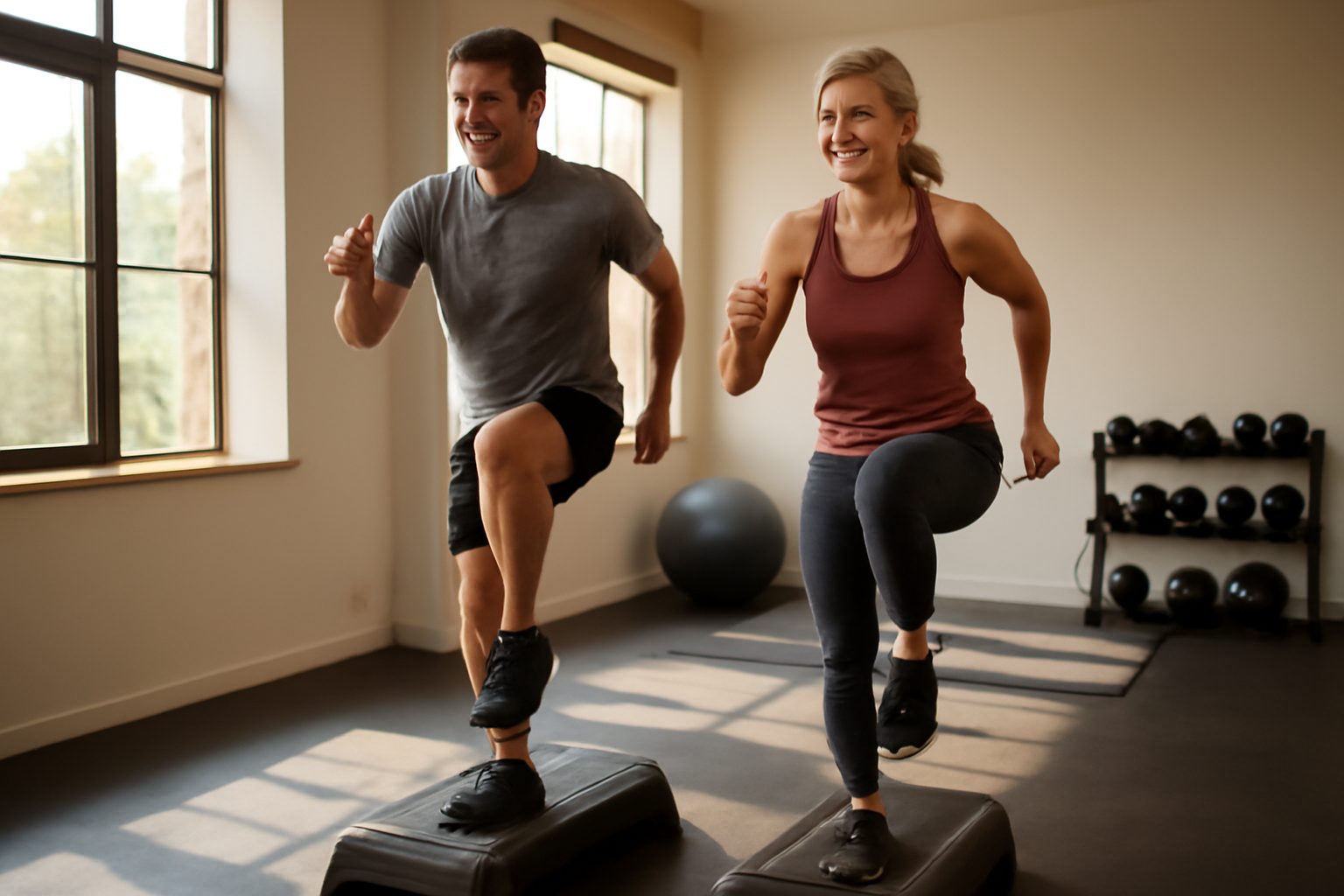
    Phase 2 — Weeks 3-4 (Building): 20-25 minutes, two to three times per week. Increase work intervals to 40 seconds, keep recovery at 80 seconds. You can begin introducing bodyweight movements like modified squats, step-ups, or low-impact jumping jacks during the work interval if joint comfort allows.

    Phase 3 — Weeks 5-8 (Progression): 25-30 minutes, three times per week. Work intervals reach 45 to 60 seconds, recovery drops to 60 seconds. Intensity should feel genuinely challenging but sustainable — you should be breathing hard, not gasping.

    Always separate HIIT sessions with at least 48 hours of recovery. Your body needs that time to repair and adapt. Light activity like walking, yoga, or stretching on recovery days is encouraged. For guidance on building heart-healthy cardio habits that complement your HIIT program, see our guide on Cardio Exercise for Heart Health: The Complete Guide.

    Sample Low-Impact HIIT Workout for Adults Over 40

    The following 20-minute routine requires no equipment, is gentle on the joints, and is designed specifically for adults who are returning to exercise or managing mild orthopedic concerns. It follows a 40-second work / 20-second rest format.

    Warm-up (5 minutes): Slow marching in place, arm circles, hip rotations, gentle leg swings, ankle rolls. Never skip this step — research suggests that warm-up significantly reduces the risk of muscle strain during high-intensity effort.

    Circuit (perform twice):

    • Wall sit (40 sec) — Rest (20 sec)
    • Standing alternating knee raises (40 sec) — Rest (20 sec)
    • Modified push-ups on knees or wall (40 sec) — Rest (20 sec)
    • Side step touches (40 sec) — Rest (20 sec)
    • Seated or standing bicycle crunches (40 sec) — Rest (20 sec)

    Cool-down (5 minutes): Slow walking in place, standing quad stretch, seated hamstring stretch, deep breathing. Your heart rate should return toward baseline before you sit or lie down completely.

    This session takes approximately 20 minutes and can be performed at home, at a gym, or even in a hotel room. As your fitness improves, you can increase the work intervals, add resistance bands, or graduate to more dynamic movements.

    Living With a HIIT Routine: Consistency and Recovery

    The most effective HIIT program is the one you actually stick with over months and years. Clinical evidence consistently shows that exercise adherence — showing up regularly over the long term — matters far more than any single workout’s intensity or design.

    Adults over 40 are more susceptible to overtraining syndrome than younger exercisers because recovery takes longer with age. Signs of overtraining include persistent fatigue, declining performance, disrupted sleep, elevated resting heart rate, and increased irritability. These are signals to reduce intensity and volume, not push harder.

    Nutrition plays a supporting role. Consuming adequate protein — the NIH recommends at least 0.8 grams per kilogram of body weight daily for adults, with some exercise physiologists suggesting higher amounts for active older adults — helps repair muscle tissue after HIIT sessions. Hydration before, during, and after exercise is equally important, as even mild dehydration impairs performance and increases injury risk.

    Sleep is arguably the most underestimated recovery tool. The CDC reports that more than one-third of American adults regularly get fewer than seven hours of sleep per night. Poor sleep blunts the hormonal responses — including growth hormone release — that allow your body to fully benefit from exercise.

    When to Call Your Doctor or Seek Emergency Care

    While HIIT is generally safe for most adults over 40 when introduced appropriately, certain symptoms during or after exercise require immediate medical attention.

    Call 911 or go to the emergency room immediately if you experience:

    • Chest pain, pressure, tightness, or squeezing during or after exercise
    • Pain radiating to your left arm, jaw, neck, or back
    • Sudden severe shortness of breath that does not resolve with rest
    • Fainting or near-fainting (syncope)
    • An irregular or racing heartbeat accompanied by dizziness or chest discomfort
    • Sudden severe headache unlike any you’ve experienced before

    Schedule a non-emergency appointment with your doctor if you notice:

    • Persistent joint pain lasting more than 48 hours after exercise
    • Swelling in the lower legs or ankles following workouts
    • Unexplained fatigue that does not improve with rest over several weeks
    • Blood pressure consistently elevated after exercise sessions
    • Any significant change in how your body feels during exertion compared to your baseline

    Before beginning any new exercise program — especially one involving vigorous intensity — it is strongly recommended that adults over 40 who are sedentary, managing a chronic condition, or on prescription medications speak with their primary care physician first. This conversation takes less than ten minutes and can prevent serious complications.

    Frequently Asked Questions About HIIT for Adults Over 40

    How many days per week should adults over 40 do HIIT?
    Most exercise physiologists and the American College of Sports Medicine recommend two to three HIIT sessions per week for adults over 40, with at least 48 hours of recovery between sessions. More frequent sessions without adequate recovery can increase injury risk and diminish results over time.

    Can I do HIIT if I have high blood pressure?
    This varies from person to person and depends significantly on whether your blood pressure is well-controlled with medication and lifestyle changes. Research suggests that moderate-intensity interval training can actually help lower blood pressure over time, but you should get your physician’s clearance before starting, particularly if your hypertension is uncontrolled or you are on multiple medications.

    Is HIIT better than regular cardio for weight loss after 40?
    Clinical evidence indicates that HIIT may produce slightly greater reductions in body fat — particularly visceral fat — than moderate-intensity continuous cardio in the same time period. However, both are beneficial, and the best choice is the one you will sustain consistently. Many adults find that combining HIIT two or three days per week with moderate cardio on other days produces the best results.

    Do I need equipment to do HIIT at home?
    No. Many effective HIIT routines for adults use only bodyweight movements such as squats, step touches, modified push-ups, and marching in place. Resistance bands, a stable chair, and a yoga mat can add variety but are not required to get started. The key variable is effort level, not equipment.

    How long before I see results from HIIT?
    Research suggests that measurable improvements in cardiovascular fitness and insulin sensitivity can appear within four to six weeks of consistent HIIT training. Visible changes in body composition typically take 8 to 12 weeks, depending on nutrition, sleep quality, and overall consistency. Individual variation is significant — some people respond faster, others more slowly.

    Conclusion

    HIIT is not a fad, and it’s not reserved for professional athletes or people half your age. For adults over 40, it represents one of the most evidence-backed, time-efficient strategies available for protecting metabolic health, preserving muscle, sharpening cardiovascular fitness, and supporting healthy aging from the inside out.

    The key is starting smart — not hard. A gradual, well-structured approach guided by your current fitness level, any existing health conditions, and the input of your healthcare provider gives you the best chance of building a sustainable routine that delivers real, lasting results.

    You don’t need to run sprints at 6 AM to benefit from interval training. You just need to start — safely, consistently, and with the understanding that every quality effort you make today is an investment in how well you move, feel, and function for decades to come.

    This article is for informational and educational purposes only. It does not constitute medical advice, diagnosis, or treatment. Always consult your physician or a qualified healthcare provider before making changes to your health routine or treatment plan.

    Medically reviewed by our editorial health team. Content follows evidence-based standards aligned with CDC and NIH guidelines.
  • Flexibility Training: The Complete Guide for Adults

    Flexibility Training: The Complete Guide for Adults

    Most adults lose up to 50% of their flexibility between ages 30 and 70 — but the right stretching routine can turn that around at any age.

    Michael, 54, had lived with tight hamstrings and a stiff lower back for so long he assumed it was just part of getting older. After his annual physical, his doctor recommended adding a daily flexibility routine to his exercise plan. Within eight weeks, Michael was sleeping better, moving with less discomfort, and had shaved 20 seconds off his morning routine just by being able to tie his shoes without straining.

    Flexibility training is one of the most overlooked pillars of physical fitness — and one of the most impactful for long-term health. According to the American College of Sports Medicine, fewer than 30% of American adults perform any regular stretching, yet clinical evidence links poor flexibility to increased injury risk, chronic pain, reduced balance, and even cardiovascular strain.

    In this complete guide, you’ll learn what flexibility training actually is, why it matters more as you age, which stretching methods work best, how to build a safe routine, and when to talk to your doctor. Whether you’re brand new to exercise or returning after a long break, this guide is designed to meet you exactly where you are.

    What Is Flexibility Training?

    Flexibility refers to the ability of your joints and muscles to move through their full range of motion (ROM). Flexibility training — sometimes called stretching or mobility work — is any structured practice designed to lengthen muscles, improve joint movement, and reduce muscular tension.

    There are four primary types of flexibility training recognized by sports medicine professionals:

    • Static stretching: Holding a stretch in a fixed position for 15 to 60 seconds. This is the most familiar type and is best performed after a workout or as a standalone session.
    • Dynamic stretching: Controlled, repetitive movements that gently take joints through their range of motion. Ideal as a warm-up before exercise.
    • PNF stretching (Proprioceptive Neuromuscular Facilitation): A technique involving alternating muscle contraction and relaxation, often done with a partner or therapist. Research suggests this is the most effective method for increasing ROM rapidly.
    • Myofascial release: Using tools like foam rollers to reduce tension in the connective tissue surrounding muscles. Commonly used by physical therapists and personal trainers.

    According to the National Institutes of Health, flexibility declines significantly after age 30 due to changes in muscle fiber composition, reduced collagen elasticity, and decreased physical activity. In the United States, this decline contributes to roughly 8.6 million musculoskeletal injuries annually, many of which involve strain and sprain in preventable scenarios.

    Flexibility is not the same as being able to do the splits. It simply means your body can move the way it was designed to — without pain, compensation, or restriction.

    Signs You May Have Poor Flexibility

    Poor flexibility often develops gradually, which is why many people don’t recognize it until a significant problem arises. Here are common signs that your flexibility may need attention:

    Early signs:

    • Stiffness in the morning that takes more than 20 minutes to ease
    • Difficulty bending over to pick things up from the floor
    • Tightness in the hips, hamstrings, or shoulders during everyday tasks
    • Noticeable muscle soreness after mild activity
    • Reduced stride length when walking

    Advanced signs that warrant medical evaluation:

    • Joint pain that does not improve with gentle movement
    • Muscle spasms that occur regularly or without clear cause
    • Limited range of motion that interferes with daily tasks like dressing or driving
    • Recurring injuries to the same muscles or joints
    • Balance problems or frequent tripping

    A 2023 meta-analysis published in the Journal of Aging and Physical Activity found that adults over 50 with clinically low hip flexor flexibility were 2.4 times more likely to experience a fall-related injury compared to those with average ROM. This highlights that flexibility is not a cosmetic concern — it’s a meaningful safety issue.

    Causes and Risk Factors for Reduced Flexibility

    Reduced flexibility is rarely the result of just one thing. It’s typically a combination of biological changes and lifestyle habits that compound over time.

    Biological and age-related factors:

    • Collagen changes: As you age, collagen — the protein that gives connective tissue its elasticity — becomes stiffer and less resilient, limiting joint mobility.
    • Muscle fiber shifts: The ratio of slow-twitch to fast-twitch fibers changes with age, affecting how muscles respond to lengthening.
    • Hormonal shifts: Estrogen and testosterone both play roles in muscle and connective tissue health. Declines during perimenopause or andropause can accelerate stiffness.
    • Inflammatory conditions: Arthritis, fibromyalgia, and other inflammatory conditions directly reduce ROM and make stretching more challenging.

    Lifestyle and environmental factors:

    • Prolonged sitting: The CDC reports that American adults sit an average of 6.5 hours per day. Sustained sitting tightens the hip flexors, hamstrings, and thoracic spine.
    • Inadequate hydration: Muscles and fascia (connective tissue) require proper hydration to maintain pliability.
    • Skipping warm-ups and cool-downs: Exercising without properly preparing or recovering the body accelerates muscular tightness over time.
    • High-stress lifestyle: Chronic psychological stress causes elevated cortisol levels, which can increase muscular tension and inflammation.
    • Previous injuries: Scar tissue from old injuries frequently limits mobility in the surrounding area.

    Individual variation is real here: some people naturally have greater joint laxity (looseness), while others are hypomobile from birth. This is why a cookie-cutter stretching program doesn’t work for everyone.

    Diagnosis: What to Expect From a Flexibility Assessment

    Most adults don’t visit a doctor specifically for poor flexibility — it’s often identified during a physical exam, sports medicine evaluation, or physical therapy intake. However, if stiffness is significantly impacting your daily life or exercise ability, a formal assessment is valuable.

    Common flexibility assessments include:

    • Sit-and-reach test: Measures hamstring and lower back flexibility. It’s frequently used in clinical settings and fitness assessments.
    • Thomas test: A physical therapy evaluation for hip flexor tightness, often used to identify contributors to lower back pain.
    • Shoulder mobility test: Checks the ability to reach across the upper back — a key indicator of shoulder joint health.
    • Goniometry: A clinical tool where a goniometer (a hinged device) measures the precise angle of joint movement. Used by physical therapists and orthopedic specialists.

    If your physician suspects an underlying cause of inflexibility — such as osteoarthritis, ankylosing spondylitis, or a rotator cuff injury — they may order imaging (X-rays or MRI) to get a clearer picture.

    Mayo Clinic recommends that adults who experience persistent stiffness lasting more than six weeks, or stiffness accompanied by joint swelling, warmth, or redness, seek medical evaluation rather than assuming it’s normal aging.

    Treatment and Training Options: What the Evidence Says

    The good news is that flexibility can be improved at virtually any age with consistent, appropriate training. Most physicians and physical therapists recommend a multi-modal approach — combining different stretching methods and addressing lifestyle factors simultaneously.

    Static Stretching

    Static stretching remains the most widely studied and recommended method for improving overall flexibility in adults. Clinical guidelines from the American College of Sports Medicine suggest holding each stretch for 15 to 60 seconds and repeating two to four times per muscle group, at least two to three days per week.

    Research published in the Physical Therapy Journal found that a consistent static stretching program of just 10 minutes per day produced measurable gains in hamstring flexibility within four weeks in adults aged 40 to 65.

    Dynamic Stretching

    Dynamic stretching — such as leg swings, arm circles, and hip circles — is most effective when used as a warm-up before cardio or strength training. It increases blood flow, activates the nervous system, and prepares joints for load without the risk of over-lengthening cold muscles.

    If you’re looking to build a heart-healthy fitness routine, Cardio Exercise for Heart Health: The Complete Guide offers an evidence-based starting point that pairs well with a flexibility warm-up protocol.

    PNF Stretching

    PNF techniques produce the fastest gains in ROM, according to a systematic review by the Cleveland Clinic. They work by temporarily inhibiting the muscle’s stretch reflex, allowing the tissue to lengthen more than it would through passive stretching alone. This method is commonly used in physical therapy for post-injury rehabilitation.

    Yoga and Pilates

    Both yoga and Pilates incorporate flexibility work as a core component. A 2024 NIH-funded study found that adults over 50 who practiced yoga two to three times per week showed significant improvements in spinal flexibility, balance, and self-reported pain scores over 12 weeks. These practices also support the mind-body connection, which research suggests reduces cortisol-related muscular tension.

    Foam Rolling and Myofascial Release

    Clinical evidence indicates that foam rolling before stretching can enhance the effectiveness of your stretching session by reducing myofascial restriction. Most physical therapists recommend rolling slowly over tight areas for 30 to 90 seconds per site before performing static stretches.

    Conventional Medical Treatments

    For flexibility issues tied to underlying conditions — such as arthritis, fibromyalgia, or post-surgical stiffness — medical treatments may include:

    • Physical therapy with a licensed therapist
    • Anti-inflammatory medications as prescribed by your physician
    • Corticosteroid injections for joint inflammation in severe cases
    • Occupational therapy to adapt daily tasks during recovery

    Always consult your doctor before beginning a new exercise program, particularly if you have a diagnosed musculoskeletal or inflammatory condition.

    Building a Daily Flexibility Routine: Practical Guidance

    You don’t need a gym, special equipment, or hours of free time to meaningfully improve your flexibility. The key is consistency over intensity — doing a little every day is far more effective than one long session per week.

    Sample beginner flexibility routine (10-15 minutes daily):

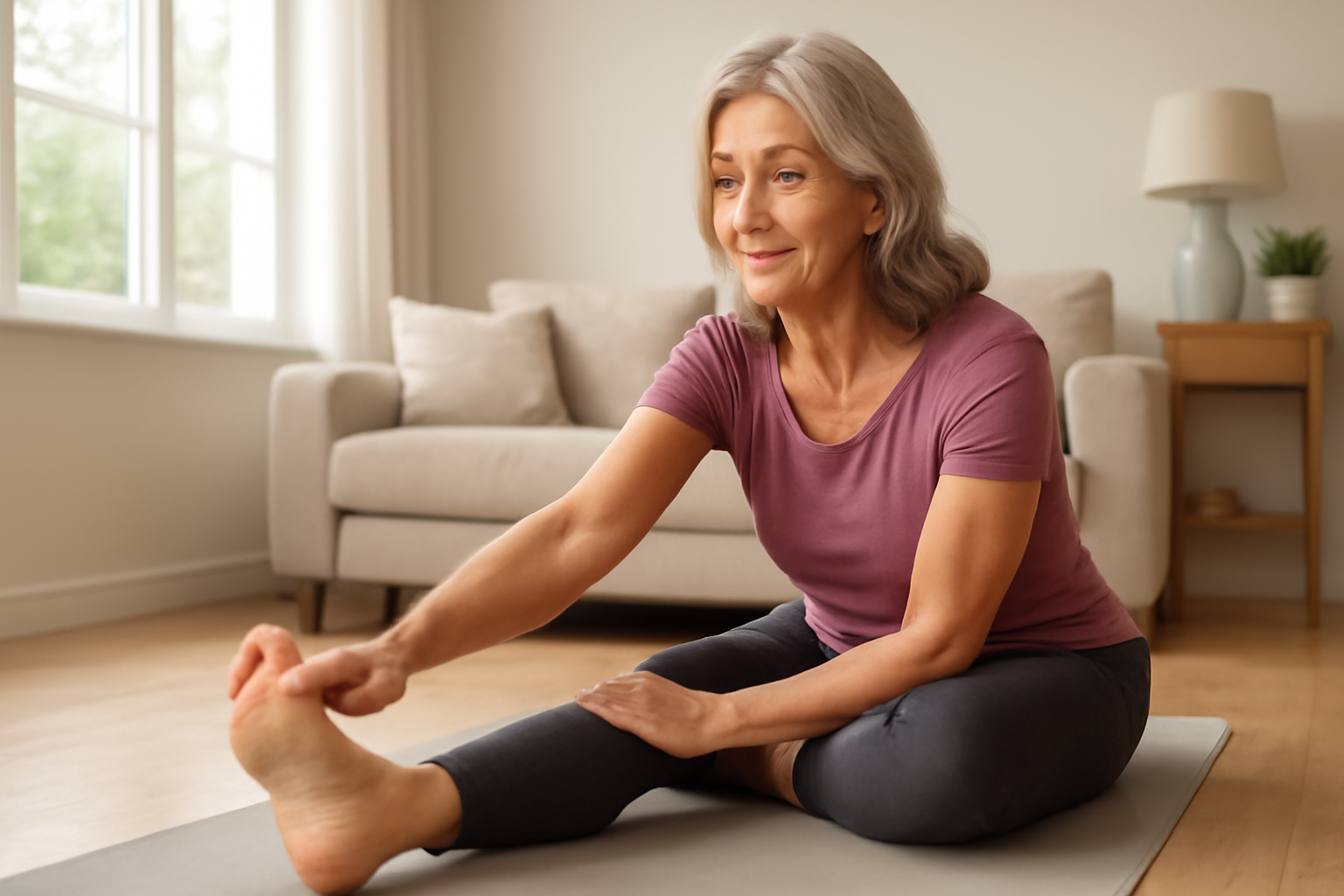
    • Seated hamstring stretch: Sit on the floor with legs extended, reach toward your toes, hold 30 seconds each leg
    • Hip flexor lunge stretch: From a kneeling lunge position, shift forward gently to stretch the front of the hip, 30 seconds per side
    • Cat-cow spinal stretch: On hands and knees, alternate between arching and rounding the spine, 10 slow repetitions
    • Doorway chest opener: Place forearms on a door frame, lean forward gently to stretch the chest and shoulders, 30 seconds
    • Seated piriformis stretch: Cross one ankle over the opposite knee while seated, gently press the raised knee down, 30 seconds per side

    Practical tips for success:

    • Stretch after a warm shower when muscles are already warmed and more pliable
    • Never stretch to the point of sharp or stabbing pain — mild tension is the goal
    • Breathe steadily throughout; never hold your breath during a stretch
    • Track your progress by noting how far you can reach or how long you can hold comfortably — improvement motivates continued effort
    • If you also strength train, consider pairing your flexibility work with your existing program. Strength Training After 50: The Complete Guide covers how to safely combine modalities for maximum benefit.

    Prevention strategies: Regular flexibility work is one of the most evidence-backed strategies for fall prevention in older adults. The CDC’s STEADI (Stopping Elderly Accidents, Deaths, and Injuries) program specifically identifies hip and ankle flexibility as modifiable risk factors for falls among adults over 65.

    When to Call Your Doctor or Seek Emergency Care

    Stretching is generally very safe, but certain symptoms should prompt you to seek medical attention promptly.

    Call your doctor if you experience:

    • Persistent joint stiffness lasting longer than six weeks despite regular stretching
    • Stiffness that is worse in the morning and improves throughout the day (this pattern can indicate inflammatory arthritis)
    • New or worsening numbness or tingling in the arms or legs during stretching
    • Visible joint swelling alongside reduced range of motion
    • Muscle weakness that appears alongside tightness

    Seek emergency care immediately if:

    • You experience a sudden, severe muscle tear or hear a "pop" during stretching
    • You have significant swelling, bruising, or inability to bear weight after a stretch-related injury
    • You develop sudden chest pain, dizziness, or shortness of breath during exercise

    When preparing for your next doctor’s visit, bring notes about which areas feel tightest, how long stiffness lasts, and whether it interferes with specific daily activities. This helps your physician determine whether a referral to physical therapy or a musculoskeletal specialist is appropriate.

    Frequently Asked Questions

    How long does it take to improve flexibility in adults?

    Most clinical evidence suggests that noticeable improvements in range of motion can occur within four to eight weeks of consistent stretching — typically two to five sessions per week. Individual results vary based on age, starting flexibility level, and the specific muscles being targeted. Progress may be slower in older adults or those with inflammatory conditions, but improvement is still achievable.

    Is it safe to stretch every day?

    For most adults, daily stretching is not only safe but beneficial. Static stretching performed with proper form and moderate intensity poses minimal injury risk. The key is not overstretching — you should feel tension, not pain. Individuals with specific injuries or conditions should consult a physical therapist before beginning daily routines.

    Does flexibility training help with lower back pain?

    Research suggests yes, in many cases. Clinical evidence from Johns Hopkins Medicine indicates that stretching the hamstrings, hip flexors, and piriformis muscles can meaningfully reduce tension on the lumbar spine, which is a common contributor to lower back pain. However, back pain has many causes, and stretching is a complement to — not a replacement for — medical evaluation and treatment.

    Can I improve flexibility if I have arthritis?

    Yes. The Arthritis Foundation and the American College of Rheumatology both recommend gentle range-of-motion exercises and stretching for people with osteoarthritis and rheumatoid arthritis. These activities help maintain joint function and reduce stiffness. The intensity and type of stretching may need to be modified — your physician or physical therapist can provide personalized guidance.

    Should I stretch before or after exercise?

    Current clinical guidance recommends dynamic stretching before exercise (to warm up muscles and joints) and static stretching after exercise (when muscles are warm and most receptive to lengthening). Performing intense static stretching before exercise on cold muscles has been shown in some studies to temporarily reduce muscle strength output, so sequencing matters.

    Moving Forward With More Freedom

    Flexibility training isn’t about achieving gymnast-level splits or impressing anyone at the gym. It’s about preserving your ability to move confidently, reduce pain, prevent injury, and maintain independence as you age — and the evidence strongly supports its value at every stage of adult life.

    Starting with just 10 minutes a day is enough to begin making a meaningful difference. The muscles and joints respond to consistent, gentle encouragement — and so does your overall sense of physical well-being.

    As with any fitness change, the most important first step is talking to your doctor or a licensed physical therapist, especially if you have a chronic condition, recent injury, or haven’t been active in a while. With proper guidance, flexibility training can be one of the safest and most rewarding investments you make in your long-term health.


    Medical Disclaimer: This article is for informational and educational purposes only. It does not constitute medical advice, diagnosis, or treatment. Always consult your physician or a qualified healthcare provider before making changes to your health routine or treatment plan.

    Medically reviewed by our editorial health team. Content follows evidence-based standards aligned with CDC and NIH guidelines.
  • Cardio Exercise for Heart Health: The Complete Guide

    Cardio Exercise for Heart Health: The Complete Guide

    Your heart beats roughly 100,000 times a day — and what you do with the other hours determines how long and how well it keeps going.

    Introduction

    Mark, 52, had always considered himself reasonably healthy. He wasn’t overweight, didn’t smoke, and thought his occasional weekend hike was enough. Then his annual physical revealed elevated LDL cholesterol and a resting heart rate that concerned his doctor. “Your heart needs regular training, just like a muscle,” his physician told him. That conversation changed everything.

    According to the American Heart Association, cardiovascular disease remains the leading cause of death in the United States, claiming approximately 695,000 lives every year. Yet research consistently shows that regular cardiovascular exercise — often called cardio — is one of the most powerful tools available to reduce that risk significantly.

    In this guide, you’ll learn exactly what cardio exercise is, how it protects your heart, which types of cardio deliver the greatest benefits, and how to build a sustainable routine — whether you’re just starting out or looking to optimize what you’re already doing. We’ll cover the science, the practical strategies, and the warning signs you should never ignore.

    What Is Cardiovascular Exercise?

    Cardiovascular exercise — also called aerobic exercise — refers to any rhythmic, sustained physical activity that raises your heart rate and increases your breathing over an extended period. The word “aerobic” literally means “with oxygen,” reflecting how your body uses oxygen to fuel these longer-duration efforts.

    Examples include brisk walking, jogging, swimming, cycling, dancing, rowing, and using an elliptical machine. What distinguishes cardio from other forms of exercise is its sustained, repetitive nature and its direct engagement of the heart and lungs as primary systems.

    The CDC recommends that adults get at least 150 minutes of moderate-intensity aerobic activity — or 75 minutes of vigorous-intensity activity — per week. Despite this relatively achievable goal, the CDC also reports that only about 53% of American adults meet the federal physical activity guidelines for aerobic exercise. That gap has profound consequences for public health.

    Why does it matter so much? Regular cardio exercise strengthens the heart muscle, lowers blood pressure, improves circulation, reduces inflammation, and helps regulate blood sugar and cholesterol levels. These effects work together to dramatically lower the risk of heart attack, stroke, and type 2 diabetes.

    Signs Your Heart Health May Need Attention

    Before building or intensifying a cardio routine, it’s worth understanding the signals your body may already be sending. Some symptoms are mild and manageable; others are red flags that require immediate evaluation.

    Early or moderate warning signs to discuss with your doctor:

    • Shortness of breath during activities that previously felt easy
    • Unusual fatigue, even with adequate rest
    • Elevated resting heart rate (consistently above 100 beats per minute)
    • Mild chest tightness or pressure during exertion that resolves quickly with rest
    • Swollen ankles or feet, especially at the end of the day
    • Difficulty keeping up with your usual exercise pace

    Red flags requiring immediate medical attention:

    • Sudden, severe chest pain or pressure
    • Pain radiating to the jaw, left arm, or back during or after exercise
    • Fainting or loss of consciousness
    • Severe shortness of breath at rest
    • Heart palpitations that feel irregular, rapid, or accompanied by dizziness

    A 2022 study published in the Journal of the American College of Cardiology found that individuals who reported early exertional symptoms but delayed medical evaluation had significantly worse outcomes compared to those who sought prompt evaluation. If you experience any of these red flags during exercise, stop immediately and call 911.

    Why Cardio Protects Your Heart: The Science

    Understanding the biological mechanisms behind cardio’s benefits can help you stay motivated and make smarter choices about your routine.

    It strengthens the heart muscle itself. Regular aerobic exercise causes the left ventricle — the heart’s main pumping chamber — to become more efficient. Over time, your heart can pump more blood with each beat, which is why trained athletes often have resting heart rates in the 40s or 50s. This reduced workload decreases wear and tear on the cardiovascular system.

    It lowers blood pressure. Clinical evidence indicates that moderate-intensity aerobic exercise can reduce systolic blood pressure (the top number) by an average of 5 to 8 mmHg in people with hypertension. According to the NIH, this reduction is comparable to what some antihypertensive medications achieve — though exercise should always complement, not replace, prescribed treatments.

    It improves cholesterol balance. Research suggests that regular cardio raises HDL (“good”) cholesterol while reducing triglyceride levels. A meta-analysis published in the Mayo Clinic Proceedings found that aerobic exercise was associated with meaningful improvements in lipid profiles, particularly in adults with baseline metabolic risk factors.

    It reduces systemic inflammation. Chronic low-grade inflammation is a major driver of atherosclerosis — the buildup of plaques in arterial walls. Cardio exercise has been shown to reduce inflammatory markers like C-reactive protein (CRP), helping keep arterial walls healthier over time.

    It helps regulate blood sugar. During aerobic activity, muscles absorb glucose directly without requiring insulin. Over time, this improves insulin sensitivity — a critical factor in preventing type 2 diabetes, which itself dramatically raises cardiovascular risk.

    Types of Cardio and Their Benefits

    Not all cardio is created equal, and different formats offer different advantages. Understanding your options allows you to build a routine that fits your fitness level, joint health, schedule, and personal preference.

    Steady-State Moderate-Intensity Cardio
    This is the classic “zone 2” approach: sustained activity at a pace where you can hold a conversation but are clearly working. Examples include a 30-minute brisk walk, a light bike ride, or an easy swim. This form is ideal for beginners, older adults, and anyone recovering from illness or injury. It’s highly effective at improving baseline cardiovascular fitness and is the safest starting point for most people.

    High-Intensity Interval Training (HIIT)
    HIIT alternates short bursts of intense effort (typically 20-60 seconds) with brief recovery periods. A 20-minute HIIT session can produce cardiovascular benefits comparable to 40-60 minutes of steady-state cardio, according to research from McMaster University. However, HIIT places greater stress on joints and the cardiovascular system, so it’s generally recommended for those who have already established a base level of fitness. Always consult your physician before starting HIIT, especially if you have any cardiac history.

    Low-Impact Cardio
    Swimming, water aerobics, cycling, and elliptical training are excellent options for adults with joint pain, arthritis, or orthopedic limitations. These activities raise the heart rate effectively while minimizing impact forces on the knees, hips, and ankles. The Arthritis Foundation specifically endorses aquatic exercise as one of the most joint-friendly forms of aerobic activity available.

    Functional Movement-Based Cardio
    Activities like dancing, hiking, pickleball, and recreational sports provide cardiovascular benefit while also engaging balance, coordination, and social connection — all of which contribute to overall health outcomes. A Harvard Health study found that people who engaged in enjoyable physical activities were significantly more likely to sustain their routines long-term.

    For adults interested in combining cardiovascular and muscular benefits, pairing cardio with resistance training is particularly powerful. Our guide on Strength Training After 50: The Complete Guide offers detailed evidence-based strategies for building muscle safely at any age.

    How to Build a Cardio Routine That Sticks

    The most scientifically perfect exercise program delivers zero benefit if you don’t follow it. Sustainability is the single most important factor in long-term cardiovascular outcomes.

    Start where you are, not where you wish you were. If you’ve been sedentary, beginning with 10-15 minutes of brisk walking three times per week is a legitimate and evidence-supported starting point. The body adapts remarkably well when progression is gradual. Trying to do too much too soon is the leading cause of injury and dropout.

    Use the “talk test” to gauge intensity. During moderate-intensity cardio, you should be able to speak in short sentences but not sing comfortably. During vigorous-intensity cardio, speaking more than a few words should feel difficult. This simple method is validated by exercise physiology research and endorsed by the American College of Sports Medicine.

    Build progressively. Most physicians recommend following the “10% rule” — increase your weekly exercise volume by no more than 10% per week to avoid overuse injuries. This applies to duration, frequency, and intensity.

    Schedule it like a medical appointment. Research in behavioral medicine consistently shows that people who schedule exercise in advance and treat it as a non-negotiable commitment are significantly more likely to adhere long-term. Choose a time of day that works with your biology — morning exercisers tend to show higher consistency rates in longitudinal studies.

    Monitor your heart rate. Most fitness wearables now offer continuous heart rate monitoring, which can be a useful tool for staying in appropriate training zones. Your maximum heart rate is roughly estimated as 220 minus your age, though this varies considerably from person to person. Moderate intensity is typically 50-70% of your maximum; vigorous intensity is 70-85%.

    Recovery matters. Rest days are not optional — they’re when adaptation occurs. Overtraining can actually elevate inflammatory markers and stress hormones, counteracting the benefits of exercise. Most guidelines recommend at least one to two rest or active recovery days per week.

    Special Considerations for Adults Over 50

    If you’re in the 50-70 age range, cardio exercise is arguably even more important — but it also requires more thoughtful planning.

    The American Heart Association notes that adults over 50 face a sharply elevated cardiovascular risk profile, with roughly 70% of adults aged 65 and older having some form of cardiovascular disease. Regular aerobic exercise is one of the most evidence-supported interventions for reducing this risk.

    However, several physiological changes with age require adaptation in your approach. Maximum heart rate naturally declines with age, making traditional heart rate calculations less precise. Joint health, bone density, and recovery time also require greater attention. Low-impact options — swimming, cycling, and walking — are particularly well-suited to this population.

    If you have existing conditions such as hypertension, heart disease, diabetes, or osteoarthritis, clinical evidence strongly supports obtaining medical clearance before beginning or significantly intensifying a cardio program. A stress test may be recommended to assess cardiac response to exercise safely. You can learn more about combining cardio with strength work in our article on Strength Training After 50: The Complete Guide.

    When to Call Your Doctor — Emergency Signs

    Exercise is overwhelmingly safe for most adults, but there are specific circumstances that require prompt medical evaluation.

    Call your doctor before starting if you:

    • Have been diagnosed with heart disease, heart failure, or arrhythmia
    • Have uncontrolled hypertension (systolic above 160 mmHg)
    • Are recovering from a cardiac event within the past 12 months
    • Have type 1 or poorly controlled type 2 diabetes
    • Experience chest discomfort or shortness of breath at rest

    Stop exercise immediately and call 911 if you experience:

    • Chest pain, pressure, tightness, or crushing sensation
    • Pain spreading to the left arm, jaw, neck, or back
    • Sudden severe shortness of breath unrelated to exertion level
    • Fainting, near-fainting, or prolonged dizziness
    • Irregular, racing, or pounding heartbeat with associated symptoms

    The NIH emphasizes that exercise-related cardiac events are rare, but their risk increases significantly in individuals with undiagnosed or poorly managed cardiovascular conditions. Proper screening dramatically reduces this risk.

    Frequently Asked Questions

    How much cardio do I need each week to improve heart health?
    The AHA and CDC both recommend at least 150 minutes of moderate-intensity aerobic activity per week, or 75 minutes of vigorous activity — ideally spread across most days. Research suggests that even small amounts of regular activity, such as 20-30 minutes five days per week, produce meaningful cardiovascular benefits. More is generally better, up to a point, though individual variation exists.

    Is walking enough to count as cardio?
    Yes — brisk walking is a legitimate and well-studied form of moderate-intensity cardiovascular exercise. A large-scale NIH study found that walking at least 7,000 to 10,000 steps per day was associated with significantly reduced all-cause mortality and cardiovascular risk. The key is pace: walking slowly has limited cardiovascular benefit, but walking briskly enough to elevate your heart rate qualifies as aerobic exercise.

    Can cardio exercise lower my blood pressure without medication?
    Regular aerobic exercise can meaningfully lower blood pressure, and for some individuals with mild hypertension, lifestyle modifications including exercise may reduce or delay the need for medication. However, this is a highly individual determination that should be made with your physician. Clinical evidence indicates average reductions of 5-8 mmHg in systolic pressure with consistent aerobic training — significant, but not always sufficient on its own for moderate or severe hypertension.

    Is it safe to do cardio if I already have heart disease?
    In most cases, yes — and it’s often actively recommended. Cardiac rehabilitation programs, which center on supervised aerobic exercise, are standard of care following heart attack, bypass surgery, or heart failure diagnosis. Clinical evidence from multiple large trials shows that cardiac rehab reduces rehospitalization rates and improves quality of life significantly. Always get physician clearance and, ideally, supervision through a formal cardiac rehab program.

    What’s the difference between cardio and HIIT, and which is better?
    Both provide cardiovascular benefits, but through slightly different mechanisms. Steady-state moderate cardio is more accessible, lower-risk, and ideal for building a baseline. HIIT provides time-efficient cardiovascular adaptations and may produce greater improvements in VO2 max (a key measure of cardiorespiratory fitness) in shorter sessions. Research suggests both are effective; the “best” choice depends on your fitness level, health status, and personal preference. Many experts recommend a combination of both for adults who are healthy enough to tolerate HIIT safely.

    Conclusion

    Your cardiovascular system is working every moment of every day, and the investment you make in regular aerobic exercise pays dividends that no pill can fully replicate. The evidence is clear, consistent, and compelling: cardio exercise reduces the risk of heart disease, lowers blood pressure, improves cholesterol, regulates blood sugar, and extends healthy life expectancy.

    Whether you start with a 15-minute walk or commit to a structured training program, what matters most is consistency over time. Progress is rarely linear, setbacks happen, and individual variation is real — but the direction is always forward when you stay the course.

    Talk with your physician about what level of cardio is appropriate for your current health status, and consider working with a certified exercise physiologist or cardiac rehabilitation specialist if you have existing conditions. Your heart has been working for you your entire life. It’s worth giving something back.


    Medical Disclaimer: This article is for informational and educational purposes only. It does not constitute medical advice, diagnosis, or treatment. Always consult your physician or a qualified healthcare provider before making changes to your health routine or treatment plan.

    Medically reviewed by our editorial health team. Content follows evidence-based standards aligned with CDC and NIH guidelines.

  • Strength Training After 50: The Complete Guide

    Strength Training After 50: The Complete Guide

    Strength Training After 50: The Complete Guide

    Building muscle after 50 isn't just possible — research shows it may be the single most powerful thing you can do to protect your health, independence, and quality of life.

    Introduction

    When David, 57, told his cardiologist he'd started lifting weights at the gym, he expected a word of caution. Instead, his doctor smiled and said, "Keep going — this is exactly what you need."

    That response surprises a lot of people. Many adults over 50 assume strength training is for younger athletes or bodybuilders — not for them. But the science tells a very different story.

    According to the CDC, adults lose between 3% and 8% of their muscle mass per decade after age 30 — a process called sarcopenia (loss of muscle with aging). After 60, that rate can accelerate even faster. The consequences go far beyond aesthetics: weaker muscles mean higher fall risk, slower metabolism, increased blood sugar levels, and greater risk of chronic disease.

    The good news is that resistance training — also called strength training or weight training — can slow, stop, and in many cases partially reverse this process at any age. In this guide, you'll learn what the evidence says, how to start safely, and how to build a plan that works for your body and your health goals.

    What Is Strength Training — and Why Does It Matter After 50?

    Strength training is any form of exercise that causes your muscles to contract against resistance. That resistance can come from free weights, machines, resistance bands, or even your own bodyweight (think push-ups or squats).

    The goal isn't to become a competitive lifter. For most adults over 50, the goals are far more practical: stay strong enough to carry groceries, climb stairs without pain, get up from the floor, and live independently as long as possible.

    Here's why it matters so much at this stage of life:

    • Muscle loss accelerates with age. Without intervention, the average adult may lose 30% or more of their total muscle mass between ages 50 and 70.
    • Muscle tissue is metabolically active. More muscle means your body burns more calories at rest — which helps with weight management and blood sugar control.
    • Bone density improves. Resistance training places stress on bones, which stimulates them to rebuild and stay dense — a critical defense against osteoporosis.
    • Balance and coordination improve. The National Institute on Aging reports that strength training reduces fall risk significantly in older adults — a leading cause of injury-related death after 65.

    A landmark meta-analysis published in the British Journal of Sports Medicine found that resistance exercise reduced all-cause mortality risk by up to 21% in adults — independent of aerobic activity. That's a number worth taking seriously.

    Signs Your Body May Need More Strength Training

    Many people over 50 notice gradual physical changes and assume they're simply "getting older." Some of these changes, however, are direct signs of muscle loss and declining physical capacity — and they're worth recognizing.

    Early warning signs:

    • Feeling more fatigued than usual during everyday tasks
    • Difficulty carrying heavy bags or lifting objects overhead
    • Noticeable decrease in grip strength
    • Struggling to get up from a low chair or the floor
    • Unexplained weight gain despite no changes in diet
    • Slower recovery after physical activity

    More advanced signs that warrant medical attention:

    • Frequent falls or near-falls
    • Significant difficulty walking up stairs that were easy before
    • Joint pain that limits most movement
    • Unintentional weight loss combined with muscle wasting

    A simple clinical test used by physicians is the "chair stand test" — how many times you can stand up from a chair in 30 seconds without using your arms. Research from the Mayo Clinic suggests that fewer than 10 repetitions in adults over 60 indicates significantly increased fall risk and reduced functional capacity.

    If several of these signs sound familiar, it's not too late. These are signals, not a sentence — and strength training is one of the most effective evidence-based responses.

    Causes and Risk Factors for Muscle Loss After 50

    Sarcopenia — the medical term for age-related muscle loss — is influenced by several factors, some within your control and some outside of it.

    Biological factors:

    • Hormonal shifts. Testosterone, estrogen, and growth hormone all decline with age — each plays a role in maintaining muscle. According to the NIH, testosterone levels in men drop roughly 1% per year after age 30.
    • Reduced protein synthesis. Older muscles become less efficient at converting dietary protein into new muscle tissue — a phenomenon called "anabolic resistance."
    • Neurological changes. Aging affects the motor neurons that signal muscles to contract, reducing coordination and strength.

    Lifestyle and environmental factors:

    • Physical inactivity. The CDC reports that fewer than 25% of adults over 50 meet weekly resistance training guidelines. Sedentary behavior accelerates muscle loss dramatically.
    • Inadequate protein intake. Many older adults eat less protein than they need — especially if appetite has decreased.
    • Chronic disease. Conditions like type 2 diabetes, heart failure, COPD, and arthritis can each accelerate muscle wasting.
    • Certain medications. Some corticosteroids, statins, and other long-term medications can contribute to muscle weakness — talk to your doctor if you have concerns.

    The encouraging reality is that most of the lifestyle factors are modifiable. And even in the presence of chronic conditions, appropriately designed strength training programs have been shown to be both safe and beneficial.

    Getting Started: What to Expect and How to Do It Safely

    Before beginning any new exercise program, especially if you have a chronic health condition, a joint replacement, cardiovascular disease, or osteoporosis, consult with your physician first. Many adults will benefit from at least one session with a certified personal trainer or physical therapist to learn proper form and reduce injury risk.

    That said, here is what a safe and evidence-based starting plan generally looks like for adults over 50:

    Frequency: The American College of Sports Medicine recommends resistance training at least 2 days per week for older adults. Many find 2 to 3 sessions per week optimal for recovery and progress.

    Intensity: Start lighter than you think you need to. The goal in the first 4 to 6 weeks is to learn movement patterns, not to max out. Research suggests beginning at about 60% of your maximum effort and gradually progressing.

    Exercise selection for beginners:

    • Bodyweight squats (builds lower body strength and improves balance)
    • Seated or standing dumbbell press (shoulders and arms)
    • Resistance band rows (upper back and posture)
    • Step-ups (lower body, coordination, functional strength)
    • Wall push-ups or modified push-ups (chest, arms, core)
    • Standing calf raises (ankle stability, fall prevention)

    Progression: Once an exercise feels manageable for 2 to 3 sets of 12 to 15 repetitions, gradually increase resistance or difficulty. This principle — called progressive overload — is the engine behind all strength gains.

    A clinical trial published in the Journal of the American Medical Association found that older adults who engaged in progressive resistance training twice weekly over 12 weeks showed significant improvements in muscle strength, walking speed, and functional independence — with no serious adverse events in healthy participants.

    Treatment and Optimization: Getting the Most From Your Training

    Once you've established a basic routine, there are several evidence-based strategies that can significantly enhance your results over time.

    Nutrition — the foundation of muscle building:

    You cannot out-train a protein deficit. Research consistently shows that older adults need more dietary protein than younger adults to achieve the same muscle-building response. Most clinical guidelines now suggest 1.2 to 1.6 grams of protein per kilogram of body weight per day for active older adults.

    Practical sources include eggs, Greek yogurt, chicken, fish, legumes, cottage cheese, and protein shakes when needed. Distributing protein across multiple meals — rather than eating it all at dinner — has been shown to be more effective for muscle protein synthesis.

    Sleep and recovery:

    Muscle is built during rest, not during the workout itself. Adults over 50 who sleep fewer than 6 hours per night show measurably reduced anabolic hormone levels. Aim for 7 to 9 hours. Allow at least 48 hours between sessions targeting the same muscle groups.

    Combining with aerobic exercise:

    Strength training and cardiovascular exercise are not competing priorities — they complement each other. The AHA recommends both at least 150 minutes of moderate aerobic activity per week and strength training twice weekly for overall cardiovascular and metabolic health.

    Mind-muscle connection:

    Research suggests that consciously focusing on the muscle you're working during each repetition — not just going through the motions — can increase muscle activation by up to 20%. Slow down, breathe deliberately, and stay present during each set.

    Living With an Active Lifestyle: Day-to-Day Strategies and Prevention

    Strength training is most powerful when it's part of a broader lifestyle — not an isolated activity you do three times a week and then spend the rest of your time sitting.

    Daily movement habits that reinforce your training:

    • Take stairs instead of elevators when safe and practical
    • Stand or walk during phone calls
    • Park farther away and walk the difference
    • Do simple balance exercises during TV commercials (standing on one foot, heel-to-toe walking)
    • Stretch for 5 to 10 minutes every morning to reduce stiffness and improve range of motion

    Tracking progress motivates consistency:

    Keep a simple workout journal or use a fitness app. Note the weight used, sets, reps, and how you felt. Seeing measurable progress — even small gains — is one of the strongest predictors of long-term adherence, according to behavioral health research from Harvard Health.

    Social support matters:

    Adults who exercise with a partner or in a group setting are significantly more likely to maintain the habit long term. Consider a senior fitness class, a walking group that also does bodyweight circuits, or a gym buddy at any age.

    Prevention note: Strength training is one of the most evidence-backed strategies for reducing risk of type 2 diabetes, hypertension, obesity, osteoporosis, and metabolic syndrome in older adults. The NIH has identified resistance exercise as a first-line lifestyle intervention for several of these conditions.

    When to Call Your Doctor or Seek Emergency Care

    Strength training is generally safe for most adults when approached progressively and correctly. However, there are specific signals that require prompt medical attention.

    Stop exercising immediately and call 911 if you experience:

    • Chest pain, tightness, or pressure during or after exercise
    • Sudden severe shortness of breath at rest or with minimal exertion
    • Fainting or loss of consciousness
    • Sudden severe headache, dizziness, or confusion
    • Rapid or irregular heartbeat that does not resolve quickly

    Schedule a non-emergency appointment with your doctor if:

    • You have persistent joint pain that lasts more than 48 hours after a workout
    • You notice unusual swelling in a joint or limb
    • You feel extreme fatigue that does not improve with rest
    • You are unsure whether your current medications interact with vigorous exercise
    • You have been diagnosed with osteoporosis, heart disease, or diabetes and want guidance on a safe program

    What to tell your doctor at your next visit:

    Let your provider know you're interested in starting or intensifying a strength training program. Share any symptoms you've noticed, medications you're taking, and any recent injuries. Ask whether a referral to a physical therapist or exercise physiologist would be appropriate for your specific situation.

    Frequently Asked Questions

    Q: Is it safe to start strength training after 60 or 70 with no prior experience?

    Yes — research strongly supports beginning resistance training at any age. Multiple clinical trials, including those conducted by the NIH's National Institute on Aging, have demonstrated measurable strength and function improvements in adults in their 70s, 80s, and even 90s who began structured resistance programs. The key is starting gradually and ideally with professional guidance.

    Q: How long before I see results?

    Most people notice improved energy and functional strength within 3 to 4 weeks. Visible changes in muscle tone typically begin around 8 to 12 weeks with consistent training. Neurological adaptations — your brain learning to recruit muscles more efficiently — actually begin within the first few sessions, even before muscle growth occurs.

    Q: Do I need to go to a gym, or can I exercise at home?

    Home training is absolutely effective for beginners and intermediate exercisers. Resistance bands, adjustable dumbbells, and bodyweight exercises can produce significant strength and health benefits without a gym membership. As you progress and need more resistance, a gym provides greater variety — but it is not a requirement.

    Q: What if I have arthritis or joint pain?

    Strength training can actually reduce arthritis pain over time by building the muscles that support and protect joints. However, form matters enormously. Working with a physical therapist initially is strongly recommended if you have significant joint pain. Avoid exercises that cause sharp or worsening pain — discomfort from muscle fatigue is different from joint pain.

    Q: Should I take supplements to build muscle after 50?

    Food-first is always the recommended approach. Adequate protein from whole food sources should be your primary strategy. Some research supports the use of creatine monohydrate in older adults for modest improvements in muscle strength and function — but consult your physician before starting any supplement, particularly if you have kidney issues or take medications.

    Conclusion

    Strength training after 50 isn't about chasing a younger body. It's about building the physical capacity to live fully — to travel, play with grandchildren, stay independent, and reduce your risk of the chronic diseases that claim so many lives prematurely.

    The evidence is clear and overwhelming: resistance exercise is one of the most powerful, accessible, and cost-effective health interventions available to adults at any age. Starting slowly, training consistently, fueling your body well, and working with your healthcare team creates a foundation that pays dividends for decades.

    You don't need to be an athlete. You just need to start. And the best time to do that is now.

    This article is for informational and educational purposes only. It does not constitute medical advice, diagnosis, or treatment. Always consult your physician or a qualified healthcare provider before making changes to your health routine or treatment plan.

    Medically reviewed by our editorial health team. Content follows evidence-based standards aligned with CDC and NIH guidelines.