Category: Fitness & Exercise

Find effective workout routines, strength training, cardio programs, flexibility exercises, and fitness tips for every level.

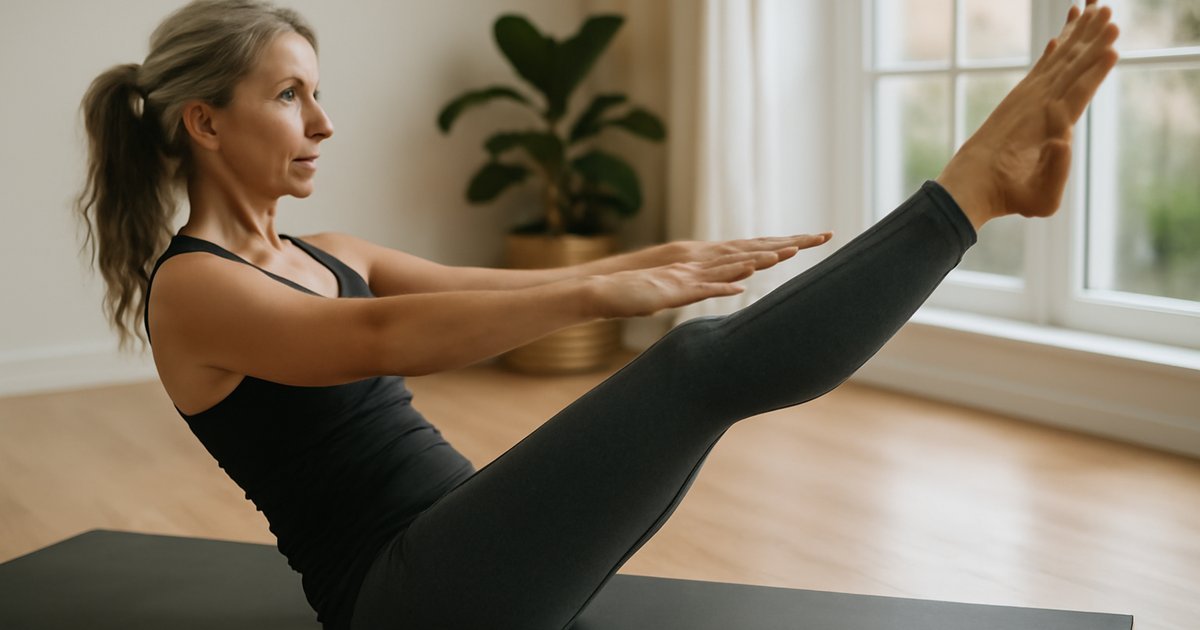
  • Pilates for Adults: Benefits, How to Start & Best Practices

    Pilates for Adults: Benefits, How to Start & Best Practices

    Pilates for Adults: Benefits, How to Start & Best Practices

    Pilates is one of the most evidence-supported low-impact exercise methods for building strength, improving posture, and reducing chronic pain in adults of all fitness levels.

    Introduction

    Margaret, 54, had spent years managing lower back pain that made even a short walk uncomfortable. Her physician had recommended physical therapy, and her therapist introduced her to Pilates. Within three months, Margaret reported significantly less pain, better posture, and — for the first time in years — restful sleep.

    Her experience is far from unique. According to the American College of Sports Medicine, musculoskeletal conditions affecting posture, core stability, and joint mobility rank among the most common complaints in adults between the ages of 40 and 70. And yet, millions of Americans remain unaware that Pilates — a structured, low-impact exercise system — has solid clinical backing for addressing exactly these concerns.

    In this guide, you will learn what Pilates is, how it differs from other forms of exercise, what the research actually says about its benefits, how to get started safely, and how to know when to consult your doctor before beginning. Whether you are brand new to fitness or looking to complement an existing routine, this article will give you the clarity and confidence to move forward.

    What Is Pilates?

    Pilates is a system of controlled, low-impact exercises designed to strengthen the muscles of the core — the deep muscles of the abdomen, back, hips, and pelvis — while improving flexibility, posture, and body awareness. It was developed in the early 20th century by Joseph Pilates and has since evolved into a widely practiced form of rehabilitative and preventive exercise.

    Unlike high-intensity workouts that prioritize speed and load, Pilates emphasizes precision, breathing, and deliberate movement. Each exercise is performed with focused attention on alignment and control, making it suitable for adults across a wide range of fitness levels and physical conditions.

    There are two main formats you will encounter:

    • Mat Pilates: Exercises performed on a padded mat, using only your body weight and occasionally small props like resistance bands or foam rollers.
    • Reformer Pilates: Uses a specialized spring-resistance machine called a reformer to add variable resistance and support to movements.

    According to the NIH National Center for Complementary and Integrative Health, Pilates is practiced by an estimated 9 million Americans annually, with adoption rates growing steadily among adults over 50 seeking injury-safe fitness alternatives.

    Health Benefits of Pilates: What the Research Says

    Pilates has been studied extensively over the past two decades, and the clinical evidence is encouraging — particularly for adults managing chronic pain, poor posture, or age-related muscle loss.

    Core Strength and Spinal Stability

    A 2021 systematic review published in the journal PLOS ONE analyzed 23 randomized controlled trials and found that Pilates training significantly improved core muscle activation and spinal stability in adults with chronic low back pain compared to minimal or no treatment groups.

    Core strength is about more than aesthetics. The core muscles act as a stabilizing framework for your entire spine and pelvis. When these muscles are weak or poorly coordinated, everyday movements — lifting groceries, getting up from a chair, climbing stairs — become harder and riskier.

    Chronic Low Back Pain Relief

    The American Physical Therapy Association recognizes Pilates as a clinically relevant exercise modality for managing chronic nonspecific low back pain. Research suggests that consistent Pilates practice can reduce pain intensity and improve functional disability scores in adults who have struggled with back pain for more than three months.

    This does not mean Pilates replaces medical care. Rather, clinical evidence indicates it works best as a complement to physician-guided treatment, especially when supervised by a certified instructor familiar with physical limitations.

    Posture and Alignment

    Poor posture — often described clinically as postural dysfunction — contributes to neck pain, shoulder tension, headaches, and even digestive discomfort. According to research from Johns Hopkins Medicine, postural problems become increasingly common after age 40 as muscle imbalances develop from sedentary work habits and aging.

    Pilates directly addresses postural imbalances by retraining the neuromuscular patterns that govern how you hold your body. Over time, this can lead to noticeable improvements in how you carry yourself — and how you feel throughout the day.

    Flexibility and Mobility

    Pilates incorporates controlled stretching throughout each session, which research suggests can improve functional range of motion in the spine, hips, and shoulders. For adults experiencing stiffness related to aging or arthritis, improved mobility can translate directly into greater independence and reduced fall risk.

    If fall prevention is a priority for you, you may also find our guide on Balance Training for Adults a helpful companion resource.

    Mental Health and Stress Reduction

    Pilates incorporates mindful breathing and focused attention, which research suggests activates the parasympathetic nervous system — your body’s rest-and-recovery mode. A 2022 clinical study published in the Journal of Bodywork and Movement Therapies found that 12 weeks of Pilates practice significantly reduced self-reported anxiety and improved sleep quality in women aged 40 to 65.

    To understand more about how structured movement impacts mental well-being, see our detailed resource on Exercise for Mental Health.

    Signs You May Especially Benefit from Pilates

    While Pilates can benefit most adults, certain individuals tend to see particularly strong results. Clinical evidence suggests you may be a strong candidate if you experience:

    • Early signs that Pilates may help:
      • Recurring low back stiffness or mild pain after sitting
      • Poor posture noticed by others or visible in photos
      • Limited core endurance — difficulty holding positions without fatigue
      • Mild hip or shoulder tightness
      • General deconditioning after a period of inactivity
      • Post-pregnancy core weakness (cleared by OB-GYN first)
    • Advanced or chronic conditions where Pilates may still help (with medical clearance):
      • Chronic low back pain diagnosed for more than 3 months
      • Osteoporosis or osteopenia (requires specialized modifications)
      • Post-surgical rehabilitation (spine, hip, or knee) — physician approval required
      • Fibromyalgia or chronic pain syndromes
      • Scoliosis — mild to moderate curves (with physical therapist guidance)

    This varies from person to person. Always discuss your specific health history with your physician before starting any new exercise program.

    Causes of Core Weakness and Postural Decline: Why So Many Adults Struggle

    Understanding why core strength declines helps explain why so many adults find Pilates transformative. Several interacting factors contribute to musculoskeletal weakness and postural dysfunction in American adults:

    Sedentary behavior: The CDC reports that fewer than 25% of American adults meet federal physical activity guidelines for both aerobic and muscle-strengthening exercise. Prolonged sitting — averaging 6 to 8 hours per day for most working adults — gradually weakens the postural muscles of the back, hips, and abdomen.

    Age-related muscle loss (sarcopenia): After age 30, adults lose approximately 3 to 8 percent of muscle mass per decade, with that rate accelerating after 60 according to NIH data. Core muscles are not exempt from this process.

    Previous injuries: Unresolved injuries to the lower back, hips, or knees often lead to compensatory movement patterns — the body unconsciously shifts load to uninjured areas — which creates secondary muscle imbalances over time.

    Hormonal changes: In women, menopause-related declines in estrogen contribute to reduced connective tissue elasticity and altered fat distribution, which can affect spinal loading and posture.

    Stress and poor breathing habits: Chronic stress leads to shallow chest breathing and persistent muscle tension, particularly in the neck, shoulders, and hip flexors — areas that Pilates specifically targets.

    How to Get Started with Pilates Safely

    Starting Pilates the right way makes a significant difference in both safety and results. Here is what most physicians and certified instructors recommend:

    Step 1: Get Medical Clearance

    If you are over 40, have any cardiovascular condition, recent surgery, bone density concerns, or chronic pain, speak with your physician before beginning. Pilates is generally safe, but certain movements — such as deep spinal flexion — may need modification for people with osteoporosis or herniated discs.

    Step 2: Choose the Right Format

    Most beginners do best starting with mat Pilates in a small group class or one-on-one with a certified instructor. Look for instructors credentialed through the Pilates Method Alliance (PMA) or those with additional backgrounds in physical therapy or corrective exercise.

    Reformer Pilates offers excellent variety and resistance options, but typically costs more and is best introduced after you have a foundational understanding of Pilates principles.

    Step 3: Start with Fundamentals

    A quality beginner Pilates program should introduce you to:

    • Diaphragmatic breathing — the foundation of all Pilates movement
    • Neutral spine positioning
    • Pelvic floor engagement and core activation
    • The Hundred — a classic breathing and core endurance exercise
    • Roll-ups, leg circles, and single-leg stretches — foundational mat exercises

    Step 4: Build Gradually

    Most physicians and exercise physiologists recommend beginning with 2 sessions per week and progressing to 3 to 4 sessions weekly as your endurance and technique improve. Clinical research suggests meaningful improvements in core strength and pain reduction become noticeable after 6 to 8 weeks of consistent practice.

    Step 5: Complement with Other Movement

    Pilates is an excellent complement to other forms of exercise, not necessarily a replacement. Many adults combine Pilates with walking, swimming, or resistance training. If you are interested in other low-impact options, our guide on Low-Impact Exercise for Joint Health offers additional evidence-based strategies.

    Living with a Pilates Practice: Day-to-Day Tips

    Consistency is what produces lasting results. Here are practical strategies to make Pilates a sustainable part of your life:

    • Schedule it like a doctor’s appointment. Block your Pilates sessions in your calendar. Adults who treat exercise as a non-negotiable appointment are significantly more consistent, according to behavioral research from Harvard Health.
    • Use a dedicated space at home. Even a yoga mat and enough floor space to lie down flat is sufficient for mat Pilates. Removing friction from your environment increases follow-through.
    • Listen to your body — but do not confuse discomfort with harm. Mild muscle fatigue during and after Pilates is normal and expected. Sharp, stabbing, or joint pain is a signal to stop and consult your instructor or physician.
    • Track your progress. Keeping a simple log of which exercises you completed and how they felt helps you recognize improvement and stay motivated.
    • Communicate with your instructor. A good Pilates instructor will modify exercises based on your individual needs. Never hesitate to speak up about pain or limitations.

    When to Call Your Doctor: Red Flags to Watch For

    While Pilates is safe for most adults, certain symptoms during or after exercise require prompt medical attention:

    Seek emergency care immediately if you experience:

    • Chest pain, pressure, or tightness during exercise
    • Sudden shortness of breath not explained by exertion
    • Dizziness, fainting, or near-fainting
    • Sudden severe back pain with numbness or tingling in the legs
    • Loss of bladder or bowel control following a movement

    Schedule a doctor visit soon if you notice:

    • New or worsening back or hip pain that does not improve after 48 to 72 hours of rest
    • Persistent numbness or weakness in an arm or leg
    • Significant swelling in a joint following exercise
    • Pain that consistently worsens with Pilates movements despite proper technique

    What to tell your doctor: Bring a list of your current symptoms, how long they have lasted, and which specific movements seem to trigger or worsen them. This gives your physician the context needed to make informed recommendations.

    Frequently Asked Questions About Pilates for Adults

    Is Pilates effective for weight loss?
    Pilates can support healthy weight management as part of a broader active lifestyle, but it is not primarily a calorie-burning workout in the way that aerobic exercise is. Research suggests Pilates is most impactful for body composition when combined with regular cardiovascular activity and a balanced diet. Its greatest contribution to weight-related health is building lean muscle mass and improving movement efficiency.

    Can I do Pilates if I have osteoporosis?
    Most physicians and physical therapists say yes — with important modifications. Certain movements, particularly those involving deep forward bending of the spine, are contraindicated for people with significant bone density loss. A Pilates instructor trained in osteoporosis modifications can safely design a program around your needs. Always obtain clearance from your physician and inform your instructor of your diagnosis.

    How is Pilates different from yoga?
    Both are mind-body practices that emphasize controlled movement and breathing, but they differ in origin and primary focus. Pilates is more systematically focused on core strength, postural alignment, and rehabilitation. Yoga encompasses a broader spiritual and meditative tradition and places greater emphasis on flexibility and balance postures. Many adults benefit from practicing both. For more on yoga, see our guide on Yoga for Adults.

    How many times per week should I do Pilates to see results?
    Clinical research and most certified instructors recommend a minimum of 2 to 3 sessions per week for measurable improvements in core strength, posture, and pain reduction. Most adults begin noticing changes in body awareness and mild pain reduction within 4 to 6 weeks, with more significant changes appearing by weeks 8 to 12.

    Is Pilates safe during pregnancy?
    Prenatal Pilates, taught by instructors trained in pregnancy modifications, is generally considered safe and beneficial — but only after clearance from your OB-GYN or midwife. Standard Pilates classes are not appropriate during pregnancy without significant modifications, particularly exercises performed on the back after the first trimester.

    Conclusion

    Pilates is far more than a trend. It is a clinically supported, low-impact exercise system with meaningful evidence behind its ability to strengthen the core, reduce chronic back pain, improve posture, and support mental well-being in adults of all ages and fitness levels.

    Whether you are recovering from an injury, managing a chronic condition, or simply looking for a sustainable and effective way to stay strong as you age, Pilates offers a practical path forward — one that meets you where you are and grows with you over time.

    Start slowly, work with a qualified instructor, and always keep your physician in the loop. With consistency and the right guidance, Pilates can become one of the most rewarding investments you make in your long-term health.

    This article is for informational and educational purposes only. It does not constitute medical advice, diagnosis, or treatment. Always consult your physician or a qualified healthcare provider before making changes to your health routine or treatment plan.

    Medically reviewed by our editorial health team. Content follows evidence-based standards aligned with CDC and NIH guidelines.
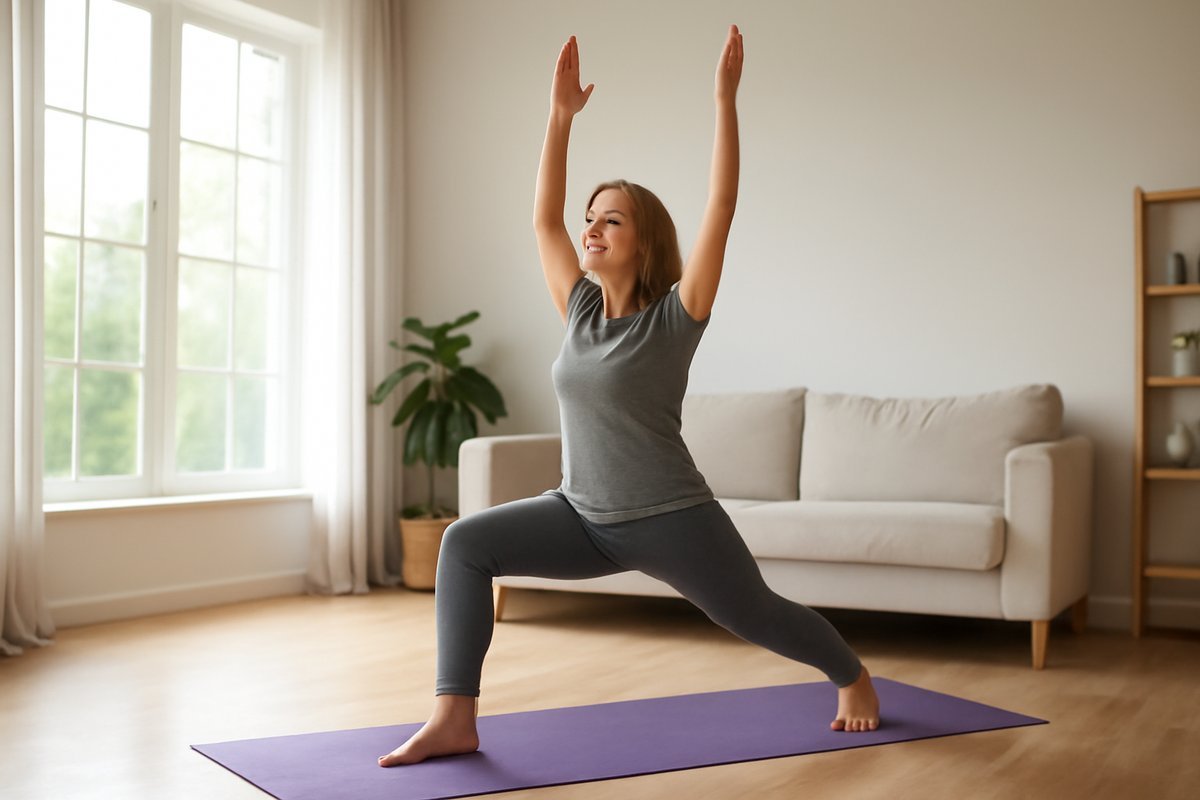

  • Yoga for Adults: Benefits, Tips & How to Get Started

    Yoga for Adults: Benefits, Tips & How to Get Started

    From improved flexibility to lower blood pressure, yoga offers one of the most well-researched combinations of physical and mental health benefits available to adults today.

    Why Yoga Belongs in Your Fitness Routine

    When David, 54, was told by his cardiologist that chronic stress was contributing to his elevated blood pressure, he expected to hear the usual advice: exercise more, eat better, cut sodium. What surprised him was the specific recommendation — try yoga.

    It might sound unconventional, but the science behind that suggestion is solid. According to the National Institutes of Health, yoga is one of the most widely practiced complementary health approaches in the United States, with over 21 million adults incorporating it into their wellness routines. And that number has been climbing steadily, particularly among adults aged 40 and older who are managing chronic conditions or looking for a sustainable, joint-friendly fitness option.

    This guide will walk you through exactly what yoga is, what clinical research says about its benefits, how to get started safely, and what to watch out for — especially if you’re managing a health condition. Whether you’re completely new to yoga or thinking about returning to the mat after years away, you’ll find practical, evidence-based guidance here.

    What Is Yoga, Exactly?

    Yoga is a mind-body practice that originated in ancient India and has evolved over thousands of years into many distinct styles. In a clinical and fitness context, yoga typically refers to a combination of physical postures (called asanas), controlled breathing techniques (pranayama), and mindfulness or meditation components.

    Modern Western yoga has adapted these traditions into structured classes and programs that range from gentle, chair-based sessions for older adults to vigorous, heat-driven practices like hot yoga or power yoga. This diversity is one of yoga’s greatest strengths — there is a style appropriate for virtually every fitness level, age, and physical condition.

    The CDC recognizes yoga as a form of muscle-strengthening activity, and it qualifies under certain styles as moderate-intensity aerobic activity as well. This means that, depending on the practice, yoga can help you meet the federal physical activity guidelines for both aerobic exercise and muscle strengthening — all within a single session.

    Key yoga styles relevant for US adults include:

    • Hatha yoga: Slow-paced, foundational; ideal for beginners
    • Vinyasa yoga: Flowing sequences linked to breath; moderate intensity
    • Iyengar yoga: Precision-focused, uses props; great for those with injuries or mobility issues
    • Restorative yoga: Deeply passive, stress-relieving; supported postures held for minutes
    • Chair yoga: Seated or standing near a chair; excellent for older adults or those with balance concerns

    Clinically Proven Health Benefits of Yoga

    Yoga has been the subject of hundreds of peer-reviewed studies over the past two decades, and the evidence base is stronger than many people realize. Here’s what clinical research actually shows across key health areas.

    Cardiovascular Health

    A 2021 meta-analysis published in the European Journal of Preventive Cardiology found that yoga was associated with significant reductions in blood pressure, LDL cholesterol (the "bad" cholesterol), and resting heart rate compared to no exercise. These findings held across multiple yoga styles and age groups, suggesting the benefits are broadly applicable.

    For adults managing hypertension — a condition affecting nearly half of all US adults, according to the CDC — yoga can serve as a meaningful complement to medical treatment. It is not a replacement for prescribed medications, but research suggests it enhances the overall treatment picture.

    Flexibility, Balance, and Fall Prevention

    Decreased flexibility and poor balance are among the leading contributors to falls in adults over 65 — and falls are the leading cause of injury-related death in that age group, according to the CDC. Clinical evidence indicates that regular yoga practice meaningfully improves both static and dynamic balance, as well as range of motion in major joints including the hips, spine, and shoulders.

    If fall prevention and balance are specific concerns for you, our detailed guide on Balance Training for Adults offers complementary strategies that pair well with yoga practice.

    Mental Health and Stress Reduction

    The NIH’s National Center for Complementary and Integrative Health (NCCIH) cites strong evidence that yoga reduces perceived stress and anxiety. The mechanism involves the activation of the parasympathetic nervous system — essentially the body’s "rest and digest" response — through controlled breathing and mindful movement. Cortisol levels (the primary stress hormone) have been shown to decrease measurably following yoga sessions in multiple controlled trials.

    For adults dealing with anxiety or depression alongside physical health concerns, our guide on Exercise for Mental Health provides a broader framework for how physical activity supports psychological well-being.

    Chronic Pain Management

    Multiple randomized controlled trials have examined yoga’s effect on chronic low back pain, arthritis pain, and fibromyalgia. A 2017 clinical guideline from the American College of Physicians listed yoga (specifically mind-body exercise) among the recommended first-line, non-pharmacologic treatments for chronic low back pain — a significant endorsement from a mainstream medical authority.

    Blood Sugar Regulation

    Research suggests yoga may improve insulin sensitivity and assist with glycemic control in adults with type 2 diabetes or prediabetes. While yoga should always be used alongside — never instead of — prescribed diabetes management, the American Diabetes Association acknowledges that structured physical activity including yoga-style movement contributes to improved metabolic outcomes.

    Who Should (and Shouldn’t) Do Yoga: Risk Factors and Precautions

    Yoga is generally considered one of the safest forms of exercise for adults, but "generally safe" does not mean "universally appropriate without modification." This varies from person to person, and certain conditions require extra attention.

    You should consult your physician before starting yoga if you have:

    • Recent surgery or joint replacement (especially hip or knee)
    • Osteoporosis or low bone density (certain spinal flexion poses carry fracture risk)
    • Uncontrolled high blood pressure (inversions like headstands should be avoided)
    • Glaucoma (inversions increase intraocular pressure)
    • A history of blood clots or deep vein thrombosis
    • Pregnancy (specialized prenatal yoga is appropriate; standard classes may not be)
    • Severe balance impairment or vestibular disorders

    For most adults, including those with well-managed chronic conditions, yoga can be modified safely under the guidance of a qualified instructor and with awareness from your healthcare provider.

    Getting Started: A Practical Step-by-Step Guide

    Starting yoga doesn’t require flexibility, a gym membership, or any prior experience. Here’s how to approach it practically and safely.

    Step 1: Talk to Your Doctor First

    Especially if you’re over 50 or managing a chronic condition, a brief conversation with your physician before starting any new exercise program is always the right first step. Mention that you’re interested in yoga and note any physical limitations so your doctor can advise on posture modifications if needed.

    Step 2: Choose the Right Style

    For most beginners — particularly those over 40 or with limited prior exercise history — Hatha or Gentle yoga classes are the recommended starting point. These move slowly enough to learn proper form without overwhelming your joints or cardiovascular system. Chair yoga is an excellent option if mobility or balance is a concern.

    Step 3: Start With Instruction, Not Solo Practice

    Research suggests that learning yoga postures without proper instruction significantly increases injury risk. Many community recreation centers, YMCAs, and hospital wellness programs offer beginner yoga classes at low cost. Online platforms like those partnered with certified yoga therapists can also provide structured guidance. Look for instructors certified through the Yoga Alliance (RYT-200 or higher), and ideally those with additional training in therapeutic or adaptive yoga.

    Step 4: Equip Yourself Minimally

    You don’t need much: a non-slip yoga mat, comfortable clothing that allows movement, and possibly two yoga blocks and a strap for modifications. These props are not optional extras — they are the tools that allow proper form when your flexibility is still developing.

    Step 5: Start Small and Build Consistently

    Even two to three 20-30 minute sessions per week produce measurable benefits, according to clinical literature. The key is consistency over intensity. Starting at two sessions per week and gradually building to three to five is a sensible, evidence-supported progression for most adults.

    Building a Sustainable Yoga Routine: Tips for Long-Term Success

    The biggest predictor of yoga’s benefits isn’t which style you choose or how flexible you become — it’s whether you continue practicing over weeks and months. Here’s how to make that happen.

    • Schedule it like a medical appointment: Treat your yoga sessions as non-negotiable commitments rather than optional additions to your day.
    • Combine it with complementary practices: Yoga pairs especially well with walking, strength training, and structured recovery work. Our guide on Exercise Recovery explains how to structure rest and recovery alongside an active routine.
    • Track your progress beyond flexibility: Note changes in sleep quality, stress levels, blood pressure readings, and energy — these often improve before visible physical changes appear.
    • Modify, never push through pain: Discomfort from working new muscle groups is normal; sharp, stabbing, or joint pain is not. Always back off when something hurts.
    • Join a community: Group yoga classes, even online, create social accountability that significantly improves long-term adherence.

    When to Call Your Doctor or Seek Emergency Care

    Yoga is low-risk, but like any physical activity, certain warning signs during or after practice require prompt medical attention.

    Stop immediately and call 911 or go to the emergency room if you experience:

    • Chest pain, tightness, or pressure during or after a session
    • Sudden shortness of breath that doesn’t resolve with rest
    • Dizziness, loss of consciousness, or near-fainting
    • Sudden severe headache (especially after an inversion)
    • Numbness or tingling that radiates down an arm or leg

    Contact your doctor (non-emergency) if you notice:

    • Persistent joint pain that lasts more than 48 hours after practice
    • New or worsening back pain that coincides with your yoga practice
    • Unusual fatigue or muscle weakness that doesn’t improve with rest
    • Any symptom that feels new, concerning, or out of the ordinary for you

    Frequently Asked Questions About Yoga for Adults

    Do I need to be flexible to start yoga?

    No — and this is one of the most persistent misconceptions about yoga. Flexibility is a result of consistent yoga practice, not a prerequisite. Beginners are expected to work with their current range of motion, and a skilled instructor will guide modifications for every posture. Starting inflexible is completely normal and universally manageable with the right approach.

    How quickly will I see health benefits from yoga?

    Research suggests that measurable improvements in stress, sleep quality, and mood can appear within four to eight weeks of regular practice (two to three sessions per week). Physical changes like improved flexibility and balance often take eight to twelve weeks to become noticeable. Cardiovascular markers like blood pressure may show improvement within three months when yoga is practiced consistently alongside other healthy behaviors.

    Is yoga safe if I have arthritis?

    Clinical evidence generally supports gentle yoga as safe and beneficial for most types of arthritis, including osteoarthritis and rheumatoid arthritis. A 2019 review in the journal Current Reviews in Musculoskeletal Medicine found yoga reduced pain and improved function in arthritis patients. However, you should always consult your rheumatologist or orthopedic physician before starting, and seek out instructors experienced in adaptive or therapeutic yoga.

    Can yoga replace other forms of exercise?

    For most adults, yoga works best as part of a diverse fitness routine rather than as a sole exercise practice. Vigorous vinyasa or power yoga can serve as moderate-intensity aerobic activity, but most yoga styles do not fully replace the cardiovascular benefits of sustained aerobic exercise like brisk walking or swimming. Most physicians recommend combining yoga with aerobic activity and, where appropriate, resistance training for comprehensive fitness.

    Is hot yoga safe for older adults?

    Hot yoga (practiced in rooms heated to 95-105°F) carries additional risks for older adults and those with cardiovascular conditions, including dehydration, heat exhaustion, and heart rate spikes. The American Heart Association advises caution with hot yoga for anyone with heart disease, uncontrolled blood pressure, or heat sensitivity disorders. If you’re interested in hot yoga and fall into these categories, discuss it with your cardiologist first.

    The Bottom Line on Yoga for Adult Health

    Yoga stands out among fitness options because it simultaneously addresses multiple dimensions of health — physical strength, flexibility, balance, cardiovascular function, and mental well-being — through a single, adaptable practice. The clinical evidence supporting its benefits is robust and growing, and its accessibility across age groups and fitness levels makes it uniquely practical for adults managing busy lives or complex health pictures.

    You don’t need to be young, flexible, or athletic to benefit from yoga. You need consistency, appropriate instruction, and the willingness to start where you are. Talk to your doctor, find a qualified instructor, and give yourself the time to experience what the research has repeatedly confirmed: a regular yoga practice, sustained over months, delivers meaningful and measurable health benefits.

    Start with one class. Build from there. Your future self — and your physician — will likely be glad you did.


    Medical Disclaimer: This article is for informational and educational purposes only. It does not constitute medical advice, diagnosis, or treatment. Always consult your physician or a qualified healthcare provider before making changes to your health routine or treatment plan.

    Medically reviewed by our editorial health team. Content follows evidence-based standards aligned with CDC and NIH guidelines.
  • Swimming for Fitness: Benefits, Tips & Getting Started

    Swimming for Fitness: Benefits, Tips & Getting Started

    Swimming is one of the most complete forms of exercise available — and one of the most underused by adults who need it most.

    Introduction

    Mark, 54, had spent years dealing with chronic knee pain that made running feel impossible and even brisk walking uncomfortable. His cardiologist wanted him moving more, but every workout he tried left him wincing. Then a physical therapist suggested swimming — and within eight weeks, Mark had dropped 11 pounds, his resting heart rate had improved, and his knee pain was manageable for the first time in years.

    Mark’s story is far from unusual. According to the CDC, swimming is the fourth most popular recreational activity in the United States, yet millions of adults overlook it as a structured fitness strategy. That’s a missed opportunity — because swimming for fitness delivers cardiovascular, musculoskeletal, and mental health benefits that few land-based exercises can match.

    In this guide, you’ll learn exactly what makes swimming so effective, how to get started safely, what the research says about its health benefits, and how to build a swim routine that works for your body and your goals.

    What Is Swimming as a Fitness Activity?

    When we talk about swimming for fitness, we mean structured aquatic exercise performed at a level of intensity that meaningfully challenges your cardiovascular system, muscles, and endurance. This goes beyond a casual splash in the pool — it includes lap swimming, water aerobics, interval training in the water, and structured stroke-based workouts.

    Swimming is what exercise physiologists call a “full-body, low-impact, aerobic activity.” That means it engages nearly every major muscle group simultaneously — arms, legs, core, back, shoulders — while the buoyancy of water dramatically reduces the stress placed on your joints.

    According to the American College of Sports Medicine, water-based exercise qualifies as moderate-to-vigorous aerobic activity, fully meeting the physical activity guidelines set by the U.S. Department of Health and Human Services, which recommend at least 150 minutes of moderate aerobic activity per week for adults.

    In the United States, an estimated 27 million adults swim regularly for exercise, according to data from the Sports & Fitness Industry Association. Yet many more could benefit — especially adults managing joint pain, cardiovascular conditions, obesity, or age-related loss of muscle and flexibility.

    Health Benefits of Swimming: What the Evidence Shows

    Swimming is not just a feel-good workout. Clinical research has consistently linked regular swimming to measurable improvements across multiple health markers.

    Cardiovascular Health

    A landmark study published in the International Journal of Aquatic Research and Education found that swimmers had a 41% lower risk of all-cause mortality and a 37% lower risk of cardiovascular disease mortality compared to sedentary individuals. Research suggests that swimming improves heart function, reduces resting heart rate, lowers blood pressure, and improves circulation — outcomes comparable to running, without the joint stress.

    The American Heart Association recognizes swimming as a heart-healthy aerobic activity, particularly valuable for adults who are unable to tolerate high-impact exercise due to arthritis, obesity, or musculoskeletal injury.

    Muscle Strength and Tone

    Water is approximately 800 times denser than air. That density creates natural resistance against every movement you make in the pool, meaning your muscles work harder with every stroke, kick, and turn. Clinical evidence indicates that regular lap swimming builds muscular endurance and functional strength in the upper body, core, and lower extremities — without requiring weights or resistance machines.

    Weight Management

    Swimming burns a substantial number of calories. A 155-pound person burns approximately 400–500 calories per hour of moderate freestyle swimming, according to estimates from Harvard Health. More vigorous strokes like butterfly or competitive lap intervals can push that figure higher. Research also suggests that swimming may support appetite regulation differently than land-based exercise, though individual responses vary.

    Joint and Arthritis Relief

    The Arthritis Foundation has long promoted aquatic exercise as one of the safest, most effective forms of physical activity for people with osteoarthritis or rheumatoid arthritis. The buoyancy of water reduces the effective weight on your joints by up to 90%, allowing range of motion and muscle engagement without the pain triggered by weight-bearing activity. If joint health is a concern, you may also want to review our guide on Low-Impact Exercise for Joint Health for complementary strategies.

    Mental Health and Stress Reduction

    A growing body of research supports what regular swimmers have long known: being in the water feels good. A 2024 review published in the International Journal of Environmental Research and Public Health found that aquatic exercise significantly reduced symptoms of anxiety and depression in adults across multiple age groups. The rhythmic, meditative quality of lap swimming — breath control, stroke repetition, sensory immersion — may activate the parasympathetic nervous system, promoting relaxation and focus. For more on how exercise supports mental health, see our article on Exercise for Mental Health: Your Guide to Well-being.

    Common Swimming Strokes and What They Target

    Different swim strokes offer different fitness benefits. Understanding this helps you build a more purposeful workout.

    • Freestyle (Front Crawl): The most efficient stroke for cardiovascular conditioning and calorie burn. Primarily works the shoulders, triceps, lats, and core. Ideal for endurance training.
    • Backstroke: Gentler on the neck and shoulders, great for posture and upper back strengthening. Easier for beginners to learn breathing rhythm.
    • Breaststroke: A slower, more deliberate stroke that emphasizes the chest, inner thighs, and hip flexors. Often recommended for older adults or those with shoulder injuries.
    • Butterfly: The most demanding stroke — high calorie burn, intense core and upper body engagement. Best for experienced swimmers seeking intensity.
    • Water Aerobics / Aqua Jogging: Non-lap aquatic exercise performed in shallow or deep water. Excellent for those new to the pool or recovering from injury. Research suggests it provides cardiovascular and muscular benefits comparable to land-based aerobics.

    Getting Started: A Safe and Practical Plan

    If you haven’t swum regularly in years — or ever — starting gradually is key. Most physicians and certified aquatic fitness specialists recommend the following approach.

    Before You Begin

    Talk to your doctor first, especially if you have a cardiovascular condition, uncontrolled blood pressure, epilepsy, or a recent surgery. Swimming is generally very safe, but your provider may have specific recommendations based on your health history.

    Week 1–2: Orientation

    Start with two sessions per week, 20–25 minutes each. Alternate lengths with rest. Focus on feeling comfortable in the water and on basic breathing technique rather than speed or distance. If lap swimming feels daunting, water aerobics classes are an excellent and social entry point.

    Week 3–4: Building Consistency

    Move to three sessions per week, 25–30 minutes. Begin alternating between freestyle and breaststroke to work different muscle groups. Introduce a brief warm-up (2 easy laps) and cool-down (2 easy laps) around your main set.

    Month 2 and Beyond: Progressive Overload

    Clinical evidence indicates that progressive overload — gradually increasing the duration, distance, or intensity of your sessions — is the key driver of continued improvement. Aim for 3–4 sessions per week, 30–45 minutes each. You can introduce simple interval sets, such as swimming one length fast, one length easy, and repeating.

    Many community pools, YMCAs, and fitness centers across the U.S. offer structured adult swim programs and water aerobics classes that provide built-in progression and coaching support.

    Swimming and Specific Health Conditions

    Swimming has demonstrated particular value for adults managing the following conditions:

    • Type 2 Diabetes: The American Diabetes Association notes that aerobic exercise like swimming helps improve insulin sensitivity and blood glucose control. A 30-minute swim session can meaningfully lower blood sugar levels for hours afterward — though monitoring is essential for those on insulin or certain medications.
    • Hypertension (High Blood Pressure): Research published in the American Journal of Hypertension found that adults with prehypertension or mild hypertension who swam regularly for 12 weeks experienced significant reductions in systolic blood pressure.
    • Osteoporosis: While swimming is excellent for muscle and cardiovascular health, it is not a weight-bearing exercise and therefore provides less direct benefit for bone density than walking or resistance training. Most physicians recommend combining swimming with weight-bearing activities for complete bone health. You can learn more in our article on Exercise for Strong Bones: Preventing Osteoporosis.
    • Chronic Back Pain: The low-impact nature of swimming makes it one of the most commonly recommended forms of exercise for adults with lumbar pain. The water supports the spine while allowing movement and strengthening of the core and postural muscles.
    • Asthma: Clinical evidence suggests that swimming may actually be beneficial for people with exercise-induced asthma, as the warm, humid air above the water is less likely to trigger bronchospasm than cold, dry air during outdoor running. Always discuss exercise plans with your pulmonologist if you have asthma.

    Common Mistakes to Avoid

    Even committed swimmers can undermine their progress with avoidable errors.

    • Skipping warm-up and cool-down: Cold muscles are more injury-prone. Begin and end each session with easy, slow laps.
    • Ignoring stroke technique: Poor technique reduces efficiency and increases shoulder and neck strain. If you’re serious about swimming for fitness, even one session with a certified swim coach can dramatically improve your form and comfort.
    • Not hydrating: You sweat in the pool — you just don’t feel it. Dehydration during aquatic exercise is common and often underestimated. Drink water before and after every session.
    • Overtraining early: It’s easy to feel so good in the water that you overdo it in your first weeks. Muscle soreness — especially in the rotator cuff — is common in new swimmers who progress too fast.
    • Relying solely on swimming for bone health: As noted above, pair swimming with weight-bearing or resistance exercise for complete musculoskeletal health.

    When to Call Your Doctor or Seek Immediate Help

    Swimming is exceptionally safe for most adults, but there are situations where you should pause your workout and seek medical evaluation.

    Stop exercising and call 911 or go to the ER immediately if you experience:

    • Chest pain, pressure, or tightness during or after swimming
    • Sudden shortness of breath that does not resolve with rest
    • Dizziness, fainting, or near-fainting
    • Rapid or irregular heartbeat that does not calm down quickly
    • Sudden weakness or numbness in an arm or leg

    Schedule a prompt appointment with your doctor if you notice:

    • Persistent shoulder, neck, or knee pain that worsens with swimming
    • Ear pain, discharge, or hearing changes (swimmer’s ear is common and treatable)
    • Skin rashes or eye irritation that don’t resolve (possible pool chemical sensitivity)
    • Unusual fatigue or breathlessness at exertion levels that previously felt manageable

    Frequently Asked Questions

    How many times per week should I swim for meaningful health benefits?
    Most physicians and exercise physiologists recommend at least three sessions per week of moderate-intensity swimming (25–45 minutes each) to meet the 150-minute-per-week aerobic activity guideline. This varies from person to person based on starting fitness level and health goals.

    Is swimming better than walking for weight loss?
    Both are excellent. Swimming generally burns more calories per hour than walking at a moderate pace, and it builds upper body muscle that walking does not. However, walking is weight-bearing and has advantages for bone density. Many health experts recommend combining both for optimal outcomes. For more on walking benefits, see our Walking for Weight Loss guide.

    Can swimming help reduce blood pressure?
    Research suggests yes. Regular aerobic swimming has been shown to lower systolic blood pressure in adults with prehypertension. However, it should complement — not replace — medications or other treatments prescribed by your physician.

    I haven’t swum since high school. Is it too late to start?
    Absolutely not. Adults in their 50s, 60s, and 70s regularly take up swimming for the first time as a fitness activity. Many community pools offer adult beginner swim lessons specifically designed for this group. Skills come back faster than most people expect.

    Is chlorinated pool water safe for regular swimmers?
    For most adults, yes. The FDA and CDC consider properly maintained chlorinated pools safe for regular use. Protective goggles can reduce eye irritation. Those with chlorine sensitivity may consider saltwater pools, which use lower chlorine levels. Discuss any concerns with your physician, particularly if you have respiratory sensitivities.

    Conclusion

    Swimming offers something rare in the fitness world: a workout that is simultaneously demanding and gentle, effective and accessible, suitable for a 35-year-old athlete and a 68-year-old with two replaced knees. The evidence is clear — regular swimming improves cardiovascular health, builds functional strength, supports weight management, reduces joint pain, and even benefits mental well-being.

    Getting started doesn’t require elite skill or expensive equipment. It requires a pool, a commitment to consistency, and a conversation with your healthcare provider to make sure your plan fits your individual health picture.

    You don’t have to be a competitive swimmer to get competitive health results. You just have to get in the water.


    Medical Disclaimer: This article is for informational and educational purposes only. It does not constitute medical advice, diagnosis, or treatment. Always consult your physician or a qualified healthcare provider before making changes to your health routine or treatment plan.

    Medically reviewed by our editorial health team. Content follows evidence-based standards aligned with CDC and NIH guidelines.
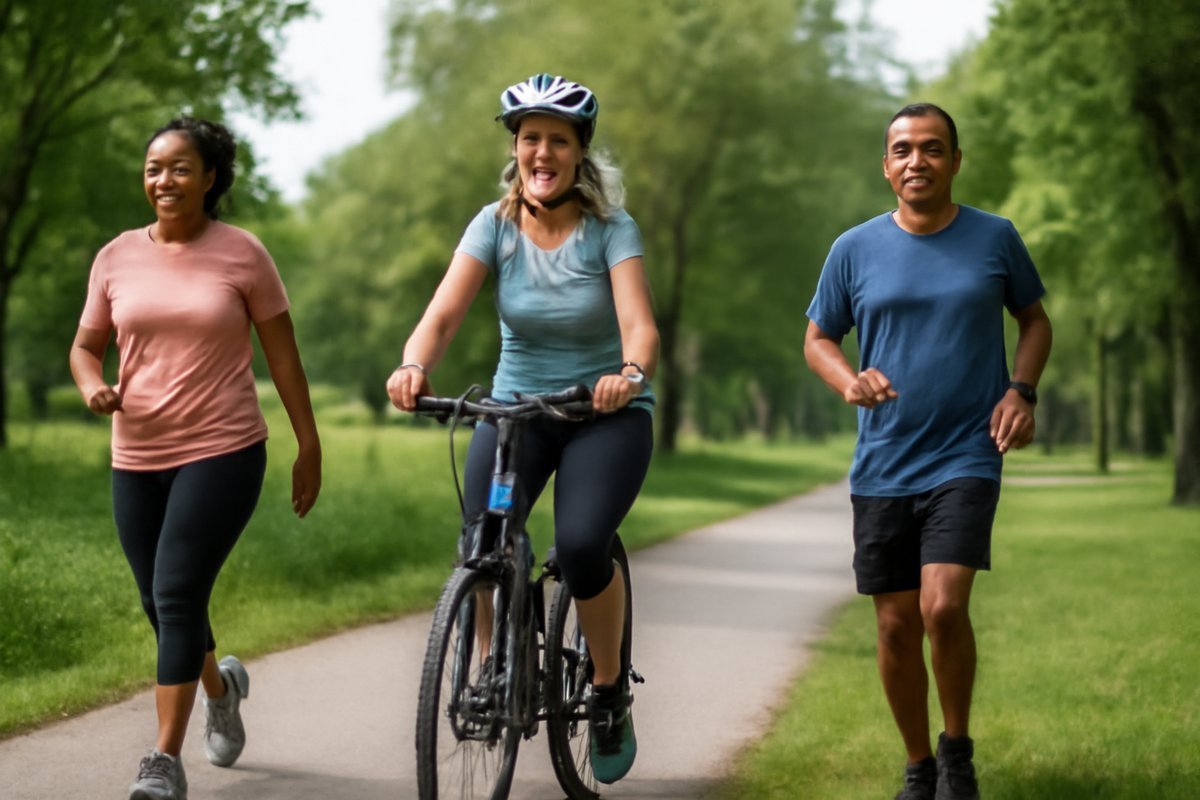
  • Endurance Training: Your Guide to Health & Longevity

    Endurance Training: Your Guide to Health & Longevity

    Unlock sustained energy, a stronger heart, and improved well-being with consistent endurance training.

    Sarah, 58, found herself increasingly winded during her morning walks. What was once a refreshing stroll became a struggle, leaving her feeling frustrated and less energetic throughout the day. She wondered if this was just a normal part of aging or if there was something she could do to regain her stamina.

    Her experience is not uncommon. Many adults, particularly those over 40, notice a gradual decline in their physical endurance, impacting everything from daily tasks to enjoying hobbies. According to recent data from the CDC, only about 20% of American adults consistently meet the recommended physical activity guidelines for both aerobic and strength activities.

    This comprehensive guide will walk you through the world of endurance training, explaining what it is, why it’s crucial for your health and longevity, and how you can safely incorporate it into your routine. You’ll learn about different types of training, how to assess your current fitness level, and when it’s essential to consult your doctor. Prepare to reclaim your energy and vitality.

    What Is Endurance Training?

    Endurance training, often referred to as aerobic exercise, is any physical activity that increases your heart rate and breathing for a sustained period. It’s about your body’s ability to continue performing a physical task without excessive fatigue. This type of training primarily targets your cardiovascular and respiratory systems, enhancing their efficiency.

    Think of it as training your heart, lungs, and blood vessels to deliver oxygen and nutrients more effectively to your working muscles. This improved efficiency allows you to sustain activities longer, whether it’s climbing stairs, hiking, or playing with grandchildren.

    This form of exercise is distinct from strength training, which focuses on muscle power, or flexibility training, which improves range of motion. While all are important, endurance training is the cornerstone for overall cardiovascular health and stamina. As mentioned, only about 20% of American adults meet the recommended physical activity guidelines, highlighting a significant opportunity for many to boost their endurance.

    Why Is Endurance Important for Adults?

    Maintaining good endurance offers a wealth of benefits that directly contribute to a higher quality of life and reduced risk of chronic diseases as you age. It’s not just about running a marathon; it’s about having the energy for everyday activities and thriving.

    Cardiovascular Health: Endurance training strengthens your heart muscle, allowing it to pump blood more efficiently. This can lead to a lower resting heart rate, reduced blood pressure, and improved cholesterol levels. The American Heart Association (AHA) consistently highlights aerobic exercise as a key factor in preventing heart disease, the leading cause of death in the United States.

    Improved Lung Function: Regular aerobic activity enhances your lung capacity and efficiency, meaning your body can take in and utilize oxygen more effectively. This translates to less shortness of breath during exertion.

    Enhanced Energy Levels: Contrary to what you might think, exercising when you’re tired can actually boost your energy. Consistent endurance training improves your stamina, making you less fatigued throughout the day and better able to handle physical and mental stressors.

    Better Sleep Quality: Engaging in moderate endurance exercise can help regulate your sleep patterns, leading to deeper, more restorative sleep. However, avoid intense exercise too close to bedtime.

    Cognitive Benefits: Research suggests a strong link between physical activity and brain health. Endurance training can improve blood flow to the brain, which may enhance memory, focus, and overall cognitive function. A landmark study published in the Journal of the American Medical Association (JAMA) once highlighted a strong inverse relationship between cardiorespiratory fitness and all-cause mortality, underscoring its critical role in longevity.

    Weight Management: Aerobic exercise burns calories and can help maintain a healthy weight, which in turn reduces the risk of obesity-related conditions like Type 2 diabetes and certain cancers.

    The specific benefits you experience can vary based on your starting fitness level, consistency, and genetic predisposition. Nevertheless, the overarching impact on health is universally positive.

    Factors Influencing Your Endurance

    Your ability to sustain physical activity is a complex interplay of various factors. Understanding these can help you tailor your training and set realistic expectations.

    Age: It’s a natural physiological process for endurance to decline with age. Maximal oxygen uptake (VO2 max), a key measure of aerobic endurance, typically decreases. However, research from the National Institutes of Health (NIH) has shown that while VO2 max declines by about 10% per decade after the age of 30, consistent training can significantly slow this rate, sometimes by as much as 50%.

    Genetics: Your genetic makeup plays a role in your inherent athletic potential and how your body responds to training. Some individuals are naturally predisposed to higher endurance levels.

    Lifestyle: A sedentary lifestyle is perhaps the most significant detrimental factor. Lack of regular physical activity directly leads to deconditioning of your cardiovascular and muscular systems. Conversely, an active lifestyle builds and maintains endurance.

    Underlying Health Conditions: Chronic conditions such as heart disease, diabetes, asthma, or anemia can directly impact your endurance. Managing these conditions effectively with your doctor’s guidance is crucial for improving your exercise capacity.

    Nutrition and Hydration: Your body needs adequate fuel (carbohydrates, healthy fats, protein) and water to perform and recover. Dehydration can significantly impair performance and lead to fatigue.

    Sleep Quality: Insufficient or poor-quality sleep hinders your body’s ability to repair and adapt to exercise, directly affecting your energy levels and endurance during your next workout.

    Environmental Factors: Altitude, temperature, and humidity can all affect your body’s ability to perform. Exercising in extreme conditions requires extra caution and adaptation.

    While some factors like genetics and age are largely fixed, many others, particularly lifestyle choices, are within your control and offer significant opportunities for improvement.

    Assessing Your Current Endurance Levels

    Before you embark on an endurance training program, it’s beneficial to have an idea of your current fitness level. This helps in setting appropriate goals, tracking progress, and ensuring safety. Remember, always consult your doctor before starting any new exercise regimen, especially if you have pre-existing health conditions or are over 40 and have been largely inactive.

    Self-Assessments:

    • The Talk Test: This simple test helps gauge exercise intensity. If you can comfortably talk but can’t sing during exercise, you’re likely at a moderate intensity. If you can only say a few words at a time, you’re at a vigorous intensity. If you can sing, you might need to pick up the pace.
    • Walking Tests: Timed walking tests, such as seeing how far you can walk in 6 or 12 minutes on a flat surface, can provide a baseline for your cardiovascular fitness.
    • One-Mile Walk Test: Walk one mile as quickly as possible without running. Record your time and heart rate immediately afterward. This data can be compared to normative values to estimate your fitness level.

    Professional Assessments:

    • VO2 Max Testing: This is the gold standard for measuring aerobic capacity. Performed in a lab setting, it involves exercising on a treadmill or bike while your oxygen consumption and carbon dioxide production are measured.
    • Stress Tests: Often performed in a doctor’s office or clinic, a stress test monitors your heart’s response to physical exertion, typically on a treadmill. It helps identify any underlying heart conditions that might limit your exercise capacity. The American College of Sports Medicine (ACSM) provides guidelines for fitness assessments, emphasizing that initial evaluations should be tailored to an individual’s health status and fitness goals.

    When seeking professional assessment, your doctor will consider your medical history, current health status, and fitness goals to recommend the most appropriate tests.

    Types of Endurance Training for All Levels

    The beauty of endurance training is its versatility. There’s an activity for almost everyone, regardless of age, fitness level, or physical limitations. The key is to find activities you enjoy and can sustain consistently.

    Low-Impact Aerobics: These activities minimize stress on your joints while still providing excellent cardiovascular benefits. They are ideal for beginners, individuals with joint pain, or those recovering from injuries.

    • Walking: Accessible to nearly everyone, walking is a fantastic way to build endurance. Start with short, brisk walks and gradually increase duration and speed.
    • Swimming: A full-body workout that’s incredibly gentle on the joints. Water provides resistance, strengthening muscles while improving cardiovascular health.
    • Cycling (Indoor or Outdoor): Whether on a stationary bike or cruising outdoors, cycling is an effective way to elevate your heart rate without high impact.
    • Elliptical Training: Mimics running but keeps your feet in contact with the pedals, reducing impact on knees and hips. For more on joint-friendly options, see our guide on Low-Impact Exercise for Joint Health.

    Moderate-Impact Activities: These involve a bit more impact but are generally safe and effective for individuals without significant joint issues.

    • Jogging/Running: If your joints allow, jogging is a highly efficient way to build cardiovascular endurance. Start with a run/walk program and gradually increase your running segments.
    • Dancing: From Zumba to ballroom, dancing is a fun way to get your heart rate up, improve coordination, and boost mood.
    • Hiking: Offers varied terrain and scenery, making it an engaging way to build endurance and strength, especially if you encounter inclines.

    Interval Training: This involves alternating between short bursts of high-intensity activity and periods of lower-intensity recovery. It’s highly effective for improving both aerobic and anaerobic fitness.

    • High-Intensity Interval Training (HIIT): Short, intense bursts followed by brief recovery periods. HIIT can be very time-efficient. For adults over 40, adaptations are often necessary to ensure safety and effectiveness; learn more in our guide on HIIT Workouts for Adults Over 40.
    • Low-Intensity Steady State (LISS): Longer periods of sustained, moderate-intensity exercise, such as a long walk or bike ride. This is often the foundation for building aerobic base.

    The Department of Health and Human Services’ Physical Activity Guidelines for Americans recommends at least 150 minutes of moderate-intensity or 75 minutes of vigorous-intensity aerobic activity per week for substantial health benefits. You can mix and match these types of training to keep your routine engaging and effective.

    Building and Maintaining Endurance Long-Term

    Building endurance isn’t a one-time event; it’s a gradual process that requires consistency, smart progression, and attention to your body’s needs. Here’s how to integrate endurance training into your life for lasting benefits:

    Start Slowly and Progress Gradually: This is perhaps the most critical principle. If you’re new to exercise or returning after a break, begin with short durations (10-15 minutes) at a moderate intensity. Over weeks and months, gradually increase the duration, then the intensity. A common guideline is to increase your total weekly exercise time by no more than 10% each week.

    Consistency is Key: Aim for 3-5 days of endurance training per week. Regularity trumps sporadic, intense workouts. Even short, consistent sessions are more effective than infrequent long ones.

    Listen to Your Body: Pay attention to signs of overtraining, such as persistent fatigue, decreased performance, increased irritability, or frequent illness. Rest days are crucial for muscle repair and adaptation. Some discomfort is normal, but pain is a warning sign.

    Incorporate Cross-Training: Varying your activities not only prevents boredom but also works different muscle groups and reduces the risk of overuse injuries. Complement your endurance work with strength training (2-3 times per week) and flexibility exercises. This holistic approach supports overall fitness.

    Fuel Your Body: Proper nutrition is vital. Ensure a balanced intake of carbohydrates for energy, protein for muscle repair, and healthy fats. Stay well-hydrated before, during, and after exercise. Longitudinal studies, such as those conducted by Harvard Health, have repeatedly demonstrated that consistent physical activity throughout adulthood is a strong predictor of healthy aging and reduced disease burden.

    Prioritize Sleep and Recovery: Adequate sleep (7-9 hours for most adults) is when your body repairs and rebuilds. Incorporate active recovery days (light activities like walking or stretching) and ensure you’re getting enough rest. For more on optimizing your recovery, refer to our guide on Exercise Recovery.

    Set Realistic Goals: Whether it’s walking a certain distance or improving your time, having clear, achievable goals can provide motivation and a sense of accomplishment.

    Find a Buddy or Group: Exercising with others can provide accountability and make the activity more enjoyable.

    Building endurance is a journey, not a destination. Celebrate small victories and stay committed to your long-term health.

    When to Consult Your Doctor About Exercise

    While exercise is overwhelmingly beneficial, it’s crucial to be aware of when to seek professional medical advice. Your safety is paramount, especially when starting a new routine or experiencing unusual symptoms.

    Before Starting a New Exercise Program:

    • If you have a chronic health condition, such as heart disease, diabetes, kidney disease, or arthritis.
    • If you are over 40 and have been largely inactive.
    • If you experience chest pain, dizziness, or unusual shortness of breath during light activity.
    • If you have any unexplained pain or symptoms.

    Your doctor can help you create a safe and effective exercise plan tailored to your health status and might recommend a stress test or other evaluations to ensure your heart can handle the increased activity.

    Emergency Signs (Call 911 Immediately):

    • Sudden, severe chest pain, especially if it radiates to your arm, back, neck, jaw, or stomach.
    • Severe shortness of breath that comes on suddenly and doesn’t improve with rest.
    • Fainting or severe dizziness.
    • Sudden weakness or numbness on one side of your body.
    • Rapid or irregular heartbeat accompanied by dizziness or chest pain.

    When to Call Your Doctor (Non-Emergency but Urgent):

    • Persistent or worsening joint or muscle pain that doesn’t resolve with rest.
    • Unusual or persistent fatigue that isn’t relieved by adequate rest.
    • Swelling in your ankles or legs.
    • New or worsening symptoms related to a pre-existing condition.
    • Difficulty breathing that is unusual for your activity level.

    When you consult your doctor, be prepared to discuss your current activity level, the types of activities you want to pursue, any symptoms you’re experiencing, and your full medical history. Open communication with your healthcare provider ensures your exercise journey is safe and effective.

    Frequently Asked Questions

    How long does it take to improve endurance?

    Visible improvements in endurance typically begin within 4-6 weeks of consistent training. However, significant changes can take several months. Factors like your starting fitness level, consistency, and intensity of workouts all play a role. The key is patience and persistent effort.

    Can I build endurance if I have joint pain?

    Absolutely. Low-impact activities like swimming, cycling, elliptical training, and brisk walking are excellent options that minimize stress on your joints while still providing cardiovascular benefits. Consult your doctor or a physical therapist to find the best activities for your specific condition. Our guide on Low-Impact Exercise for Joint Health offers more details.

    Is it ever too late to start endurance training?

    No, it’s never too late! Studies consistently show that individuals of all ages, even those starting in their 60s, 70s, and beyond, can significantly improve their endurance, strength, and overall health with regular physical activity. Start slowly, listen to your body, and consult your doctor.

    What’s the difference between aerobic and anaerobic endurance?

    Aerobic endurance refers to your body’s ability to sustain prolonged activity using oxygen to fuel muscles (e.g., long-distance running, swimming). Anaerobic endurance, on the other hand, is the ability to perform short, intense bursts of activity without relying on oxygen as the primary fuel source (e.g., sprinting, heavy weightlifting). Most endurance training focuses on aerobic capacity, but interval training can improve both.

    How do I stay motivated for endurance exercise?

    Maintaining motivation is crucial. Try varying your routine to prevent boredom, setting small, achievable goals, finding an exercise buddy, joining a class or group, or using fitness trackers to monitor your progress. Remember the long-term health benefits to keep you going.

    Conclusion

    Endurance training is a powerful tool for enhancing your health, increasing your energy levels, and contributing to a longer, more vibrant life. By consistently engaging in aerobic activities, you strengthen your heart, improve lung function, boost cognitive abilities, and better manage your weight.

    Whether you choose walking, swimming, cycling, or another activity, remember the importance of starting slowly, progressing gradually, and listening to your body. Incorporate cross-training, prioritize recovery, and make informed choices about your nutrition and hydration.

    Embarking on or maintaining an endurance training program is a profound investment in your future well-being. Always remember to consult your physician or a qualified healthcare provider before making significant changes to your health routine or treatment plan to ensure your chosen path is safe and appropriate for you.

    This article is for informational and educational purposes only. It does not constitute medical advice, diagnosis, or treatment. Always consult your physician or a qualified healthcare provider before making changes to your health routine or treatment plan.

    Medically reviewed by our editorial health team. Content follows evidence-based standards aligned with CDC and NIH guidelines.

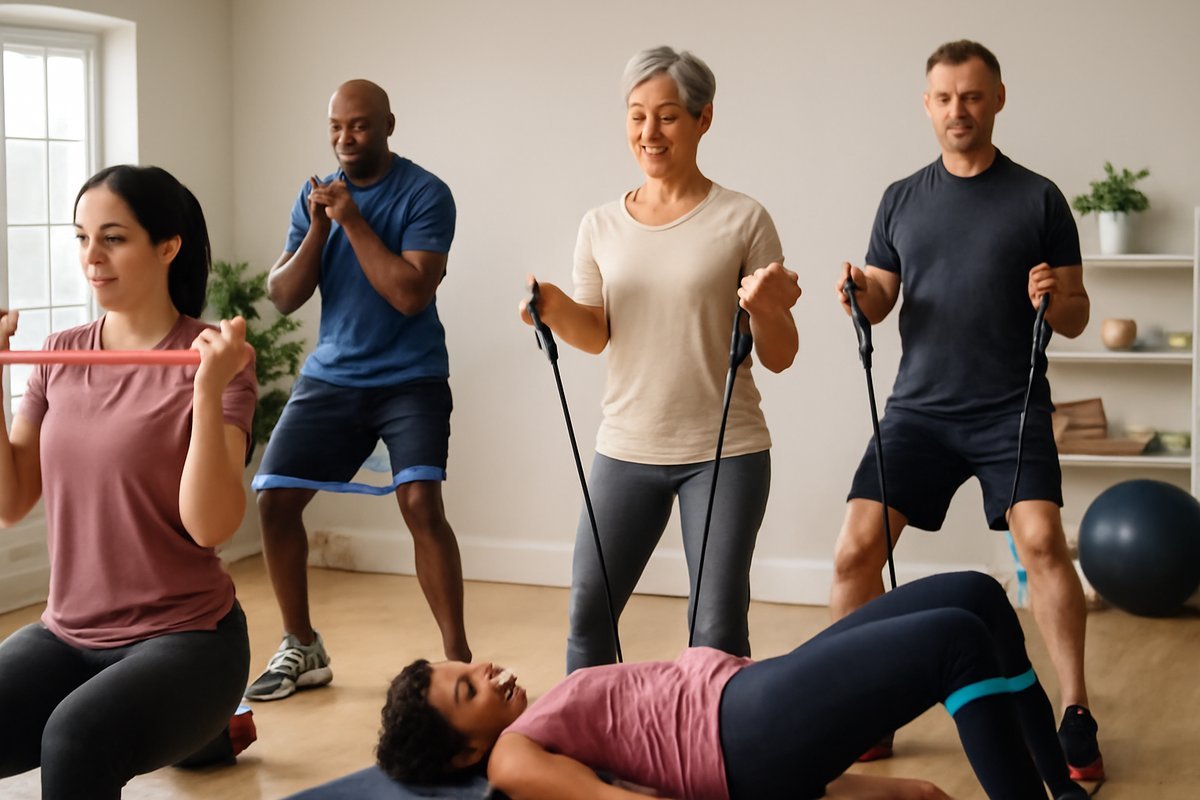
  • Resistance Band Training: A Complete Guide for Adults

    Resistance Band Training: A Complete Guide for Adults

    Harness the power of portable resistance for strength and vitality.

    According to the Centers for Disease Control and Prevention (CDC), only about 24.2% of adults meet the physical activity guidelines for muscle-strengthening activity, leaving a significant portion of the U.S. population vulnerable to age-related muscle loss, known as sarcopenia, and reduced bone density. Many adults, especially those between 30 and 70, often struggle to incorporate regular strength training into their routines due to time constraints, gym intimidation, or pre-existing joint conditions. This gap in physical activity can lead to decreased functional independence, increased risk of falls, and a lower quality of life.

    If you’re looking for an effective, accessible, and joint-friendly way to build strength, improve mobility, and boost your overall health, resistance band training for adults might be the perfect solution. This comprehensive guide will walk you through everything you need to know about resistance bands, from their benefits and types to essential exercises and how to integrate them into your daily life safely and effectively. You’ll learn how these versatile tools can help you achieve your fitness goals without the need for heavy weights or expensive gym memberships.

    What Is Resistance Band Training?

    Resistance band training involves using elastic bands made of latex or synthetic rubber to create resistance against muscle contractions. Unlike free weights, which rely on gravity, resistance bands provide tension throughout the entire range of motion, engaging muscles differently and often more safely. This method of strength training has been utilized in physical therapy for decades and has gained widespread popularity in general fitness due to its efficacy and convenience.

    The increasing availability and affordability of resistance bands have made them a staple in home gyms and physical therapy clinics across the U.S., becoming an increasingly popular choice for strength training. Their ability to offer variable resistance, meaning the tension increases as the band is stretched further, provides a unique stimulus to your muscles. This variable tension can lead to significant improvements in muscle strength, endurance, and power, making them a valuable tool for individuals of all fitness levels.

    Why does this matter for your health? Regular strength training, whether with bands or weights, is crucial for maintaining muscle mass, bone density, and metabolic health. It helps improve body composition by increasing lean muscle tissue, which can boost your metabolism and support healthy weight management. Furthermore, strength training contributes to better balance and coordination, reducing your risk of falls as you age. Resistance bands offer a low-impact alternative that can be particularly beneficial if you have joint sensitivities or are recovering from an injury.

    Benefits of Resistance Band Training

    Resistance band training offers a multitude of advantages that make it an excellent choice for adults seeking to improve their fitness and overall well-being. Here are some key benefits:

    • Effective for Muscle Growth and Strength: Research published in the Journal of Sports Science & Medicine has indicated that resistance band training can lead to similar gains in muscle strength and hypertrophy (muscle growth) as conventional free weights, particularly when performed with adequate intensity and volume. This evidence suggests you don’t need heavy iron to build a strong, resilient body.
    • Joint-Friendly and Low Impact: Because resistance bands provide constant tension without the jarring impact of lifting and lowering heavy weights, they are incredibly gentle on your joints. This makes them an ideal option if you have arthritis, joint pain, or are recovering from certain injuries. The controlled movements help protect your ligaments and tendons while still challenging your muscles.
    • Portability and Affordability: Resistance bands are lightweight, compact, and easy to store, making them perfect for home workouts or travel. You can easily pack a set in your suitcase, ensuring you never miss a workout, even when you’re on the go. They are also significantly more affordable than traditional gym equipment, offering a cost-effective way to build a comprehensive strength training routine.
    • Versatility for Full-Body Workouts: With a few different types of bands, you can effectively target almost every major muscle group in your body. From squats and lunges to bicep curls and chest presses, resistance bands allow for a wide range of exercises that can mimic many traditional gym movements.
    • Improved Stability and Balance: Exercises with resistance bands often require you to engage your core and other stabilizing muscles more actively to control the movement. This enhanced stabilization can lead to improved balance, coordination, and proprioception (your body’s awareness of its position in space), which are critical for preventing falls, particularly as you age.
    • Ideal for Rehabilitation and Injury Prevention: Physical therapists frequently use resistance bands to help patients regain strength and mobility after injuries. Their progressive nature allows for gradual increases in resistance, making them safe for rebuilding muscle without putting excessive stress on healing tissues. Incorporating bands into your routine can also help strengthen neglected muscles, preventing future injuries.

    Types of Resistance Bands & How to Choose

    To maximize the effectiveness of your resistance band training, it’s helpful to understand the different types available and how to select the right ones for your needs. This varies from person to person based on strength levels and fitness goals.

    Common Types of Resistance Bands:

    • Loop Bands (Mini Bands or Power Bands): These are continuous loops of elastic material. Mini bands are shorter and often used for exercises targeting the glutes, hips, and shoulders, as well as for warm-ups. Power bands are longer and wider, offering much higher resistance levels, often used for assisted pull-ups, squats, deadlifts, and total body exercises. They typically come in color-coded sets indicating different resistance levels.
    • Tube Bands with Handles: These bands resemble elastic tubes with plastic or foam handles at each end. They are highly versatile and can be used for exercises that mimic free-weight movements, such as bicep curls, chest presses, rows, and shoulder presses. Many sets come with door anchors, allowing you to perform exercises that require a fixed anchor point.
    • Therapy Bands (Flat Bands): These are wide, flat, thin sheets of elastic material, often sold in rolls that you can cut to your desired length. They generally offer lighter resistance compared to loop or tube bands and are commonly used in physical therapy for rehabilitation exercises, stretching, and mobility work. They are excellent for targeting smaller muscle groups and for initial stages of strength building.

    How to Choose the Right Resistance Level:

    Resistance bands are almost always color-coded, with each color corresponding to a different level of tension (e.g., yellow for light, green for medium, blue for heavy, black for extra heavy). It’s crucial to start with a resistance level that allows you to maintain proper form throughout the entire exercise. Most physicians recommend starting with a lighter band and gradually progressing as your strength improves. If you can perform 15 repetitions with good form, it’s likely time to consider moving to a heavier band.

    When selecting your bands, consider your current fitness level and the specific muscle group you intend to work. Larger muscle groups like your glutes and quads can typically handle more resistance than smaller muscles like your shoulders or biceps. Many individuals benefit from having a set of bands with varying resistance levels to accommodate different exercises and muscle groups. Prioritizing safety and proper technique over excessive resistance will lead to more sustainable and injury-free progress.

    Getting Started: Essential Exercises & Proper Form

    Before diving into exercises, a proper warm-up is crucial. Spend 5-10 minutes on light cardio (like marching in place or arm circles) and dynamic stretches. Always prioritize slow, controlled movements, focusing on the muscle contraction rather than momentum. Here are some essential resistance band exercises, demonstrating how to incorporate them safely and effectively:

    Lower Body Exercises:

    • Banded Squats: Place a loop band just above your knees. Stand with feet shoulder-width apart, toes slightly out. Keeping your chest up and core engaged, lower down as if sitting in a chair, pushing your knees out against the band. The band helps activate your glutes and outer thighs.
    • Glute Bridges: Lie on your back with knees bent, feet flat on the floor, and a loop band around your thighs just above the knees. Push your hips up towards the ceiling, squeezing your glutes, and actively push your knees out against the band. Lower slowly.
    • Lateral Walks: Place a loop band around your ankles or just above your knees. Hinge slightly at your hips, keeping your feet shoulder-width apart. Take small, controlled steps sideways, maintaining tension on the band. This targets your hip abductors, crucial for stability.

    Upper Body Exercises:

    • Banded Bicep Curls: Stand on the middle of a tube band with handles (or a long loop band). Hold a handle in each hand, palms facing forward. Keeping your elbows tucked in, curl your hands up towards your shoulders, squeezing your biceps. Slowly lower down.
    • Tricep Extensions: Anchor a tube band to a high point (like a door anchor) or stand on it. Facing away from the anchor, grab the handle(s) with both hands. With elbows bent and tucked in, extend your arms straight down, engaging your triceps. Return slowly.
    • Chest Press (with Door Anchor): Anchor a tube band at chest height behind you. Grab a handle in each hand, stepping forward until the band is taut. With a slight bend in your elbows, press your hands forward as if doing a push-up. Control the return.
    • Banded Rows: Anchor a tube band at chest height in front of you (or loop a power band around a sturdy pole). Grab the handles (or ends of the power band). With a slight hinge at your hips and core engaged, pull the handles towards your torso, squeezing your shoulder blades together. Release slowly.

    Core Exercises:

    • Banded Rotations (Pallof Press): Anchor a tube band to a sturdy object at chest height. Stand perpendicular to the anchor, holding the handle with both hands at your chest. Step away from the anchor until there’s tension. Press the handle straight out in front of you, resisting the band’s pull to rotate your torso. Hold for a moment, then slowly return. This powerfully engages your anti-rotational core muscles.

    Remember, the key to effective resistance band training is consistency and proper form. If you’re unsure about a movement, watch instructional videos or consult with a fitness professional.

    Designing Your Resistance Band Workout Routine

    Creating a structured workout routine is essential for consistent progress and achieving your fitness goals. Here’s how to design an effective resistance band program:

    Frequency:

    Most health organizations, including the American Heart Association, recommend at least two days a week of moderate to high-intensity muscle-strengthening activity that works all major muscle groups. For optimal results and if your body allows, you might aim for 3-4 sessions per week, allowing at least one rest day between working the same muscle groups. Individual variation in recovery time means some people may need more rest.

    Sets and Repetitions:

    For general strength and muscle growth, aim for 2-4 sets of 8-15 repetitions per exercise. If your goal is muscular endurance, you might perform more repetitions (15-20+) with lighter resistance. The last few repetitions of each set should feel challenging, indicating you’re working your muscles effectively.

    Progression:

    To continue seeing results, you must progressively overload your muscles. This means gradually increasing the challenge over time. With resistance bands, you can progress by:

    • Using a band with higher resistance.
    • Increasing the number of repetitions or sets.
    • Slowing down the tempo of each repetition (increasing time under tension).
    • Decreasing rest time between sets.
    • Adding more challenging variations of exercises.

    Full-Body vs. Split Routines:

    • Full-Body Routine: This involves working all major muscle groups in a single session. It’s an excellent choice if you’re new to resistance training or can only commit to 2-3 workouts per week. A typical full-body workout might include 1-2 exercises for legs, 1-2 for chest/back, and 1 for shoulders/arms.
    • Split Routine: This involves dividing your workout days by muscle groups (e.g., upper body on one day, lower body on another). This allows for more focused work on specific muscles and can be beneficial if you’re training 3-4+ days a week. For example, you might do a "Push" day (chest, shoulders, triceps) and a "Pull" day (back, biceps) and a "Legs and Core" day.

    Always listen to your body and adjust your routine as needed. Rest days are just as important as workout days for muscle repair and growth.

    Integrating Resistance Bands into Your Lifestyle & Injury Prevention

    One of the greatest advantages of resistance bands is how easily they fit into various aspects of your life. Their versatility means you can incorporate them whether you’re at home, traveling, or even in the office for a quick stretch. Making resistance band training a regular part of your fitness regimen is more important than sporadic intense sessions.

    Practical Day-to-Day Management:

    • Home Workouts: Set aside a dedicated space, even a small corner, for your resistance band workouts. Having them easily accessible increases the likelihood you’ll use them.
    • Travel Fitness: Pack a few bands of varying resistance levels. They take up minimal space and allow you to maintain your strength training routine while away from home.
    • Supplementing Gym Routines: If you do go to a gym, use bands for warm-ups, cool-downs, or to add extra resistance to bodyweight exercises like squats or push-ups.

    Injury Prevention Strategies:

    While resistance bands are generally safe and joint-friendly, proper technique and preventive measures are still crucial to avoid injury:

    • Proper Warm-up and Cool-down: Always begin with 5-10 minutes of light cardio and dynamic stretches (like leg swings or arm circles) to prepare your muscles. Finish your workout with static stretches (holding a stretch for 20-30 seconds) to improve flexibility. For deeper insights into proper recovery, consider exploring our guide on Exercise Recovery: How to Recover Faster and Train Smarter.
    • Listen to Your Body: If you feel sharp, unusual, or persistent pain during an exercise, stop immediately. "No pain, no gain" is a dangerous mantra, especially for adults focused on long-term health. Mild muscle soreness (DOMS – Delayed Onset Muscle Soreness) is normal, but acute pain is a red flag.
    • Maintain Proper Form: Always prioritize good form over lifting heavier resistance. Incorrect form can negate the benefits of an exercise and increase your risk of injury. If you’re unsure, practice without the band first or use a mirror.
    • Inspect Your Bands Regularly: Before each use, check your resistance bands for any nicks, tears, or signs of wear and tear. A broken band during an exercise can cause injury. Replace worn bands promptly.
    • Secure Anchors: If using door anchors or looping bands around objects, ensure they are stable and secure to prevent them from slipping or breaking during an exercise.

    By integrating these practices, you can safely and effectively harness the power of resistance bands for lasting health and fitness.

    When to Consult a Professional for Exercise-Related Pain

    While resistance band training is generally safe, it’s important to know when to seek professional medical advice regarding exercise-related pain or discomfort. Understanding these red flags can help prevent minor issues from becoming serious problems.

    When to Seek Professional Help:

    • Persistent Pain: If pain lasts for more than a few days, despite rest and at-home care (like ice or heat), it’s a good idea to consult your physician. This is particularly true if the pain limits your daily activities.
    • Sharp, Shooting, or Numbness/Tingling Pain: These types of pain can indicate nerve involvement or more significant tissue damage. Do not ignore them; seek immediate medical attention.
    • Significant Swelling or Bruising: Unexpected swelling or bruising around a joint or muscle, especially if accompanied by pain, warrants a medical evaluation.
    • Loss of Function or Inability to Bear Weight: If you suddenly cannot move a joint through its full range of motion, cannot put weight on a limb, or experience muscle weakness that significantly impacts your ability to perform daily tasks, consult a doctor without delay.
    • Pain That Worsens at Rest or at Night: Pain that doesn’t subside with rest or intensifies at night can sometimes be a sign of a more serious underlying condition.

    What to Tell Your Doctor:

    When you consult your doctor or a physical therapist, be prepared to provide specific details:

    • Location and Type of Pain: Point to where it hurts and describe it (e.g., dull ache, sharp, throbbing, burning).
    • Onset and Duration: When did the pain start? Was it sudden or gradual? How long have you had it?
    • What Makes It Worse/Better: Are there specific movements, activities, or positions that aggravate or relieve the pain?
    • Any Associated Symptoms: Numbness, tingling, weakness, swelling, clicking, or popping sounds.
    • Your Exercise Routine: Describe the exercises you perform, the resistance levels you use, and how often you train.

    A physical therapist or certified personal trainer can provide personalized guidance on proper form, modify exercises, and develop a safe progression plan, especially if you’re new to exercise or have pre-existing conditions. Most physicians recommend seeking professional advice to ensure your fitness journey is safe and effective.

    Frequently Asked Questions

    Are resistance bands as effective as weights for building muscle?

    Clinical evidence indicates that resistance bands can be very effective for building muscle strength and size. While the sensation of resistance differs from free weights, research suggests they can provide a comparable stimulus to muscle fibers when used correctly with appropriate resistance and proper form. The key is to challenge your muscles to fatigue within your desired rep range.

    How do I choose the right resistance level?

    Start with a band that allows you to complete 10-15 repetitions of an exercise with good form, where the last few reps feel challenging but not impossible. If you can do more than 15 reps easily, move to a heavier band. If you can’t complete 8 reps with good form, use a lighter band. Most bands are color-coded to indicate resistance levels, varying by manufacturer.

    Can I use resistance bands if I have joint pain?

    Yes, resistance bands are often recommended for individuals with joint pain because they provide a low-impact form of resistance. The continuous tension and ability to control movements precisely can be gentler on joints compared to the impact of free weights. However, always consult your physician or physical therapist if you have significant joint pain or a medical condition before starting any new exercise program.

    How often should I train with resistance bands?

    Most fitness guidelines recommend engaging in muscle-strengthening activities for all major muscle groups at least two to three times per week, with a day of rest in between sessions for muscle recovery. You can also incorporate bands into your daily warm-ups or cool-downs for added flexibility and mobility.

    What’s the best way to clean and store my resistance bands?

    To prolong the life of your resistance bands, wipe them down with a damp cloth after use, especially if you’ve sweated on them. Avoid harsh cleaning agents. Store them out of direct sunlight and extreme temperatures, which can degrade the elastic material. Keep them flat or loosely rolled in a dry place, away from sharp objects that could cause nicks or tears.

    Conclusion

    Resistance band training for adults offers an incredibly versatile, effective, and accessible pathway to improved strength, mobility, and overall health. Whether you’re a seasoned athlete or just beginning your fitness journey, these portable tools provide a fantastic way to challenge your muscles, protect your joints, and achieve your fitness goals from almost anywhere. By understanding the different types of bands, mastering essential exercises, and designing a consistent routine, you can unlock a new level of physical well-being.

    Remember that consistency, proper form, and listening to your body are paramount. While resistance bands are a powerful tool, your health is unique. Always consult your physician or a qualified healthcare provider before making significant changes to your health routine or treatment plan, especially if you have pre-existing health conditions or concerns. Embrace the flexibility and effectiveness of resistance bands, and take a confident step towards a stronger, healthier you.

    MEDICAL DISCLAIMER

    This article is for informational and educational purposes only. It does not constitute medical advice, diagnosis, or treatment. Always consult your physician or a qualified healthcare provider before making changes to your health routine or treatment plan.

    AUTHOR LINE

    Medically reviewed by our editorial health team. Content follows evidence-based standards aligned with CDC and NIH guidelines.
  • Exercise for Mental Health: Your Guide to Well-being

    Exercise for Mental Health: Your Guide to Well-being

    Regular physical activity is a powerful, evidence-based strategy to enhance mood, reduce stress, and alleviate symptoms of anxiety and depression.

    According to data from the National Institute of Mental Health (NIMH), nearly one in five U.S. adults experienced some form of mental illness in 2021. These statistics highlight a significant public health challenge, with millions grappling with conditions like anxiety and depression. While professional medical care, including therapy and medication, forms the cornerstone of treatment, many individuals are also seeking complementary strategies to support their mental well-being.

    You might be surprised to learn that one of the most accessible and effective tools available is regular physical activity. Often seen purely as a benefit for physical health, exercise for mental health offers profound advantages, helping to manage stress, improve mood, and even mitigate symptoms of anxiety and depression. This comprehensive guide will explore the powerful connection between your body and mind, demonstrating how incorporating movement into your life can significantly enhance your emotional and psychological resilience. You’ll learn about the scientific mechanisms at play, discover various types of exercise that support mental well-being, and gain practical advice for integrating these activities into your daily routine, all while understanding when to seek professional medical guidance.

    What Is Exercise for Mental Health?

    When we talk about exercise for mental health, we’re referring to the intentional use of physical activity to improve mood, reduce psychological stress, and alleviate symptoms associated with common mental health conditions such as anxiety and depression. It’s a holistic approach that recognizes the deep connection between your physical state and your psychological well-being.

    This connection is more crucial than ever. The Centers for Disease Control and Prevention (CDC) reported that in 2021, over a third of U.S. adults reported symptoms of anxiety or depressive disorder. While exercise is not a standalone cure, numerous studies show it can be a vital component of a broader mental health strategy. It matters because it empowers you with an active role in managing your own well-being, providing a non-pharmacological pathway to feeling better and more resilient.

    Signs and Symptoms of Poor Mental Well-being That Exercise Can Address

    Recognizing the signs of poor mental well-being is the first step toward taking action. Many people experience symptoms that, while not always indicating a clinical diagnosis, can significantly impact quality of life. Regular exercise can often help to mitigate these common issues.

    Here are some signs that exercise may help you address:

    • Persistent Fatigue: Feeling constantly tired even after adequate rest, often linked to stress and poor sleep.
    • Irritability and Mood Swings: Experiencing heightened frustration or rapid shifts in mood without clear triggers.
    • Difficulty Concentrating: Struggling to focus on tasks, remember information, or make decisions.
    • Sleep Disturbances: Insomnia (difficulty falling or staying asleep), waking up unrefreshed, or oversleeping.
    • Increased Stress Reactivity: Feeling overwhelmed by everyday stressors more easily than usual.
    • Social Withdrawal: A reduced desire to engage with others or participate in activities you once enjoyed.

    It’s important to note that these symptoms can also be indicative of underlying medical conditions. However, for many, they represent a decline in mental well-being that can be positively influenced by physical activity. A significant meta-analysis published in JAMA Psychiatry in 2018, examining historical data, once demonstrated a consistent association between physical activity and a lower risk of depression, suggesting its role as a protective factor.

    How Exercise Positively Impacts Your Brain and Mood

    The benefits of exercise for your mental health aren’t just anecdotal; they’re rooted in complex physiological and psychological mechanisms. When you engage in physical activity, a cascade of positive changes occurs within your brain and body.

    Here’s a closer look at how exercise works its magic:

    • Neurotransmitter Release: Physical activity stimulates the production and release of "feel-good" neurotransmitters. These include endorphins, which have mood-lifting and pain-relieving effects, and serotonin and dopamine, which play crucial roles in regulating mood, pleasure, and motivation.
    • Stress Hormone Reduction: Exercise can help reduce the levels of stress hormones like cortisol and adrenaline. While these hormones are essential for fight-or-flight responses, chronically elevated levels can contribute to anxiety and depression. Regular workouts help your body manage these responses more effectively.
    • Improved Sleep Quality: Consistent physical activity, particularly moderate-intensity aerobic exercise, can significantly improve sleep patterns. Better sleep, in turn, is directly linked to improved mood, concentration, and emotional regulation.
    • Enhanced Cognitive Function: Beyond mood, exercise can boost cognitive abilities. It increases blood flow to the brain, promoting the growth of new brain cells and improving memory and focus, which can be particularly helpful for those experiencing mental fog associated with stress or depression.
    • Increased Self-Esteem and Sense of Accomplishment: Setting and achieving fitness goals, no matter how small, can foster a sense of accomplishment and self-efficacy. This boost in self-esteem can be a powerful antidote to feelings of helplessness or inadequacy that often accompany mental health challenges.
    • Social Interaction: Group fitness classes, team sports, or even walking with a friend can provide valuable opportunities for social connection, combating feelings of isolation that can exacerbate mental health issues.

    According to data historically compiled by the CDC, adults who meet the Physical Activity Guidelines for Americans (at least 150 minutes of moderate-intensity aerobic activity per week) generally report fewer mentally unhealthy days than those who are physically inactive, underscoring the population-level impact of exercise on mental well-being.

    Types of Exercise Best for Mental Health

    While almost any form of physical activity can benefit your mental well-being, some types of exercise offer particular advantages or can be more easily integrated into a routine for mental health support. The key is to find activities you genuinely enjoy, making consistency more achievable.

    Consider these effective types of exercise:

    • Aerobic (Cardio) Exercise: Activities that get your heart rate up and blood pumping are excellent for mental health. Brisk walking, jogging, cycling, swimming, dancing, or using an elliptical machine can all trigger endorphin release and reduce stress hormones. Aim for at least 150 minutes of moderate-intensity aerobic activity each week. For more on the benefits, see our guide on Cardio Exercise for Heart Health: The Complete Guide.
    • Strength Training: Building muscle strength through resistance exercises, whether using weights, resistance bands, or your own body weight, also contributes to mental resilience. It can improve body image, boost confidence, and provide a tangible sense of progress. These benefits are not just for younger adults; individuals over 50 can significantly benefit from strength training for overall health.
    • Mind-Body Practices: Activities like yoga, Tai Chi, and Pilates combine physical postures, breathing techniques, and mindfulness. They are particularly effective at reducing stress and anxiety by promoting relaxation and enhancing the mind-body connection. These practices can also improve flexibility and balance. You can explore more about flexibility in our Flexibility Training: The Complete Guide for Adults article.
    • Outdoor Activities: Spending time in nature, often referred to as "green exercise," has unique mental health benefits. Walking in a park, hiking on a trail, or gardening can reduce rumination, lower blood pressure, and improve mood. The combination of physical activity and natural surroundings can be a powerful stress reliever.
    • Group Sports and Classes: Engaging in team sports or group fitness classes can provide both physical benefits and valuable social interaction. The camaraderie and shared experience can combat feelings of loneliness and provide a sense of belonging, which are crucial for mental well-being.

    Research has consistently shown the efficacy of these diverse exercise types. For example, a review in the Lancet Psychiatry once highlighted that all types of exercise, especially group exercises, were associated with improved mental health outcomes, though some types demonstrated greater overall reductions in mental health burden than others, such as team sports and cycling.

    Integrating Exercise into Your Daily Life

    Starting an exercise routine, especially when feeling low, can seem daunting. The good news is that you don’t need to commit to grueling workouts right away. Small, consistent steps can lead to significant improvements in your mental health. Remember, consistency often trumps intensity, especially when you’re starting.

    Here are practical tips for making exercise a regular part of your life:

    • Start Small and Be Realistic: Begin with manageable goals, such as 10-15 minutes of brisk walking a few times a week. Gradually increase duration and intensity as your fitness improves. Don’t aim for perfection; aim for progress.
    • Find Activities You Enjoy: If exercise feels like a chore, you’re less likely to stick with it. Experiment with different types of activities—dancing, hiking, gardening, cycling—until you find something that genuinely brings you pleasure.
    • Schedule Your Workouts: Treat exercise like any other important appointment. Block out specific times in your calendar, whether it’s first thing in the morning, during your lunch break, or after work.
    • Incorporate Movement into Your Day: Look for opportunities to be more active naturally. Take the stairs instead of the elevator, park further away, walk or cycle for short errands, or stand more often during your workday.
    • Find an Exercise Buddy: Working out with a friend, family member, or joining a group can provide motivation, accountability, and a social boost.
    • Listen to Your Body: Acknowledge individual variation in energy levels and capabilities. Some days you might feel more energetic, while others require a lighter approach. Pushing yourself too hard can lead to burnout or injury.
    • Track Your Progress: Keep a simple journal or use a fitness app to log your activities. Seeing your progress can be incredibly motivating and reinforce the positive impact exercise is having on your mood.

    Remember, the goal is not to become an elite athlete, but to consistently move your body in ways that support both your physical and mental well-being.

    When to Call Your Doctor / Emergency Signs

    While exercise is a powerful tool for supporting mental well-being, it is crucial to understand its role as a complementary strategy, not a substitute for professional medical or psychological care. If you are experiencing significant or worsening mental health symptoms, it’s vital to seek expert help.

    Call your doctor or a mental health professional if you experience:

    • Persistent Feelings of Sadness or Hopelessness: If these feelings last for more than two weeks and interfere with your daily life.
    • Severe Anxiety or Panic Attacks: Episodes of intense fear or discomfort accompanied by physical symptoms like chest pain, shortness of breath, or dizziness.
    • Thoughts of Self-Harm or Suicide: This is an emergency. Immediately seek help from a crisis hotline (e.g., the 988 Suicide & Crisis Lifeline in the U.S.), an emergency room, or a trusted professional.
    • Inability to Cope with Daily Problems: If everyday tasks become overwhelming or impossible.
    • Significant Changes in Sleep Patterns or Appetite: Severe insomnia, excessive sleep, or drastic changes in eating habits.
    • Withdrawal from Social Activities: A marked decrease in engagement with friends, family, or hobbies.

    When discussing your mental health with your doctor, be open about your symptoms, how long they’ve lasted, and any lifestyle changes you’ve tried, including exercise. Your physician can provide a comprehensive evaluation, rule out any underlying physical conditions, and discuss appropriate treatment options, which may include therapy, medication, or referrals to specialists. They can also help you develop a safe and effective exercise plan tailored to your specific health needs and any existing conditions.

    Frequently Asked Questions

    Q: How long does it take to feel the mental health benefits of exercise?
    A: You might feel a mood boost immediately after a single workout due to endorphin release. However, consistent benefits like reduced stress and improved sleep typically become noticeable after a few weeks of regular activity. Long-term benefits, such as significant reductions in anxiety or depressive symptoms, often require several months of consistent effort. Individual variation is common.

    Q: What if I don’t enjoy traditional forms of exercise?
    A: Don’t worry! Exercise doesn’t have to mean hitting the gym. Explore activities like dancing, gardening, playing active video games, cleaning your home vigorously, or taking a brisk walk in nature. The goal is to move your body in a way that feels enjoyable and sustainable for you. Even short bursts of activity add up.

    Q: Can exercise replace therapy or medication for mental health conditions?
    A: For many, exercise is an excellent complementary strategy that enhances professional treatment but rarely replaces it entirely, especially for moderate to severe mental health conditions. Always consult your doctor or mental health professional to determine the most appropriate treatment plan for your specific needs. Exercise works best as part of a holistic approach.

    Q: How much exercise do I need for mental health benefits?
    A: The U.S. Department of Health and Human Services recommends at least 150 minutes of moderate-intensity aerobic activity or 75 minutes of vigorous-intensity aerobic activity per week, along with muscle-strengthening activities on two or more days. Even short, consistent bouts of activity (e.g., 10-15 minutes) can provide noticeable mental health benefits, especially when starting out.

    Q: I have a chronic physical condition. Can I still exercise for mental health?
    A: Absolutely, but it’s crucial to consult your physician before starting any new exercise program, especially if you have a chronic condition like heart disease, diabetes, or joint issues. Your doctor can help you design a safe and effective exercise plan that accounts for your health status and limitations. Many low-impact options are available.

    Conclusion

    In summary, the profound connection between physical activity and mental well-being is undeniable. Engaging in regular exercise is not just about physical fitness; it’s a powerful, evidence-based strategy to cultivate resilience, manage stress, uplift your mood, and mitigate the symptoms of anxiety and depression. By understanding how movement impacts your brain chemistry and integrating enjoyable activities into your routine, you take an active step towards a healthier, happier mind.

    Remember, your journey to mental well-being is unique. While exercise offers significant benefits, it functions best as part of a broader health strategy. Always consult with your physician or a qualified mental health professional to ensure your approach is comprehensive and tailored to your individual needs. Embrace the power of movement and invest in your mental health today.

    MEDICAL DISCLAIMER

    This article is for informational and educational purposes only. It does not constitute medical advice, diagnosis, or treatment. Always consult your physician or a qualified healthcare provider before making changes to your health routine or treatment plan.

    AUTHOR LINE

    Medically reviewed by our editorial health team. Content follows evidence-based standards aligned with CDC and NIH guidelines.
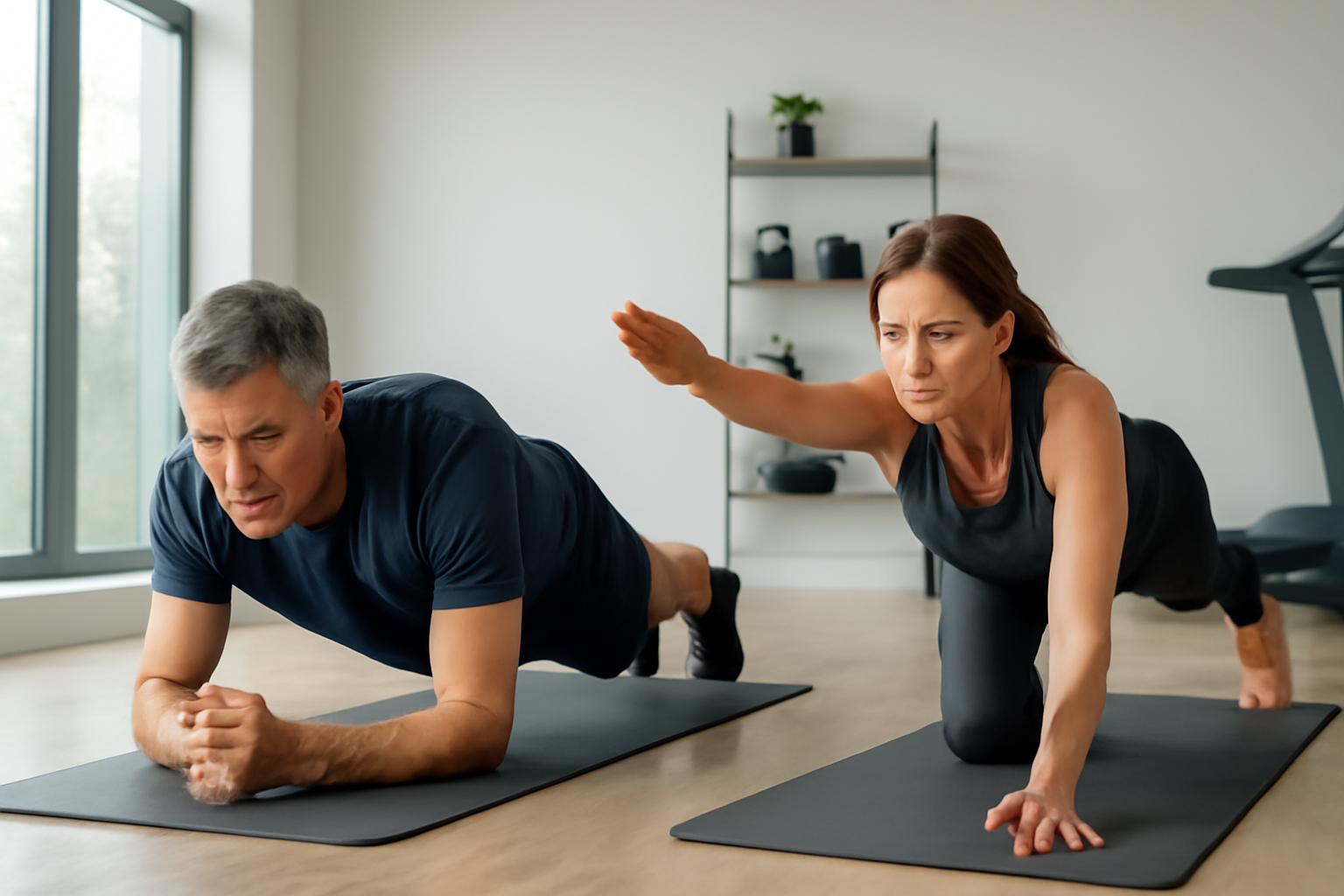
  • Exercise for Strong Bones: Preventing Osteoporosis

    Exercise for Strong Bones: Preventing Osteoporosis

    Exercise for Strong Bones: Preventing Osteoporosis

    Engaging in targeted physical activity is a cornerstone for building and maintaining robust bone density throughout life.

    According to the National Osteoporosis Foundation, approximately 10 million Americans have been diagnosed with osteoporosis, and an additional 44 million have low bone density, known as osteopenia. This means a staggering half of all Americans aged 50 and older are at risk of breaking a bone due to weakened bone structure. Many individuals, however, remain unaware of the critical role they can play in preventing this silent disease through proactive lifestyle choices.

    Osteoporosis doesn’t just happen overnight; it’s a progressive condition where bones gradually lose their density, becoming more fragile over time. The good news is that you have powerful tools at your disposal to counteract this process. In this comprehensive guide, you will learn why bone health is so vital, what causes bone loss, and most importantly, how specific types of exercise can help you build and maintain strong bones, significantly reducing your risk of osteoporosis and fractures. We’ll explore the evidence-backed strategies for preventing osteoporosis with exercise, ensuring you stay active and resilient for years to come.

    What Is Osteoporosis?

    Osteoporosis is a medical condition characterized by bones becoming weak, brittle, and porous. This means they are so fragile that even minor stresses, such as bending over, coughing, or a slight fall, can lead to a fracture. The condition occurs when the body’s ability to create new bone tissue doesn’t keep pace with the removal of old bone tissue, leading to a net loss of bone mass.

    The internal structure of a healthy bone resembles a honeycomb. With osteoporosis, the “holes” in this honeycomb structure grow larger, making the bone weaker and more susceptible to breaks. This gradual deterioration often progresses without symptoms until a fracture occurs, earning osteoporosis the nickname “the silent disease.”

    The prevalence of osteoporosis in the United States is substantial. The NIH reports that women are approximately four times more likely to develop osteoporosis than men, particularly after menopause due to a sharp decline in estrogen levels, which plays a critical role in maintaining bone density. However, men are also at risk, especially as they age or if they have certain medical conditions or lifestyle factors.

    Why does it matter? Fractures caused by osteoporosis, particularly hip fractures, can have devastating consequences. They often lead to severe pain, long-term disability, loss of independence, and, in some cases, an increased risk of mortality. Preventing osteoporosis is not just about avoiding breaks; it’s about maintaining your quality of life and autonomy as you age.

    Signs and Symptoms of Bone Loss

    One of the most challenging aspects of osteoporosis is its insidious nature. In its early stages, bone loss typically produces no noticeable symptoms. You generally don’t feel your bones getting weaker, which is why preventive measures and regular medical check-ups are so crucial, especially if you have risk factors.

    The first clear sign of osteoporosis is often a fracture, which might occur from a fall that would normally not cause a break, or even from everyday activities. These are sometimes called “fragility fractures.”

    Advanced Signs and Symptoms May Include:

    • Back pain: This can be caused by a fractured or collapsed vertebra in the spine, which are common osteoporotic fractures.
    • Loss of height over time: Multiple compression fractures in the spine can cause a gradual decrease in stature, making you appear shorter.
    • A stooped posture (kyphosis): Often referred to as a “dowager’s hump,” this is a curving of the upper back that results from spinal compression fractures.
    • A bone fracture that occurs much more easily than expected: For instance, breaking a wrist or hip from a minor fall that wouldn’t injure someone with healthy bones.

    A clinical finding published in the Journal of Bone and Mineral Research has highlighted that accelerated bone loss can actually begin years before a formal diagnosis of osteoporosis is made. This underscores the critical importance of adopting preventive strategies early in life and continuing them through adulthood to safeguard your skeletal health before symptoms even appear.

    Causes and Risk Factors for Osteoporosis

    Osteoporosis is a complex condition influenced by a combination of genetic predispositions, lifestyle choices, and environmental factors. Understanding these elements can help you identify your personal risk and take appropriate preventive action.

    Genetic and Unchangeable Risk Factors:

    • Sex: Women are at a significantly higher risk than men, primarily due to hormonal changes after menopause.
    • Age: The older you get, the higher your risk of osteoporosis. Bone density naturally declines with age.
    • Race: People of Caucasian and Asian descent appear to be at the highest risk, though all racial groups can be affected.
    • Family history: Having a parent or sibling with osteoporosis, especially if they experienced a hip fracture, increases your own risk.
    • Body frame size: Individuals with small body frames tend to have less bone mass to draw from as they age.

    Lifestyle and Modifiable Risk Factors:

    • Sedentary lifestyle: A lack of physical activity, especially weight-bearing exercise, is a major contributor to bone loss. Bones need stress to remain strong.
    • Low calcium intake: A lifelong lack of calcium plays a major role in the development of osteoporosis.
    • Low vitamin D intake: Vitamin D is crucial for the absorption of calcium. Without adequate vitamin D, calcium cannot be effectively utilized by the bones.
    • Excessive alcohol consumption: Chronic heavy alcohol use can interfere with the body’s ability to absorb calcium and vitamin D, and it can also interfere with bone-building cells.
    • Tobacco use: Smoking has been shown to contribute to weak bones and an increased risk of fractures.
    • Eating disorders: Anorexia nervosa and bulimia can lead to nutrient deficiencies and hormonal imbalances that weaken bones.
    • Low body mass index (BMI): Being underweight can reduce bone density, particularly in women.

    Medical Conditions and Medications:

    • Thyroid problems: Overactive thyroid (hyperthyroidism) can accelerate bone loss.
    • Other glandular disorders: Conditions affecting the parathyroid and adrenal glands can also impact bone health.
    • Gastrointestinal diseases: Conditions like Crohn’s disease, celiac disease, and gastric bypass surgery can impair nutrient absorption, including calcium and vitamin D.
    • Certain medications: Long-term use of corticosteroids (e.g., prednisone), some anti-seizure medications, proton pump inhibitors, and certain selective serotonin reuptake inhibitors (SSRIs) can contribute to bone loss.

    The CDC highlights that modifiable risk factors, such as physical inactivity and inadequate nutritional intake, significantly contribute to the burden of chronic diseases in the US, including those that directly impact bone health. Taking control of these factors through diet and exercise is a powerful step towards prevention.

    Diagnosis: What to Expect

    Diagnosing osteoporosis typically involves a combination of medical history review, physical examination, and specialized tests. Because osteoporosis often has no outward symptoms until a fracture occurs, screening is vital for early detection, especially if you have significant risk factors.

    Key Diagnostic Tools and Procedures:

    • Dual-energy X-ray Absorptiometry (DEXA or DXA) Scan: This is the primary and most definitive test for diagnosing osteoporosis. A DEXA scan is a quick, non-invasive imaging test that measures your bone mineral density (BMD) in specific areas, most commonly the hip and spine. The results are reported as a T-score and a Z-score.
    • T-score: Compares your BMD to that of a healthy young adult of the same sex. A T-score of -1.0 or above is considered normal. A score between -1.0 and -2.5 indicates osteopenia (low bone mass), while a score of -2.5 or lower indicates osteoporosis.
    • Z-score: Compares your BMD to others of your same age, sex, and ethnic origin. This is often used for younger individuals and can help identify secondary causes of osteoporosis.

    Screening Recommendations:

    Most physicians and health organizations, including the National Osteoporosis Foundation, recommend regular DEXA screenings for:

    • All women aged 65 and older.
    • All men aged 70 and older.
    • Postmenopausal women and men aged 50-69 with risk factors for osteoporosis.
    • Anyone who has experienced a fracture from a minor fall or trauma.
    • Individuals taking medications or with medical conditions known to cause bone loss.

    What Your Doctor Looks For:

    Beyond the DEXA scan, your doctor will assess your overall fracture risk based on your age, medical history, lifestyle, and other risk factors. They may also order blood and urine tests to rule out other conditions that can cause bone loss, such as vitamin D deficiency, thyroid problems, or kidney disease. These tests help to determine if your osteoporosis is primary (age-related) or secondary (caused by another medical condition or medication).

    When to seek diagnosis: If you have several risk factors for osteoporosis, a family history of the condition, or if you’ve recently experienced a fracture from a seemingly minor incident, it is crucial to speak with your doctor about getting screened. Early diagnosis can lead to timely interventions that can significantly impact your bone health and reduce future fracture risk.

    Exercise as a Cornerstone Treatment and Prevention

    While various conventional medical treatments exist for diagnosed osteoporosis, exercise remains a fundamental strategy for both preventing bone loss and managing the condition. It’s a powerful, non-pharmacological intervention that helps strengthen bones and muscles, improves balance, and reduces the overall risk of falls and fractures.

    Conventional Medical Treatments:

    Once osteoporosis is diagnosed, your doctor may recommend medications to slow bone loss or rebuild bone. These often include:

    • Bisphosphonates: The most commonly prescribed medications, such as alendronate (Fosamax) and risedronate (Actonel), work by slowing down bone breakdown.
    • Hormone-related therapies: Estrogen therapy can help maintain bone density in postmenopausal women, but its use is typically weighed against potential risks.
    • Other medications: Depending on the severity and specific patient profile, other drugs like denosumab, teriparatide, or romosozumab may be prescribed to stimulate bone formation or reduce bone resorption.

    Lifestyle Modifications as Complement:

    Alongside medical treatments, lifestyle modifications are essential. These include ensuring adequate calcium and vitamin D intake through diet and supplements, avoiding smoking and excessive alcohol, and most critically, engaging in regular physical activity. Exercise works directly on the bones, stimulating them to become denser and stronger, much like how muscles respond to resistance.

    Evidence for Exercise in Bone Health:

    The role of exercise in maintaining and building bone density is extensively supported by scientific evidence. The American Academy of Orthopaedic Surgeons emphasizes that weight-bearing and resistance exercises are crucial for bone health. These types of activities create stress on the bones, which, in turn, signals specialized cells called osteoblasts to build new bone tissue, increasing bone mineral density.

    A meta-analysis published in *Osteoporosis International* concluded that targeted exercise programs, particularly those combining resistance training with high-impact or weight-bearing activities, are highly effective in increasing or preserving bone mineral density in both pre- and postmenopausal women. For men and women of all ages, consistent physical activity can significantly reduce the age-related decline in bone mass, thereby lowering the risk of osteoporosis.

    Beyond direct bone-building, exercise also strengthens the muscles supporting the bones, improves coordination, and enhances balance. These secondary benefits are vital in reducing the risk of falls, which are the leading cause of osteoporotic fractures, especially among older adults. Therefore, exercise is not just about bone density; it’s about comprehensive musculoskeletal health and fall prevention.

    Living With Bone Density Issues / Prevention Strategies

    Whether you’re looking to prevent bone loss or manage existing osteopenia or osteoporosis, integrating specific types of exercise into your daily routine is paramount. Consistent, targeted physical activity is a lifelong commitment to strong bones.

    Practical Day-to-Day Management Through Exercise:

    The most effective exercises for bone health fall into two main categories: weight-bearing exercises and resistance training. Balance and flexibility exercises also play a crucial supportive role by reducing fall risk.

    1. Weight-Bearing Exercises: These are activities where your bones and muscles work against gravity, stimulating bone growth and density.
      • High-impact weight-bearing: Best for those with healthy bones. Examples include jogging, hiking, jumping rope, playing tennis, and dancing.
      • Low-impact weight-bearing: Suitable for most adults, including those with osteopenia or mild osteoporosis, or joint issues. Examples include brisk walking, using elliptical machines, stair climbing, and low-impact aerobics.
    2. Resistance Training (Strength Training): These exercises involve moving your muscles against resistance, which places tension on the bones, promoting bone formation.
      • Free weights: Hand weights, barbells.
      • Weight machines: Found in gyms.
      • Resistance bands: Portable and versatile.
      • Bodyweight exercises: Push-ups, squats, lunges, planks. These are particularly effective, and you can find comprehensive guidance on building strength in our “Strength Training After 50: The Complete Guide.”
    3. Balance and Flexibility Exercises: While they don’t directly build bone, these exercises are critical for preventing falls, which are a major cause of fractures in individuals with weak bones.
      • Tai Chi: An ancient Chinese martial art known for its slow, deliberate movements.
      • Yoga: Improves flexibility, strength, and balance. Always choose modifications that are safe for your bone health.
      • Posture exercises: Strengthening core muscles can help maintain proper alignment and reduce spinal strain.

    Key Prevention Strategies with Evidence:

    • Consistency is key: The benefits of exercise for bone health are gained through regular, consistent participation. Aim for at least 30 minutes of moderate-intensity weight-bearing exercise most days of the week, coupled with 2-3 sessions of resistance training.
    • Progressive overload: To continue stimulating bone growth, gradually increase the intensity, duration, or resistance of your workouts over time. This challenge encourages your bones to adapt and strengthen.
    • Balanced nutrition: Complement your exercise routine with a diet rich in calcium (dairy products, leafy greens, fortified foods) and vitamin D (fatty fish, fortified milk, sunlight exposure). The NIH recommends 1,000-1,200 mg of calcium and 600-800 IU of vitamin D daily for most adults.
    • Avoid harmful habits: Limit alcohol consumption and completely avoid smoking, as both are detrimental to bone health.
    • Fall prevention: Beyond balance exercises, ensure your home environment is safe, free of tripping hazards, and well-lit. Use assistive devices if necessary.

    Remember that even a simple activity like walking for weight loss is a weight-bearing exercise that contributes positively to bone density and overall health.

    When to Call Your Doctor / Emergency Signs

    Knowing when to seek medical attention for bone health concerns is crucial. While exercise is a powerful preventive tool, it’s essential to recognize signs that may indicate underlying issues or require immediate professional care.

    Clear Red Flags Requiring Immediate Care:

    • Sudden, severe back pain: This could be a sign of a vertebral compression fracture, even if you haven’t had a fall or obvious trauma.
    • A fracture from a minor fall or trauma: If you break a bone from a fall that wouldn’t typically cause injury in a healthy individual (e.g., falling from standing height), this is a strong indicator of fragile bones and requires immediate evaluation.
    • New or worsening stooped posture, along with significant pain: While some stooping can occur gradually, a sudden progression accompanied by pain warrants medical attention.

    If you experience any of these symptoms, do not delay seeking care. Prompt medical assessment can lead to appropriate diagnosis and treatment, potentially preventing further fractures or complications.

    When to Call Your Doctor for a Scheduled Visit or Advice:

    • If you have multiple risk factors for osteoporosis: Even without symptoms, if you have a family history, are postmenopausal, or have other risk factors, discuss screening with your doctor.
    • Concerns about your exercise routine: If you’re unsure which exercises are safe or most effective for your bone health, or if you have an existing bone condition, consult your physician or a physical therapist. They can help tailor a safe and effective exercise plan.
    • Persistent or unexplained bone pain: Any ongoing aches or pains in your bones or joints should be brought to your doctor’s attention.
    • Changes in height or posture over time: Track your height annually, and mention any noticeable decrease or changes in your spinal curvature to your doctor.
    • Nutritional concerns: If you’re struggling to meet your calcium and vitamin D requirements through diet, discuss supplement options with your healthcare provider.

    When you speak with your doctor, be prepared to provide a detailed medical history, including any previous fractures, medications you are taking, and your current lifestyle habits, including your diet and exercise routine. This information will help them make the most accurate assessment and provide the best recommendations for your bone health.

    Frequently Asked Questions

    Can exercise reverse osteoporosis?

    While exercise is an excellent strategy for maintaining and improving bone mineral density, it generally cannot fully “reverse” established osteoporosis once it has become severe. However, consistent and targeted exercise can significantly slow down the rate of bone loss, improve bone strength, and substantially reduce the risk of future fractures. It is a critical component of any osteoporosis management plan, alongside other medical interventions.

    What types of exercise are best for bone health?

    The most effective types of exercise for stimulating bone growth and density are weight-bearing exercises and resistance training. Weight-bearing activities include walking, jogging, hiking, dancing, and stair climbing. Resistance training involves lifting weights, using resistance bands, or performing bodyweight exercises like squats and push-ups. Balance exercises, such as Tai Chi or yoga, are also crucial for preventing falls, which are a major cause of osteoporotic fractures.

    How much exercise do I need for bone health?

    Most health organizations, including the American College of Sports Medicine, recommend at least 30 minutes of moderate-intensity weight-bearing exercise on most days of the week, preferably 4-5 days. Additionally, incorporating 2-3 sessions of resistance training per week, targeting major muscle groups, is highly beneficial. For individuals with osteoporosis, it’s essential to consult with a doctor or physical therapist to tailor a safe and effective exercise regimen.

    Is it safe to exercise if I already have osteoporosis?

    Yes, but with crucial considerations and under professional guidance. If you have been diagnosed with osteoporosis, it is imperative to consult your doctor or a qualified physical therapist before starting any new exercise program. They can help design a safe exercise plan that avoids high-impact activities or movements that could lead to fractures, such as deep spinal flexion (forward bending) or twisting motions. The goal is to maximize benefits while minimizing risk.

    Does swimming help bone density?

    Swimming is an excellent form of exercise for cardiovascular health, muscle strength, and joint mobility. However, because it is a non-weight-bearing activity (you are supported by water), it does not provide the same direct bone-building benefits as land-based weight-bearing and resistance exercises. While it’s a great complementary exercise for overall fitness and can be particularly good for those with joint pain, it should not be your sole form of exercise if your primary goal is to improve bone density.

    Conclusion

    Maintaining strong, healthy bones is a lifelong journey, and exercise is undoubtedly one of your most potent allies. By understanding the causes of bone loss and committing to a regimen of targeted weight-bearing and resistance exercises, you can significantly reduce your risk of osteoporosis and enjoy a more active, independent life. Remember that every step, every lift, and every moment of movement contributes to building a stronger skeletal foundation.

    Empower yourself with knowledge and action, but always remember that personalized care is key. Before starting any new exercise program, especially if you have existing health conditions or concerns about bone density, it is crucial to consult your physician or a qualified healthcare provider. They can offer guidance tailored to your specific health needs, ensuring your efforts are safe, effective, and align with your overall wellness goals.

    Medical Disclaimer

    This article is for informational and educational purposes only. It does not constitute medical advice, diagnosis, or treatment. Always consult your physician or a qualified healthcare provider before making changes to your health routine or treatment plan.

    AUTHOR LINE

    Medically reviewed by our editorial health team. Content follows evidence-based standards aligned with CDC and NIH guidelines.
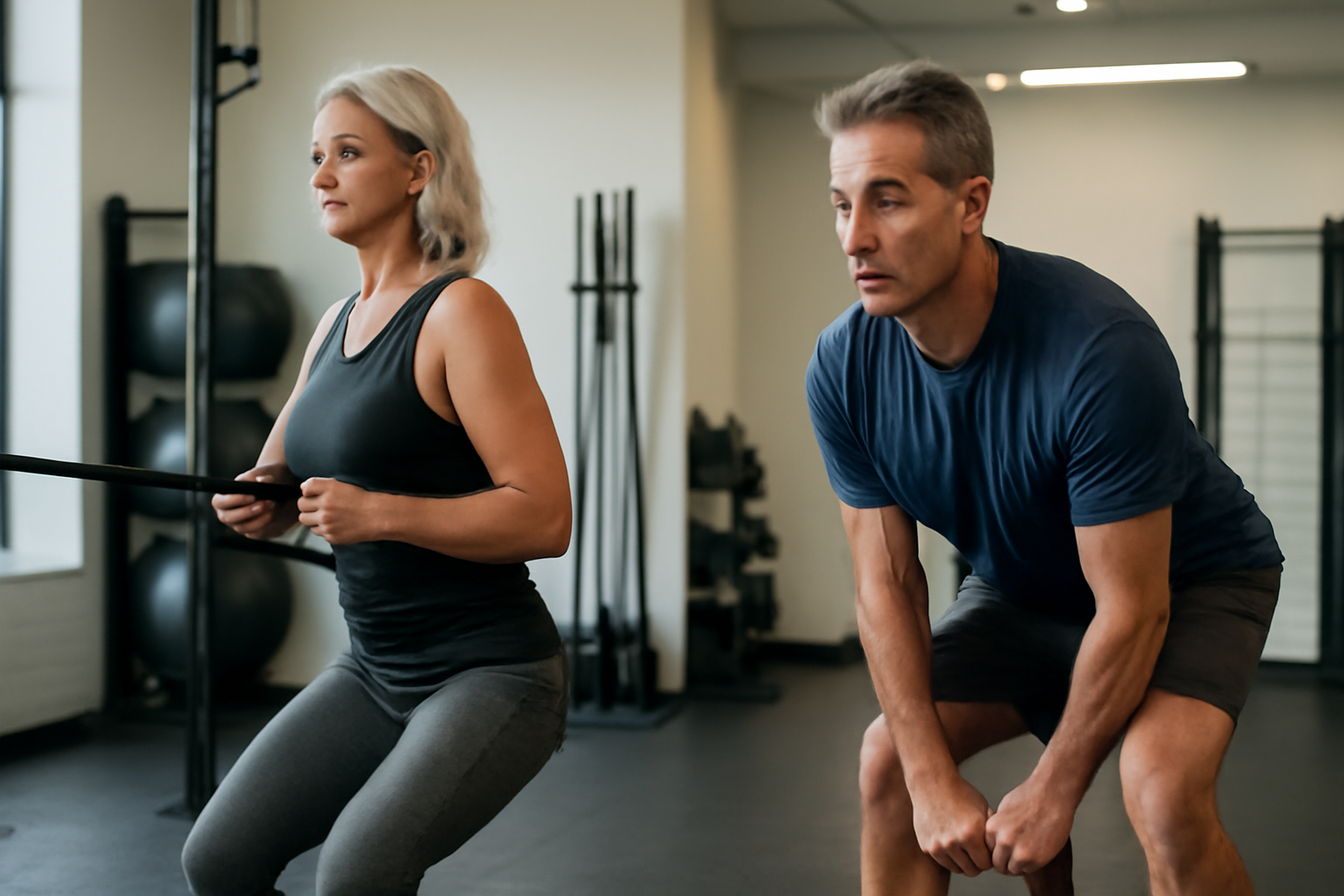
  • Core Strength Training: The Complete Guide for Adults

    Core Strength Training: The Complete Guide for Adults

    Core Strength Training: The Complete Guide for Adults

    A strong core is the foundation of every movement your body makes — and building it strategically can reduce pain, prevent injury, and transform your daily life.

    Introduction

    Meet David, 54, a project manager from Ohio who had dealt with nagging lower back pain for nearly a decade. He tried foam rollers, posture braces, and ergonomic chairs — but nothing seemed to help long-term. It wasn’t until his physical therapist recommended a structured core strength training program that he finally found lasting relief.

    David’s story is far from unique. According to the National Institute of Neurological Disorders and Stroke (NINDS), low back pain affects approximately 80% of Americans at some point in their lives, and weak core musculature is among the most commonly cited contributing factors.

    Despite being one of the most misunderstood concepts in fitness, core strength training is not just about getting six-pack abs. It’s about building a stable, functional midsection that supports everything you do — from lifting groceries to climbing stairs to playing with your grandchildren.

    In this complete guide, you’ll learn exactly what core strength training involves, why it matters at every age, how to get started safely, and how to build a sustainable routine backed by clinical evidence.

    What Is Core Strength Training?

    The "core" refers to a complex system of muscles that stabilize and move the spine, pelvis, and ribcage. Most people think of the core as just the abdominals — the muscles you can see in the mirror — but that’s only part of the picture.

    Your core includes:

    • Rectus abdominis — the front abdominal wall, often called the "six-pack" muscle
    • Transverse abdominis — the deep inner muscle that acts like a natural corset around your spine
    • Internal and external obliques — muscles along your sides that control rotation and lateral movement
    • Multifidus and erector spinae — deep back muscles that protect and move the spine
    • Diaphragm and pelvic floor — the top and bottom of the "core canister" that regulate intra-abdominal pressure
    • Glutes and hip flexors — often considered part of the functional core unit

    Core strength training, therefore, is any exercise or movement practice specifically designed to build strength, stability, and coordination across this entire muscle group — not just the surface muscles.

    According to a review published through the NIH’s National Library of Medicine, core stability training significantly improves functional movement, reduces chronic low back pain, and enhances athletic performance across all age groups. The evidence strongly supports making core work a regular part of adult fitness routines.

    Signs Your Core May Need Strengthening

    You don’t have to be in pain to benefit from core training. However, certain patterns suggest your core muscles may not be performing optimally.

    Early or mild signs of core weakness:

    • Lower back fatigue or discomfort after prolonged sitting or standing
    • Difficulty maintaining an upright posture for extended periods
    • Feeling unstable during single-leg activities like walking up stairs
    • Hip or knee discomfort during exercise that isn’t traced to joint damage
    • Difficulty breathing deeply during physical exertion
    • General feeling of "stiffness" in the mid and lower back upon waking

    More significant signs that warrant evaluation:

    • Chronic low back pain that persists beyond 12 weeks
    • Pelvic floor dysfunction (urinary leakage, pressure, or incontinence)
    • Visible muscle imbalances, like one hip sitting higher than the other
    • Recurring injuries to the lower back, hips, or knees
    • Post-surgical rehabilitation needs affecting the abdomen or spine

    A 2023 systematic review cited in the NIH database found that adults with poor core endurance were significantly more likely to develop musculoskeletal injuries over a 12-month period compared to those with adequate core stability. This underscores why early intervention matters.

    If you experience sharp, radiating, or neurological symptoms such as numbness or tingling down one leg, consult a physician before starting any core training program.

    Causes and Risk Factors for a Weak Core

    Core weakness doesn’t develop overnight. It typically results from a combination of lifestyle factors, age-related changes, and sometimes medical conditions.

    Lifestyle contributors:

    • Prolonged sitting — Research from the American Journal of Epidemiology suggests Americans sit an average of 6 to 8 hours daily. Extended sitting deactivates core stabilizers and shortens hip flexors, both of which compromise core function over time.
    • Sedentary behavior — Muscles that aren’t regularly challenged will weaken through a process called disuse atrophy.
    • Poor breathing mechanics — Chest breathing, rather than diaphragmatic breathing, reduces activation of the deep core muscles.
    • Repetitive movement patterns — Many jobs and sports involve unilateral (one-sided) movements that can create asymmetries in core strength.

    Age-related factors:

    • After age 30, adults naturally begin losing muscle mass in a process called sarcopenia — the gradual, age-related loss of skeletal muscle. According to the CDC, adults can lose 3 to 8% of muscle mass per decade after 30, and the rate accelerates after age 60.
    • Hormonal changes, particularly declining estrogen and testosterone, further affect muscle maintenance in adults over 50.

    Medical and structural risk factors:

    • Pregnancy and postpartum recovery (diastasis recti, or abdominal separation)
    • Prior abdominal or spinal surgeries
    • Conditions like scoliosis, osteoporosis, or degenerative disc disease
    • Obesity — excess abdominal weight shifts the center of gravity, increasing the demand on core structures

    The good news is that most risk factors are addressable with consistent, appropriately designed training. This varies from person to person, so working with a qualified professional is especially important when health conditions are involved.

    Getting Assessed: What to Expect Before You Start

    Before beginning a core strength training program, especially if you have a history of back pain, surgery, or other musculoskeletal conditions, a brief assessment can help you start safely and effectively.

    Who to see:

    • Primary care physician — for medical clearance, especially with back pain history or chronic illness
    • Physical therapist — for a functional movement assessment and personalized program design
    • Certified personal trainer (preferably NSCA, ACSM, or NASM credentialed) — for exercise programming in generally healthy adults

    Common assessments used clinically:

    • McGill’s Core Endurance Tests — a series of timed holds (plank, side bridge, Biering-Sorensen) that measure endurance across different core muscle groups
    • Functional Movement Screen (FMS) — evaluates movement quality and detects asymmetries that might increase injury risk
    • Single-leg stance test — assesses balance and hip/core coordination

    Imaging such as X-rays or MRIs is generally not needed before starting a beginner core program unless you have specific symptoms like nerve pain, significant trauma history, or unexplained pain that has not responded to conservative care.

    The American College of Sports Medicine (ACSM) recommends that most healthy adults can begin low-to-moderate intensity exercise programs without medical testing. However, when in doubt, consult your doctor first.

    Core Strength Training: Evidence-Based Exercises and Approaches

    One of the most important principles in core training is progressive overload — gradually increasing the challenge over time to continue stimulating strength gains. Starting too hard leads to compensation and injury; staying too easy leads to no adaptation.

    Here’s a structured breakdown of core training approaches appropriate for adults at different levels:

    Level 1: Foundation (Beginners and Those Recovering from Pain)

    The goal at this stage is to activate and coordinate the deep core muscles — particularly the transverse abdominis and multifidus — before adding load or complexity.

    • Diaphragmatic breathing — lying on your back, inhaling to expand the belly (not the chest), and exhaling with control. This activates the core canister at the base level.
    • Dead bug — lying on your back, arms extended toward the ceiling, lowering alternating arm and leg while maintaining a flat lower back. Excellent for deep core activation without spinal loading.
    • Bird dog — on hands and knees, extending opposite arm and leg while keeping the spine neutral. Research cited by the NIH supports bird dog as one of the most effective low-load core exercises for reducing back pain.
    • Glute bridge — lying on your back with knees bent, lifting the hips while engaging the glutes and core. Addresses the posterior chain, which is often neglected.
    • Modified plank (knees down) — building anterior core endurance without excessive lumbar stress.

    Level 2: Building Stability (Intermediate)

    Once foundation exercises feel controlled and pain-free, you can progress to more demanding stability challenges.

    • Full forearm plank — holding 20 to 60 seconds with proper form: neutral spine, engaged glutes, no hip sagging or piking
    • Side plank — trains the lateral core (quadratus lumborum, obliques), critical for spinal protection during rotational movements
    • Pallof press — using a resistance band or cable, pressing straight out from the chest while resisting rotation. Highly functional and evidence-supported for anti-rotation strength.
    • Single-leg glute bridge — progressed from the bilateral version, adding hip stability demands
    • Hollow body hold — a gymnastics-inspired exercise that trains anterior core control with full-body integration

    Level 3: Dynamic and Functional Core Training (Advanced)

    At this level, core training becomes integrated with whole-body movements — which is where the most real-world benefit occurs.

    • Turkish get-up — a full-body movement requiring core strength, shoulder stability, and coordination through multiple planes
    • Cable woodchop — diagonal pulling/pushing across the body to train rotational power
    • Loaded carries (farmer’s carry, suitcase carry) — walking with weight challenges the core isometrically in a highly functional way
    • Deadlifts and squats — when performed with proper bracing technique, compound lifts are among the most powerful core-strengthening movements available
    • Medicine ball rotational throws — for rotational power and real-world athletic demand

    A 2022 meta-analysis published through the NIH found that core stability training performed 3 to 5 times per week for at least 8 weeks significantly reduced pain intensity and disability in adults with chronic low back pain compared to general exercise alone. Clinical evidence indicates that both frequency and consistency matter more than any single exercise choice.

    For more comprehensive fitness strategies that complement core training, you may find it helpful to explore our guide on Functional Fitness Training: The Complete Guide for Adults, which covers how core strength fits into real-world movement patterns.

    Living With a Stronger Core: Day-to-Day Integration

    The most effective core training isn’t just what you do in the gym — it’s the habits you build throughout the day.

    Practical strategies to reinforce core strength daily:

    • Practice bracing during lifting — whether picking up a bag of groceries or a dumbbell, inhale, brace your core gently (like you’re bracing for a punch), then lift. This protects your spine every time.
    • Upgrade your sitting habits — try sitting at the edge of your chair with feet flat and spine upright for short periods. This activates core muscles passively. Standing desks used alternately with sitting can also help.
    • Walk with intention — engage your core lightly during walks by maintaining an upright posture and avoiding forward hip tilt. Walking is underrated as a core-activating activity.
    • Practice belly breathing during stress — diaphragmatic breathing is a core exercise you can do anywhere, anytime.
    • Prioritize sleep and recovery — muscles grow and repair during rest. According to the NIH, adults who sleep fewer than 7 hours per night have higher rates of musculoskeletal pain and slower recovery from exercise.

    Nutrition for core muscle development:

    Building core muscle — like all skeletal muscle — requires adequate protein intake. The American College of Sports Medicine and the Academy of Nutrition and Dietetics jointly recommend that active adults consume 1.2 to 2.0 grams of protein per kilogram of body weight per day to support muscle repair and growth. Prioritizing whole food protein sources (lean meats, fish, eggs, legumes, dairy) alongside resistance training creates the best environment for muscle development.

    If you’re also working on lower-body strength to complement your core routine, consider reviewing our guide on Strength Training After 50: The Complete Guide for age-appropriate programming strategies.

    When to Call Your Doctor or Seek Emergency Care

    Core training is safe for the vast majority of adults. However, certain symptoms require immediate medical attention or should prompt a conversation with your physician before continuing exercise.

    🚨 Seek emergency care immediately if you experience:

    • Sudden, severe abdominal or back pain with no prior history
    • Pain radiating down one or both legs accompanied by bladder or bowel changes (possible cauda equina syndrome — a medical emergency)
    • Chest pain, pressure, or shortness of breath during exercise
    • Loss of consciousness or extreme dizziness during activity
    • Sudden severe headache during exertion

    Schedule an appointment with your doctor if:

    • Low back pain has persisted longer than 4 to 6 weeks without improvement
    • You experience significant pain during specific core exercises that doesn’t resolve with rest
    • You notice pelvic floor symptoms (leaking urine, pressure, or heaviness during exercise)
    • You’ve had recent abdominal surgery and want to begin core rehabilitation
    • You’re postpartum and experiencing abdominal separation (diastasis recti)
    • You have osteoporosis and are unsure which exercises are safe for your bone density

    At your next appointment, consider mentioning:

    • Your current fitness level and what you’re hoping to achieve
    • Any pain, discomfort, or restrictions you notice during movement
    • A list of the exercises you’re doing so your provider can flag any that may be contraindicated for your specific health history

    Frequently Asked Questions

    Q: How often should I train my core to see real results?

    Most fitness professionals and clinical research suggest 3 to 5 core training sessions per week is optimal for adults. Unlike large muscle groups that need 48 hours of recovery, lower-intensity core work (like planks and bird dogs) can often be performed daily without overtraining. However, higher-load core exercises should include recovery days. Consistency over weeks and months matters far more than any single session.

    Q: Can core training actually help with chronic lower back pain?

    Research suggests yes — with important caveats. A landmark meta-analysis reviewed by the NIH found that targeted core stability training significantly reduced chronic low back pain in adults over an 8 to 12 week period. However, not all back pain is the same. Some types of pain require specific rehabilitation protocols rather than general core training. Always get a proper diagnosis before treating back pain with exercise on your own.

    Q: Is it safe to do core exercises with osteoporosis?

    Many core exercises are safe and beneficial for people with osteoporosis, but certain movements — particularly ones involving spinal flexion (like crunches and sit-ups) — are generally discouraged due to the risk of vertebral compression fractures. The National Osteoporosis Foundation recommends focusing on exercises that involve spinal extension, lateral movement, and balance. Consult your physician or a physical therapist before starting, as exercise selection should be individualized based on your bone density and fracture risk.

    Q: Are sit-ups and crunches the best core exercises?

    Despite being the most well-known core exercises, sit-ups and traditional crunches are not considered optimal by most sports medicine specialists today. They heavily recruit the hip flexors, place compressive load on lumbar discs, and do relatively little to activate the deep stabilizing muscles. Clinical evidence indicates that exercises like the dead bug, bird dog, plank variations, and loaded carries provide superior core activation with lower injury risk — particularly for adults with any history of back issues.

    Q: How long before I notice results from core training?

    Most people begin to notice functional improvements — better posture, reduced back fatigue, easier movement — within 4 to 6 weeks of consistent training. Visible changes in muscle tone typically take 8 to 12 weeks or longer, depending on body composition and training intensity. Neurological adaptations (how efficiently your brain activates your muscles) often come first and account for many of the early-stage strength gains. This varies from person to person based on age, starting fitness level, nutrition, and recovery quality.

    Conclusion

    Core strength training is one of the most evidence-supported investments you can make in your long-term health and physical function. Whether you’re a 35-year-old desk worker, a 58-year-old managing back pain, or a 68-year-old focused on staying independent and active, building a stronger core changes how your body feels and performs every single day.

    The key is starting where you are, progressing gradually, and choosing exercises that match your current ability and health status. You don’t need an hour in the gym — even 15 to 20 focused minutes, three to five times a week, can produce meaningful, lasting results over time.

    Most importantly, treat your core training as part of a broader health strategy — not a quick fix. Work with your physician and, when needed, a physical therapist or qualified trainer to build a program that’s right for your body and your goals.

    Your core has supported every movement you’ve made your entire life. It’s never too late to start giving it the attention it deserves.


    Medical Disclaimer: This article is for informational and educational purposes only. It does not constitute medical advice, diagnosis, or treatment. Always consult your physician or a qualified healthcare provider before making changes to your health routine or treatment plan.

    Medically reviewed by our editorial health team. Content follows evidence-based standards aligned with CDC and NIH guidelines.
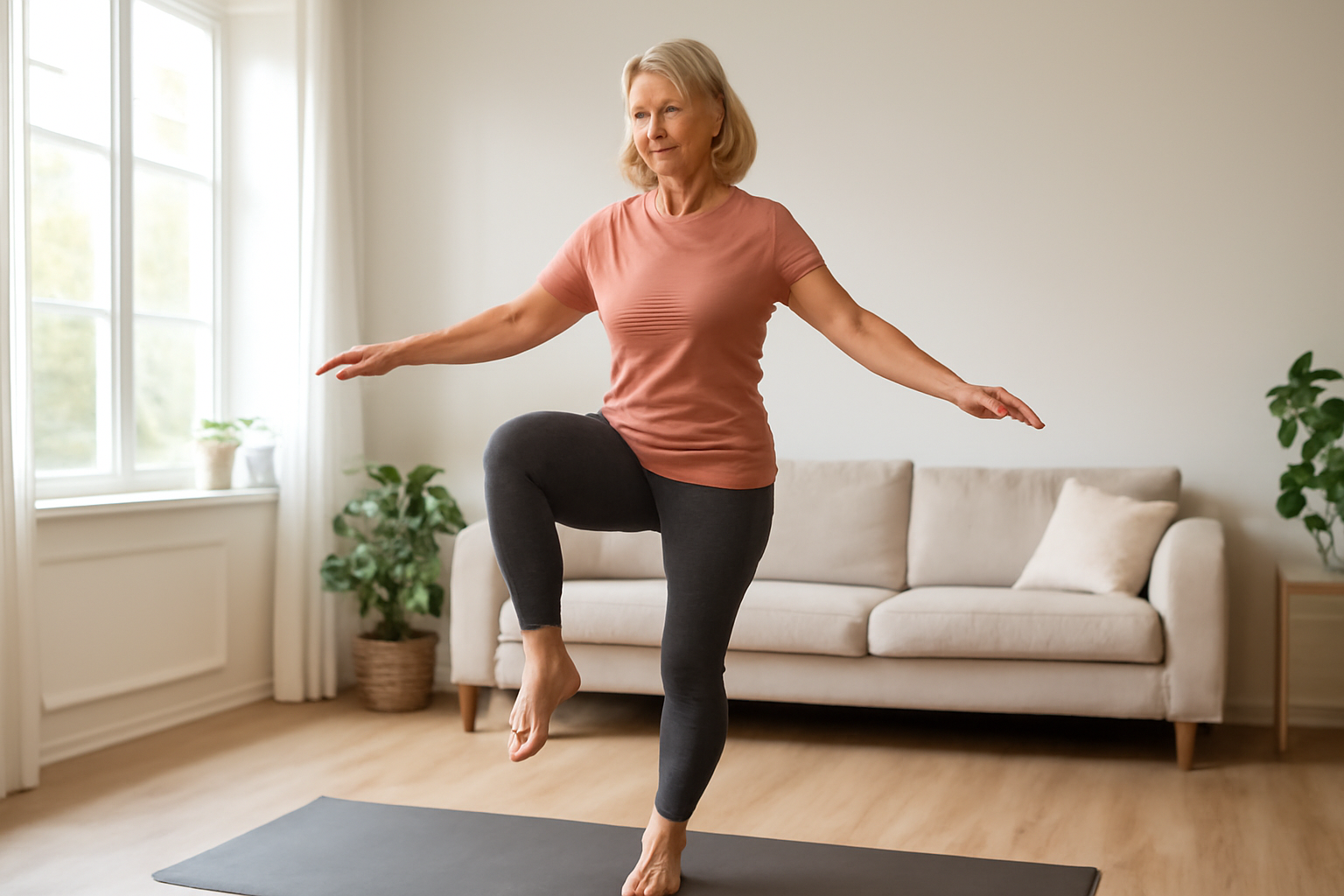
  • Functional Fitness Training: The Complete Guide for Adults

    Functional Fitness Training: The Complete Guide for Adults

    The workout that makes real life easier — backed by science and designed for the way your body actually moves.

    Introduction

    Michael, 54, could bench press 200 pounds at the gym. But when he tried to lift a heavy box into the attic or get up quickly from the floor after playing with his grandkids, he struggled — and his back paid for it later. His strength was impressive on paper, but it wasn’t translating into his daily life.

    That’s exactly the problem that functional fitness training was designed to solve. According to the CDC, more than 36 million adults in the United States fall each year, and a significant portion of those injuries are linked to poor movement quality, weak stabilizer muscles, and a disconnect between gym performance and real-world physical demands.

    Functional fitness training focuses on movements that mirror what your body does every day — squatting, bending, pushing, pulling, twisting, and carrying. In this guide, you’ll learn what functional fitness is, why it matters for adults of all fitness levels, how to get started safely, and how to build a practical routine that supports a stronger, more independent life.

    What Is Functional Fitness Training?

    Functional fitness training is a style of exercise that trains your muscles to work together in coordinated, multi-joint movement patterns — the same patterns you use in everyday activities like climbing stairs, picking up groceries, getting out of a car, or reaching overhead.

    Unlike traditional machine-based gym exercises that isolate a single muscle group (like a leg extension or a bicep curl machine), functional training emphasizes compound movements that engage your core, challenge your balance, and replicate real-life biomechanics.

    The American College of Sports Medicine (ACSM) defines functional fitness as training designed to improve neuromuscular efficiency — meaning your nervous system and muscles communicate better, allowing for safer, more coordinated movement.

    Common functional training tools include your own bodyweight, resistance bands, dumbbells, kettlebells, medicine balls, and suspension trainers like TRX. But the real focus isn’t on the equipment — it’s on the movement quality.

    In the United States, functional fitness has become a cornerstone of physical therapy, athletic training, and senior wellness programs. The NIH recognizes it as one of the most effective training approaches for preserving physical independence in adults over 50.

    Signs You May Need Functional Fitness Training

    You don’t need to be injured or elderly to benefit from functional training. In fact, most adults would see meaningful improvements in daily life with this approach. Here are signs that your fitness routine may be missing a functional component:

    Early signs of poor functional fitness:

    • Stiffness or discomfort when getting up from a chair or the floor
    • Back pain after bending over or lifting common household items
    • Difficulty carrying groceries or luggage without straining
    • Feeling off-balance or unsteady on uneven surfaces
    • Knee or hip discomfort when walking up or down stairs
    • Fatigue after moderate physical activity that used to feel easy

    More advanced signs:

    • Frequent minor injuries from low-effort tasks
    • Chronic lower back or shoulder pain during routine movements
    • Noticeable decline in coordination or reaction time
    • Fear of falling or reluctance to perform physical tasks

    A 2023 study published in the Journal of Aging and Physical Activity found that adults who engaged in functional movement training at least twice per week showed significantly greater improvements in daily task performance than those who performed isolated strength training alone.

    Causes of Poor Functional Movement in Adults

    Poor functional movement rarely has a single cause. It’s typically the result of a combination of factors that compound over time — especially as we age.

    Sedentary lifestyle: The CDC reports that only 24% of American adults meet both the aerobic and muscle-strengthening guidelines set by the Physical Activity Guidelines for Americans. Prolonged sitting leads to tight hip flexors, weak glutes, and an overworked lower back — all of which impair functional movement.

    Muscle imbalances: Traditional gym routines that favor mirror muscles (chest, biceps, quads) while neglecting stabilizers (rotator cuff, glute medius, deep core) create imbalances that show up in daily movement as compensation patterns and injury risk.

    Age-related muscle changes: Sarcopenia — the gradual loss of muscle mass and strength that begins around age 30 and accelerates after 50 — reduces the body’s ability to generate force and maintain coordination. The NIH estimates that sarcopenia affects 10 to 25% of adults over 60.

    Neurological deconditioning: The pathways between your brain and your muscles weaken without regular use. This affects proprioception (your body’s sense of its own position in space), which is critical for balance and coordination.

    Previous injuries: Old sprains, joint surgeries, or chronic pain often lead to compensatory movement patterns that persist long after the original injury heals.

    Obesity and excess body weight: Carrying excess weight changes movement mechanics and increases joint stress, often forcing the body into inefficient movement patterns over time.

    Getting Started: What to Expect

    Before beginning any new exercise program, especially if you are managing a chronic health condition, recovering from injury, or have been sedentary for an extended period, it’s essential to consult your primary care physician or a licensed physical therapist.

    A functional fitness assessment may include:

    • Movement screening: A certified trainer or physical therapist may use tools like the Functional Movement Screen (FMS) to identify asymmetries, mobility restrictions, and compensatory patterns
    • Balance testing: Simple tests like the single-leg stance or timed up-and-go test help establish a baseline
    • Strength and mobility evaluation: Assessing your ability to perform fundamental movements like a squat, hinge, and overhead reach
    • Medical clearance: Your physician may order labs or imaging if you have cardiovascular concerns, joint pain, or other risk factors

    Most healthy adults can begin with beginner-level bodyweight movements and progress gradually. The Cleveland Clinic recommends starting with two to three sessions per week, each lasting 30 to 45 minutes, with at least 48 hours of recovery between full-body sessions.

    If you’re already active, you can likely integrate functional movements into your existing routine. If balance or joint health is a concern, our guides on Balance Training for Adults and Low-Impact Exercise for Joint Health provide excellent complementary starting points.

    Functional Fitness Exercises: A Practical Framework

    Functional training is built around seven foundational movement patterns. Every exercise you do should map to one or more of these patterns:

    1. Squat (knee-dominant)
    Mirrors sitting down and standing up. Strengthens quads, glutes, hamstrings, and core.
    Examples: Bodyweight squat, goblet squat, split squat

    2. Hinge (hip-dominant)
    Mirrors picking something up from the floor safely. Primarily targets glutes, hamstrings, and lower back.
    Examples: Romanian deadlift, kettlebell deadlift, single-leg hinge

    3. Push (horizontal and vertical)
    Mirrors pushing a door open or lifting overhead. Works chest, shoulders, and triceps.
    Examples: Push-up, dumbbell press, wall push-up (modified)

    4. Pull (horizontal and vertical)
    Mirrors pulling open a heavy door or reaching and pulling objects toward you. Works back, biceps, and rear shoulders.
    Examples: Resistance band row, dumbbell row, lat pulldown

    5. Carry (loaded locomotion)
    Mirrors carrying groceries or luggage. Engages the entire body — especially core, grip, and shoulder stability.
    Examples: Farmer’s carry, suitcase carry, overhead carry

    6. Rotate (rotational and anti-rotational)
    Mirrors twisting to look behind you, swinging, or reaching across your body. Core-dominant.
    Examples: Pallof press, woodchop, rotational medicine ball throw

    7. Gait and locomotion
    Mirrors walking, stepping, climbing, and lunging in varied directions.
    Examples: Reverse lunge, lateral step-up, step-over

    A well-designed functional fitness session typically includes movements from three to five of these categories. You don’t need to hit all seven in every workout — variety across the week is what matters.

    Research published in the journal PLOS ONE found that adults who trained all seven movement patterns regularly over 12 weeks showed statistically significant improvements in functional independence scores, grip strength, and reported quality of life compared to a control group.

    Living With Functional Fitness: Long-Term Management and Prevention

    One of the greatest strengths of functional fitness training is that it’s inherently sustainable. Because it reinforces movements you already do every day, it doesn’t feel disconnected from real life — and that makes it easier to stick with over the long term.

    Building a consistent habit:

    • Aim for 2 to 4 functional training sessions per week, depending on your recovery capacity
    • Pair functional training with cardiovascular activity — walking, swimming, or cycling — for comprehensive health benefits
    • Use daily activities as mini training opportunities: practice good hinge mechanics when picking up objects, engage your core while standing in line, take stairs deliberately and mindfully

    Progression principles: Clinical evidence from Mayo Clinic indicates that gradual, progressive overload — slowly increasing resistance, complexity, or range of motion over time — is the most effective and safest way to build functional strength. Rushing progression is one of the most common causes of injury in adults returning to exercise.

    Recovery matters: Functional training still creates muscular stress and demands proper recovery. Make sure you’re getting 7 to 9 hours of sleep, staying hydrated, and consuming adequate protein (most physicians recommend 0.7 to 1.0 grams per pound of body weight daily for active adults). For more detail on smart recovery strategies, see our guide on Exercise Recovery: How to Recover Faster and Train Smarter.

    Prevention through movement quality: Research from Johns Hopkins suggests that adults who maintain consistent functional movement training significantly reduce their risk of age-related disability, fall-related injury, and loss of independence. The investment made in movement quality in your 40s and 50s pays substantial dividends in your 60s and 70s.

    This varies from person to person: Your ideal functional training frequency, intensity, and exercise selection depends on your current fitness level, health history, and goals. Working with a certified personal trainer (look for NASM, ACE, or NSCA credentials) or a licensed physical therapist can help you build a program tailored to your needs.

    When to Call Your Doctor or Seek Emergency Care

    Functional fitness is generally very safe for most adults, but there are situations where medical guidance is essential before or during training.

    Consult your doctor before starting if you have:

    • Uncontrolled hypertension or a recent cardiac event
    • A current or recent joint injury (knee, hip, shoulder, or spine)
    • Osteoporosis or a history of stress fractures
    • Diabetes with neuropathy or balance-affecting complications
    • Any condition where physical activity is currently restricted

    Stop exercising and seek immediate care if you experience:

    • Chest pain, chest tightness, or pressure during or after exercise
    • Shortness of breath disproportionate to your exertion level
    • Sudden severe joint pain, especially with swelling or inability to bear weight
    • Dizziness, lightheadedness, or near-fainting
    • Heart palpitations (irregular or racing heartbeat)
    • Sudden or severe headache during exercise

    At your next routine appointment, mention:

    • Any persistent joint soreness lasting more than 72 hours after a session
    • Recurring lower back pain or sciatic-type symptoms
    • Gradual loss of balance or increasing unsteadiness
    • Fatigue that seems out of proportion to your activity level

    Frequently Asked Questions

    Q: Is functional fitness training appropriate for beginners?
    A: Yes — functional training is highly adaptable. Many foundational movements can be modified to any fitness level. Beginners typically start with bodyweight-only exercises and gradually add resistance as strength and coordination improve. The key is mastering movement quality before adding load.

    Q: How is functional fitness different from strength training?
    A: Traditional strength training often isolates individual muscles using machines or fixed movement planes. Functional training emphasizes multi-joint, multi-plane movements that train muscles to work together in coordination. Both have value, and many evidence-based programs combine elements of both. You can learn more in our guide to Strength Training After 50.

    Q: How quickly will I see results from functional fitness training?
    A: Most people begin to notice improvements in daily movement quality and energy within 4 to 6 weeks of consistent training. Measurable strength and balance gains are typically evident at 8 to 12 weeks. This varies from person to person based on starting fitness level, age, consistency, and nutrition.

    Q: Can I do functional fitness training if I have joint pain or arthritis?
    A: Research suggests that appropriately modified functional training can actually help reduce joint pain and stiffness associated with osteoarthritis. However, you should always consult your physician or a physical therapist before beginning if you have active joint disease. Low-impact modifications and reduced range of motion are commonly used to make functional training safe and effective for adults managing joint conditions.

    Q: Do I need special equipment for functional fitness?
    A: No. Your own bodyweight is sufficient to build a highly effective functional fitness routine, especially in the early stages. As you progress, resistance bands, dumbbells, or kettlebells can add variety and challenge. Many physical therapists and certified trainers design full functional programs requiring no equipment at all.

    Conclusion

    Functional fitness training isn’t just another fitness trend — it’s a scientifically grounded approach to exercise that prepares your body for the demands of real life. Whether you’re 35 and trying to move better, 55 and focused on preserving independence, or 68 and working to stay active on your own terms, functional training offers practical, measurable benefits.

    The movements are accessible, the progressions are clear, and the results show up not just in the gym, but in every box you lift, every staircase you climb, and every moment you move with confidence and ease.

    Start where you are. Move with intention. And always work with your healthcare provider to make sure your program is right for your individual health profile.


    Medical Disclaimer: This article is for informational and educational purposes only. It does not constitute medical advice, diagnosis, or treatment. Always consult your physician or a qualified healthcare provider before making changes to your health routine or treatment plan.

    Medically reviewed by our editorial health team. Content follows evidence-based standards aligned with CDC and NIH guidelines.

  • Balance Training for Adults: The Complete Guide

    Balance Training for Adults: The Complete Guide

    Balance Training for Adults: The Complete Guide

    Poor balance is one of the most underestimated health risks in adults — and one of the most preventable.

    Every 11 seconds, an older adult is treated in an emergency room for a fall-related injury. According to the CDC, falls are the leading cause of injury — and injury death — among Americans aged 65 and older, costing the U.S. healthcare system more than $50 billion annually. But here’s what most people don’t realize: balance begins to decline as early as your 30s, and by the time you notice it, the deficit has already been building for years.

    Meet David, 52, a project manager from Ohio who thought his occasional stumbling on the stairs was just clumsiness. It wasn’t. His physical therapist discovered significant proprioceptive decline — meaning his brain and muscles were no longer communicating efficiently about body position. Six weeks of targeted balance training changed his stability, his confidence, and his long-term fall risk dramatically.

    This guide will walk you through everything you need to know about balance training: what it is, why it matters at every age, how to assess your current balance, and which exercises are safe, effective, and backed by clinical evidence. Whether you’re 35 or 70, this information could be one of the most important things you read for your long-term health.

    What Is Balance Training?

    Balance training is a structured form of physical exercise designed to improve your body’s ability to maintain controlled positions — whether you’re standing still, moving, or reacting to unexpected shifts. It targets the three core systems your body uses to maintain equilibrium: the vestibular system (inner ear), the visual system (eyes), and the proprioceptive system (sensory feedback from muscles and joints).

    When all three systems work in harmony, you move confidently through everyday life — stepping off a curb, carrying groceries up stairs, or catching yourself when you trip. When one or more systems are weak or poorly coordinated, the risk of falls and injuries increases significantly.

    According to the National Institute on Aging (NIA), balance is a trainable skill, not a fixed trait. Research consistently shows that adults of all ages who engage in regular balance-focused exercise improve their postural stability, reduce fall risk, and maintain independence longer than those who don’t.

    Balance training differs from general fitness in that it specifically challenges your neuromuscular system — the connection between your nervous system and muscles. It often looks deceptively simple, but exercises like standing on one foot or walking heel-to-toe demand intense coordination from your brain and body working together.

    Signs Your Balance May Be Declining

    Balance decline rarely announces itself loudly. It tends to creep in gradually, often dismissed as tiredness, age, or awkwardness. Knowing the warning signs allows you to intervene early — when balance training is most effective.

    Early signs of balance decline:

    • Feeling unsteady when standing on one foot, even briefly
    • Needing to touch walls, furniture, or other people for support more often
    • Slight stumbling on uneven surfaces like grass or gravel
    • Noticing your gait (the way you walk) has become slower or more shuffling
    • Difficulty turning quickly without feeling dizzy or off-center
    • Feeling uncertain in low-light environments such as at night

    More advanced signs that warrant medical evaluation:

    • Frequent near-falls or actual falls
    • Persistent dizziness or vertigo (a spinning sensation)
    • Unexplained asymmetry — favoring one side heavily when walking
    • Loss of balance during simple activities like showering or dressing
    • Feeling your feet are "not quite there" beneath you — a sign of potential neuropathy

    A 2023 study published in JAMA Network Open found that adults who could not stand on one leg for at least 10 seconds in midlife had a nearly doubled risk of all-cause mortality over the following decade — underscoring just how powerfully balance reflects overall health status.

    Causes and Risk Factors for Poor Balance

    Balance decline has multiple causes, and in many adults, several factors overlap. Understanding your personal risk profile helps you and your doctor design the most targeted approach.

    Age-related changes: After age 40, muscle mass declines at roughly 1% per year — a process called sarcopenia. Simultaneously, proprioceptive nerve fibers lose sensitivity, and the vestibular system becomes less responsive. These changes are universal but not inevitable in severity.

    Chronic conditions: Several common health conditions directly impair balance. These include:

    • Type 2 diabetes — peripheral neuropathy (nerve damage in the feet and legs) affects sensation and proprioception
    • Parkinson’s disease — disrupts motor control and postural reflexes
    • Multiple sclerosis — affects nerve signal transmission throughout the body
    • Inner ear disorders such as Ménière’s disease or benign paroxysmal positional vertigo (BPPV)
    • Osteoarthritis — joint pain alters normal movement patterns and muscle activation

    Medications: According to the American Geriatrics Society, polypharmacy — taking five or more medications — significantly increases fall risk. Blood pressure medications, sedatives, muscle relaxants, and certain antihistamines can all impair balance as a side effect. Never stop medications without consulting your physician, but do discuss balance-related concerns openly.

    Lifestyle factors: Physical inactivity is the single most modifiable risk factor for balance decline. Sedentary behavior weakens the core muscles, hip stabilizers, and ankle muscles that are essential for postural control. The CDC reports that fewer than 25% of U.S. adults meet federal guidelines for both aerobic and muscle-strengthening activity — a deficit that directly translates to balance vulnerability.

    How Balance Is Assessed: What to Expect

    If you or your doctor suspects balance impairment, a formal assessment can provide a clear baseline and guide your exercise plan. These evaluations are often performed by physical therapists, geriatricians, or sports medicine physicians.

    Common clinical balance tests include:

    • Berg Balance Scale — a 14-item test evaluating sitting, standing, and transitional movements, widely used in clinical settings
    • Timed Up and Go (TUG) Test — measures how long it takes you to rise from a chair, walk 10 feet, turn around, and sit back down. Taking longer than 12 seconds indicates elevated fall risk
    • Single-Leg Stance Test — standing on one foot with eyes open and closed; inability to hold for 10 seconds is clinically significant
    • Functional Reach Test — measures how far you can reach forward without stepping or falling

    If dizziness is a prominent symptom, your physician may refer you to an ENT specialist (ear, nose, and throat doctor) or neurologist to rule out vestibular disorders. Blood tests may also be ordered to check for vitamin B12 deficiency or thyroid dysfunction, both of which can impair neurological function and contribute to balance problems.

    Clinical evidence from the NIH suggests that early identification of balance deficits — even before a fall occurs — allows for interventions that can reduce fall risk by up to 37% in community-dwelling older adults.

    Balance Training Exercises: Safe, Effective, Evidence-Based

    The good news: you don’t need expensive equipment or a gym membership to meaningfully improve your balance. Research supports a progressive approach — starting with stable surfaces and gradually introducing greater challenge as your stability improves.

    Always consult your physician or physical therapist before starting a new exercise program, especially if you have a chronic condition, have had a recent fall, or experience dizziness.

    Beginner Level — Building the Foundation:

    • Heel-to-Toe Walk (Tandem Walk): Walk in a straight line placing the heel of one foot directly in front of the toes of the other. Do 20 steps. Use a wall for support initially.
    • Single-Leg Stand: Stand on one foot, holding a chair lightly for support. Aim for 10–30 seconds per leg. Progress by reducing or removing hand support.
    • Seated Leg Raises: While seated, extend one leg straight out and hold for 3 seconds. Builds hip flexor and quadriceps strength that supports upright balance.
    • Sit-to-Stand: Rise from a chair without using your hands as much as possible. This compound movement trains leg strength, hip stability, and dynamic balance simultaneously.

    Intermediate Level — Adding Challenge:

    • Balance Board or Foam Pad Standing: Standing on an unstable surface forces your ankles and core to fire continuously.
    • Side-Leg Raises: Standing on one leg, lift the opposite leg to the side. Targets hip abductors critical for lateral stability.
    • Clock Reach: Stand on one foot, extend your free leg and "point" to positions on an imaginary clock face. Challenges dynamic balance and proprioception.
    • Tai Chi basics: Research published in the New England Journal of Medicine demonstrated that Tai Chi reduced falls in older adults by up to 47%. Its slow, deliberate weight shifts are ideal for building balance confidence.

    Advanced Level — Functional Integration:

    • Single-leg deadlifts with body weight
    • Lateral step-ups onto a low platform
    • Walking with head turns — challenges the vestibular system under motion
    • Yoga poses such as Tree Pose or Warrior III, which integrate core stability with proprioceptive demand

    The American College of Sports Medicine (ACSM) recommends balance training at least 2–3 days per week for older adults, with sessions as short as 10–15 minutes still producing measurable benefit over time.

    If you’re also working on building overall physical resilience, you may find it helpful to explore Strength Training After 50: The Complete Guide, as lower-body strength and balance training work synergistically. Similarly, if joint pain is limiting your exercise options, Low-Impact Exercise for Joint Health: The Complete Guide offers complementary strategies.

    Living With Balance Challenges: Daily Management and Prevention

    Balance training doesn’t only happen during dedicated exercise sessions. A few environmental and lifestyle adjustments can dramatically reduce your day-to-day fall risk while your neuromuscular system develops through structured exercise.

    Home safety modifications:

    • Install grab bars in the shower and beside the toilet
    • Remove loose rugs and clutter from walking paths
    • Ensure adequate lighting in all rooms, especially hallways and staircases
    • Use non-slip mats in the bathroom
    • Consider night lights for trips to the bathroom after dark

    Footwear matters more than most people realize. The CDC specifically recommends wearing shoes with low heels, firm soles, and good ankle support — avoiding slip-on shoes or bare feet on smooth surfaces, particularly in older adults.

    Nutrition for balance: Vitamin D deficiency is directly linked to muscle weakness and impaired neuromuscular function. According to the NIH, approximately 35% of U.S. adults are vitamin D insufficient. Research suggests that correcting vitamin D deficiency — under medical supervision — may reduce fall risk by improving muscle strength and coordination. Adequate calcium intake also supports bone density, reducing the severity of injuries if a fall does occur.

    Vision care: Have your eyes examined annually. Uncorrected vision problems significantly worsen balance by degrading one of the three key inputs your body uses for spatial orientation.

    For those whose balance challenges are partly driven by cardiovascular deconditioning, Cardio Exercise for Heart Health: The Complete Guide provides a safe, structured framework that complements your balance work.

    When to Call Your Doctor — Red Flags and Emergency Signs

    While gradual balance decline is common and addressable with exercise, certain symptoms indicate an urgent need for medical evaluation. Don’t dismiss these as "just getting older."

    Call your doctor promptly if you experience:

    • A sudden onset of dizziness or vertigo that is new or unusually severe
    • Balance problems accompanied by headache, neck pain, or visual changes
    • Numbness or tingling in the feet or legs alongside balance issues
    • A fall that results in pain, swelling, or difficulty bearing weight
    • Progressive worsening of balance over weeks despite no obvious cause

    Call 911 or go to the emergency room immediately if:

    • You experience sudden loss of balance with slurred speech, facial drooping, or arm weakness — these are signs of a possible stroke
    • You fall and hit your head, especially if you are on blood thinners (anticoagulants)
    • You have a fall with severe pain in the hip, wrist, or spine, suggesting a possible fracture
    • You experience sudden extreme vertigo with vomiting that does not resolve

    What to tell your doctor at your next visit: Bring a list of all your current medications, describe any near-falls or actual falls in the past year, and ask specifically about a balance assessment and physical therapy referral. Many insurance plans, including Medicare, cover physical therapy for fall prevention when medically indicated.

    Frequently Asked Questions

    Q: At what age should I start balance training?
    A: Ideally, everyone over 30 benefits from incorporating some balance work into their routine. Proprioceptive decline begins in the fourth decade of life. That said, it is never too late to start — clinical evidence from the NIH confirms that even adults in their 80s and 90s can improve balance meaningfully with structured training.

    Q: How long does it take to see results from balance training?
    A: Research suggests most adults notice measurable improvements in stability and confidence within 4–8 weeks of consistent practice 2–3 times per week. This varies from person to person depending on baseline fitness, age, and the presence of underlying health conditions.

    Q: Is yoga or Tai Chi better than traditional balance exercises?
    A: Both are highly effective and well-supported by clinical evidence. Tai Chi has the strongest evidence base specifically for fall reduction in older adults, while yoga has demonstrated benefits for proprioception, core stability, and mental focus. Traditional physical therapy balance exercises offer the most targeted approach for addressing specific deficits. Many people benefit from combining approaches.

    Q: Can balance problems be completely reversed?
    A: In many cases, significant improvement is achievable — but "complete reversal" depends on the underlying cause. Balance problems due to sedentary lifestyle, weak muscles, or correctable vitamin deficiencies often respond very well to treatment. Balance impairment from neurological conditions such as Parkinson’s or peripheral neuropathy can be significantly managed but may not be fully reversed. Your physician and physical therapist can give you realistic, personalized expectations.

    Q: Should I use a cane or walker if I have balance problems?
    A: If your physician or physical therapist recommends an assistive device, use it without hesitation. A cane or walker does not mean giving up — it means protecting yourself while you work on building your balance capacity. Many people use assistive devices temporarily during rehabilitation and are able to reduce dependence over time with consistent training.

    Conclusion

    Balance is not just a fitness metric — it is a fundamental pillar of your independence, safety, and quality of life. The research is clear: balance declines with age, but that decline is not inevitable in its severity. With consistent, well-structured training, adults at virtually every age and fitness level can rebuild stability, reduce fall risk, and move through daily life with greater confidence.

    Start where you are. Even 10 minutes of balance-focused movement three times a week produces real, measurable results. Talk to your doctor about a formal assessment, ask about physical therapy if appropriate, and use the exercises in this guide as a starting point — not an endpoint.

    Your balance is trainable. Your future independence is worth the effort.


    Medical Disclaimer: This article is for informational and educational purposes only. It does not constitute medical advice, diagnosis, or treatment. Always consult your physician or a qualified healthcare provider before making changes to your health routine or treatment plan.

    Medically reviewed by our editorial health team. Content follows evidence-based standards aligned with CDC and NIH guidelines.