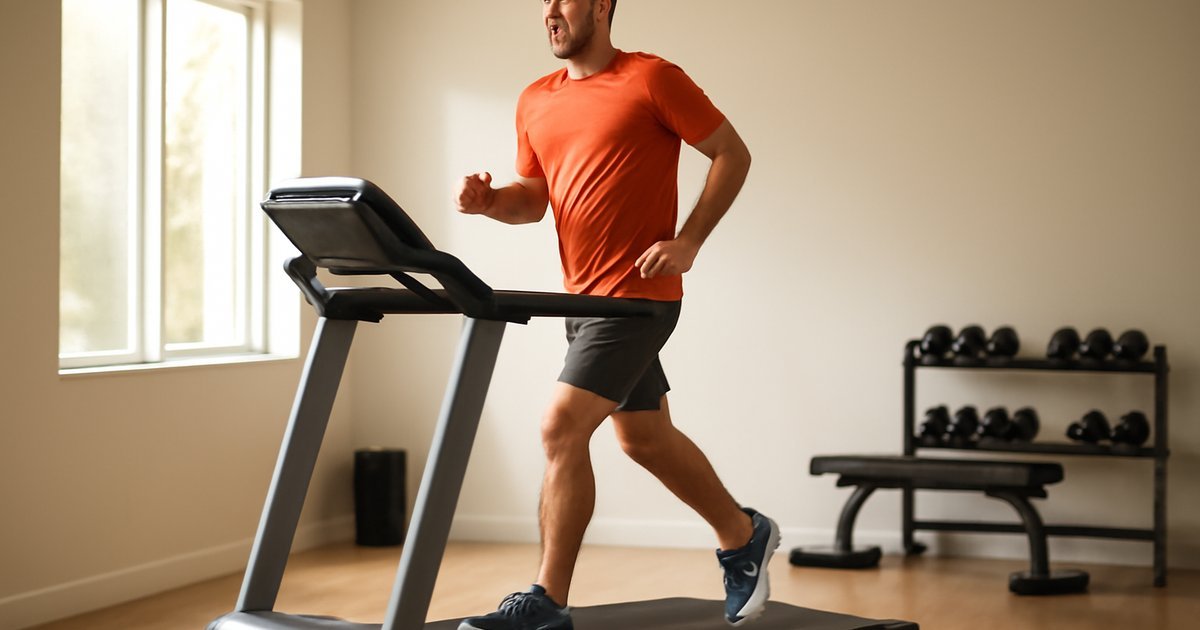
Treadmill Workouts for Adults: Benefits, Plans & Tips
One of the most accessible pieces of gym equipment can also be one of the most powerful tools for improving cardiovascular health, managing weight, and boosting mental well-being.
Mark, 52, had been dealing with mild hypertension for two years. His cardiologist gave him a clear recommendation: get moving. The problem? He hated running outside, had bad knees, and felt lost in the gym. Then he started using the treadmill in his building’s fitness room three times a week. Within six months, his blood pressure had improved, he had lost 18 pounds, and he was sleeping better than he had in years.
According to the American Heart Association, fewer than 25% of American adults meet the recommended weekly physical activity guidelines. Yet the treadmill — found in nearly every gym, YMCA, and many homes across the country — offers one of the most flexible, safe, and evidence-backed ways to bridge that gap. Whether you are 35 or 70, a beginner or a seasoned exerciser, treadmill workouts can be adapted to meet your exact fitness level and health goals.
In this guide, you will learn the science-backed benefits of treadmill exercise, how to build an effective routine, what common mistakes to avoid, and when treadmill walking or running may need medical clearance first.
What Are Treadmill Workouts?
A treadmill is a motorized exercise machine that allows you to walk, jog, or run on a moving belt at controlled speeds and incline levels — indoors, regardless of weather or terrain. Treadmill workouts are structured exercise sessions that use this equipment to achieve specific health or fitness outcomes, ranging from gentle cardiovascular conditioning to high-intensity interval training.
Treadmills are among the most used pieces of exercise equipment in the United States. According to the Sports & Fitness Industry Association (SFIA), treadmills consistently rank as the number one piece of home fitness equipment purchased by Americans each year. Their popularity is largely due to their versatility: you can control speed, incline, and duration to customize every single session.
From a clinical standpoint, treadmill exercise is considered a weight-bearing aerobic activity, which means it simultaneously supports cardiovascular health and bone density — a dual benefit that makes it especially valuable for adults over 40. Research published by the NIH confirms that regular aerobic exercise performed on a treadmill can contribute meaningfully to reducing the risk of cardiovascular disease, type 2 diabetes, and metabolic syndrome.
Health Benefits of Treadmill Exercise for Adults
Clinical evidence consistently supports the wide-ranging health benefits of treadmill-based exercise. Here is what the research indicates:
- Cardiovascular health: Regular treadmill workouts strengthen the heart muscle, improve circulation, and help lower resting blood pressure. The American Heart Association recommends at least 150 minutes of moderate-intensity aerobic activity per week, and treadmill walking is one of the easiest ways to meet that goal.
- Weight management: A 155-pound adult burns approximately 300–400 calories per hour walking briskly on a treadmill, according to Harvard Health Publishing. Adding incline or speed intervals increases that number significantly.
- Blood sugar regulation: A 2023 meta-analysis published in Diabetes Care found that structured aerobic exercise — including treadmill walking — significantly reduced fasting blood glucose levels in adults with type 2 diabetes. If you are managing blood sugar, you may want to explore our guide on Exercise and Blood Sugar Control: What Adults Need to Know.
- Bone density: Because treadmill walking is a weight-bearing activity, it helps maintain and improve bone mineral density, reducing the risk of osteoporosis in older adults.
- Mental health: Research from the Mayo Clinic confirms that regular aerobic exercise reduces symptoms of anxiety and depression by triggering the release of endorphins and improving sleep quality.
- Joint-friendly conditioning: Modern treadmills feature cushioned decks that reduce impact compared to outdoor pavement, making them gentler on the knees and hips.
- Consistency: Indoor exercise eliminates weather-related barriers, making it easier to maintain a regular routine year-round.
This variety of benefits explains why physicians and physical therapists frequently recommend treadmill-based programs as part of cardiac rehabilitation, diabetes management plans, and post-surgical recovery protocols.
Who Should Consider Treadmill Workouts?
Treadmill exercise is broadly appropriate for most adults, but it is particularly well-suited for certain groups:
- Adults managing hypertension or heart disease (with physician clearance)
- People with type 2 diabetes looking to improve insulin sensitivity
- Adults over 50 who want weight-bearing activity without the risk of outdoor terrain
- Beginners who need a controlled, measurable environment to build fitness gradually
- People recovering from lower-body injuries, using walking speeds as physical therapy
- Busy professionals who prefer the convenience of indoor exercise
Important: If you have a known heart condition, severe osteoarthritis, recent joint replacement, or any chronic condition, consult your physician before beginning a new treadmill program. This is especially true for adults over 60 or those who have been sedentary for an extended period.
Treadmill Workout Plans for Every Fitness Level
One of the greatest strengths of treadmill training is its scalability. Below are three structured plans tailored to different fitness levels. Always warm up for 3–5 minutes at a slow walking pace before any session.
Beginner Plan (Weeks 1–4): Building the Base
Goal: Develop cardiovascular endurance and establish a consistent routine.
- Frequency: 3 days per week
- Duration: 20–30 minutes per session
- Speed: 2.5–3.5 mph (comfortable walking pace)
- Incline: 0–1%
- Structure: Steady-state walking at a pace where you can hold a conversation but feel slightly breathless
- Cool-down: 3 minutes at 2.0 mph
Intermediate Plan (Weeks 5–10): Adding Intensity
Goal: Improve cardiovascular efficiency and burn more calories.
- Frequency: 4 days per week
- Duration: 35–45 minutes per session
- Speed: 3.5–4.5 mph (brisk walking to light jogging)
- Incline: Alternate 2 minutes at 0% with 2 minutes at 4–6%
- Structure: 10-minute warm-up walk → 20 minutes of incline intervals → 10-minute cool-down
- Tip: Increasing incline mimics uphill walking and significantly boosts calorie burn without increasing speed-related joint stress.
Advanced Plan (Weeks 11+): Treadmill Interval Training
Goal: Maximize cardiovascular conditioning and metabolic output.
- Frequency: 4–5 days per week
- Duration: 40–50 minutes per session
- Structure (sample session):
- 5-minute warm-up at 3.0 mph
- 8 rounds of: 1 minute at 6.0–7.5 mph + 90 seconds at 3.5 mph recovery
- 5-minute cool-down at 2.5–3.0 mph
- Incline variation: Add 1–2% base incline to simulate outdoor running resistance
Clinical evidence from the NIH indicates that interval-style treadmill training — alternating between higher and lower intensities — can improve VO2 max (a key marker of cardiovascular fitness) more effectively than steady-state exercise alone. If you are new to interval training, our Morning Exercise Routine guide offers complementary strategies to structure your entire day around fitness.
Common Treadmill Mistakes Adults Should Avoid
Even experienced exercisers make errors on the treadmill that can reduce results or increase injury risk. Here are the most clinically significant ones:
- Holding the handrails excessively: Gripping the rails reduces caloric expenditure by up to 20% and promotes poor posture. Use them only for balance when needed, especially when first adjusting to incline or speed changes.
- Setting the incline at 0%: A completely flat treadmill actually places more stress on the knees than a slight incline. Most physical therapists recommend a 1% incline as a neutral baseline to better simulate outdoor walking biomechanics.
- Looking down at your feet: This strains the neck and disrupts natural gait. Keep your gaze forward and your chin level.
- Skipping the warm-up: Jumping straight into high-speed walking or running without warming up increases muscle injury risk, particularly for adults over 40 whose tissues require more time to reach optimal temperature and elasticity.
- Overstriding: Taking steps that are too long can create a braking force that stresses the knees and hips. Aim for shorter, quicker steps with your foot landing beneath your hips.
- Increasing intensity too quickly: Research suggests increasing weekly workout volume by no more than 10% per week to reduce the risk of overuse injuries such as shin splints, stress fractures, or Achilles tendinopathy.
- Ignoring hydration: Indoor exercise in a gym or home environment can be deceptively dehydrating. Drink water before, during, and after every session.
Adapting Treadmill Workouts When You Have a Health Condition
Many adults using treadmills are also managing one or more chronic conditions. Here is how clinical evidence suggests adapting your approach:
Arthritis or joint pain: Low-speed walking (2.0–2.5 mph) on a cushioned treadmill is generally well tolerated and may actually reduce joint pain over time by strengthening surrounding muscles. Avoid high inclines if you have significant knee osteoarthritis. This varies from person to person, so check with your orthopedic specialist.
Hypertension: Moderate-intensity treadmill walking is considered first-line lifestyle therapy for high blood pressure by the American Heart Association. Research indicates that consistent aerobic exercise can reduce systolic blood pressure by 4–9 mmHg — comparable in some cases to low-dose antihypertensive medication.
Type 2 diabetes: Walking after meals — even for just 10–15 minutes on a treadmill — has been shown to reduce post-meal blood sugar spikes significantly. Always monitor your blood sugar before and after exercise if you are on insulin or sulfonylureas, as hypoglycemia (low blood sugar) is a real risk.
Obesity: Start with 15–20 minutes of walking at a comfortable pace and gradually increase duration before increasing speed. Incline walking is often more comfortable than jogging for individuals carrying extra weight and provides a high caloric burn.
Depression or anxiety: Clinical guidelines from the American Psychiatric Association recognize aerobic exercise as an evidence-based complementary treatment for mild to moderate depression. Even 30 minutes of treadmill walking three times per week has demonstrated meaningful improvements in mood scores in multiple trials.
When to Call Your Doctor or Seek Emergency Care
Treadmill exercise is safe for most adults, but there are important warning signs that should never be ignored:
Stop exercising immediately and call 911 if you experience:
- Chest pain, pressure, tightness, or squeezing during or after exercise
- Sudden shortness of breath that is disproportionate to your effort level
- Dizziness, lightheadedness, or feeling faint while on the treadmill
- Heart palpitations that feel rapid, irregular, or pounding
- Sudden severe pain in the chest, arm, jaw, or back
- Loss of consciousness or near-fainting
Schedule an appointment with your doctor if you notice:
- Persistent pain in the knees, shins, hips, or ankles after sessions
- Unusual fatigue that does not improve with rest
- Significant shortness of breath at low-intensity levels
- Blood sugar readings that are consistently too high or too low after exercise
- Any new or worsening symptom related to a pre-existing condition
Before starting a new program, talk to your doctor if you:
- Are over 60 and have been sedentary for more than one year
- Have a diagnosed heart condition, diabetes, or severe osteoporosis
- Are pregnant or recently postpartum
- Are currently recovering from surgery or a significant injury
For many adults, treadmill exercise is a component of a broader fitness strategy. You might also consider exploring Strength Training for Adults to complement your treadmill routine with muscle-building work that supports long-term metabolic health.
Frequently Asked Questions About Treadmill Workouts
How many days a week should I use the treadmill?
Most fitness professionals and the CDC recommend 150 minutes of moderate-intensity aerobic activity per week. For most adults, this translates to 30 minutes of treadmill walking five days per week, or 45–50 minutes three to four days per week. Begin with three days if you are a beginner and increase gradually.
Is walking on a treadmill as effective as walking outdoors?
Research suggests the two are broadly comparable in cardiovascular benefit when intensity is matched. Outdoor walking does engage slightly more stabilizing muscles due to varied terrain, but adding a 1–2% incline on a treadmill effectively compensates for this difference. Treadmill walking offers the advantage of controlled conditions and measurable data.
Can treadmill workouts help me lose belly fat?
Clinical evidence indicates that consistent aerobic exercise, including treadmill workouts, contributes to overall body fat reduction — including visceral fat (the fat stored around abdominal organs). However, fat loss is not spot-specific. A caloric deficit through a combination of exercise and dietary habits is required for meaningful fat loss. Research suggests that high-intensity interval treadmill training may be particularly effective at reducing visceral fat.
Is a treadmill safe for people with bad knees?
For most people with mild to moderate knee osteoarthritis or general knee discomfort, low-speed treadmill walking on a cushioned surface is considered safe and may even help reduce pain by strengthening the quadriceps and surrounding musculature. Avoid steep inclines or high-impact running if you have significant knee pathology. Always confirm with your physician or physical therapist before beginning.
What is the ‘12-3-30’ treadmill workout?
The 12-3-30 method became a widely discussed treadmill protocol in which you walk at a 12% incline, at a speed of 3.0 mph, for 30 minutes. While it has not yet been studied in large-scale clinical trials, exercise physiologists note that a 12% incline walk at 3.0 mph demands significant cardiovascular effort and caloric expenditure comparable to light jogging. It may be a reasonable goal for intermediate exercisers, but beginners should work up to that incline level gradually to avoid overloading the calves and Achilles tendon.
The Bottom Line
The treadmill is far more than a machine that collects dust in the corner of a gym. For adults navigating busy schedules, chronic conditions, joint sensitivities, or the simple challenge of staying consistent, it represents one of the most adaptable, evidence-supported tools in modern preventive health.
Whether you start with a gentle 20-minute walk or work up to challenging interval sessions, the key is progressive consistency. Clinical research is clear: even modest improvements in physical activity levels produce meaningful benefits for heart health, blood sugar, bone density, mental well-being, and longevity.
Start where you are. Build from there. And always keep your healthcare provider informed about your fitness goals so they can help you train in the safest, most effective way possible for your individual health profile.
Medical Disclaimer: This article is for informational and educational purposes only. It does not constitute medical advice, diagnosis, or treatment. Always consult your physician or a qualified healthcare provider before making changes to your health routine or treatment plan.
Medically reviewed by our editorial health team. Content follows evidence-based standards aligned with CDC and NIH guidelines.