Pilates for Adults: Benefits, How to Start & Best Practices
Pilates is one of the most evidence-supported low-impact exercise methods for building strength, improving posture, and reducing chronic pain in adults of all fitness levels.
Introduction
Margaret, 54, had spent years managing lower back pain that made even a short walk uncomfortable. Her physician had recommended physical therapy, and her therapist introduced her to Pilates. Within three months, Margaret reported significantly less pain, better posture, and — for the first time in years — restful sleep.
Her experience is far from unique. According to the American College of Sports Medicine, musculoskeletal conditions affecting posture, core stability, and joint mobility rank among the most common complaints in adults between the ages of 40 and 70. And yet, millions of Americans remain unaware that Pilates — a structured, low-impact exercise system — has solid clinical backing for addressing exactly these concerns.
In this guide, you will learn what Pilates is, how it differs from other forms of exercise, what the research actually says about its benefits, how to get started safely, and how to know when to consult your doctor before beginning. Whether you are brand new to fitness or looking to complement an existing routine, this article will give you the clarity and confidence to move forward.
What Is Pilates?
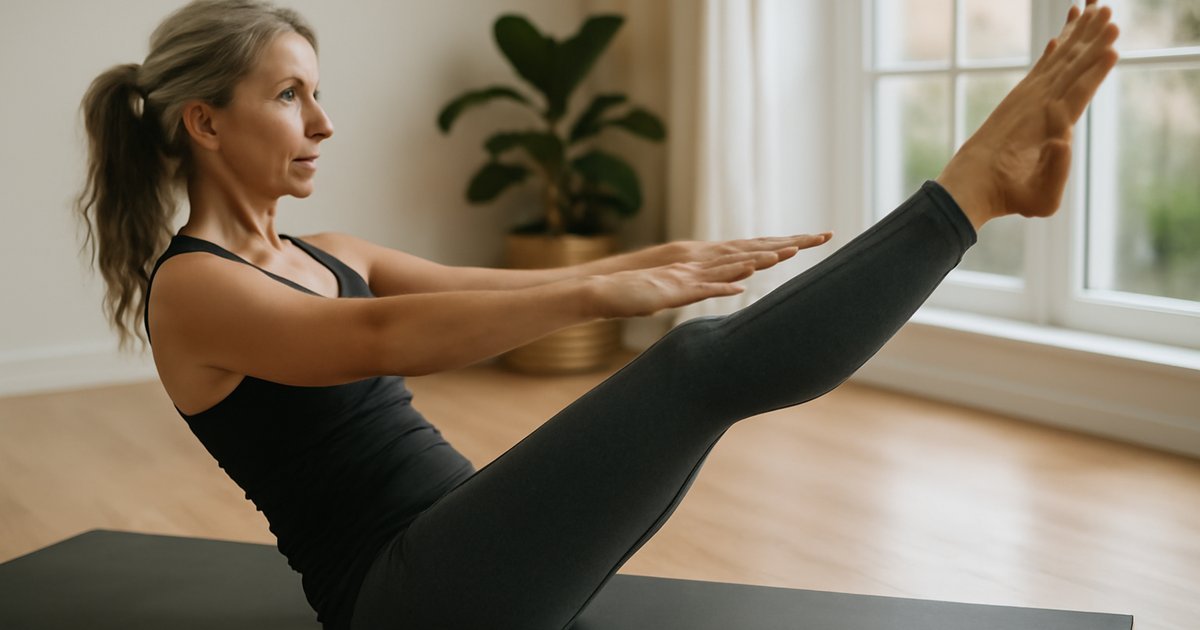
Pilates is a system of controlled, low-impact exercises designed to strengthen the muscles of the core — the deep muscles of the abdomen, back, hips, and pelvis — while improving flexibility, posture, and body awareness. It was developed in the early 20th century by Joseph Pilates and has since evolved into a widely practiced form of rehabilitative and preventive exercise.
Unlike high-intensity workouts that prioritize speed and load, Pilates emphasizes precision, breathing, and deliberate movement. Each exercise is performed with focused attention on alignment and control, making it suitable for adults across a wide range of fitness levels and physical conditions.
There are two main formats you will encounter:
- Mat Pilates: Exercises performed on a padded mat, using only your body weight and occasionally small props like resistance bands or foam rollers.
- Reformer Pilates: Uses a specialized spring-resistance machine called a reformer to add variable resistance and support to movements.
According to the NIH National Center for Complementary and Integrative Health, Pilates is practiced by an estimated 9 million Americans annually, with adoption rates growing steadily among adults over 50 seeking injury-safe fitness alternatives.
Health Benefits of Pilates: What the Research Says
Pilates has been studied extensively over the past two decades, and the clinical evidence is encouraging — particularly for adults managing chronic pain, poor posture, or age-related muscle loss.
Core Strength and Spinal Stability
A 2021 systematic review published in the journal PLOS ONE analyzed 23 randomized controlled trials and found that Pilates training significantly improved core muscle activation and spinal stability in adults with chronic low back pain compared to minimal or no treatment groups.
Core strength is about more than aesthetics. The core muscles act as a stabilizing framework for your entire spine and pelvis. When these muscles are weak or poorly coordinated, everyday movements — lifting groceries, getting up from a chair, climbing stairs — become harder and riskier.
Chronic Low Back Pain Relief
The American Physical Therapy Association recognizes Pilates as a clinically relevant exercise modality for managing chronic nonspecific low back pain. Research suggests that consistent Pilates practice can reduce pain intensity and improve functional disability scores in adults who have struggled with back pain for more than three months.
This does not mean Pilates replaces medical care. Rather, clinical evidence indicates it works best as a complement to physician-guided treatment, especially when supervised by a certified instructor familiar with physical limitations.
Posture and Alignment
Poor posture — often described clinically as postural dysfunction — contributes to neck pain, shoulder tension, headaches, and even digestive discomfort. According to research from Johns Hopkins Medicine, postural problems become increasingly common after age 40 as muscle imbalances develop from sedentary work habits and aging.
Pilates directly addresses postural imbalances by retraining the neuromuscular patterns that govern how you hold your body. Over time, this can lead to noticeable improvements in how you carry yourself — and how you feel throughout the day.
Flexibility and Mobility
Pilates incorporates controlled stretching throughout each session, which research suggests can improve functional range of motion in the spine, hips, and shoulders. For adults experiencing stiffness related to aging or arthritis, improved mobility can translate directly into greater independence and reduced fall risk.
If fall prevention is a priority for you, you may also find our guide on Balance Training for Adults a helpful companion resource.
Mental Health and Stress Reduction
Pilates incorporates mindful breathing and focused attention, which research suggests activates the parasympathetic nervous system — your body’s rest-and-recovery mode. A 2022 clinical study published in the Journal of Bodywork and Movement Therapies found that 12 weeks of Pilates practice significantly reduced self-reported anxiety and improved sleep quality in women aged 40 to 65.
To understand more about how structured movement impacts mental well-being, see our detailed resource on Exercise for Mental Health.
Signs You May Especially Benefit from Pilates
While Pilates can benefit most adults, certain individuals tend to see particularly strong results. Clinical evidence suggests you may be a strong candidate if you experience:
- Early signs that Pilates may help:
- Recurring low back stiffness or mild pain after sitting
- Poor posture noticed by others or visible in photos
- Limited core endurance — difficulty holding positions without fatigue
- Mild hip or shoulder tightness
- General deconditioning after a period of inactivity
- Post-pregnancy core weakness (cleared by OB-GYN first)
- Advanced or chronic conditions where Pilates may still help (with medical clearance):
- Chronic low back pain diagnosed for more than 3 months
- Osteoporosis or osteopenia (requires specialized modifications)
- Post-surgical rehabilitation (spine, hip, or knee) — physician approval required
- Fibromyalgia or chronic pain syndromes
- Scoliosis — mild to moderate curves (with physical therapist guidance)
This varies from person to person. Always discuss your specific health history with your physician before starting any new exercise program.
Causes of Core Weakness and Postural Decline: Why So Many Adults Struggle
Understanding why core strength declines helps explain why so many adults find Pilates transformative. Several interacting factors contribute to musculoskeletal weakness and postural dysfunction in American adults:
Sedentary behavior: The CDC reports that fewer than 25% of American adults meet federal physical activity guidelines for both aerobic and muscle-strengthening exercise. Prolonged sitting — averaging 6 to 8 hours per day for most working adults — gradually weakens the postural muscles of the back, hips, and abdomen.
Age-related muscle loss (sarcopenia): After age 30, adults lose approximately 3 to 8 percent of muscle mass per decade, with that rate accelerating after 60 according to NIH data. Core muscles are not exempt from this process.
Previous injuries: Unresolved injuries to the lower back, hips, or knees often lead to compensatory movement patterns — the body unconsciously shifts load to uninjured areas — which creates secondary muscle imbalances over time.
Hormonal changes: In women, menopause-related declines in estrogen contribute to reduced connective tissue elasticity and altered fat distribution, which can affect spinal loading and posture.
Stress and poor breathing habits: Chronic stress leads to shallow chest breathing and persistent muscle tension, particularly in the neck, shoulders, and hip flexors — areas that Pilates specifically targets.
How to Get Started with Pilates Safely
Starting Pilates the right way makes a significant difference in both safety and results. Here is what most physicians and certified instructors recommend:
Step 1: Get Medical Clearance
If you are over 40, have any cardiovascular condition, recent surgery, bone density concerns, or chronic pain, speak with your physician before beginning. Pilates is generally safe, but certain movements — such as deep spinal flexion — may need modification for people with osteoporosis or herniated discs.
Step 2: Choose the Right Format
Most beginners do best starting with mat Pilates in a small group class or one-on-one with a certified instructor. Look for instructors credentialed through the Pilates Method Alliance (PMA) or those with additional backgrounds in physical therapy or corrective exercise.
Reformer Pilates offers excellent variety and resistance options, but typically costs more and is best introduced after you have a foundational understanding of Pilates principles.
Step 3: Start with Fundamentals
A quality beginner Pilates program should introduce you to:
- Diaphragmatic breathing — the foundation of all Pilates movement
- Neutral spine positioning
- Pelvic floor engagement and core activation
- The Hundred — a classic breathing and core endurance exercise
- Roll-ups, leg circles, and single-leg stretches — foundational mat exercises
Step 4: Build Gradually
Most physicians and exercise physiologists recommend beginning with 2 sessions per week and progressing to 3 to 4 sessions weekly as your endurance and technique improve. Clinical research suggests meaningful improvements in core strength and pain reduction become noticeable after 6 to 8 weeks of consistent practice.
Step 5: Complement with Other Movement
Pilates is an excellent complement to other forms of exercise, not necessarily a replacement. Many adults combine Pilates with walking, swimming, or resistance training. If you are interested in other low-impact options, our guide on Low-Impact Exercise for Joint Health offers additional evidence-based strategies.
Living with a Pilates Practice: Day-to-Day Tips
Consistency is what produces lasting results. Here are practical strategies to make Pilates a sustainable part of your life:
- Schedule it like a doctor’s appointment. Block your Pilates sessions in your calendar. Adults who treat exercise as a non-negotiable appointment are significantly more consistent, according to behavioral research from Harvard Health.
- Use a dedicated space at home. Even a yoga mat and enough floor space to lie down flat is sufficient for mat Pilates. Removing friction from your environment increases follow-through.
- Listen to your body — but do not confuse discomfort with harm. Mild muscle fatigue during and after Pilates is normal and expected. Sharp, stabbing, or joint pain is a signal to stop and consult your instructor or physician.
- Track your progress. Keeping a simple log of which exercises you completed and how they felt helps you recognize improvement and stay motivated.
- Communicate with your instructor. A good Pilates instructor will modify exercises based on your individual needs. Never hesitate to speak up about pain or limitations.
When to Call Your Doctor: Red Flags to Watch For
While Pilates is safe for most adults, certain symptoms during or after exercise require prompt medical attention:
Seek emergency care immediately if you experience:
- Chest pain, pressure, or tightness during exercise
- Sudden shortness of breath not explained by exertion
- Dizziness, fainting, or near-fainting
- Sudden severe back pain with numbness or tingling in the legs
- Loss of bladder or bowel control following a movement
Schedule a doctor visit soon if you notice:
- New or worsening back or hip pain that does not improve after 48 to 72 hours of rest
- Persistent numbness or weakness in an arm or leg
- Significant swelling in a joint following exercise
- Pain that consistently worsens with Pilates movements despite proper technique
What to tell your doctor: Bring a list of your current symptoms, how long they have lasted, and which specific movements seem to trigger or worsen them. This gives your physician the context needed to make informed recommendations.
Frequently Asked Questions About Pilates for Adults
Is Pilates effective for weight loss?
Pilates can support healthy weight management as part of a broader active lifestyle, but it is not primarily a calorie-burning workout in the way that aerobic exercise is. Research suggests Pilates is most impactful for body composition when combined with regular cardiovascular activity and a balanced diet. Its greatest contribution to weight-related health is building lean muscle mass and improving movement efficiency.
Can I do Pilates if I have osteoporosis?
Most physicians and physical therapists say yes — with important modifications. Certain movements, particularly those involving deep forward bending of the spine, are contraindicated for people with significant bone density loss. A Pilates instructor trained in osteoporosis modifications can safely design a program around your needs. Always obtain clearance from your physician and inform your instructor of your diagnosis.
How is Pilates different from yoga?
Both are mind-body practices that emphasize controlled movement and breathing, but they differ in origin and primary focus. Pilates is more systematically focused on core strength, postural alignment, and rehabilitation. Yoga encompasses a broader spiritual and meditative tradition and places greater emphasis on flexibility and balance postures. Many adults benefit from practicing both. For more on yoga, see our guide on Yoga for Adults.
How many times per week should I do Pilates to see results?
Clinical research and most certified instructors recommend a minimum of 2 to 3 sessions per week for measurable improvements in core strength, posture, and pain reduction. Most adults begin noticing changes in body awareness and mild pain reduction within 4 to 6 weeks, with more significant changes appearing by weeks 8 to 12.
Is Pilates safe during pregnancy?
Prenatal Pilates, taught by instructors trained in pregnancy modifications, is generally considered safe and beneficial — but only after clearance from your OB-GYN or midwife. Standard Pilates classes are not appropriate during pregnancy without significant modifications, particularly exercises performed on the back after the first trimester.
Conclusion
Pilates is far more than a trend. It is a clinically supported, low-impact exercise system with meaningful evidence behind its ability to strengthen the core, reduce chronic back pain, improve posture, and support mental well-being in adults of all ages and fitness levels.
Whether you are recovering from an injury, managing a chronic condition, or simply looking for a sustainable and effective way to stay strong as you age, Pilates offers a practical path forward — one that meets you where you are and grows with you over time.
Start slowly, work with a qualified instructor, and always keep your physician in the loop. With consistency and the right guidance, Pilates can become one of the most rewarding investments you make in your long-term health.
This article is for informational and educational purposes only. It does not constitute medical advice, diagnosis, or treatment. Always consult your physician or a qualified healthcare provider before making changes to your health routine or treatment plan.
Medically reviewed by our editorial health team. Content follows evidence-based standards aligned with CDC and NIH guidelines.