
Tag: physical activity guidelines

  • Morning Exercise Routine: Benefits & How to Build One

    Morning Exercise Routine: Benefits & How to Build One

    Morning Exercise Routine: Benefits & How to Build One

    Starting your day with movement may be one of the most powerful health decisions you can make — and the science agrees.

    Why Your Morning Routine Might Be Missing Its Most Important Ingredient

    Picture this: Marcus, 47, spent years hitting the snooze button, rushing through breakfast, and arriving at work already feeling behind. After his doctor flagged elevated blood pressure and a creeping waistline at his annual checkup, Marcus decided to try something different — waking up 30 minutes earlier to exercise before the day got away from him.

    Within three months, his blood pressure readings had improved, his energy levels were noticeably higher, and — for the first time in years — he felt in control of his mornings.

    According to the CDC, fewer than 25% of American adults meet the recommended guidelines for both aerobic and muscle-strengthening activity. For many people, the biggest barrier is time — and morning exercise is one of the most evidence-backed solutions to that problem.

    In this guide, you will learn exactly why morning workouts work, what a well-structured routine looks like for adults aged 30 to 70, how to build the habit sustainably, and what the research says about exercising earlier in the day versus other times.

    What Is a Morning Exercise Routine — and Why Does It Matter?

    A morning exercise routine is any structured or semi-structured physical activity completed within the first one to two hours after waking. It can range from a 20-minute brisk walk to a full 45-minute strength and cardio session, depending on your fitness level, goals, and schedule.

    What sets morning exercise apart is not just the timing — it is the psychological and physiological advantages that come with it. Research from the American Heart Association suggests that adults who exercise in the morning are more likely to be consistent with their routines than those who plan to work out later in the day, largely because competing demands have not yet had the chance to interfere.

    The NIH also notes that physical activity helps regulate circadian rhythms — your body’s internal clock — and morning movement may amplify this benefit by reinforcing natural wake-sleep cycles. That means better sleep at night, more alertness during the day, and a body that functions more efficiently over time.

    For adults managing conditions like hypertension, type 2 diabetes, or chronic stress, these effects are not just convenient — they can be clinically significant.

    Signs Your Body Is Ready to Start Moving in the Morning

    You do not need to feel like a morning person to benefit from morning exercise. But there are some encouraging signals that your body is ready to build this habit:

    • Early signs your routine needs a change: Persistent mid-afternoon energy crashes, difficulty sleeping, low motivation during evening workouts, or skipping planned gym sessions more than twice a week
    • Physical readiness signs: Waking up naturally before your alarm, feeling stiff but energized after light movement, mild hunger shortly after waking
    • Health indicators: Your doctor has recommended increasing daily activity, your resting heart rate is higher than optimal, or your BMI has trended upward

    A 2022 meta-analysis published by researchers affiliated with institutions in the NIH network found that adults who exercised in the morning showed significantly lower cortisol reactivity throughout the day compared to sedentary controls — meaning their stress response was better regulated from the very start.

    Keep in mind that individual variation plays a major role. Some people are natural early risers, while others are chronobiologically wired to perform better later in the day. That said, clinical evidence indicates that the habit-forming benefits of morning exercise tend to outweigh the timing preferences for most adults over 30.

    Causes of Morning Exercise Resistance — and How to Overcome Them

    If you have tried to build a morning workout habit before and failed, you are not alone. Understanding why morning exercise feels difficult is the first step to making it stick.

    Sleep inertia — the groggy, disoriented feeling in the first minutes after waking — is a real physiological state. It typically lasts between 15 and 30 minutes. Planning a gentle warm-up during this window, rather than jumping straight into high-intensity work, can help bridge the gap.

    Inadequate sleep is another major barrier. The CDC reports that one in three American adults does not get the recommended seven or more hours of sleep per night. If you are consistently undersleeping, forcing yourself up at 5 a.m. for a workout can backfire. Prioritizing sleep duration first — and gradually shifting your wake time — is a more sustainable strategy.

    Other common barriers include:

    • No clear plan for what to do when you wake up
    • Cold or uncomfortable workout environment
    • Skipping breakfast before exercise due to nausea (this varies widely by person)
    • Underestimating how long it takes to get ready

    Practical solutions include laying out your workout clothes the night before, preparing a simple pre-workout snack in advance, starting with only 15 to 20 minutes of activity, and choosing movement you actually enjoy — whether that is outdoor fitness or a structured home session.

    How to Build Your Morning Exercise Routine: A Week-by-Week Framework

    Building a sustainable morning routine is a process, not an overnight transformation. Research from behavioral science suggests that it takes an average of 66 days — not the often-cited 21 — to form a stable habit. Here is a practical, progressive approach:

    Week 1 to 2: Establish the Wake Time

    Set your alarm 20 to 25 minutes earlier than usual. Do not try to do a full workout yet. Instead, focus on getting up consistently and doing 10 to 15 minutes of light movement — gentle stretching, a short walk, or basic bodyweight exercises. The goal is pattern, not performance.

    Week 3 to 4: Add Structure

    Increase your morning window to 25 to 35 minutes. Begin incorporating a simple but consistent format: a 5-minute warm-up, 15 to 20 minutes of your chosen exercise, and a 5-minute cool-down. Options include bodyweight training, brisk walking, cycling, or a beginner yoga flow.

    Week 5 and Beyond: Progressive Overload

    Gradually increase the duration or intensity of your sessions. A well-balanced morning routine for most adults aged 30 to 70 might look like this across a week:

    • Monday: 30-minute strength or resistance training session
    • Tuesday: 25-minute brisk walk or light cardio
    • Wednesday: Active recovery — stretching, foam rolling, or gentle yoga
    • Thursday: 30-minute strength or functional training
    • Friday: 25 to 30 minutes of cardio (cycling, swimming, or walking)
    • Saturday: Longer, enjoyable activity — a hike, a dance class, or a group fitness session
    • Sunday: Full rest or light movement only

    This structure aligns with the Physical Activity Guidelines for Americans published by the U.S. Department of Health and Human Services, which recommend at least 150 minutes of moderate-intensity aerobic activity and two days of muscle-strengthening activity per week for most adults.

    The Health Benefits of Morning Exercise — What the Evidence Shows

    The benefits of regular exercise are well-established. But emerging research suggests that morning timing may offer additional advantages for certain health markers.

    Cardiovascular health: A landmark study published in the European Heart Journal found that people who exercised between 8 a.m. and 11 a.m. had a lower risk of heart attack and stroke compared to those who exercised at other times of day. The American Heart Association emphasizes that any exercise is beneficial, but the data on morning timing is increasingly compelling.

    Blood sugar regulation: According to the American Diabetes Association, morning exercise before breakfast may help improve insulin sensitivity throughout the day — a key benefit for the approximately 38 million Americans living with type 2 diabetes or prediabetes.

    Mental health: Clinical evidence indicates that aerobic exercise triggers the release of endorphins, serotonin, and dopamine — neurotransmitters that regulate mood and reduce symptoms of anxiety and depression. Starting your day with this neurochemical boost can support mental clarity and emotional resilience.

    Weight management: Research suggests that morning exercisers tend to be more physically active throughout the rest of the day — a phenomenon sometimes called the "activity spill-over effect." Mayo Clinic researchers note that this cumulative movement throughout the day contributes meaningfully to energy expenditure and weight management over time.

    Sleep quality: Counterintuitively, morning exercise is associated with deeper, more restorative sleep at night. The NIH notes that high-intensity evening exercise can elevate core body temperature and delay sleep onset, making morning the preferred time for vigorous activity in adults with sleep concerns.

    For adults interested in strength training, the morning can be a particularly productive window — testosterone and growth hormone levels, which support muscle repair and development, tend to be elevated in the first half of the day.

    Living With a Morning Routine: Practical Tips for Long-Term Success

    Once you have built the foundation, maintaining the habit requires a few key strategies:

    Pre-workout nutrition: Whether you eat before or after your morning workout is a personal preference that varies widely by individual. Some people perform well fasted; others need a small snack. If you exercise for more than 45 minutes or at high intensity, most registered dietitians recommend a light carbohydrate and protein snack beforehand. Speak with your physician if you are managing diabetes or another metabolic condition.

    Hydration: You lose water overnight through respiration and perspiration. Drinking 8 to 16 ounces of water before or during your morning workout is a simple step that supports performance and recovery.

    Warm-up consistency: Skipping the warm-up is one of the most common mistakes morning exercisers make — especially since muscles and joints are typically stiffer after sleep. A proper warm-up does not need to be long. Five minutes of light cardio and dynamic movement (leg swings, arm circles, hip rotations) is enough to reduce injury risk significantly.

    Track your progress: Keeping a simple log — even just a note on your phone — of what you did each morning reinforces the habit and gives you useful data to share with your healthcare provider.

    Allow for flexibility: Life happens. If you miss a morning, do not let one skipped session derail the habit. Research from behavioral science suggests that missing once does not meaningfully disrupt habit formation — but missing twice in a row does.

    When to Call Your Doctor — and Red Flag Symptoms to Watch For

    Morning exercise is safe for the vast majority of adults. However, there are important situations where you should consult your physician before starting or changing your routine.

    Speak with your doctor before starting a new morning exercise program if you:

    • Are over 50 and have been sedentary for more than a year
    • Have a diagnosed heart condition, including arrhythmia, heart failure, or a history of heart attack
    • Are managing uncontrolled hypertension or diabetes
    • Have had a recent surgery or musculoskeletal injury
    • Are pregnant or recently postpartum
    • Experience dizziness, shortness of breath, or chest tightness regularly

    Seek emergency medical care immediately if, during or after morning exercise, you experience:

    • Chest pain, pressure, or tightness
    • Sudden severe shortness of breath disproportionate to your effort level
    • Heart palpitations (racing, fluttering, or irregular heartbeat)
    • Sudden severe headache
    • Loss of consciousness or near-fainting
    • Sudden weakness or numbness in your face, arm, or leg — potential stroke warning signs

    These symptoms are not typical responses to exercise and require prompt evaluation. Do not attempt to push through them.

    Frequently Asked Questions About Morning Exercise

    Is it okay to exercise on an empty stomach in the morning?

    For most healthy adults, light to moderate exercise on an empty stomach is safe and well-tolerated. Some research suggests it may enhance fat oxidation during the session. However, individuals with diabetes, hypoglycemia, or those engaging in intense or prolonged exercise should consider eating a small snack beforehand. This varies from person to person, so consult your physician if you are unsure.

    How early do I need to wake up to fit in a morning workout?

    You do not need to be a 5 a.m. riser to benefit from morning exercise. Even 20 to 30 minutes of movement before your workday begins counts. The key is consistency, not the specific hour. Gradually shifting your wake time by 15-minute increments is more sustainable than a sudden change.

    Will morning exercise help me lose weight?

    Research suggests that morning exercise can support weight management when combined with a balanced diet. The "activity spill-over effect" — where morning exercisers tend to move more throughout the day — may provide an additional caloric benefit. However, exercise alone is rarely sufficient for significant weight loss. The Mayo Clinic emphasizes that diet and overall lifestyle are equally important factors.

    What is the best type of morning exercise for older adults?

    For adults aged 50 to 70, a combination of low-impact cardiovascular activity (walking, cycling, swimming) and strength or resistance training two days per week is generally recommended by the CDC and the American College of Sports Medicine. Balance and flexibility work are also important for fall prevention. The best exercise is always one you can do consistently and safely.

    Can morning exercise improve my sleep?

    Clinical evidence indicates yes. Studies cited by the NIH and the National Sleep Foundation suggest that morning aerobic exercise is associated with deeper sleep stages and reduced nighttime awakenings. Avoiding vigorous exercise within two to three hours of bedtime is also recommended for optimal sleep hygiene.

    Conclusion: One Decision That Can Change the Rest of Your Day

    Building a consistent morning exercise routine is not about being an elite athlete or sacrificing sleep. It is about choosing, deliberately and repeatedly, to invest in your health before the noise of the day sets in.

    The evidence is clear: morning movement supports cardiovascular health, blood sugar regulation, mental well-being, weight management, and sleep quality. And the habit itself — once formed — creates a foundation for other healthy choices throughout the day.

    Start small. Start imperfectly. But start. Even 20 minutes of intentional movement in the morning is enough to shift your trajectory. And as Marcus discovered, sometimes the most powerful health change begins with setting the alarm a little earlier.

    Before beginning any new exercise program, speak with your physician — especially if you are managing a chronic condition or returning to activity after a long break.


    Medical Disclaimer: This article is for informational and educational purposes only. It does not constitute medical advice, diagnosis, or treatment. Always consult your physician or a qualified healthcare provider before making changes to your health routine or treatment plan.

    Medically reviewed by our editorial health team. Content follows evidence-based standards aligned with CDC and NIH guidelines.
  • Dance Fitness for Adults: Health Benefits & How to Start

    Dance Fitness for Adults: Health Benefits & How to Start

    One of the most joyful — and surprisingly effective — forms of exercise available to adults of any fitness level.

    Marcus, 54, hadn’t exercised consistently in over a decade. His doctor had warned him about rising blood pressure, creeping blood sugar levels, and a sedentary lifestyle that was quietly compounding his health risks. He’d tried the gym. He’d bought a treadmill that became a clothes rack. Then his wife signed them both up for a salsa class at the local community center — and everything changed.

    If traditional exercise routines have never quite stuck for you, you’re far from alone. According to the CDC, only 24% of American adults meet both the aerobic and muscle-strengthening guidelines outlined in the Physical Activity Guidelines for Americans. The gap between knowing we should exercise and actually doing it consistently is often a matter of motivation — and that’s exactly where dance fitness comes in.

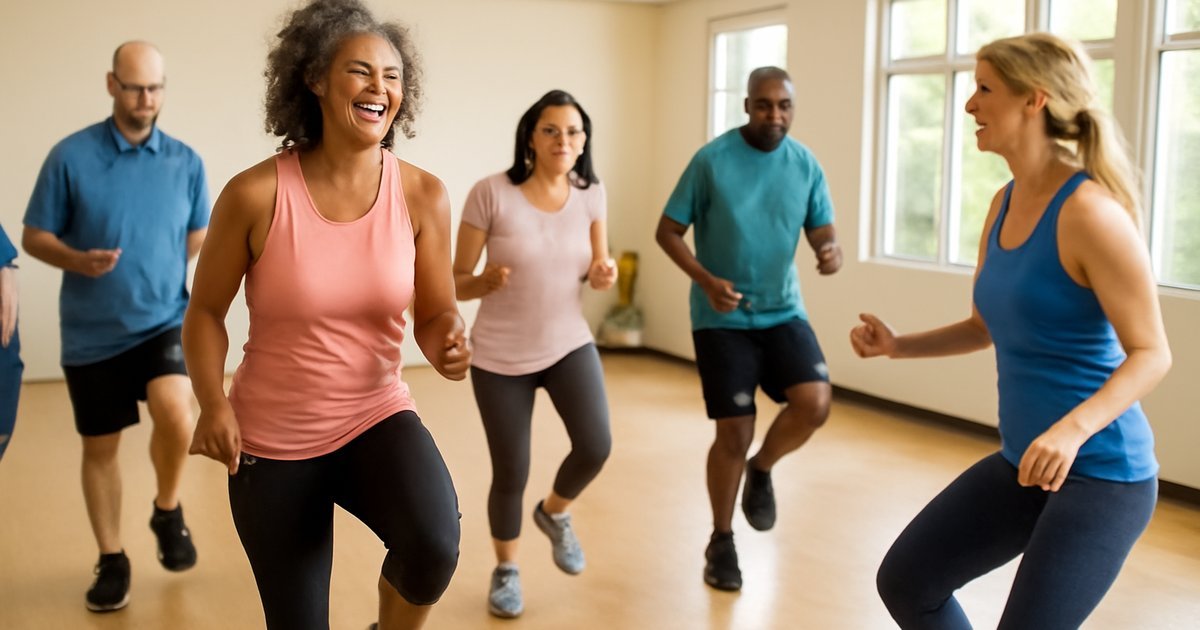
    Dance fitness combines the cardiovascular benefits of aerobic exercise with the joy of movement, music, and social connection. In this guide, you’ll learn what the research says about dance fitness, who it’s best suited for, how to get started safely, and what health benefits you can realistically expect.

    What Is Dance Fitness?

    Dance fitness refers to structured physical activity programs that use dance-based movements to improve cardiovascular health, strength, coordination, and overall well-being. Unlike traditional gym workouts, these programs are set to music and often incorporate elements of rhythm, choreography, and group participation.

    The category is broad. Dance fitness includes formats like Zumba, Jazzercise, barre fitness, ballroom dancing for exercise, line dancing, hip-hop aerobics, and even virtual dance classes available through streaming platforms and apps.

    What makes dance fitness clinically relevant is that it qualifies as moderate- to vigorous-intensity aerobic activity — the kind the U.S. Department of Health and Human Services recommends adults get at least 150 to 300 minutes of per week. According to research published in the American Journal of Health Behavior, people who participate in dance-based exercise programs show significantly higher long-term adherence rates than those who follow traditional fitness regimens. In other words, people stick with it because it’s fun.

    Dance fitness is not just a “light” alternative to real exercise. Studies have shown it can burn anywhere from 300 to 600 calories per hour depending on intensity — comparable to cycling, swimming, or brisk walking.

    Health Benefits of Dance Fitness

    The research supporting dance fitness as a meaningful health intervention has grown considerably over the past decade. Here’s what clinical evidence indicates across several key areas of adult health.

    Cardiovascular Health

    Dance fitness is first and foremost an aerobic activity. A 2015 systematic review published in the journal Sports Medicine found that dance interventions significantly improved cardiorespiratory fitness, reduced resting heart rate, and lowered blood pressure in participants across age groups. The American Heart Association recognizes aerobic dance as a valid form of heart-healthy physical activity.

    For adults managing hypertension or at elevated cardiovascular risk, regular participation in dance fitness programs may help support blood pressure management as part of a comprehensive care plan — always alongside guidance from your physician.

    Weight Management and Metabolic Health

    A study published in the Journal of Sports Science and Medicine found that adults who participated in Zumba classes three times per week for 12 weeks experienced meaningful reductions in body weight, body fat percentage, and waist circumference. For adults managing or at risk for type 2 diabetes, research suggests that regular aerobic exercise — including dance — can improve insulin sensitivity and support healthy blood glucose regulation.

    Bone Density and Muscle Strength

    Weight-bearing dance activities — particularly styles that involve stepping, jumping, or sustained postures — place beneficial stress on bones and muscles. The NIH’s National Institute on Aging notes that weight-bearing exercise is one of the most effective ways to slow age-related bone density loss. This makes dance fitness particularly valuable for women approaching or past menopause, when osteoporosis risk rises sharply.

    Balance, Coordination, and Fall Prevention

    Falls are the leading cause of injury-related death among adults 65 and older, according to the CDC. Dance fitness — with its emphasis on footwork patterns, spatial awareness, and dynamic balance — has been shown to improve postural stability and coordination. A review in Gerontology found that structured dance programs significantly reduced fall risk in older adults, making it a valuable complementary strategy for fall prevention.

    Mental Health and Cognitive Function

    Perhaps one of the most compelling areas of dance fitness research involves its effects on the brain. A landmark 2017 study published in Frontiers in Human Neuroscience found that older adults who participated in a 18-month dance training program showed greater increases in hippocampal volume — a brain region critical for memory — compared to those following a conventional fitness program. The combination of physical movement, music, and learning new choreography appears to provide a unique cognitive stimulus.

    Dance fitness also shows strong evidence for reducing symptoms of anxiety and depression. The social dimension — particularly in group classes — provides meaningful human connection, which clinical evidence consistently links to better mental health outcomes. If you’re interested in exploring the broader relationship between movement and mental well-being, our guide on Exercise for Mental Health: Your Guide to Well-being covers this in depth.

    Who Is Dance Fitness Best Suited For?

    Dance fitness is remarkably inclusive, but like any exercise program, it’s not entirely without considerations. Understanding where it fits best — and where modifications may be needed — helps you start safely.

    Ideal Candidates

    • Adults who find traditional gym workouts boring or unmotivating
    • Individuals looking for a social exercise environment
    • Adults managing mild-to-moderate cardiovascular risk factors (with physician clearance)
    • Those seeking low-to-moderate impact options for joint-friendly exercise
    • Older adults wanting to improve balance and coordination
    • People recovering from a sedentary period who need a re-entry point into fitness

    When to Proceed with Caution

    • Adults with significant joint damage, recent orthopedic surgery, or severe osteoarthritis may need to choose lower-impact dance formats or work with a physical therapist first
    • Those with cardiovascular conditions such as heart failure or arrhythmias should get explicit clearance from their cardiologist before starting any new aerobic program
    • Individuals with balance disorders or neurological conditions should discuss participation with their healthcare provider

    This varies from person to person. Your starting point — your current fitness level, health history, and mobility — will shape which style of dance fitness is most appropriate for you.

    Types of Dance Fitness Programs

    Not all dance fitness is the same. Here’s a practical breakdown of popular formats to help you find your fit.

    Zumba — A Latin-inspired aerobic program that alternates between high- and low-intensity movements. It’s widely available in gyms, community centers, and online. Zumba Gold is a modified version designed specifically for older adults and beginners.

    Jazzercise — A combination of jazz dance, resistance training, Pilates, and kickboxing. Sessions typically last 60 minutes and provide both cardiovascular and strength-building benefits.

    Ballroom and Latin Dance — Foxtrot, walsa, tango, cha-cha, and salsa classes offer a more structured, partner-based dance fitness experience. Research published in PLOS ONE found that regular ballroom dancing improved gait, balance, and quality of life in adults over 60.

    Line Dancing — Popular in many US communities, line dancing is a low-pressure, coordinated group activity. It has been associated with improved mood, social engagement, and cognitive stimulation in older adults.

    Barre Fitness — Inspired by ballet, barre classes use a stationary bar for balance and focus on isometric movements, flexibility, and core strength. It’s particularly well-suited for adults with joint sensitivities who still want to challenge their muscles effectively.

    Virtual and App-Based Dance Fitness — Platforms like Just Dance (available on gaming consoles) and various fitness apps provide accessible at-home options. For those who prefer privacy or lack access to nearby classes, these can be an excellent starting point. If you’re also exploring other home-friendly options, our guide on Resistance Band Training: A Complete Guide for Adults pairs well with a home dance routine.

    How to Get Started Safely

    Starting a new exercise program as an adult requires a thoughtful approach — especially if you’ve been sedentary or are managing a chronic condition.

    Step 1: Talk to Your Doctor

    Before beginning any new fitness routine, schedule a conversation with your primary care physician. This is especially important if you have heart disease, diabetes, high blood pressure, osteoporosis, or joint problems. Your doctor can advise you on appropriate intensity levels and any movements to avoid.

    Step 2: Choose the Right Format

    If you’re a beginner or returning to exercise after a long break, start with lower-intensity options: Zumba Gold, beginner barre, or gentle line dancing. Save high-energy formats like kickboxing-dance fusion for after you’ve built a fitness base over several weeks.

    Step 3: Invest in Proper Footwear

    Dance fitness involves lateral movements, pivots, and quick direction changes that standard running shoes aren’t designed for. Look for cross-training shoes or dance sneakers that offer lateral support, a flexible sole, and adequate cushioning. Poor footwear is a common cause of ankle and knee injuries in new participants.

    Step 4: Start with Two Sessions Per Week

    Most physicians and exercise scientists recommend building new routines gradually. Starting with two 45-to-60-minute sessions per week allows your cardiovascular system, joints, and muscles to adapt. Over four to six weeks, most participants can comfortably increase to three or four sessions per week.

    Step 5: Warm Up and Cool Down

    A 5-to-10-minute warm-up of light movement and dynamic stretching before class reduces injury risk. After class, a cool-down with gentle static stretching supports recovery and flexibility. If you’d like a deeper dive into recovery best practices, our article on Exercise for Mental Health touches on the importance of rest and restoration.

    Step 6: Listen to Your Body

    Muscle soreness in the 24-to-48 hours after a new activity is normal. Sharp joint pain, chest discomfort, dizziness, or shortness of breath that seems disproportionate to your effort are not normal — and warrant stopping immediately and contacting your healthcare provider.

    Dance Fitness and Chronic Condition Management

    For adults managing chronic conditions, dance fitness can be a meaningful complement to conventional medical treatment — never a replacement for it.

    Research published in Complementary Therapies in Medicine found that adults with type 2 diabetes who participated in structured aerobic dance programs showed improvements in HbA1c levels (a key measure of blood sugar control) over 12 weeks. The ADA (American Diabetes Association) endorses aerobic exercise as a core component of diabetes management.

    For adults with anxiety or depression, the rhythmic, music-driven nature of dance fitness activates the brain’s reward circuitry and promotes endorphin release. Clinical evidence indicates that aerobic exercise — performed consistently — can have effects on mild-to-moderate depression comparable to antidepressant therapy in some patient populations, though this should always be discussed with a mental health professional rather than used as a self-directed substitute for treatment.

    Adults managing chronic pain or fibromyalgia may find that gentle, low-impact dance formats improve pain tolerance and mood over time. Start slowly and work with your care team to determine what intensity is appropriate.

    When to Call Your Doctor or Seek Emergency Care

    Dance fitness is generally safe for healthy adults when introduced gradually, but there are situations that require prompt medical attention.

    Call your doctor if you experience:

    • Joint pain that persists for more than 48 hours after exercise
    • Unusual fatigue or weakness that doesn’t improve with rest
    • Persistent muscle cramps or spasms
    • Rapid or irregular heartbeat during low-intensity activity
    • Significant swelling in ankles, knees, or feet after class

    Seek emergency care immediately if you experience:

    • Chest pain, pressure, or tightness during or after exercise
    • Severe shortness of breath not explained by exertion level
    • Fainting or near-fainting
    • Sudden severe headache during physical activity
    • Numbness, weakness, or vision changes during exercise

    These symptoms may indicate a cardiac or neurological emergency and require immediate evaluation — do not wait.

    Frequently Asked Questions

    Is dance fitness effective for weight loss?

    Research suggests that dance fitness can support weight management when combined with a balanced diet. A 60-minute moderate-intensity dance class can burn 300–500 calories depending on body weight and effort level. Consistency over weeks and months — rather than any single session — is what drives meaningful change.

    Can I do dance fitness if I have arthritis?

    Many adults with mild-to-moderate arthritis participate successfully in low-impact dance formats like barre, gentle Zumba Gold, or ballroom dancing. The key is choosing formats that minimize high-impact landings and working with your rheumatologist or physical therapist to identify safe movement boundaries. Always disclose your condition to your instructor.

    How long before I see results from dance fitness?

    Most people notice improvements in mood and energy within the first two to four weeks. Cardiovascular improvements typically become measurable within six to eight weeks of consistent participation. Changes in body composition generally require 10 to 12 weeks of regular activity combined with appropriate nutrition.

    Is dance fitness appropriate for people in their 60s and 70s?

    Absolutely. Clinical evidence strongly supports dance fitness as a safe and effective activity for older adults. Programs like Zumba Gold and ballroom dancing have been studied specifically in populations aged 60 and over, with demonstrated improvements in balance, bone density, cognitive function, and quality of life. Physician clearance is recommended before starting.

    Do I need any prior dance experience?

    No prior dance experience is necessary. Most beginner dance fitness classes are designed to welcome complete newcomers. Instructors teach movements step by step, and the focus is on participation and consistency — not perfection. The learning curve itself is part of what makes it cognitively stimulating.

    Conclusion

    Dance fitness offers something rare in the world of adult health and exercise: a form of physical activity that people genuinely look forward to. The clinical evidence supporting its benefits — for heart health, metabolic function, bone density, mental well-being, and cognitive resilience — is substantial and growing.

    Whether you’re stepping into a Zumba Gold class for the first time at 62 or rediscovering ballroom dancing with your partner at 45, the most important step is simply starting — and doing so safely, with your doctor’s guidance. You don’t need coordination, experience, or a perfect fitness base. You need a pair of supportive shoes, a willingness to move, and the understanding that joy is a legitimate part of your health plan.

    Talk to your physician, find a format that fits your life, and give yourself permission to make exercise something you actually enjoy.

    This article is for informational and educational purposes only. It does not constitute medical advice, diagnosis, or treatment. Always consult your physician or a qualified healthcare provider before making changes to your health routine or treatment plan.

    Medically reviewed by our editorial health team. Content follows evidence-based standards aligned with CDC and NIH guidelines.