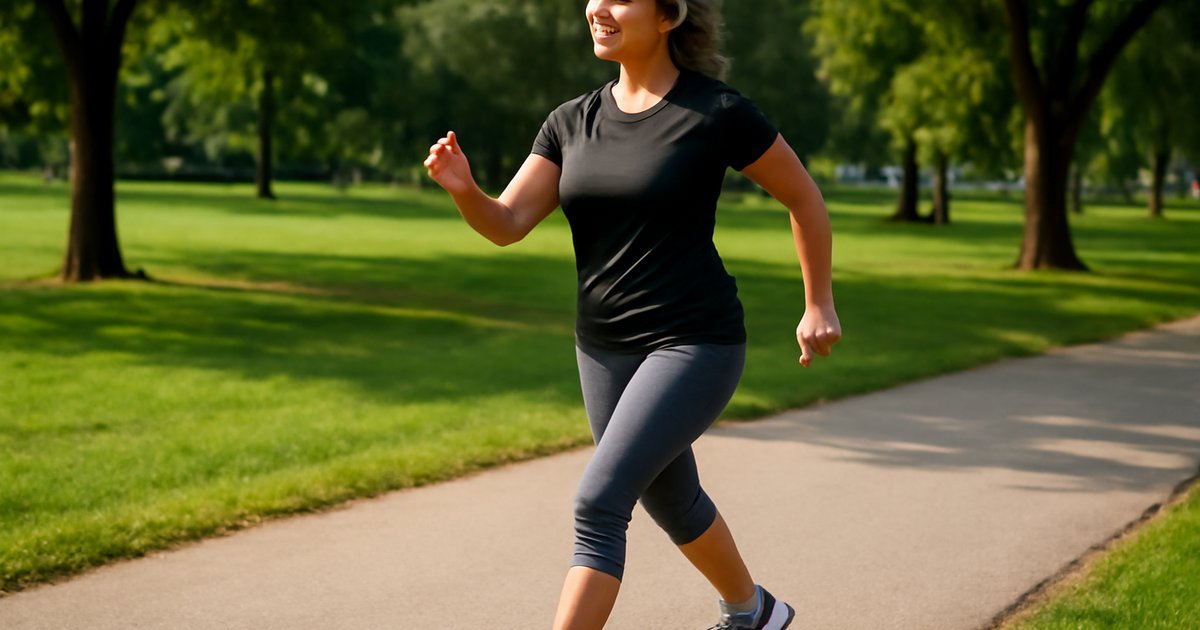
Speed walking — also called power walking — is one of the most underestimated tools in adult fitness, delivering real cardiovascular and metabolic benefits without the joint stress of running.
Introduction
Mark, 54, had been told by his orthopedic surgeon to avoid running after a knee replacement. He assumed his cardio days were over — until his physical therapist introduced him to speed walking. Within four months, his resting heart rate dropped, he lost 18 pounds, and his cardiologist was impressed with his improved lipid panel.
Stories like Mark’s are more common than you might think. According to the CDC, fewer than 25% of American adults meet the recommended guidelines for aerobic physical activity — yet research consistently shows that brisk, purposeful walking can deliver many of the same cardiovascular benefits as jogging, especially for adults over 40.
Speed walking, sometimes called power walking, is a structured, intentional form of walking performed at a pace faster than a casual stroll but without leaving the ground as in running. In this guide, you’ll learn what speed walking is, the science-backed health benefits, how to do it correctly, and how to build a progressive workout plan — whether you’re managing a chronic condition or simply looking for a sustainable, joint-friendly fitness habit.
What Is Speed Walking?
Speed walking is defined as walking at a pace of 3.5 to 5.0 miles per hour, with at least one foot always in contact with the ground. This distinguishes it from race walking, an Olympic sport with strict technique rules, and from jogging, which involves a brief airborne phase with each stride.
At its core, speed walking is a low-impact, moderate-to-vigorous aerobic activity that elevates heart rate into the cardiovascular training zone — typically 50 to 85% of your maximum heart rate — without the repetitive impact forces associated with running.
The NIH classifies brisk walking as a moderate-intensity aerobic activity, while faster speeds (above 4.5 mph) can qualify as vigorous intensity. This means speed walking can satisfy the U.S. Physical Activity Guidelines’ recommendation of 150 to 300 minutes of moderate-intensity exercise per week.
Speed walking is particularly well-suited for:
- Adults returning to exercise after injury or surgery
- Individuals managing hypertension, type 2 diabetes, or obesity
- Older adults who want effective cardio without high impact
- Anyone who finds running uncomfortable but wants to elevate their heart rate
Health Benefits of Speed Walking: What the Research Shows
Speed walking isn’t just a consolation prize for people who can’t run. Clinical evidence suggests it delivers measurable, meaningful improvements across multiple health markers.
Cardiovascular Health
A landmark study published in the journal Arteriosclerosis, Thrombosis, and Vascular Biology (based on the National Runners’ and Walkers’ Health Study) found that brisk walking and running produced similar reductions in risk for hypertension, high cholesterol, diabetes, and coronary heart disease when the same energy expenditure was compared. The key wasn’t the activity — it was the effort level.
The American Heart Association notes that regular moderate-intensity walking can reduce the risk of cardiovascular disease by up to 35%. Speed walking, by raising your pace and effort, maximizes these gains.
Weight Management and Metabolism
Speed walking burns significantly more calories than casual walking. At 4 mph, a 160-pound adult burns approximately 365 calories per hour. Increase that to 4.5 mph and the number climbs closer to 440 calories — without ever leaving the ground.
Clinical evidence also indicates that regular brisk walking improves insulin sensitivity, which is critically important for the 96 million American adults currently living with prediabetes, according to the CDC.
Bone Density and Joint Health
Unlike cycling or swimming, speed walking is a weight-bearing activity, meaning it applies beneficial mechanical stress to bones, helping maintain or improve bone mineral density. This is especially important for adults over 50, when bone loss accelerates.
Research published in the American Journal of Clinical Nutrition found that regular walking was associated with a 40% lower risk of hip fracture in postmenopausal women. For adults managing early osteopenia — the stage before osteoporosis — speed walking may serve as both prevention and management.
Mental Health and Cognitive Function
Regular aerobic walking has been associated with reduced symptoms of anxiety and depression, according to multiple NIH-supported studies. Research suggests that walking increases the release of endorphins and improves prefrontal cortex function, which governs mood regulation and decision-making.
A 2024 meta-analysis from Harvard Health found that adults who walked briskly for at least 30 minutes five days per week showed measurable improvements in cognitive function scores compared to sedentary controls — a particularly compelling finding given rising concerns about age-related cognitive decline.
Proper Speed Walking Technique
Getting the most from speed walking means going beyond simply walking fast. Technique matters — both for efficiency and injury prevention.
Posture and Body Alignment
- Head: Look forward, not down. Your gaze should be about 10 to 20 feet ahead.
- Shoulders: Relaxed, down, and slightly back — not hunched.
- Core: Gently engaged to stabilize your spine and pelvis.
- Hips: Allow a natural, fluid hip rotation with each stride — this increases speed and activates the glutes.
Arm Swing
Bend your elbows to approximately 90 degrees. Swing your arms forward and back — not across your body — in opposition to your legs. A powerful arm swing drives speed and recruits your upper body muscles, increasing caloric burn.
Foot Strike and Stride
Land on your heel and roll through to your toes with each step. Avoid overstriding — taking steps that are too long — which can slow you down and strain your hips and lower back. Instead, focus on stride frequency (taking more steps per minute) rather than stride length.
Most speed walkers target a cadence of 100 to 130 steps per minute. A free smartphone metronome app can help you calibrate your pace when starting out.
Breathing
Breathe rhythmically through both your nose and mouth. If you cannot carry on a short conversation while walking, you may be working at vigorous intensity — which is appropriate at times, but should be balanced with moderate-effort periods, especially early in your training.
Speed Walking Workout Plans: Beginner to Advanced
Whether you’re just starting out or looking to increase intensity, a structured, progressive approach produces the best results — and reduces injury risk.
Beginner Plan (Weeks 1–4)
Goal: Build the habit and foundational aerobic base.
- Frequency: 4 days per week
- Duration: 25 to 30 minutes per session
- Structure: 5-minute easy warm-up walk → 20 minutes at brisk pace (3.5–4.0 mph) → 5-minute cool-down walk
- Intensity check: You should feel slightly breathless but able to talk in short sentences
Intermediate Plan (Weeks 5–8)
Goal: Increase duration and introduce speed intervals. This approach is similar in structure to interval walking training, which research supports as highly effective for metabolic health.
- Frequency: 5 days per week
- Duration: 35 to 45 minutes per session
- Structure: 5-minute warm-up → alternate 3 minutes at brisk pace with 2 minutes at fast pace (4.5+ mph) × 6 rounds → 5-minute cool-down
Advanced Plan (Weeks 9–12)
Goal: Maximize cardiovascular efficiency and caloric output.
- Frequency: 5 to 6 days per week
- Duration: 45 to 60 minutes per session
- Structure: Include one long steady-state session per week (45–60 min at 4.0–4.5 mph), two interval sessions, and two moderate recovery walks
- Optional addition: Light ankle weights or a weighted vest (no more than 5–10% of body weight) to increase resistance
You may also consider combining speed walking with a structured morning exercise routine to build consistency and harness the metabolic benefits of early-day activity.
Gear, Safety, and Common Mistakes to Avoid
Choosing the Right Footwear
Walking shoes — not running shoes — are ideally designed for speed walking. Look for:
- Flexible sole that bends at the ball of the foot
- Low heel-to-toe drop (less than 10mm) to encourage natural foot mechanics
- Adequate cushioning without excessive bulk
- A snug but not tight fit, with room in the toe box
Replace your walking shoes every 300 to 500 miles or when the midsole feels compressed.
Safety Considerations
- Walk against traffic on roads, or use sidewalks and designated paths
- Wear reflective clothing or a light if walking during low-light hours
- Stay hydrated — especially in warm weather or at high altitudes
- Carry your phone and an ID when walking in unfamiliar areas
- If you have a heart condition, consult your doctor before beginning a vigorous speed walking program
Common Mistakes
- Overstriding: Long, reaching strides slow you down and strain your joints. Focus on faster, shorter steps.
- Tensing the shoulders: Regularly check in with your body and consciously relax your upper body.
- Skipping warm-up and cool-down: These protect your muscles and joints and improve recovery.
- Increasing volume too quickly: Follow the 10% rule — don’t increase your weekly distance by more than 10% per week.
Living With Your Speed Walking Routine: Staying Consistent Long-Term
Research suggests that the biggest barrier to exercise adherence isn’t motivation — it’s structure. Building speed walking into your daily routine rather than treating it as an optional activity dramatically improves long-term consistency.
Practical strategies that clinical evidence supports:
- Habit stacking: Pair your walk with an existing routine (coffee, a podcast, a phone call with a friend)
- Track your progress: A basic fitness tracker or smartphone app provides positive reinforcement through data
- Walk with a partner: Social accountability increases adherence by up to 95%, according to research from the American Psychological Association
- Vary your routes: Novelty reduces boredom and keeps the activity rewarding
- Schedule rest and recovery: One to two rest days per week are not optional — they’re part of the training plan. Review our guide on foam rolling and self-myofascial release for effective recovery strategies between walking sessions.
When to Call Your Doctor or Seek Emergency Care
Speed walking is generally safe for most adults, but certain symptoms during or after exercise warrant prompt medical attention.
Stop and Call 911 Immediately If You Experience:
- Chest pain, pressure, or tightness during exercise
- Sudden shortness of breath disproportionate to your effort level
- Dizziness, lightheadedness, or fainting
- Heart palpitations that feel irregular or don’t resolve with rest
- Sudden, severe pain in your leg, hip, or knee
Schedule a Doctor’s Visit If You Notice:
- Persistent joint pain lasting more than 48 to 72 hours after a walk
- Shin splints or heel pain that doesn’t improve with rest
- Unusual fatigue that persists days after exercise
- Any new symptom that concerns you — always better to ask
Before starting a speed walking program, talk to your physician if you have a history of cardiovascular disease, orthopedic conditions, uncontrolled diabetes, or if you are over 50 and have been sedentary for an extended period. A baseline exercise stress test may be recommended in some cases.
Frequently Asked Questions
Is speed walking as effective as running for weight loss?
Research suggests that when total energy expenditure is matched, speed walking and running produce comparable weight loss results. Running burns more calories per minute, but speed walking allows many people to exercise longer and more frequently without injury — which often evens out or reverses that caloric difference over time.
How fast do I need to walk to see health benefits?
Clinical evidence indicates that a pace of at least 3.0 mph (a brisk walk where you feel slightly breathless) begins to deliver cardiovascular benefits. Most guidelines recommend targeting 3.5 to 4.5 mph for moderate-to-vigorous intensity benefits. This varies from person to person based on fitness level, age, and body size.
Can speed walking help lower blood pressure?
Yes. The American Heart Association cites regular brisk walking as one of the most effective lifestyle interventions for reducing systolic and diastolic blood pressure. Studies show that consistent aerobic walking can lower systolic blood pressure by 4 to 9 mmHg — comparable to some antihypertensive medications in mild cases, though it should never replace prescribed medication without physician guidance.
Is speed walking safe if I have arthritis or knee problems?
Speed walking is generally considered low-impact and joint-friendly. Many rheumatologists and orthopedic specialists recommend it for patients with mild-to-moderate knee or hip osteoarthritis, as the movement lubricates joints and strengthens supporting muscles. However, if you experience pain during or after walking, consult your physician or a physical therapist who can modify your gait and pace appropriately.
How long does it take to see results from speed walking?
Most people begin to notice improved energy levels and reduced breathlessness within two to three weeks of consistent training. Measurable improvements in resting heart rate, blood pressure, and body composition typically appear within six to eight weeks when combined with a balanced diet. Individual results vary based on frequency, intensity, starting fitness level, and overall lifestyle factors.
Conclusion
Speed walking is deceptively powerful. It looks simple, but done consistently and with proper technique, it delivers cardiovascular, metabolic, musculoskeletal, and mental health benefits that rival more intense forms of exercise — without the injury risk that sidelines so many well-intentioned adults.
Whether you’re walking away from a health scare, managing a chronic condition, or simply looking for a sustainable fitness habit you can maintain for decades, speed walking meets you exactly where you are. Start at a pace that challenges you, build gradually, focus on form, and make it part of your daily life.
The best exercise is the one you’ll actually do — and speed walking is one of the most accessible, effective, and evidence-backed options available to you today. As always, speak with your healthcare provider before starting or significantly changing your exercise routine.
Medical Disclaimer: This article is for informational and educational purposes only. It does not constitute medical advice, diagnosis, or treatment. Always consult your physician or a qualified healthcare provider before making changes to your health routine or treatment plan.
Medically reviewed by our editorial health team. Content follows evidence-based standards aligned with CDC and NIH guidelines.