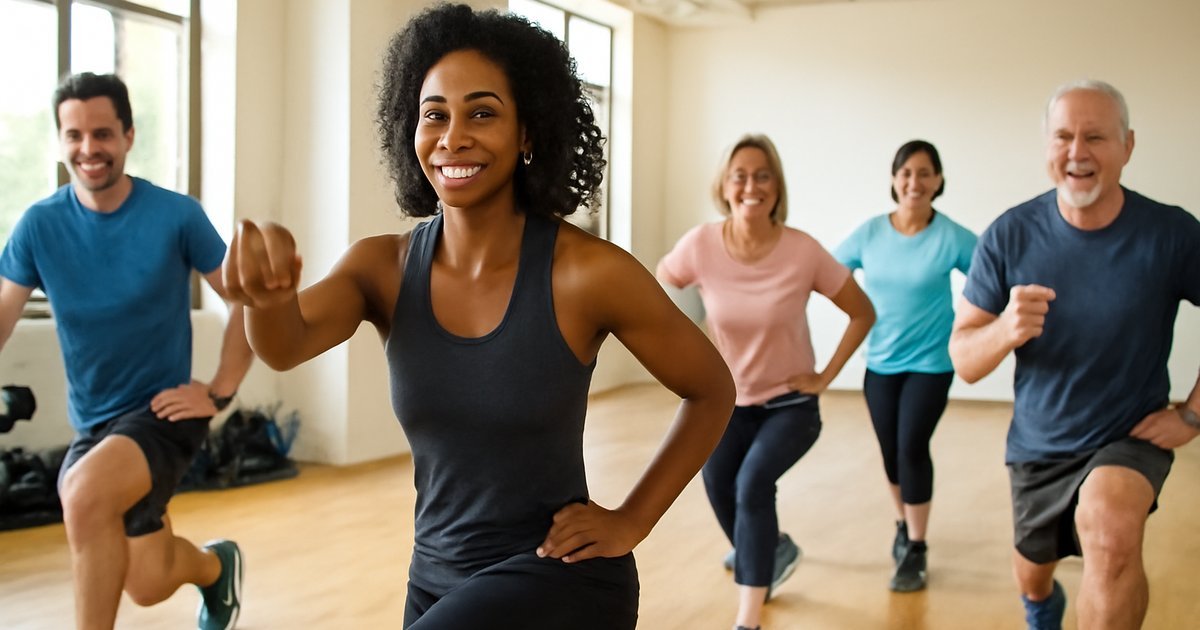
Joining a group fitness class could be one of the most effective health decisions you make this year — and the science backs it up.
Introduction
Mark, 52, had been meaning to exercise more seriously for years. He owned a treadmill that mostly collected dust, had downloaded three workout apps he never opened, and knew — intellectually — that he needed to move more. Then a coworker invited him to a Saturday morning group fitness class at their local gym. Within six weeks, he hadn’t missed a single session.
Mark’s story isn’t unusual. According to the Physical Activity Council’s annual report, Americans who participate in group fitness are significantly more likely to meet the recommended 150 minutes of moderate aerobic activity per week compared to solo exercisers. Yet the CDC estimates that fewer than 25% of U.S. adults currently meet both aerobic and muscle-strengthening guidelines.
Group fitness classes — structured, instructor-led workouts offered in a shared setting — represent one of the most underutilized tools in adult health. Whether you’re brand new to exercise or returning after a long break, this guide will walk you through what the research says, what types of classes exist, how to choose the right one for your body, and how to get started safely.
What Are Group Fitness Classes?
Group fitness classes are organized exercise sessions led by a certified instructor, typically held in gyms, community centers, YMCAs, studios, or even online platforms. They range from high-energy cardio formats to gentle, restorative practices — and nearly every format has been adapted for different fitness levels, ages, and physical abilities.
The defining feature is the shared environment. You exercise alongside other participants, follow an instructor’s cueing, and move through a structured sequence of activities — all within a set time window, usually 30 to 60 minutes.
According to the American College of Sports Medicine (ACSM), group fitness has been one of the top fitness trends in the U.S. for over a decade, reflecting both its accessibility and its measurable outcomes. Research published in the Journal of the American Osteopathic Association found that people who participated in group fitness classes showed significant improvements in stress levels, quality of life, and physical fitness — outperforming solo exercisers in all three categories.
This isn’t just about motivation. Group settings create accountability structures, social bonds, and instructor-guided safety that many people simply can’t replicate on their own.
Health Benefits Supported by Research
The benefits of group fitness go well beyond the calories burned during a single class. Clinical evidence suggests that regular participation produces meaningful improvements across multiple health domains.
Cardiovascular health: The American Heart Association recommends at least 150 minutes of moderate-intensity aerobic activity per week for cardiovascular protection. Many group fitness formats — including cycling, aerobics, and dance cardio — meet this threshold efficiently. Studies indicate that consistent participation lowers resting heart rate and improves VO2 max (a measure of cardiovascular fitness) over time.
Mental health and stress reduction: A landmark study published in the Journal of the American Osteopathic Association involving medical students found that group exercisers reported a 26.2% reduction in perceived stress after 12 weeks — compared to no significant improvement in solo exercisers. Group fitness appears to trigger a stronger release of endorphins through what researchers call “synchronized movement,” which also enhances mood.
Musculoskeletal strength and flexibility: Formats like Pilates, yoga-based classes, and resistance-focused group training improve muscle strength, joint mobility, and bone density — key concerns for adults over 40. The NIH notes that muscle-strengthening activities at least twice per week are essential for preventing age-related muscle loss (sarcopenia) and reducing fall risk.
Weight management: While no exercise alone guarantees weight loss, group fitness classes — particularly those combining cardiovascular and resistance work — support caloric expenditure and metabolic function when paired with appropriate nutrition. Research suggests that the accountability of a class environment increases adherence, which is the single strongest predictor of long-term results.
Social connection and longevity: The social dimension of group fitness is increasingly recognized as a health factor in its own right. Research from Brigham Young University and Harvard’s ongoing studies link social connectedness with reduced all-cause mortality. Group exercise creates consistent human interaction — something many adults, especially those over 50, report lacking.
Types of Group Fitness Classes: Finding Your Fit
One of the great strengths of group fitness is its variety. There is almost certainly a format suited to your current fitness level, physical limitations, and personal preferences.
Cardio-Based Classes
- Step aerobics: A classic format using an elevated platform to increase intensity. Moderate impact; good for adults with no significant joint issues.
- Kickboxing fitness: Combines martial arts movements with cardio sequences. High energy, high calorie burn, and excellent for stress relief.
- Zumba and dance fitness: Latin-inspired rhythmic movement. Beginner-friendly, joyful, and effective for cardiovascular conditioning. (Learn more about dance fitness for adults here.)
- Indoor cycling (spin classes): Stationary bike riding with music and instructor pacing. Low impact on joints while delivering high cardiovascular output. (See our complete guide to cycling for fitness.)
Strength and Conditioning Classes
- BodyPump and barbell classes: High-rep, low-weight training to music. Effective for muscle endurance and bone health.
- Kettlebell classes: Functional strength and conditioning using kettlebells in a group format. Moderate to high intensity.
- Circuit training: Rotating stations of strength and cardio exercises. Time-efficient and adaptable for various fitness levels.
- Boot camp classes: Military-inspired high-intensity intervals combining body weight and equipment. Not ideal for complete beginners without modification.
Mind-Body and Low-Impact Classes
- Group yoga: Multiple styles available (Hatha, Vinyasa, Restorative). Excellent for flexibility, stress, and mindfulness. (Read our full yoga for adults guide.)
- Pilates mat classes: Core-focused, low-impact, and highly adaptable. Ideal for adults with back pain or rehabilitation needs.
- Tai chi classes: Slow, flowing movement sequences shown to improve balance, reduce fall risk, and lower blood pressure.
- Stretch and mobility classes: Guided flexibility work. Often recommended by physical therapists as supplemental care.
Aquatic Group Classes
- Water aerobics: High resistance, zero impact. Ideal for adults with arthritis, joint replacements, or obesity-related joint stress.
- Aqua cycling: Stationary cycling submerged in a pool. An emerging format with excellent cardiovascular and joint-friendly benefits.
How to Choose the Right Class for Your Health Goals
Choosing a group fitness class isn’t one-size-fits-all — and that’s a good thing. Your choice should be guided by your current fitness level, any health conditions or physical limitations, your goals, and honestly, what you think you’ll enjoy enough to keep showing up for.
Here’s a practical framework:
If you’re new to exercise or returning after a long break: Start with low-to-moderate intensity formats like yoga, beginner Pilates, walking-based group classes, or water aerobics. Avoid high-intensity boot camps or advanced spin classes until your cardiovascular fitness and movement patterns are established.
If you have joint pain or arthritis: Prioritize aquatic classes, chair-based classes, or gentle yoga. The Arthritis Foundation specifically recommends low-impact group exercise for managing joint inflammation and maintaining mobility. Always inform the instructor of your condition before class begins.
If your primary goal is weight management: Look for cardio-heavy formats (cycling, dance fitness, aerobics) combined with strength components (circuit training, body pump). Consistency matters more than intensity — choose a format you genuinely like.
If you’re managing cardiovascular disease or hypertension: Consult your physician before starting any new exercise program. Many cardiac rehabilitation programs incorporate group fitness elements. Moderate-intensity cardio classes are generally appropriate with medical clearance, but confirm with your care team.
If you’re over 60 or concerned about balance and falls: Tai chi, Pilates, and yoga classes that emphasize balance and proprioception (awareness of body position) are especially beneficial. The CDC’s STEADI program (Stopping Elderly Accidents, Deaths, and Injuries) highlights exercise as a primary fall-prevention strategy.
If stress and mental health are your main concern: Mind-body formats — yoga, tai chi, Pilates, and even rhythmic dance classes — have the strongest evidence base for reducing cortisol (the stress hormone) and improving mood and sleep quality.
Getting Started: A Practical Step-by-Step Guide
Taking that first class can feel intimidating. Here’s how to approach it in a way that sets you up for a positive experience.
Step 1: Get medical clearance if needed. If you are over 45, sedentary, managing a chronic condition, or have had a recent injury or surgery, speak with your physician before starting a new fitness program. This isn’t about limiting you — it’s about protecting you and helping you choose the most appropriate format.
Step 2: Look for beginner-friendly classes and certified instructors. When searching for classes, look for terms like “beginner,” “all levels,” or “foundations.” Verify that instructors hold certifications from recognized organizations such as ACE (American Council on Exercise), NASM (National Academy of Sports Medicine), or ACSM.
Step 3: Arrive early and talk to the instructor. Arrive at least 10 minutes early. Introduce yourself, mention any health concerns or physical limitations, and ask whether modifications are available. A good instructor will welcome this conversation and provide alternatives throughout the class.
Step 4: Start with two classes per week. Research on exercise adherence suggests that starting with a manageable frequency — two sessions per week — and gradually increasing is more sustainable than attempting daily classes immediately. Give your body adequate recovery time, especially in the first few weeks.
Step 5: Dress appropriately and hydrate. Wear supportive, comfortable athletic shoes appropriate for the class type (cross-trainers for most; cycling shoes for spin; bare feet or grip socks for yoga and Pilates). Bring water and a small towel. Eat a light snack 60-90 minutes before class if needed.
Step 6: Listen to your body — always. There is a meaningful difference between the discomfort of exertion (normal) and sharp, sudden, or joint-specific pain (a warning signal). Never push through pain. Modify movements when needed, and don’t be embarrassed to take breaks.
What to Expect in Your First Few Weeks
Muscle soreness — especially delayed onset muscle soreness (DOMS), which peaks 24-48 hours after exercise — is common and normal when you begin a new program. It reflects muscle adaptation, not injury, and typically decreases significantly after the first two to three weeks.
You may feel awkward or behind the class initially. This is universal and temporary. Most group fitness participants are focused on their own form, not watching newcomers. Trust that coordination and familiarity with class formats develop quickly.
Clinical evidence suggests it takes approximately six to eight weeks of consistent participation for significant fitness improvements to become measurable — in cardiovascular capacity, muscular endurance, and mood. Set realistic expectations and focus on consistency rather than perfection.
When to Call Your Doctor or Seek Emergency Care
Knowing the difference between normal exercise discomfort and warning signs is essential. Stop exercising immediately and seek emergency medical care if you experience:
- Chest pain, pressure, tightness, or pain radiating to the arm, jaw, or back
- Sudden shortness of breath that is disproportionate to your exertion level
- Dizziness, fainting, or near-fainting
- Heart palpitations that feel irregular, rapid, or alarming
- Sudden severe headache during or after exercise
- Acute joint swelling, severe pain, or the sensation of something "popping" in a joint
Contact your doctor (non-emergency) if you notice:
- Persistent joint pain lasting more than 48 hours after exercise
- Unusual fatigue that doesn’t resolve with rest
- Swelling in the lower legs or ankles following workouts
- Any significant change in a managed chronic condition (blood pressure spikes, blood sugar irregularities, etc.)
The American Heart Association recommends that adults with known cardiovascular disease, diabetes, or other chronic conditions complete a physician-supervised exercise stress test before beginning a vigorous exercise program.
Frequently Asked Questions
Q: Are group fitness classes safe for older adults?
A: Yes — with the right format and appropriate modifications. Many classes are specifically designed for adults over 60, including chair-based formats, gentle yoga, and tai chi. Research published by the National Institute on Aging confirms that exercise is safe and beneficial for most older adults, and that inactivity carries far greater risks than properly modified exercise.
Q: Can I lose weight by going to group fitness classes?
A: Group fitness classes can support weight management when combined with appropriate nutrition. Caloric expenditure per class varies widely by format — from approximately 200-300 calories in a gentle yoga class to 500-700 calories in a high-intensity cycling or cardio class. Long-term weight management depends on consistent activity, dietary patterns, sleep, and individual metabolic factors. Research suggests that the social accountability of group exercise significantly improves adherence compared to solo workouts, which is a meaningful advantage.
Q: How many group fitness classes per week is ideal?
A: The CDC recommends adults aim for at least 150 minutes of moderate-intensity or 75 minutes of vigorous-intensity aerobic activity per week, plus muscle-strengthening activities twice per week. For most beginners, two to three group fitness classes per week is a reasonable starting point, with rest or active recovery days in between. This varies from person to person based on age, fitness level, class intensity, and overall health.
Q: What if I can’t keep up with the class?
A: This is one of the most common concerns — and one of the least justified. Most certified group fitness instructors are trained to offer modifications for different fitness levels throughout the class. It’s completely appropriate to work at your own pace, reduce range of motion, take breaks, or use lighter weights. Over time, your fitness level will improve and keeping up will become much easier.
Q: Are online group fitness classes as effective as in-person?
A: Research suggests that online group fitness classes can be effective for improving fitness and adherence, particularly when they include real-time interaction with an instructor and other participants (live-streamed formats). Pre-recorded classes offer convenience and flexibility but may lack the social accountability component. A 2021 study published in JMIR mHealth and uHealth found that virtual group exercise maintained physical activity levels and social connection during periods when in-person access was limited. Both formats have a place depending on your schedule, access, and personal preference.
Conclusion
Group fitness classes offer something that solo exercise often can’t — structure, social connection, professional guidance, and the kind of accountability that turns good intentions into lasting habits. Whether you choose a high-energy cycling class, a peaceful Sunday yoga session, or a water aerobics class with your neighbors, the most important thing is finding a format you can commit to consistently.
The evidence is clear: regular physical activity improves cardiovascular health, mental well-being, bone density, and longevity. Group fitness is one of the most accessible, enjoyable, and clinically supported ways to get there.
Start where you are. Talk to your doctor. Find a class. Show up. Your future self will thank you.
Medical Disclaimer: This article is for informational and educational purposes only. It does not constitute medical advice, diagnosis, or treatment. Always consult your physician or a qualified healthcare provider before making changes to your health routine or treatment plan.
Medically reviewed by our editorial health team. Content follows evidence-based standards aligned with CDC and NIH guidelines.