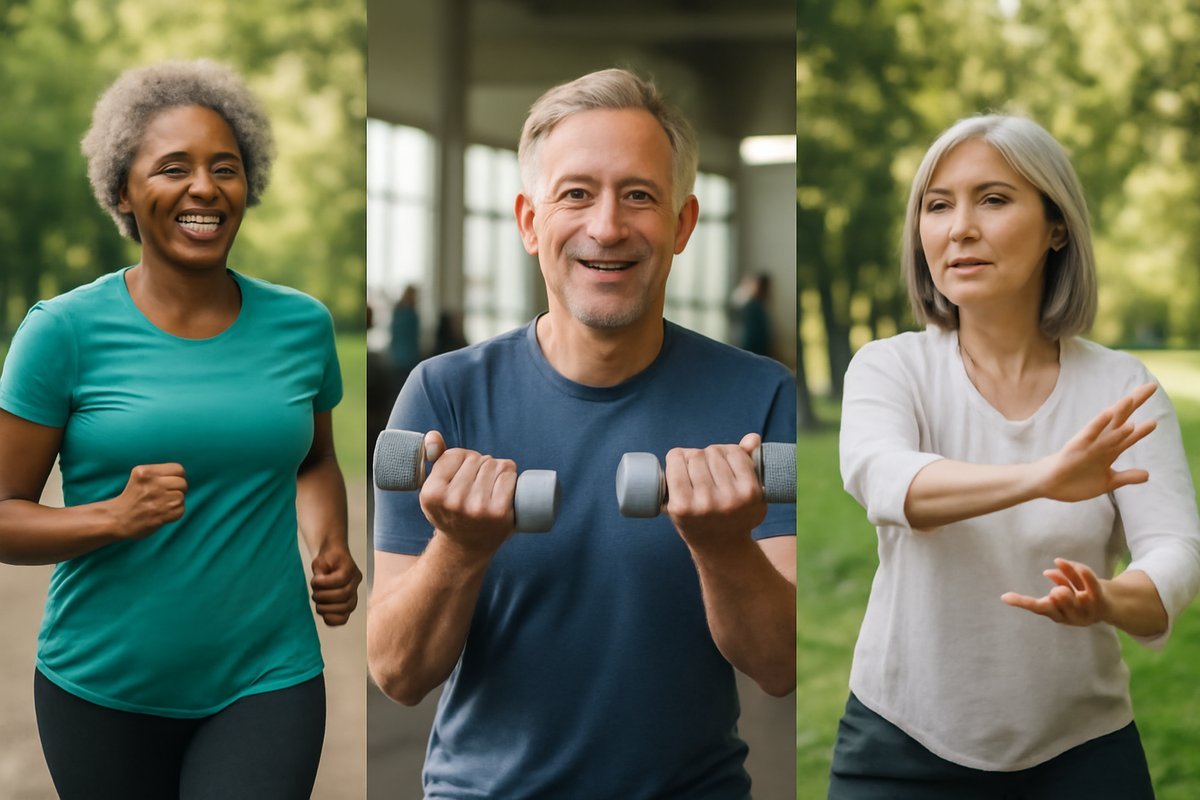
Exercise for Strong Bones: Preventing Osteoporosis
Engaging in targeted physical activity is a cornerstone for building and maintaining robust bone density throughout life.
According to the National Osteoporosis Foundation, approximately 10 million Americans have been diagnosed with osteoporosis, and an additional 44 million have low bone density, known as osteopenia. This means a staggering half of all Americans aged 50 and older are at risk of breaking a bone due to weakened bone structure. Many individuals, however, remain unaware of the critical role they can play in preventing this silent disease through proactive lifestyle choices.
Osteoporosis doesn’t just happen overnight; it’s a progressive condition where bones gradually lose their density, becoming more fragile over time. The good news is that you have powerful tools at your disposal to counteract this process. In this comprehensive guide, you will learn why bone health is so vital, what causes bone loss, and most importantly, how specific types of exercise can help you build and maintain strong bones, significantly reducing your risk of osteoporosis and fractures. We’ll explore the evidence-backed strategies for preventing osteoporosis with exercise, ensuring you stay active and resilient for years to come.
What Is Osteoporosis?
Osteoporosis is a medical condition characterized by bones becoming weak, brittle, and porous. This means they are so fragile that even minor stresses, such as bending over, coughing, or a slight fall, can lead to a fracture. The condition occurs when the body’s ability to create new bone tissue doesn’t keep pace with the removal of old bone tissue, leading to a net loss of bone mass.
The internal structure of a healthy bone resembles a honeycomb. With osteoporosis, the “holes” in this honeycomb structure grow larger, making the bone weaker and more susceptible to breaks. This gradual deterioration often progresses without symptoms until a fracture occurs, earning osteoporosis the nickname “the silent disease.”
The prevalence of osteoporosis in the United States is substantial. The NIH reports that women are approximately four times more likely to develop osteoporosis than men, particularly after menopause due to a sharp decline in estrogen levels, which plays a critical role in maintaining bone density. However, men are also at risk, especially as they age or if they have certain medical conditions or lifestyle factors.
Why does it matter? Fractures caused by osteoporosis, particularly hip fractures, can have devastating consequences. They often lead to severe pain, long-term disability, loss of independence, and, in some cases, an increased risk of mortality. Preventing osteoporosis is not just about avoiding breaks; it’s about maintaining your quality of life and autonomy as you age.
Signs and Symptoms of Bone Loss
One of the most challenging aspects of osteoporosis is its insidious nature. In its early stages, bone loss typically produces no noticeable symptoms. You generally don’t feel your bones getting weaker, which is why preventive measures and regular medical check-ups are so crucial, especially if you have risk factors.
The first clear sign of osteoporosis is often a fracture, which might occur from a fall that would normally not cause a break, or even from everyday activities. These are sometimes called “fragility fractures.”
Advanced Signs and Symptoms May Include:
- Back pain: This can be caused by a fractured or collapsed vertebra in the spine, which are common osteoporotic fractures.
- Loss of height over time: Multiple compression fractures in the spine can cause a gradual decrease in stature, making you appear shorter.
- A stooped posture (kyphosis): Often referred to as a “dowager’s hump,” this is a curving of the upper back that results from spinal compression fractures.
- A bone fracture that occurs much more easily than expected: For instance, breaking a wrist or hip from a minor fall that wouldn’t injure someone with healthy bones.
A clinical finding published in the Journal of Bone and Mineral Research has highlighted that accelerated bone loss can actually begin years before a formal diagnosis of osteoporosis is made. This underscores the critical importance of adopting preventive strategies early in life and continuing them through adulthood to safeguard your skeletal health before symptoms even appear.
Causes and Risk Factors for Osteoporosis
Osteoporosis is a complex condition influenced by a combination of genetic predispositions, lifestyle choices, and environmental factors. Understanding these elements can help you identify your personal risk and take appropriate preventive action.
Genetic and Unchangeable Risk Factors:
- Sex: Women are at a significantly higher risk than men, primarily due to hormonal changes after menopause.
- Age: The older you get, the higher your risk of osteoporosis. Bone density naturally declines with age.
- Race: People of Caucasian and Asian descent appear to be at the highest risk, though all racial groups can be affected.
- Family history: Having a parent or sibling with osteoporosis, especially if they experienced a hip fracture, increases your own risk.
- Body frame size: Individuals with small body frames tend to have less bone mass to draw from as they age.
Lifestyle and Modifiable Risk Factors:
- Sedentary lifestyle: A lack of physical activity, especially weight-bearing exercise, is a major contributor to bone loss. Bones need stress to remain strong.
- Low calcium intake: A lifelong lack of calcium plays a major role in the development of osteoporosis.
- Low vitamin D intake: Vitamin D is crucial for the absorption of calcium. Without adequate vitamin D, calcium cannot be effectively utilized by the bones.
- Excessive alcohol consumption: Chronic heavy alcohol use can interfere with the body’s ability to absorb calcium and vitamin D, and it can also interfere with bone-building cells.
- Tobacco use: Smoking has been shown to contribute to weak bones and an increased risk of fractures.
- Eating disorders: Anorexia nervosa and bulimia can lead to nutrient deficiencies and hormonal imbalances that weaken bones.
- Low body mass index (BMI): Being underweight can reduce bone density, particularly in women.
Medical Conditions and Medications:
- Thyroid problems: Overactive thyroid (hyperthyroidism) can accelerate bone loss.
- Other glandular disorders: Conditions affecting the parathyroid and adrenal glands can also impact bone health.
- Gastrointestinal diseases: Conditions like Crohn’s disease, celiac disease, and gastric bypass surgery can impair nutrient absorption, including calcium and vitamin D.
- Certain medications: Long-term use of corticosteroids (e.g., prednisone), some anti-seizure medications, proton pump inhibitors, and certain selective serotonin reuptake inhibitors (SSRIs) can contribute to bone loss.
The CDC highlights that modifiable risk factors, such as physical inactivity and inadequate nutritional intake, significantly contribute to the burden of chronic diseases in the US, including those that directly impact bone health. Taking control of these factors through diet and exercise is a powerful step towards prevention.
Diagnosis: What to Expect
Diagnosing osteoporosis typically involves a combination of medical history review, physical examination, and specialized tests. Because osteoporosis often has no outward symptoms until a fracture occurs, screening is vital for early detection, especially if you have significant risk factors.
Key Diagnostic Tools and Procedures:
- Dual-energy X-ray Absorptiometry (DEXA or DXA) Scan: This is the primary and most definitive test for diagnosing osteoporosis. A DEXA scan is a quick, non-invasive imaging test that measures your bone mineral density (BMD) in specific areas, most commonly the hip and spine. The results are reported as a T-score and a Z-score.
- T-score: Compares your BMD to that of a healthy young adult of the same sex. A T-score of -1.0 or above is considered normal. A score between -1.0 and -2.5 indicates osteopenia (low bone mass), while a score of -2.5 or lower indicates osteoporosis.
- Z-score: Compares your BMD to others of your same age, sex, and ethnic origin. This is often used for younger individuals and can help identify secondary causes of osteoporosis.
Screening Recommendations:
Most physicians and health organizations, including the National Osteoporosis Foundation, recommend regular DEXA screenings for:
- All women aged 65 and older.
- All men aged 70 and older.
- Postmenopausal women and men aged 50-69 with risk factors for osteoporosis.
- Anyone who has experienced a fracture from a minor fall or trauma.
- Individuals taking medications or with medical conditions known to cause bone loss.
What Your Doctor Looks For:
Beyond the DEXA scan, your doctor will assess your overall fracture risk based on your age, medical history, lifestyle, and other risk factors. They may also order blood and urine tests to rule out other conditions that can cause bone loss, such as vitamin D deficiency, thyroid problems, or kidney disease. These tests help to determine if your osteoporosis is primary (age-related) or secondary (caused by another medical condition or medication).
When to seek diagnosis: If you have several risk factors for osteoporosis, a family history of the condition, or if you’ve recently experienced a fracture from a seemingly minor incident, it is crucial to speak with your doctor about getting screened. Early diagnosis can lead to timely interventions that can significantly impact your bone health and reduce future fracture risk.
Exercise as a Cornerstone Treatment and Prevention
While various conventional medical treatments exist for diagnosed osteoporosis, exercise remains a fundamental strategy for both preventing bone loss and managing the condition. It’s a powerful, non-pharmacological intervention that helps strengthen bones and muscles, improves balance, and reduces the overall risk of falls and fractures.
Conventional Medical Treatments:
Once osteoporosis is diagnosed, your doctor may recommend medications to slow bone loss or rebuild bone. These often include:
- Bisphosphonates: The most commonly prescribed medications, such as alendronate (Fosamax) and risedronate (Actonel), work by slowing down bone breakdown.
- Hormone-related therapies: Estrogen therapy can help maintain bone density in postmenopausal women, but its use is typically weighed against potential risks.
- Other medications: Depending on the severity and specific patient profile, other drugs like denosumab, teriparatide, or romosozumab may be prescribed to stimulate bone formation or reduce bone resorption.
Lifestyle Modifications as Complement:
Alongside medical treatments, lifestyle modifications are essential. These include ensuring adequate calcium and vitamin D intake through diet and supplements, avoiding smoking and excessive alcohol, and most critically, engaging in regular physical activity. Exercise works directly on the bones, stimulating them to become denser and stronger, much like how muscles respond to resistance.
Evidence for Exercise in Bone Health:
The role of exercise in maintaining and building bone density is extensively supported by scientific evidence. The American Academy of Orthopaedic Surgeons emphasizes that weight-bearing and resistance exercises are crucial for bone health. These types of activities create stress on the bones, which, in turn, signals specialized cells called osteoblasts to build new bone tissue, increasing bone mineral density.
A meta-analysis published in *Osteoporosis International* concluded that targeted exercise programs, particularly those combining resistance training with high-impact or weight-bearing activities, are highly effective in increasing or preserving bone mineral density in both pre- and postmenopausal women. For men and women of all ages, consistent physical activity can significantly reduce the age-related decline in bone mass, thereby lowering the risk of osteoporosis.
Beyond direct bone-building, exercise also strengthens the muscles supporting the bones, improves coordination, and enhances balance. These secondary benefits are vital in reducing the risk of falls, which are the leading cause of osteoporotic fractures, especially among older adults. Therefore, exercise is not just about bone density; it’s about comprehensive musculoskeletal health and fall prevention.
Living With Bone Density Issues / Prevention Strategies
Whether you’re looking to prevent bone loss or manage existing osteopenia or osteoporosis, integrating specific types of exercise into your daily routine is paramount. Consistent, targeted physical activity is a lifelong commitment to strong bones.
Practical Day-to-Day Management Through Exercise:
The most effective exercises for bone health fall into two main categories: weight-bearing exercises and resistance training. Balance and flexibility exercises also play a crucial supportive role by reducing fall risk.
- Weight-Bearing Exercises: These are activities where your bones and muscles work against gravity, stimulating bone growth and density.
- High-impact weight-bearing: Best for those with healthy bones. Examples include jogging, hiking, jumping rope, playing tennis, and dancing.
- Low-impact weight-bearing: Suitable for most adults, including those with osteopenia or mild osteoporosis, or joint issues. Examples include brisk walking, using elliptical machines, stair climbing, and low-impact aerobics.
- Resistance Training (Strength Training): These exercises involve moving your muscles against resistance, which places tension on the bones, promoting bone formation.
- Free weights: Hand weights, barbells.
- Weight machines: Found in gyms.
- Resistance bands: Portable and versatile.
- Bodyweight exercises: Push-ups, squats, lunges, planks. These are particularly effective, and you can find comprehensive guidance on building strength in our “Strength Training After 50: The Complete Guide.”
- Balance and Flexibility Exercises: While they don’t directly build bone, these exercises are critical for preventing falls, which are a major cause of fractures in individuals with weak bones.
- Tai Chi: An ancient Chinese martial art known for its slow, deliberate movements.
- Yoga: Improves flexibility, strength, and balance. Always choose modifications that are safe for your bone health.
- Posture exercises: Strengthening core muscles can help maintain proper alignment and reduce spinal strain.
Key Prevention Strategies with Evidence:
- Consistency is key: The benefits of exercise for bone health are gained through regular, consistent participation. Aim for at least 30 minutes of moderate-intensity weight-bearing exercise most days of the week, coupled with 2-3 sessions of resistance training.
- Progressive overload: To continue stimulating bone growth, gradually increase the intensity, duration, or resistance of your workouts over time. This challenge encourages your bones to adapt and strengthen.
- Balanced nutrition: Complement your exercise routine with a diet rich in calcium (dairy products, leafy greens, fortified foods) and vitamin D (fatty fish, fortified milk, sunlight exposure). The NIH recommends 1,000-1,200 mg of calcium and 600-800 IU of vitamin D daily for most adults.
- Avoid harmful habits: Limit alcohol consumption and completely avoid smoking, as both are detrimental to bone health.
- Fall prevention: Beyond balance exercises, ensure your home environment is safe, free of tripping hazards, and well-lit. Use assistive devices if necessary.
Remember that even a simple activity like walking for weight loss is a weight-bearing exercise that contributes positively to bone density and overall health.
When to Call Your Doctor / Emergency Signs
Knowing when to seek medical attention for bone health concerns is crucial. While exercise is a powerful preventive tool, it’s essential to recognize signs that may indicate underlying issues or require immediate professional care.
Clear Red Flags Requiring Immediate Care:
- Sudden, severe back pain: This could be a sign of a vertebral compression fracture, even if you haven’t had a fall or obvious trauma.
- A fracture from a minor fall or trauma: If you break a bone from a fall that wouldn’t typically cause injury in a healthy individual (e.g., falling from standing height), this is a strong indicator of fragile bones and requires immediate evaluation.
- New or worsening stooped posture, along with significant pain: While some stooping can occur gradually, a sudden progression accompanied by pain warrants medical attention.
If you experience any of these symptoms, do not delay seeking care. Prompt medical assessment can lead to appropriate diagnosis and treatment, potentially preventing further fractures or complications.
When to Call Your Doctor for a Scheduled Visit or Advice:
- If you have multiple risk factors for osteoporosis: Even without symptoms, if you have a family history, are postmenopausal, or have other risk factors, discuss screening with your doctor.
- Concerns about your exercise routine: If you’re unsure which exercises are safe or most effective for your bone health, or if you have an existing bone condition, consult your physician or a physical therapist. They can help tailor a safe and effective exercise plan.
- Persistent or unexplained bone pain: Any ongoing aches or pains in your bones or joints should be brought to your doctor’s attention.
- Changes in height or posture over time: Track your height annually, and mention any noticeable decrease or changes in your spinal curvature to your doctor.
- Nutritional concerns: If you’re struggling to meet your calcium and vitamin D requirements through diet, discuss supplement options with your healthcare provider.
When you speak with your doctor, be prepared to provide a detailed medical history, including any previous fractures, medications you are taking, and your current lifestyle habits, including your diet and exercise routine. This information will help them make the most accurate assessment and provide the best recommendations for your bone health.
Frequently Asked Questions
Can exercise reverse osteoporosis?
While exercise is an excellent strategy for maintaining and improving bone mineral density, it generally cannot fully “reverse” established osteoporosis once it has become severe. However, consistent and targeted exercise can significantly slow down the rate of bone loss, improve bone strength, and substantially reduce the risk of future fractures. It is a critical component of any osteoporosis management plan, alongside other medical interventions.
What types of exercise are best for bone health?
The most effective types of exercise for stimulating bone growth and density are weight-bearing exercises and resistance training. Weight-bearing activities include walking, jogging, hiking, dancing, and stair climbing. Resistance training involves lifting weights, using resistance bands, or performing bodyweight exercises like squats and push-ups. Balance exercises, such as Tai Chi or yoga, are also crucial for preventing falls, which are a major cause of osteoporotic fractures.
How much exercise do I need for bone health?
Most health organizations, including the American College of Sports Medicine, recommend at least 30 minutes of moderate-intensity weight-bearing exercise on most days of the week, preferably 4-5 days. Additionally, incorporating 2-3 sessions of resistance training per week, targeting major muscle groups, is highly beneficial. For individuals with osteoporosis, it’s essential to consult with a doctor or physical therapist to tailor a safe and effective exercise regimen.
Is it safe to exercise if I already have osteoporosis?
Yes, but with crucial considerations and under professional guidance. If you have been diagnosed with osteoporosis, it is imperative to consult your doctor or a qualified physical therapist before starting any new exercise program. They can help design a safe exercise plan that avoids high-impact activities or movements that could lead to fractures, such as deep spinal flexion (forward bending) or twisting motions. The goal is to maximize benefits while minimizing risk.
Does swimming help bone density?
Swimming is an excellent form of exercise for cardiovascular health, muscle strength, and joint mobility. However, because it is a non-weight-bearing activity (you are supported by water), it does not provide the same direct bone-building benefits as land-based weight-bearing and resistance exercises. While it’s a great complementary exercise for overall fitness and can be particularly good for those with joint pain, it should not be your sole form of exercise if your primary goal is to improve bone density.
Conclusion
Maintaining strong, healthy bones is a lifelong journey, and exercise is undoubtedly one of your most potent allies. By understanding the causes of bone loss and committing to a regimen of targeted weight-bearing and resistance exercises, you can significantly reduce your risk of osteoporosis and enjoy a more active, independent life. Remember that every step, every lift, and every moment of movement contributes to building a stronger skeletal foundation.
Empower yourself with knowledge and action, but always remember that personalized care is key. Before starting any new exercise program, especially if you have existing health conditions or concerns about bone density, it is crucial to consult your physician or a qualified healthcare provider. They can offer guidance tailored to your specific health needs, ensuring your efforts are safe, effective, and align with your overall wellness goals.
Medical Disclaimer
This article is for informational and educational purposes only. It does not constitute medical advice, diagnosis, or treatment. Always consult your physician or a qualified healthcare provider before making changes to your health routine or treatment plan.
AUTHOR LINE
Medically reviewed by our editorial health team. Content follows evidence-based standards aligned with CDC and NIH guidelines.