Tag: fitness for adults

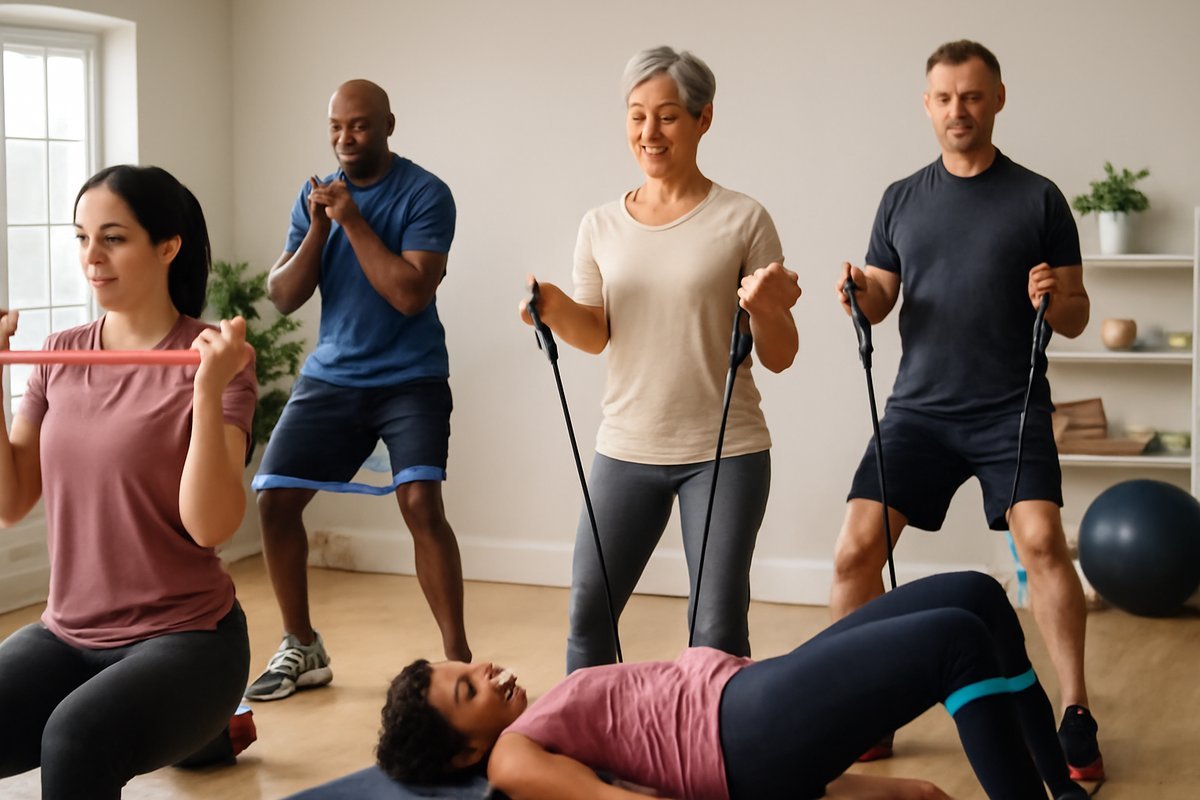
  • Resistance Band Training: A Complete Guide for Adults

    Resistance Band Training: A Complete Guide for Adults

    Harness the power of portable resistance for strength and vitality.

    According to the Centers for Disease Control and Prevention (CDC), only about 24.2% of adults meet the physical activity guidelines for muscle-strengthening activity, leaving a significant portion of the U.S. population vulnerable to age-related muscle loss, known as sarcopenia, and reduced bone density. Many adults, especially those between 30 and 70, often struggle to incorporate regular strength training into their routines due to time constraints, gym intimidation, or pre-existing joint conditions. This gap in physical activity can lead to decreased functional independence, increased risk of falls, and a lower quality of life.

    If you’re looking for an effective, accessible, and joint-friendly way to build strength, improve mobility, and boost your overall health, resistance band training for adults might be the perfect solution. This comprehensive guide will walk you through everything you need to know about resistance bands, from their benefits and types to essential exercises and how to integrate them into your daily life safely and effectively. You’ll learn how these versatile tools can help you achieve your fitness goals without the need for heavy weights or expensive gym memberships.

    What Is Resistance Band Training?

    Resistance band training involves using elastic bands made of latex or synthetic rubber to create resistance against muscle contractions. Unlike free weights, which rely on gravity, resistance bands provide tension throughout the entire range of motion, engaging muscles differently and often more safely. This method of strength training has been utilized in physical therapy for decades and has gained widespread popularity in general fitness due to its efficacy and convenience.

    The increasing availability and affordability of resistance bands have made them a staple in home gyms and physical therapy clinics across the U.S., becoming an increasingly popular choice for strength training. Their ability to offer variable resistance, meaning the tension increases as the band is stretched further, provides a unique stimulus to your muscles. This variable tension can lead to significant improvements in muscle strength, endurance, and power, making them a valuable tool for individuals of all fitness levels.

    Why does this matter for your health? Regular strength training, whether with bands or weights, is crucial for maintaining muscle mass, bone density, and metabolic health. It helps improve body composition by increasing lean muscle tissue, which can boost your metabolism and support healthy weight management. Furthermore, strength training contributes to better balance and coordination, reducing your risk of falls as you age. Resistance bands offer a low-impact alternative that can be particularly beneficial if you have joint sensitivities or are recovering from an injury.

    Benefits of Resistance Band Training

    Resistance band training offers a multitude of advantages that make it an excellent choice for adults seeking to improve their fitness and overall well-being. Here are some key benefits:

    • Effective for Muscle Growth and Strength: Research published in the Journal of Sports Science & Medicine has indicated that resistance band training can lead to similar gains in muscle strength and hypertrophy (muscle growth) as conventional free weights, particularly when performed with adequate intensity and volume. This evidence suggests you don’t need heavy iron to build a strong, resilient body.
    • Joint-Friendly and Low Impact: Because resistance bands provide constant tension without the jarring impact of lifting and lowering heavy weights, they are incredibly gentle on your joints. This makes them an ideal option if you have arthritis, joint pain, or are recovering from certain injuries. The controlled movements help protect your ligaments and tendons while still challenging your muscles.
    • Portability and Affordability: Resistance bands are lightweight, compact, and easy to store, making them perfect for home workouts or travel. You can easily pack a set in your suitcase, ensuring you never miss a workout, even when you’re on the go. They are also significantly more affordable than traditional gym equipment, offering a cost-effective way to build a comprehensive strength training routine.
    • Versatility for Full-Body Workouts: With a few different types of bands, you can effectively target almost every major muscle group in your body. From squats and lunges to bicep curls and chest presses, resistance bands allow for a wide range of exercises that can mimic many traditional gym movements.
    • Improved Stability and Balance: Exercises with resistance bands often require you to engage your core and other stabilizing muscles more actively to control the movement. This enhanced stabilization can lead to improved balance, coordination, and proprioception (your body’s awareness of its position in space), which are critical for preventing falls, particularly as you age.
    • Ideal for Rehabilitation and Injury Prevention: Physical therapists frequently use resistance bands to help patients regain strength and mobility after injuries. Their progressive nature allows for gradual increases in resistance, making them safe for rebuilding muscle without putting excessive stress on healing tissues. Incorporating bands into your routine can also help strengthen neglected muscles, preventing future injuries.

    Types of Resistance Bands & How to Choose

    To maximize the effectiveness of your resistance band training, it’s helpful to understand the different types available and how to select the right ones for your needs. This varies from person to person based on strength levels and fitness goals.

    Common Types of Resistance Bands:

    • Loop Bands (Mini Bands or Power Bands): These are continuous loops of elastic material. Mini bands are shorter and often used for exercises targeting the glutes, hips, and shoulders, as well as for warm-ups. Power bands are longer and wider, offering much higher resistance levels, often used for assisted pull-ups, squats, deadlifts, and total body exercises. They typically come in color-coded sets indicating different resistance levels.
    • Tube Bands with Handles: These bands resemble elastic tubes with plastic or foam handles at each end. They are highly versatile and can be used for exercises that mimic free-weight movements, such as bicep curls, chest presses, rows, and shoulder presses. Many sets come with door anchors, allowing you to perform exercises that require a fixed anchor point.
    • Therapy Bands (Flat Bands): These are wide, flat, thin sheets of elastic material, often sold in rolls that you can cut to your desired length. They generally offer lighter resistance compared to loop or tube bands and are commonly used in physical therapy for rehabilitation exercises, stretching, and mobility work. They are excellent for targeting smaller muscle groups and for initial stages of strength building.

    How to Choose the Right Resistance Level:

    Resistance bands are almost always color-coded, with each color corresponding to a different level of tension (e.g., yellow for light, green for medium, blue for heavy, black for extra heavy). It’s crucial to start with a resistance level that allows you to maintain proper form throughout the entire exercise. Most physicians recommend starting with a lighter band and gradually progressing as your strength improves. If you can perform 15 repetitions with good form, it’s likely time to consider moving to a heavier band.

    When selecting your bands, consider your current fitness level and the specific muscle group you intend to work. Larger muscle groups like your glutes and quads can typically handle more resistance than smaller muscles like your shoulders or biceps. Many individuals benefit from having a set of bands with varying resistance levels to accommodate different exercises and muscle groups. Prioritizing safety and proper technique over excessive resistance will lead to more sustainable and injury-free progress.

    Getting Started: Essential Exercises & Proper Form

    Before diving into exercises, a proper warm-up is crucial. Spend 5-10 minutes on light cardio (like marching in place or arm circles) and dynamic stretches. Always prioritize slow, controlled movements, focusing on the muscle contraction rather than momentum. Here are some essential resistance band exercises, demonstrating how to incorporate them safely and effectively:

    Lower Body Exercises:

    • Banded Squats: Place a loop band just above your knees. Stand with feet shoulder-width apart, toes slightly out. Keeping your chest up and core engaged, lower down as if sitting in a chair, pushing your knees out against the band. The band helps activate your glutes and outer thighs.
    • Glute Bridges: Lie on your back with knees bent, feet flat on the floor, and a loop band around your thighs just above the knees. Push your hips up towards the ceiling, squeezing your glutes, and actively push your knees out against the band. Lower slowly.
    • Lateral Walks: Place a loop band around your ankles or just above your knees. Hinge slightly at your hips, keeping your feet shoulder-width apart. Take small, controlled steps sideways, maintaining tension on the band. This targets your hip abductors, crucial for stability.

    Upper Body Exercises:

    • Banded Bicep Curls: Stand on the middle of a tube band with handles (or a long loop band). Hold a handle in each hand, palms facing forward. Keeping your elbows tucked in, curl your hands up towards your shoulders, squeezing your biceps. Slowly lower down.
    • Tricep Extensions: Anchor a tube band to a high point (like a door anchor) or stand on it. Facing away from the anchor, grab the handle(s) with both hands. With elbows bent and tucked in, extend your arms straight down, engaging your triceps. Return slowly.
    • Chest Press (with Door Anchor): Anchor a tube band at chest height behind you. Grab a handle in each hand, stepping forward until the band is taut. With a slight bend in your elbows, press your hands forward as if doing a push-up. Control the return.
    • Banded Rows: Anchor a tube band at chest height in front of you (or loop a power band around a sturdy pole). Grab the handles (or ends of the power band). With a slight hinge at your hips and core engaged, pull the handles towards your torso, squeezing your shoulder blades together. Release slowly.

    Core Exercises:

    • Banded Rotations (Pallof Press): Anchor a tube band to a sturdy object at chest height. Stand perpendicular to the anchor, holding the handle with both hands at your chest. Step away from the anchor until there’s tension. Press the handle straight out in front of you, resisting the band’s pull to rotate your torso. Hold for a moment, then slowly return. This powerfully engages your anti-rotational core muscles.

    Remember, the key to effective resistance band training is consistency and proper form. If you’re unsure about a movement, watch instructional videos or consult with a fitness professional.

    Designing Your Resistance Band Workout Routine

    Creating a structured workout routine is essential for consistent progress and achieving your fitness goals. Here’s how to design an effective resistance band program:

    Frequency:

    Most health organizations, including the American Heart Association, recommend at least two days a week of moderate to high-intensity muscle-strengthening activity that works all major muscle groups. For optimal results and if your body allows, you might aim for 3-4 sessions per week, allowing at least one rest day between working the same muscle groups. Individual variation in recovery time means some people may need more rest.

    Sets and Repetitions:

    For general strength and muscle growth, aim for 2-4 sets of 8-15 repetitions per exercise. If your goal is muscular endurance, you might perform more repetitions (15-20+) with lighter resistance. The last few repetitions of each set should feel challenging, indicating you’re working your muscles effectively.

    Progression:

    To continue seeing results, you must progressively overload your muscles. This means gradually increasing the challenge over time. With resistance bands, you can progress by:

    • Using a band with higher resistance.
    • Increasing the number of repetitions or sets.
    • Slowing down the tempo of each repetition (increasing time under tension).
    • Decreasing rest time between sets.
    • Adding more challenging variations of exercises.

    Full-Body vs. Split Routines:

    • Full-Body Routine: This involves working all major muscle groups in a single session. It’s an excellent choice if you’re new to resistance training or can only commit to 2-3 workouts per week. A typical full-body workout might include 1-2 exercises for legs, 1-2 for chest/back, and 1 for shoulders/arms.
    • Split Routine: This involves dividing your workout days by muscle groups (e.g., upper body on one day, lower body on another). This allows for more focused work on specific muscles and can be beneficial if you’re training 3-4+ days a week. For example, you might do a "Push" day (chest, shoulders, triceps) and a "Pull" day (back, biceps) and a "Legs and Core" day.

    Always listen to your body and adjust your routine as needed. Rest days are just as important as workout days for muscle repair and growth.

    Integrating Resistance Bands into Your Lifestyle & Injury Prevention

    One of the greatest advantages of resistance bands is how easily they fit into various aspects of your life. Their versatility means you can incorporate them whether you’re at home, traveling, or even in the office for a quick stretch. Making resistance band training a regular part of your fitness regimen is more important than sporadic intense sessions.

    Practical Day-to-Day Management:

    • Home Workouts: Set aside a dedicated space, even a small corner, for your resistance band workouts. Having them easily accessible increases the likelihood you’ll use them.
    • Travel Fitness: Pack a few bands of varying resistance levels. They take up minimal space and allow you to maintain your strength training routine while away from home.
    • Supplementing Gym Routines: If you do go to a gym, use bands for warm-ups, cool-downs, or to add extra resistance to bodyweight exercises like squats or push-ups.

    Injury Prevention Strategies:

    While resistance bands are generally safe and joint-friendly, proper technique and preventive measures are still crucial to avoid injury:

    • Proper Warm-up and Cool-down: Always begin with 5-10 minutes of light cardio and dynamic stretches (like leg swings or arm circles) to prepare your muscles. Finish your workout with static stretches (holding a stretch for 20-30 seconds) to improve flexibility. For deeper insights into proper recovery, consider exploring our guide on Exercise Recovery: How to Recover Faster and Train Smarter.
    • Listen to Your Body: If you feel sharp, unusual, or persistent pain during an exercise, stop immediately. "No pain, no gain" is a dangerous mantra, especially for adults focused on long-term health. Mild muscle soreness (DOMS – Delayed Onset Muscle Soreness) is normal, but acute pain is a red flag.
    • Maintain Proper Form: Always prioritize good form over lifting heavier resistance. Incorrect form can negate the benefits of an exercise and increase your risk of injury. If you’re unsure, practice without the band first or use a mirror.
    • Inspect Your Bands Regularly: Before each use, check your resistance bands for any nicks, tears, or signs of wear and tear. A broken band during an exercise can cause injury. Replace worn bands promptly.
    • Secure Anchors: If using door anchors or looping bands around objects, ensure they are stable and secure to prevent them from slipping or breaking during an exercise.

    By integrating these practices, you can safely and effectively harness the power of resistance bands for lasting health and fitness.

    When to Consult a Professional for Exercise-Related Pain

    While resistance band training is generally safe, it’s important to know when to seek professional medical advice regarding exercise-related pain or discomfort. Understanding these red flags can help prevent minor issues from becoming serious problems.

    When to Seek Professional Help:

    • Persistent Pain: If pain lasts for more than a few days, despite rest and at-home care (like ice or heat), it’s a good idea to consult your physician. This is particularly true if the pain limits your daily activities.
    • Sharp, Shooting, or Numbness/Tingling Pain: These types of pain can indicate nerve involvement or more significant tissue damage. Do not ignore them; seek immediate medical attention.
    • Significant Swelling or Bruising: Unexpected swelling or bruising around a joint or muscle, especially if accompanied by pain, warrants a medical evaluation.
    • Loss of Function or Inability to Bear Weight: If you suddenly cannot move a joint through its full range of motion, cannot put weight on a limb, or experience muscle weakness that significantly impacts your ability to perform daily tasks, consult a doctor without delay.
    • Pain That Worsens at Rest or at Night: Pain that doesn’t subside with rest or intensifies at night can sometimes be a sign of a more serious underlying condition.

    What to Tell Your Doctor:

    When you consult your doctor or a physical therapist, be prepared to provide specific details:

    • Location and Type of Pain: Point to where it hurts and describe it (e.g., dull ache, sharp, throbbing, burning).
    • Onset and Duration: When did the pain start? Was it sudden or gradual? How long have you had it?
    • What Makes It Worse/Better: Are there specific movements, activities, or positions that aggravate or relieve the pain?
    • Any Associated Symptoms: Numbness, tingling, weakness, swelling, clicking, or popping sounds.
    • Your Exercise Routine: Describe the exercises you perform, the resistance levels you use, and how often you train.

    A physical therapist or certified personal trainer can provide personalized guidance on proper form, modify exercises, and develop a safe progression plan, especially if you’re new to exercise or have pre-existing conditions. Most physicians recommend seeking professional advice to ensure your fitness journey is safe and effective.

    Frequently Asked Questions

    Are resistance bands as effective as weights for building muscle?

    Clinical evidence indicates that resistance bands can be very effective for building muscle strength and size. While the sensation of resistance differs from free weights, research suggests they can provide a comparable stimulus to muscle fibers when used correctly with appropriate resistance and proper form. The key is to challenge your muscles to fatigue within your desired rep range.

    How do I choose the right resistance level?

    Start with a band that allows you to complete 10-15 repetitions of an exercise with good form, where the last few reps feel challenging but not impossible. If you can do more than 15 reps easily, move to a heavier band. If you can’t complete 8 reps with good form, use a lighter band. Most bands are color-coded to indicate resistance levels, varying by manufacturer.

    Can I use resistance bands if I have joint pain?

    Yes, resistance bands are often recommended for individuals with joint pain because they provide a low-impact form of resistance. The continuous tension and ability to control movements precisely can be gentler on joints compared to the impact of free weights. However, always consult your physician or physical therapist if you have significant joint pain or a medical condition before starting any new exercise program.

    How often should I train with resistance bands?

    Most fitness guidelines recommend engaging in muscle-strengthening activities for all major muscle groups at least two to three times per week, with a day of rest in between sessions for muscle recovery. You can also incorporate bands into your daily warm-ups or cool-downs for added flexibility and mobility.

    What’s the best way to clean and store my resistance bands?

    To prolong the life of your resistance bands, wipe them down with a damp cloth after use, especially if you’ve sweated on them. Avoid harsh cleaning agents. Store them out of direct sunlight and extreme temperatures, which can degrade the elastic material. Keep them flat or loosely rolled in a dry place, away from sharp objects that could cause nicks or tears.

    Conclusion

    Resistance band training for adults offers an incredibly versatile, effective, and accessible pathway to improved strength, mobility, and overall health. Whether you’re a seasoned athlete or just beginning your fitness journey, these portable tools provide a fantastic way to challenge your muscles, protect your joints, and achieve your fitness goals from almost anywhere. By understanding the different types of bands, mastering essential exercises, and designing a consistent routine, you can unlock a new level of physical well-being.

    Remember that consistency, proper form, and listening to your body are paramount. While resistance bands are a powerful tool, your health is unique. Always consult your physician or a qualified healthcare provider before making significant changes to your health routine or treatment plan, especially if you have pre-existing health conditions or concerns. Embrace the flexibility and effectiveness of resistance bands, and take a confident step towards a stronger, healthier you.

    MEDICAL DISCLAIMER

    This article is for informational and educational purposes only. It does not constitute medical advice, diagnosis, or treatment. Always consult your physician or a qualified healthcare provider before making changes to your health routine or treatment plan.

    AUTHOR LINE

    Medically reviewed by our editorial health team. Content follows evidence-based standards aligned with CDC and NIH guidelines.
  • Functional Fitness Training: The Complete Guide for Adults

    Functional Fitness Training: The Complete Guide for Adults

    The workout that makes real life easier — backed by science and designed for the way your body actually moves.

    Introduction

    Michael, 54, could bench press 200 pounds at the gym. But when he tried to lift a heavy box into the attic or get up quickly from the floor after playing with his grandkids, he struggled — and his back paid for it later. His strength was impressive on paper, but it wasn’t translating into his daily life.

    That’s exactly the problem that functional fitness training was designed to solve. According to the CDC, more than 36 million adults in the United States fall each year, and a significant portion of those injuries are linked to poor movement quality, weak stabilizer muscles, and a disconnect between gym performance and real-world physical demands.

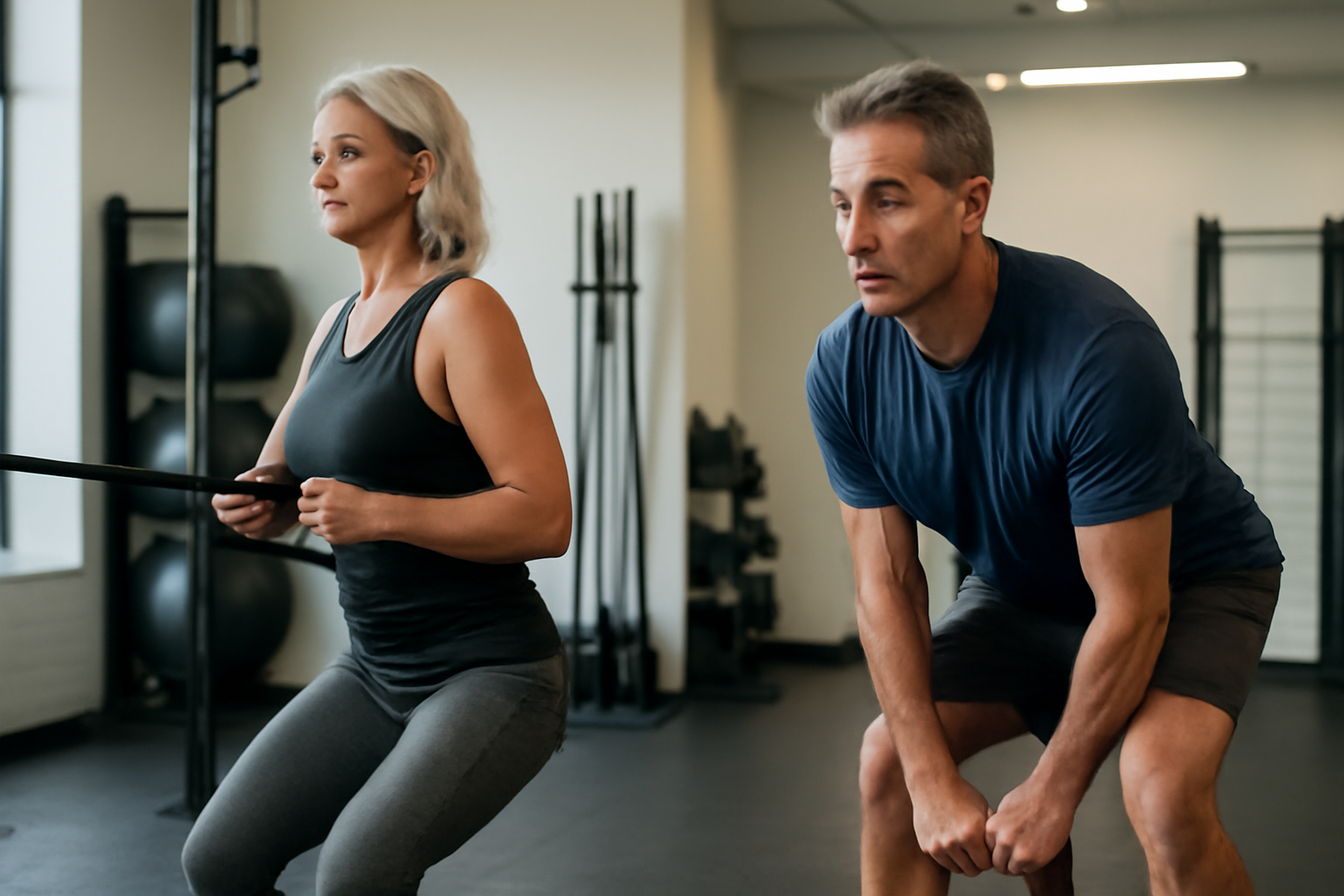
    Functional fitness training focuses on movements that mirror what your body does every day — squatting, bending, pushing, pulling, twisting, and carrying. In this guide, you’ll learn what functional fitness is, why it matters for adults of all fitness levels, how to get started safely, and how to build a practical routine that supports a stronger, more independent life.

    What Is Functional Fitness Training?

    Functional fitness training is a style of exercise that trains your muscles to work together in coordinated, multi-joint movement patterns — the same patterns you use in everyday activities like climbing stairs, picking up groceries, getting out of a car, or reaching overhead.

    Unlike traditional machine-based gym exercises that isolate a single muscle group (like a leg extension or a bicep curl machine), functional training emphasizes compound movements that engage your core, challenge your balance, and replicate real-life biomechanics.

    The American College of Sports Medicine (ACSM) defines functional fitness as training designed to improve neuromuscular efficiency — meaning your nervous system and muscles communicate better, allowing for safer, more coordinated movement.

    Common functional training tools include your own bodyweight, resistance bands, dumbbells, kettlebells, medicine balls, and suspension trainers like TRX. But the real focus isn’t on the equipment — it’s on the movement quality.

    In the United States, functional fitness has become a cornerstone of physical therapy, athletic training, and senior wellness programs. The NIH recognizes it as one of the most effective training approaches for preserving physical independence in adults over 50.

    Signs You May Need Functional Fitness Training

    You don’t need to be injured or elderly to benefit from functional training. In fact, most adults would see meaningful improvements in daily life with this approach. Here are signs that your fitness routine may be missing a functional component:

    Early signs of poor functional fitness:

    • Stiffness or discomfort when getting up from a chair or the floor
    • Back pain after bending over or lifting common household items
    • Difficulty carrying groceries or luggage without straining
    • Feeling off-balance or unsteady on uneven surfaces
    • Knee or hip discomfort when walking up or down stairs
    • Fatigue after moderate physical activity that used to feel easy

    More advanced signs:

    • Frequent minor injuries from low-effort tasks
    • Chronic lower back or shoulder pain during routine movements
    • Noticeable decline in coordination or reaction time
    • Fear of falling or reluctance to perform physical tasks

    A 2023 study published in the Journal of Aging and Physical Activity found that adults who engaged in functional movement training at least twice per week showed significantly greater improvements in daily task performance than those who performed isolated strength training alone.

    Causes of Poor Functional Movement in Adults

    Poor functional movement rarely has a single cause. It’s typically the result of a combination of factors that compound over time — especially as we age.

    Sedentary lifestyle: The CDC reports that only 24% of American adults meet both the aerobic and muscle-strengthening guidelines set by the Physical Activity Guidelines for Americans. Prolonged sitting leads to tight hip flexors, weak glutes, and an overworked lower back — all of which impair functional movement.

    Muscle imbalances: Traditional gym routines that favor mirror muscles (chest, biceps, quads) while neglecting stabilizers (rotator cuff, glute medius, deep core) create imbalances that show up in daily movement as compensation patterns and injury risk.

    Age-related muscle changes: Sarcopenia — the gradual loss of muscle mass and strength that begins around age 30 and accelerates after 50 — reduces the body’s ability to generate force and maintain coordination. The NIH estimates that sarcopenia affects 10 to 25% of adults over 60.

    Neurological deconditioning: The pathways between your brain and your muscles weaken without regular use. This affects proprioception (your body’s sense of its own position in space), which is critical for balance and coordination.

    Previous injuries: Old sprains, joint surgeries, or chronic pain often lead to compensatory movement patterns that persist long after the original injury heals.

    Obesity and excess body weight: Carrying excess weight changes movement mechanics and increases joint stress, often forcing the body into inefficient movement patterns over time.

    Getting Started: What to Expect

    Before beginning any new exercise program, especially if you are managing a chronic health condition, recovering from injury, or have been sedentary for an extended period, it’s essential to consult your primary care physician or a licensed physical therapist.

    A functional fitness assessment may include:

    • Movement screening: A certified trainer or physical therapist may use tools like the Functional Movement Screen (FMS) to identify asymmetries, mobility restrictions, and compensatory patterns
    • Balance testing: Simple tests like the single-leg stance or timed up-and-go test help establish a baseline
    • Strength and mobility evaluation: Assessing your ability to perform fundamental movements like a squat, hinge, and overhead reach
    • Medical clearance: Your physician may order labs or imaging if you have cardiovascular concerns, joint pain, or other risk factors

    Most healthy adults can begin with beginner-level bodyweight movements and progress gradually. The Cleveland Clinic recommends starting with two to three sessions per week, each lasting 30 to 45 minutes, with at least 48 hours of recovery between full-body sessions.

    If you’re already active, you can likely integrate functional movements into your existing routine. If balance or joint health is a concern, our guides on Balance Training for Adults and Low-Impact Exercise for Joint Health provide excellent complementary starting points.

    Functional Fitness Exercises: A Practical Framework

    Functional training is built around seven foundational movement patterns. Every exercise you do should map to one or more of these patterns:

    1. Squat (knee-dominant)
    Mirrors sitting down and standing up. Strengthens quads, glutes, hamstrings, and core.
    Examples: Bodyweight squat, goblet squat, split squat

    2. Hinge (hip-dominant)
    Mirrors picking something up from the floor safely. Primarily targets glutes, hamstrings, and lower back.
    Examples: Romanian deadlift, kettlebell deadlift, single-leg hinge

    3. Push (horizontal and vertical)
    Mirrors pushing a door open or lifting overhead. Works chest, shoulders, and triceps.
    Examples: Push-up, dumbbell press, wall push-up (modified)

    4. Pull (horizontal and vertical)
    Mirrors pulling open a heavy door or reaching and pulling objects toward you. Works back, biceps, and rear shoulders.
    Examples: Resistance band row, dumbbell row, lat pulldown

    5. Carry (loaded locomotion)
    Mirrors carrying groceries or luggage. Engages the entire body — especially core, grip, and shoulder stability.
    Examples: Farmer’s carry, suitcase carry, overhead carry

    6. Rotate (rotational and anti-rotational)
    Mirrors twisting to look behind you, swinging, or reaching across your body. Core-dominant.
    Examples: Pallof press, woodchop, rotational medicine ball throw

    7. Gait and locomotion
    Mirrors walking, stepping, climbing, and lunging in varied directions.
    Examples: Reverse lunge, lateral step-up, step-over

    A well-designed functional fitness session typically includes movements from three to five of these categories. You don’t need to hit all seven in every workout — variety across the week is what matters.

    Research published in the journal PLOS ONE found that adults who trained all seven movement patterns regularly over 12 weeks showed statistically significant improvements in functional independence scores, grip strength, and reported quality of life compared to a control group.

    Living With Functional Fitness: Long-Term Management and Prevention

    One of the greatest strengths of functional fitness training is that it’s inherently sustainable. Because it reinforces movements you already do every day, it doesn’t feel disconnected from real life — and that makes it easier to stick with over the long term.

    Building a consistent habit:

    • Aim for 2 to 4 functional training sessions per week, depending on your recovery capacity
    • Pair functional training with cardiovascular activity — walking, swimming, or cycling — for comprehensive health benefits
    • Use daily activities as mini training opportunities: practice good hinge mechanics when picking up objects, engage your core while standing in line, take stairs deliberately and mindfully

    Progression principles: Clinical evidence from Mayo Clinic indicates that gradual, progressive overload — slowly increasing resistance, complexity, or range of motion over time — is the most effective and safest way to build functional strength. Rushing progression is one of the most common causes of injury in adults returning to exercise.

    Recovery matters: Functional training still creates muscular stress and demands proper recovery. Make sure you’re getting 7 to 9 hours of sleep, staying hydrated, and consuming adequate protein (most physicians recommend 0.7 to 1.0 grams per pound of body weight daily for active adults). For more detail on smart recovery strategies, see our guide on Exercise Recovery: How to Recover Faster and Train Smarter.

    Prevention through movement quality: Research from Johns Hopkins suggests that adults who maintain consistent functional movement training significantly reduce their risk of age-related disability, fall-related injury, and loss of independence. The investment made in movement quality in your 40s and 50s pays substantial dividends in your 60s and 70s.

    This varies from person to person: Your ideal functional training frequency, intensity, and exercise selection depends on your current fitness level, health history, and goals. Working with a certified personal trainer (look for NASM, ACE, or NSCA credentials) or a licensed physical therapist can help you build a program tailored to your needs.

    When to Call Your Doctor or Seek Emergency Care

    Functional fitness is generally very safe for most adults, but there are situations where medical guidance is essential before or during training.

    Consult your doctor before starting if you have:

    • Uncontrolled hypertension or a recent cardiac event
    • A current or recent joint injury (knee, hip, shoulder, or spine)
    • Osteoporosis or a history of stress fractures
    • Diabetes with neuropathy or balance-affecting complications
    • Any condition where physical activity is currently restricted

    Stop exercising and seek immediate care if you experience:

    • Chest pain, chest tightness, or pressure during or after exercise
    • Shortness of breath disproportionate to your exertion level
    • Sudden severe joint pain, especially with swelling or inability to bear weight
    • Dizziness, lightheadedness, or near-fainting
    • Heart palpitations (irregular or racing heartbeat)
    • Sudden or severe headache during exercise

    At your next routine appointment, mention:

    • Any persistent joint soreness lasting more than 72 hours after a session
    • Recurring lower back pain or sciatic-type symptoms
    • Gradual loss of balance or increasing unsteadiness
    • Fatigue that seems out of proportion to your activity level

    Frequently Asked Questions

    Q: Is functional fitness training appropriate for beginners?
    A: Yes — functional training is highly adaptable. Many foundational movements can be modified to any fitness level. Beginners typically start with bodyweight-only exercises and gradually add resistance as strength and coordination improve. The key is mastering movement quality before adding load.

    Q: How is functional fitness different from strength training?
    A: Traditional strength training often isolates individual muscles using machines or fixed movement planes. Functional training emphasizes multi-joint, multi-plane movements that train muscles to work together in coordination. Both have value, and many evidence-based programs combine elements of both. You can learn more in our guide to Strength Training After 50.

    Q: How quickly will I see results from functional fitness training?
    A: Most people begin to notice improvements in daily movement quality and energy within 4 to 6 weeks of consistent training. Measurable strength and balance gains are typically evident at 8 to 12 weeks. This varies from person to person based on starting fitness level, age, consistency, and nutrition.

    Q: Can I do functional fitness training if I have joint pain or arthritis?
    A: Research suggests that appropriately modified functional training can actually help reduce joint pain and stiffness associated with osteoarthritis. However, you should always consult your physician or a physical therapist before beginning if you have active joint disease. Low-impact modifications and reduced range of motion are commonly used to make functional training safe and effective for adults managing joint conditions.

    Q: Do I need special equipment for functional fitness?
    A: No. Your own bodyweight is sufficient to build a highly effective functional fitness routine, especially in the early stages. As you progress, resistance bands, dumbbells, or kettlebells can add variety and challenge. Many physical therapists and certified trainers design full functional programs requiring no equipment at all.

    Conclusion

    Functional fitness training isn’t just another fitness trend — it’s a scientifically grounded approach to exercise that prepares your body for the demands of real life. Whether you’re 35 and trying to move better, 55 and focused on preserving independence, or 68 and working to stay active on your own terms, functional training offers practical, measurable benefits.

    The movements are accessible, the progressions are clear, and the results show up not just in the gym, but in every box you lift, every staircase you climb, and every moment you move with confidence and ease.

    Start where you are. Move with intention. And always work with your healthcare provider to make sure your program is right for your individual health profile.


    Medical Disclaimer: This article is for informational and educational purposes only. It does not constitute medical advice, diagnosis, or treatment. Always consult your physician or a qualified healthcare provider before making changes to your health routine or treatment plan.

    Medically reviewed by our editorial health team. Content follows evidence-based standards aligned with CDC and NIH guidelines.
  • Low-Impact Exercise for Joint Health: The Complete Guide

    Low-Impact Exercise for Joint Health: The Complete Guide

    Low-Impact Exercise for Joint Health: The Complete Guide

    Protect your joints, stay active, and build lasting strength — without pain or injury risk.

    Maria, 54, had been avoiding exercise for nearly two years after her orthopedist diagnosed her with early-stage osteoarthritis in both knees. She assumed working out meant pain — until her physical therapist introduced her to a low-impact routine that transformed her mobility, reduced her stiffness, and helped her lose 18 pounds without a single flare-up.

    Her story is far from unique. According to the CDC, more than 54 million American adults have been diagnosed with arthritis, and many more live with chronic joint pain from conditions ranging from bursitis to past injuries. Yet one of the most powerful tools for protecting joints — regular, targeted low-impact exercise — is chronically underutilized, often because people fear it will make things worse.

    In this guide, you will learn exactly what low-impact exercise is, why it is clinically supported for joint health, which activities offer the greatest benefit, and how to build a sustainable routine — whether you are managing a diagnosis or simply being proactive about aging well.

    What Is Low-Impact Exercise?

    Low-impact exercise refers to physical activity that minimizes the jarring, repetitive force placed on your joints — particularly the knees, hips, ankles, and spine. Unlike high-impact activities such as running or jumping, low-impact movement keeps at least one foot on the ground (or your body supported by water or a machine) at all times, significantly reducing the stress transmitted through weight-bearing joints.

    This does not mean low-intensity. You can achieve meaningful cardiovascular conditioning, muscle strengthening, and calorie burning through low-impact movement — it simply does this without the mechanical pounding that can accelerate cartilage wear or aggravate existing joint conditions.

    The NIH’s National Institute of Arthritis and Musculoskeletal and Skin Diseases confirms that appropriate physical activity is one of the most effective non-pharmacological interventions for managing joint pain and preserving function in adults with arthritis and related conditions. Research suggests that sedentary behavior, paradoxically, worsens joint health over time by reducing the circulation of synovial fluid — the natural lubricant that cushions your joints.

    In short: movement is medicine for your joints, but the type of movement matters enormously.

    Signs Your Joints Need a Gentler Approach

    Not everyone who benefits from low-impact exercise has a formal diagnosis. Clinical evidence indicates that certain symptoms and circumstances are strong indicators that a joint-protective fitness approach is the right choice.

    Early warning signs your joints are under stress:

    • Morning stiffness lasting more than 20–30 minutes
    • Dull aching in knees, hips, or ankles during or after exercise
    • Swelling around a joint after physical activity
    • Clicking, grinding, or popping sensations during movement
    • Reduced range of motion — difficulty fully bending or straightening a joint
    • Fatigue in joints rather than muscles after activity

    Advanced signs requiring medical evaluation before starting exercise:

    • Sharp, stabbing joint pain during rest or at night
    • Significant visible swelling or warmth around a joint
    • Joint deformity or instability (the joint gives way)
    • Fever accompanying joint pain (possible inflammatory or infectious cause)
    • Persistent pain rated above 6 out of 10 that does not resolve with rest

    A 2023 analysis published through NIH-affiliated research found that adults who continued structured low-impact activity during early-to-moderate osteoarthritis experienced 40% less functional decline over five years compared to those who became sedentary. This variation from person to person depends on joint location, severity, and overall health status — which is why working with a healthcare provider to individualize your plan matters.

    Causes and Risk Factors for Joint Decline

    Understanding why joints deteriorate helps you make smarter exercise choices. Joint health is shaped by a combination of genetic, lifestyle, and environmental factors — and most of the lifestyle factors are modifiable.

    Genetic and biological factors:

    • Family history of osteoarthritis or rheumatoid arthritis
    • Female sex (women are disproportionately affected, especially post-menopause due to estrogen decline)
    • Age-related cartilage thinning — the American College of Rheumatology notes that cartilage has limited regenerative capacity after the mid-30s
    • Underlying autoimmune conditions such as rheumatoid or psoriatic arthritis

    Lifestyle and mechanical factors:

    • Excess body weight — the CDC reports that adults with obesity are nearly four times more likely to develop knee osteoarthritis; each pound of body weight places roughly four pounds of force on knee joints during walking
    • Prior joint injuries, including ACL tears, meniscus damage, or stress fractures
    • Occupational repetitive stress (prolonged kneeling, squatting, heavy lifting)
    • Sedentary lifestyle weakening the stabilizing muscles around joints
    • Poor movement mechanics and muscle imbalances

    Environmental contributors:

    • Cold, damp climates can exacerbate inflammatory joint symptoms
    • Low vitamin D levels, highly prevalent in northern US states, are associated with increased arthritis progression according to NIH research

    The Best Low-Impact Exercises for Joint Health

    Clinical evidence and physical therapy guidelines point to a core group of low-impact activities that deliver proven benefit for joint health across the adult lifespan. Most physicians recommend combining at least two types — aerobic conditioning and resistance training — for comprehensive joint support.

    Swimming and Water Aerobics
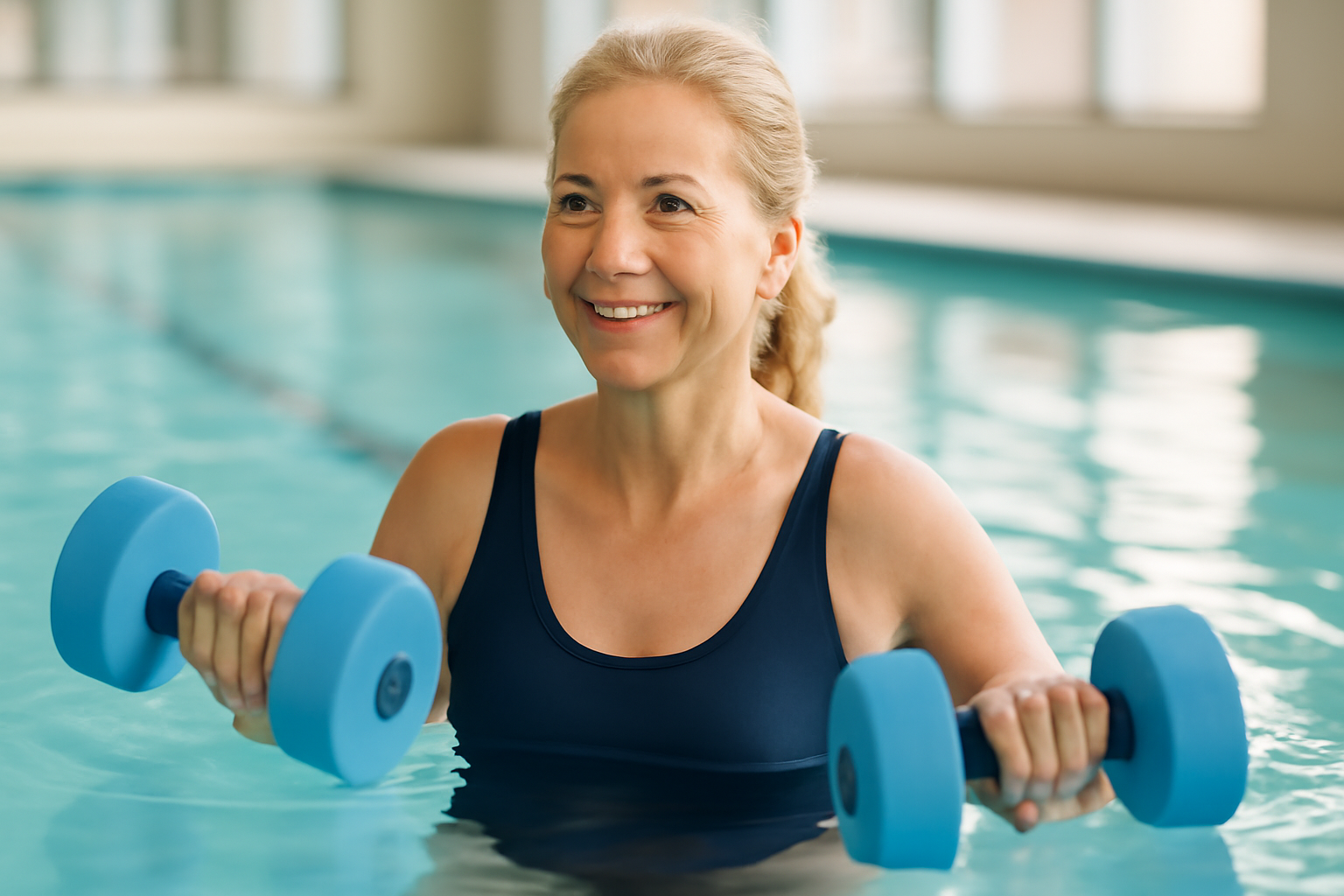
    Water exercise is widely considered the gold standard for joint-protective fitness. Buoyancy reduces effective body weight by up to 90%, virtually eliminating compressive joint load. Research published in partnership with the Arthritis Foundation demonstrates that aquatic exercise programs improve pain, stiffness, and physical function in adults with knee and hip osteoarthritis with very low injury risk. Water also provides natural resistance, building the muscle strength that supports joint stability.

    Cycling (Stationary or Outdoor)
    Cycling keeps your body weight supported while moving your hip and knee joints through a full, fluid range of motion. It builds quadriceps and hamstring strength — critical for protecting the knee joint — without impact loading. A study supported by NIH found that adults with knee osteoarthritis who cycled three times per week for 12 weeks reported significant reductions in pain and improvements in functional performance. Proper bike fit is essential: seat height, handlebar position, and pedal alignment all affect knee mechanics.

    Walking (Structured and Mindful)
    Walking is the most accessible low-impact option. While it does involve some ground-reaction force, it is far gentler than running and is strongly recommended by the CDC and the American College of Sports Medicine for adults with joint conditions. Proper footwear, flat terrain, and gradual progression in distance are key protective factors. For a deeper look at maximizing benefits, see our complete guide to walking for weight loss and health.

    Elliptical Training
    The elliptical machine mimics walking and running mechanics while eliminating the heel-strike impact entirely. Research suggests it produces 25–50% less knee joint force than treadmill walking at equivalent workloads, making it a highly effective cardio option for those with knee or hip concerns.

    Yoga and Tai Chi
    Both practices emphasize controlled movement, balance, flexibility, and body awareness — all of which contribute to joint stability and injury prevention. A meta-analysis reviewed by the NIH found that tai chi significantly reduced pain and improved physical function in adults with knee osteoarthritis, with effects comparable to conventional physical therapy in some study arms. These practices also reduce the psychological burden of chronic joint pain through mindfulness components.

    Resistance Training with Controlled Range of Motion
    Building the muscles that surround and support joints is one of the most evidence-based strategies in joint health management. Seated leg presses, resistance band exercises, and bodyweight movements like modified squats and step-ups strengthen stabilizers without excessive joint compression. If you are new to strength training or returning after a joint issue, our complete guide to strength training after 50 provides a structured starting framework.

    Building Your Low-Impact Routine: Practical Guidelines

    The American College of Sports Medicine and the Arthritis Foundation both recommend that adults with joint concerns aim for 150 minutes of moderate-intensity low-impact aerobic activity per week, plus two days of resistance training targeting major muscle groups.

    If you are starting from a sedentary baseline, most physicians recommend beginning with just 10–15 minutes of activity per session and increasing by no more than 10% per week — a principle called progressive overload — to allow joint tissues to adapt safely.

    Sample weekly structure:

    • Monday: 30-minute water aerobics or swimming
    • Tuesday: Resistance band training (upper body + core), 20–25 minutes
    • Wednesday: Rest or gentle yoga/stretching
    • Thursday: 30-minute stationary cycling
    • Friday: Resistance training (lower body focus, controlled range), 20–25 minutes
    • Saturday: 30–45-minute walk or elliptical session
    • Sunday: Active recovery — tai chi, gentle stretching, or rest

    Recovery is an underappreciated pillar of joint health. Chronically inflamed or overworked joints do not respond well to daily high-volume training. For strategies on optimizing recovery between sessions, visit our guide on exercise recovery: how to recover faster and train smarter.

    Flexibility work deserves specific attention for joint health. Tight muscles increase the compressive forces on adjacent joints — tight hip flexors, for example, alter knee and lumbar spine mechanics. Incorporating targeted stretching into your routine can meaningfully reduce this mechanical stress over time.

    When to Call Your Doctor — and Emergency Warning Signs

    Low-impact exercise is generally safe for most adults, but there are important clinical boundaries to respect. This varies from person to person depending on joint condition severity, cardiovascular health, and any concurrent medications.

    Schedule a medical appointment before starting if you have:

    • A new or undiagnosed joint pain lasting more than two weeks
    • Recent joint surgery or a fracture within the past six months
    • Cardiovascular disease, diabetes, or another chronic condition affecting exercise safety
    • Joint pain that wakes you from sleep regularly
    • Been sedentary for more than a year and are over 50

    Stop exercising immediately and seek urgent care if you experience:

    • Sudden severe joint pain during activity — especially a pop or snap followed by immediate swelling
    • Joint locking (inability to move it through its range)
    • Chest pain, shortness of breath, or dizziness during exercise
    • A joint that becomes visibly deformed
    • Fever above 101°F alongside joint swelling — this may indicate septic arthritis, a medical emergency

    At your next routine visit, bring a log of your current activity, any symptom patterns (when pain peaks, what improves it), and questions about whether physical therapy referral is appropriate. Many insurance plans cover physical therapy for joint conditions — your physician can help navigate this.

    Frequently Asked Questions

    Is low-impact exercise effective enough to lose weight?
    Absolutely. Research suggests that consistent low-impact exercise — particularly when combined with dietary modifications — produces comparable weight loss outcomes to higher-impact alternatives over a 12–24-week period. The added benefit is that weight loss itself significantly reduces joint load: losing just 10 pounds removes approximately 40 pounds of cumulative force from your knees during daily walking, according to Johns Hopkins Medicine.

    Can I do low-impact exercise during an arthritis flare?
    Clinical evidence indicates that gentle range-of-motion exercises and light stretching are generally safe and even beneficial during mild flares. However, most physicians recommend avoiding resistance training and aerobic exercise during moderate-to-severe flares until inflammation subsides. Always follow your rheumatologist’s or primary care physician’s guidance during flare management.

    How soon will I notice joint improvement from low-impact exercise?
    This varies significantly from person to person. Many patients report reduced stiffness and improved mobility within four to six weeks of consistent activity. Measurable structural and functional improvements — verified in clinical settings — typically emerge over a three-to-six-month horizon with regular practice.

    Is swimming better than walking for joint health?
    Both offer meaningful benefits, and the best choice depends on your specific joint condition and personal preference. Swimming provides the greatest joint offloading due to buoyancy, making it preferable for severe hip or knee arthritis. Walking, however, provides beneficial weight-bearing stimulation that supports bone density — an important consideration for adults at risk for osteoporosis. Many clinical guidelines recommend incorporating both into a varied routine when possible.

    Do I need special equipment to start low-impact exercise?
    Not necessarily. Walking, bodyweight exercises, and yoga require minimal investment. Resistance bands (typically $10–$25) add versatility to home-based strength training without joint compression risks associated with free weights for beginners. A well-fitted pair of supportive athletic shoes — evaluated by a specialist if you have gait or alignment concerns — is perhaps the single most impactful equipment investment for joint protection.

    Conclusion

    Joint pain does not have to mean the end of an active life. Low-impact exercise is one of the most clinically supported, accessible, and effective strategies available for protecting your joints, reducing pain, maintaining independence, and supporting long-term quality of life — at any age.

    The key is choosing the right activities, progressing gradually, and giving your body adequate recovery. Whether you are managing osteoarthritis, recovering from injury, or simply investing in your future mobility, the evidence is clear: thoughtful, consistent movement is among the best things you can do for your joints.

    Start where you are, work with your healthcare provider to build a plan that fits your body, and remember that even small steps — quite literally — add up to transformative long-term results.


    This article is for informational and educational purposes only. It does not constitute medical advice, diagnosis, or treatment. Always consult your physician or a qualified healthcare provider before making changes to your health routine or treatment plan.

    Medically reviewed by our editorial health team. Content follows evidence-based standards aligned with CDC and NIH guidelines.

  • Walking for Weight Loss: The Complete Guide for Adults

    Walking for Weight Loss: The Complete Guide for Adults

    Walking for Weight Loss: The Complete Guide for Adults

    One of the most accessible and evidence-backed forms of exercise can also be one of the most powerful tools for long-term health — and it starts with a single step.

    Introduction

    Meet David, 54, a project manager from Ohio who had been told by his doctor that his blood pressure was creeping up and his weight had reached an unhealthy level. He had tried gym memberships twice — and quit both times within six weeks. Then his cardiologist suggested something simpler: start walking 30 minutes a day.

    Within eight months, David had lost 22 pounds, lowered his systolic blood pressure by 11 points, and reduced his fasting blood sugar. He hadn’t changed his medication. He hadn’t done a single burpee. He just walked.

    According to the CDC, fewer than 25% of American adults meet the national physical activity guidelines — yet walking remains the most commonly reported leisure-time activity in the United States. The problem isn’t awareness. It’s knowing how to walk with intention and strategy.

    In this guide, you’ll learn exactly how walking supports weight loss and overall wellness, what the science says about pace and duration, how to build a plan that fits your life, and when to push further. Whether you’re just starting out or looking to optimize your current routine, this is the most complete walking guide you’ll find.

    What Is Walking as a Fitness Strategy?

    Walking for fitness is different from strolling through a grocery store or pacing around your office. As a structured exercise, walking involves intentional pace, duration, frequency, and sometimes terrain — all calibrated to produce measurable health benefits.

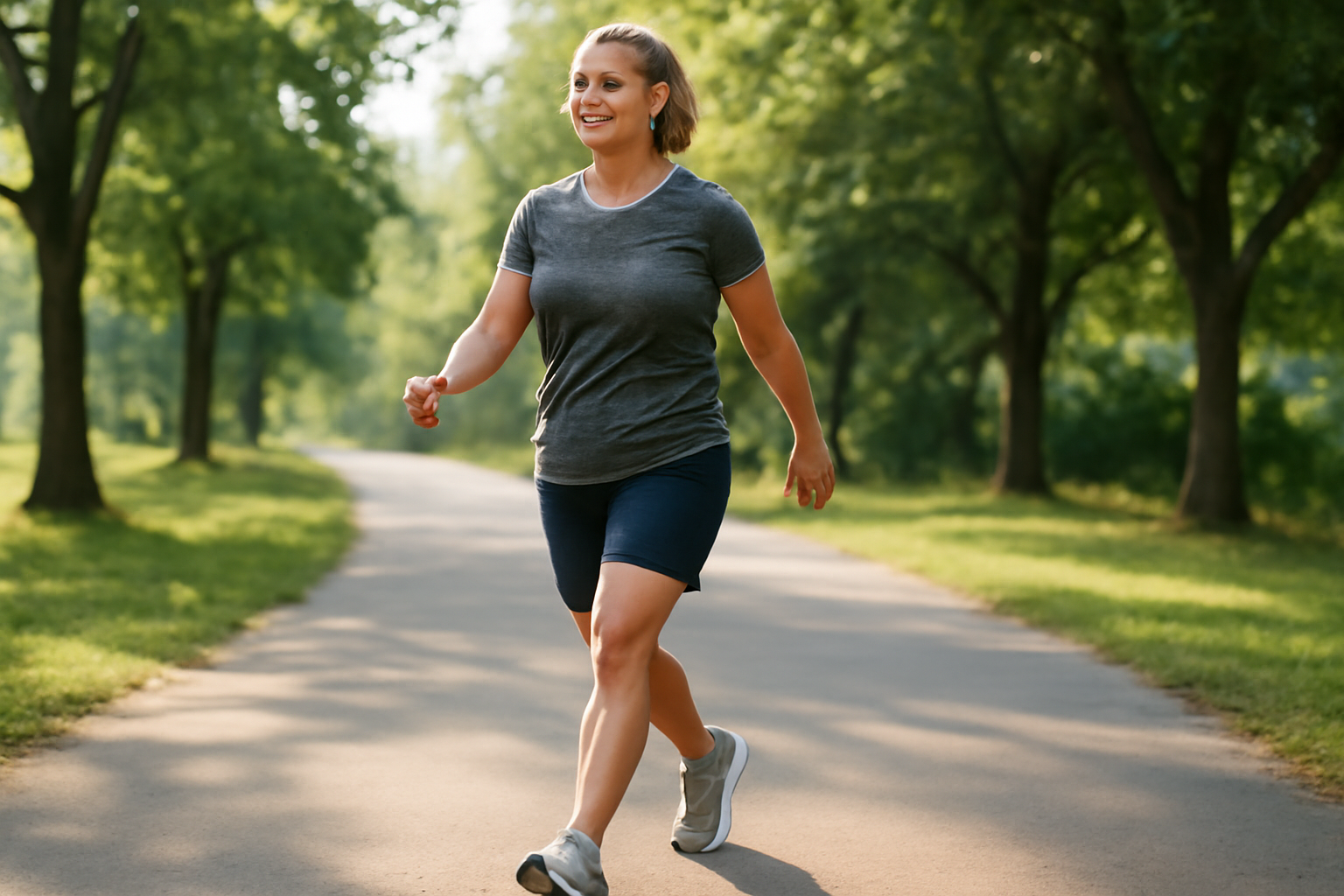
    Medically, walking is classified as a low-to-moderate intensity aerobic activity. It engages large muscle groups — primarily in the legs, glutes, and core — increases your heart rate, improves circulation, and burns calories through sustained movement.

    The American Heart Association (AHA) and the U.S. Department of Health and Human Services both recommend at least 150 minutes of moderate-intensity aerobic activity per week for adults. Brisk walking qualifies as moderate intensity, making it a primary vehicle for meeting that national target.

    What makes walking particularly compelling is its accessibility: it requires no equipment, no gym membership, no special training, and virtually no injury risk compared to high-impact alternatives. For adults managing chronic conditions, recovering from injury, or simply beginning their fitness journey, walking is often the safest entry point — and for many, it remains the most sustainable long-term habit.

    A 2022 meta-analysis published in the journal JAMA Internal Medicine found that walking as few as 7,000 steps per day was associated with significantly lower all-cause mortality in middle-aged adults, independent of other lifestyle factors. This isn’t a fringe finding — it’s consistent with decades of epidemiological research.

    Signs That Your Body Needs More Movement

    Before diving into the “how,” it helps to recognize the signals your body may already be sending. Many adults dismiss these as inevitable parts of aging — but research suggests they’re often tied to sedentary behavior.

    Early signs that regular walking could help:

    • Unexplained weight gain or difficulty losing weight despite dietary changes
    • Fatigue after minimal physical effort (climbing stairs, walking short distances)
    • Elevated resting heart rate or mildly high blood pressure readings
    • Joint stiffness in the morning that eases with movement
    • Difficulty sleeping or poor sleep quality
    • Elevated fasting blood glucose or pre-diabetic markers on lab work
    • Low mood, brain fog, or persistent mild anxiety

    Signs that indicate you should see a doctor before beginning:

    • Chest pain or tightness during physical activity
    • Shortness of breath that is disproportionate to effort
    • Dizziness or lightheadedness during mild exertion
    • Significant joint pain that worsens with walking
    • Recent cardiac event, surgery, or uncontrolled hypertension

    Clinical evidence from the NIH indicates that regular aerobic walking reduces systolic blood pressure by an average of 4–5 mmHg and fasting blood glucose by 3–5 mg/dL in pre-diabetic adults — outcomes that rival the early effects of some first-line medications. That said, individual variation is significant, and results will differ based on baseline health, diet, and consistency.

    How Walking Supports Weight Loss: The Science

    Weight loss fundamentally comes down to energy balance — burning more calories than you consume. Walking contributes to this equation in several measurable ways.

    Caloric burn: A 180-pound adult burns approximately 100 calories per mile walked, though this varies depending on body weight, pace, and terrain. Walking 30 minutes at a brisk pace (3.5–4 mph) burns roughly 150–200 calories. Over five sessions a week, that amounts to 750–1,000 calories — which, when combined with modest dietary awareness, creates a meaningful weekly deficit.

    Metabolic effects: Beyond direct caloric burn, walking improves insulin sensitivity — meaning your body becomes more efficient at using glucose for energy rather than storing it as fat. Research published by the American Diabetes Association found that a 15-minute walk after each meal produced greater improvements in post-meal blood sugar than one 45-minute daily walk, suggesting that timing and distribution of activity matter as much as total volume.

    Hormonal regulation: Regular walking reduces cortisol (the stress hormone associated with abdominal fat storage) and increases endorphins, which may reduce emotional eating. A study from Harvard Health found that 35 minutes of brisk walking five days per week reduced obesity-related gene expression by 50% in participants with a genetic predisposition to weight gain.

    Muscle preservation: Unlike very low-calorie diets used in isolation, combining walking with adequate protein intake helps preserve lean muscle mass during weight loss — a critical factor for maintaining a healthy metabolism as you age. If you’re also incorporating strength training, check out our guide on Strength Training After 50 for a well-rounded approach.

    Building Your Walking Plan: A Step-by-Step Approach

    One of the biggest mistakes adults make is starting too aggressively and burning out within two weeks. The most effective walking programs are progressive — they begin where you are and add challenge gradually over time.

    Step 1: Establish Your Baseline

    Before setting goals, measure where you’re starting. Use your smartphone’s built-in step counter or a basic fitness tracker for one week without changing your behavior. Most sedentary adults average 3,000–5,000 steps per day. This number is your baseline.

    Step 2: Set a Realistic Initial Target

    Most physicians recommend adding 1,000–2,000 steps per week until you reach a daily target of 7,000–10,000 steps. If your baseline is 3,500 steps, aim for 5,000 in week one, not 10,000. Sustainable progress matters far more than ambitious starts.

    Step 3: Schedule Intentional Walking Sessions

    Structured walks — separate from incidental movement — produce the most consistent results. Aim for 3–5 dedicated sessions per week, each lasting 20–45 minutes. Morning walks before breakfast may offer additional metabolic benefits according to some research, but the best time to walk is always the time you’ll actually do it.

    Step 4: Vary Your Pace

    Not all walking is equal. Introducing interval walking — alternating between a comfortable pace and a brisk or fast pace every 1–2 minutes — has been shown in clinical trials to produce greater improvements in aerobic fitness and blood sugar control than steady-state walking alone. This principle is similar to what you’ll find in our HIIT Workouts for Adults Over 40 guide, adapted for low-impact movement.

    Step 5: Add Incline and Terrain Variety

    Walking uphill or on uneven terrain engages more muscle groups and significantly increases caloric expenditure. Even a 5% incline on a treadmill increases calorie burn by approximately 30–40% compared to flat walking at the same pace. If you walk outdoors, varying your routes to include hills adds natural progression.

    Step 6: Track, Adjust, Repeat

    Review your weekly step counts every Sunday. If you’ve comfortably hit your target for two consecutive weeks, increase your daily goal by 500–1,000 steps or add five minutes to each session. Plateaus are normal — they’re a signal to introduce a new variable, not to quit.

    Living With a Walking Routine: Consistency Over Perfection

    The research is unambiguous: consistency is the single most important predictor of long-term success with any exercise program. A 2023 study from Johns Hopkins University found that adults who exercised moderately but consistently five days per week had significantly better cardiometabolic markers than those who exercised intensely but irregularly.

    Practical strategies to stay consistent:

    • Habit stacking: Attach your walk to an existing habit — right after morning coffee, during a lunch break, or immediately after dinner. This reduces decision fatigue.
    • Walking buddy or accountability partner: Research suggests social accountability increases exercise adherence by up to 65%.
    • Comfortable footwear: Investing in a supportive, well-fitted walking shoe reduces joint pain and blisters — two of the most common reasons people quit. Visit a specialty running store for a proper fit assessment.
    • Weather-proof your routine: Have an indoor backup — a treadmill, an indoor track, or even walking laps in a shopping mall. Weather should not be a reason to skip.
    • Listen to something engaging: Podcasts, audiobooks, or a walking playlist can make sessions feel shorter and more enjoyable, increasing long-term adherence.

    Complementing your walking routine with flexibility work can also reduce soreness and improve stride mechanics. Our Flexibility Training: The Complete Guide for Adults pairs well with any walking program.

    It’s also worth noting that walking alone may not be sufficient for all health goals. If cardiovascular fitness improvement is a priority, you may benefit from incorporating more vigorous cardio over time. Our Cardio Exercise for Heart Health guide outlines how to progress safely.

    When to Call Your Doctor or Seek Emergency Care

    Walking is among the safest forms of exercise for most adults — but there are important exceptions and warning signs you should never ignore.

    Call your doctor if you experience:

    • Persistent knee, hip, or ankle pain that develops after beginning a walking program
    • Unusual swelling in the lower legs or feet
    • Significant fatigue that does not improve with rest after 1–2 weeks of regular walking
    • No improvement in blood sugar or blood pressure readings after 8–12 weeks of consistent effort (discuss medication adjustments with your provider)
    • Any new symptoms that feel out of proportion to the intensity of your walks

    Seek emergency medical care immediately if you experience:

    • Chest pain, pressure, or tightness during or after walking
    • Sudden shortness of breath not explained by pace or terrain
    • Heart palpitations, irregular heartbeat, or fluttering sensation in the chest
    • Sudden dizziness, fainting, or near-fainting
    • Severe calf pain, which can be a sign of deep vein thrombosis (DVT)

    If you have a diagnosed cardiovascular condition, diabetes, or have been sedentary for more than a year, most physicians recommend a brief medical evaluation — and potentially a stress test — before beginning any new exercise program. Always inform your doctor when you’re starting or significantly increasing physical activity.

    Frequently Asked Questions

    How many steps per day do I actually need for weight loss?
    Research suggests that 7,000–10,000 steps per day is an effective target for most adults seeking weight management and general health benefits. However, even 5,000 steps provides meaningful improvement over a sedentary baseline. The key is to progressively increase from wherever you start. Individual results vary based on diet, metabolism, and overall health status.

    Is walking enough exercise, or do I need to add strength training?
    Walking alone can produce significant health improvements, particularly for cardiovascular health, blood sugar regulation, and weight loss. However, clinical evidence from the NIH indicates that combining aerobic exercise like walking with at least two sessions of resistance training per week produces superior outcomes for body composition, bone density, and metabolic health — particularly for adults over 50.

    Can I lose belly fat specifically by walking?
    You cannot spot-reduce fat from specific body areas, but walking does reduce total body fat including visceral fat — the dangerous fat stored around abdominal organs. A 2020 study found that 12 weeks of brisk walking combined with modest caloric reduction produced significant reductions in waist circumference among overweight adults. Consistency and dietary habits remain the strongest predictors of abdominal fat loss.

    Is it better to walk faster or longer for weight loss?
    Both variables matter, but they offer different benefits. Longer walks burn more total calories. Faster walks (or interval walking) improve cardiovascular fitness and metabolic function more efficiently. Most physicians recommend a combination — building duration first over the initial four to six weeks, then gradually increasing pace or introducing intervals as your fitness improves.

    What if I have knee or joint pain — can I still walk for exercise?
    For many forms of joint pain, including mild osteoarthritis, walking is actually therapeutic — it lubricates joints, strengthens surrounding muscles, and reduces inflammation. The Arthritis Foundation and CDC both support walking as a first-line exercise for adults with arthritis. However, the appropriate pace, terrain, and duration should be discussed with your doctor or physical therapist, especially if pain is moderate to severe.

    Conclusion

    Walking for weight loss and health isn’t a consolation prize for people who can’t do “real” exercise. It is, by every clinical measure, a legitimate, evidence-backed, and remarkably powerful tool — one that millions of Americans are underusing every single day.

    The beauty of walking lies in its simplicity: you can start today, wherever you are, with no equipment and no special preparation. You can scale it as your fitness improves. You can do it for life without significant injury risk.

    Progress will be gradual and sometimes frustratingly slow. But the research is clear: consistent, intentional walking reshapes your metabolism, protects your heart, improves your mental health, and extends your healthy years. That’s not a small thing.

    Start with 20 minutes. Build from there. And bring your progress to your next doctor’s appointment — because what you’re doing matters, and your care team should know about it.


    Medical Disclaimer: This article is for informational and educational purposes only. It does not constitute medical advice, diagnosis, or treatment. Always consult your physician or a qualified healthcare provider before making changes to your health routine or treatment plan.

    Medically reviewed by our editorial health team. Content follows evidence-based standards aligned with CDC and NIH guidelines.