Tag: fall prevention

  • Tai Chi for Adults: Health Benefits, Getting Started & Tips

    Tai Chi for Adults: Health Benefits, Getting Started & Tips

    Tai Chi for Adults: Health Benefits, Getting Started & Tips

    Ancient in origin, backed by modern science — tai chi may be one of the most effective low-impact exercises you’re not doing yet.

    Introduction

    Margaret, 64, had lived with chronic lower back pain and a nagging fear of falling ever since her neighbor broke a hip two winters ago. Her doctor recommended gentle movement, but she found most exercise classes too fast, too loud, or too hard on her joints. Then she tried a tai chi class at her local community center — and within eight weeks, she felt steadier, calmer, and more in control of her own body.

    She’s far from alone. According to the National Institutes of Health (NIH), tai chi is one of the most widely studied mind-body practices in the world, with a growing body of clinical evidence supporting its benefits for balance, cardiovascular health, mental well-being, and pain management in adults.

    In this guide, you’ll learn exactly what tai chi is, what the research says about its health benefits, how to get started safely, and how to make it a sustainable part of your wellness routine — no martial arts background required.


    What Is Tai Chi?

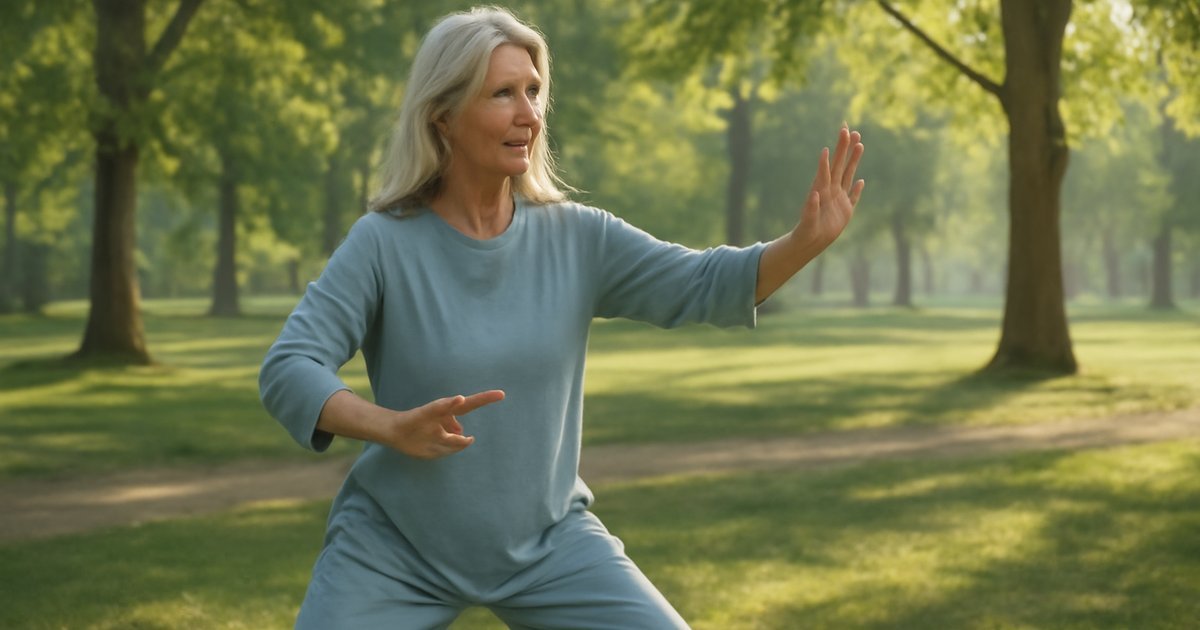
    Tai chi (formally known as tai chi chuan) is a traditional Chinese mind-body practice that combines slow, flowing physical movements with focused breathing and mental attention. Originally developed as a martial art centuries ago, it has evolved into a widely practiced form of meditative movement exercise.

    Unlike high-intensity workouts, tai chi is performed at a gentle pace, making it accessible to a wide range of ages and fitness levels. Most forms involve a series of postures linked together in a continuous, graceful sequence that can last anywhere from a few minutes to over an hour.

    According to the NIH National Center for Complementary and Integrative Health (NCCIH), tai chi is practiced by an estimated 2.3 million Americans, with adoption growing rapidly among adults over 50 seeking low-impact alternatives to conventional exercise.

    There are several recognized styles — Yang, Chen, Wu, and Sun being the most common. The Sun and Yang styles are most frequently used in clinical research and recommended for older adults or those with chronic health conditions due to their upright posture and moderate pace.


    Proven Health Benefits of Tai Chi

    What makes tai chi especially compelling isn’t its history — it’s its science. A growing number of randomized controlled trials and meta-analyses have examined tai chi’s effects on multiple health outcomes, with consistently encouraging results.

    Balance and Fall Prevention

    Fall prevention is one of the most well-documented benefits of tai chi. The CDC reports that falls are the leading cause of injury-related death among adults 65 and older, with over 36,000 Americans dying from fall-related injuries annually.

    A landmark meta-analysis published in JAMA Internal Medicine found that tai chi practice reduced fall rates by up to 43% in community-dwelling older adults compared to control groups. Researchers attribute this to improvements in postural control, proprioception (your body’s sense of its own position in space), and lower-body muscle coordination.

    If you’ve been looking for practical ways to improve your stability, our article on Chair Exercises for Seniors: Stay Active & Strong also covers accessible movement options that complement tai chi.

    Cardiovascular Health

    Research published in the Journal of the American Heart Association suggests that regular tai chi practice can meaningfully reduce blood pressure in adults with prehypertension or mild hypertension. A 2021 systematic review of 35 clinical trials found that tai chi was associated with significant reductions in both systolic and diastolic blood pressure, with effects comparable to moderate aerobic exercise.

    Tai chi also appears to support heart rate variability — a marker of autonomic nervous system health that’s strongly linked to cardiovascular resilience and reduced stress reactivity.

    Mental Health and Stress Reduction

    Anxiety and depression affect tens of millions of American adults. Clinical evidence increasingly supports tai chi as a meaningful complement to conventional mental health care.

    A meta-analysis in JAMA Psychiatry found that mind-body practices including tai chi produced moderate-to-large reductions in depressive symptoms across multiple populations. Tai chi’s combination of movement, breath focus, and meditative attention activates the parasympathetic nervous system — your body’s "rest and digest" mode — which helps dial down the chronic stress response.

    For more on how physical movement supports mental well-being, see our comprehensive guide: Exercise for Mental Health: Your Guide to Well-being.

    Chronic Pain and Arthritis

    For adults managing osteoarthritis, fibromyalgia, or chronic lower back pain, tai chi offers a gentle but effective option. A landmark study published in the New England Journal of Medicine found that patients with knee osteoarthritis who practiced tai chi twice weekly for 12 weeks experienced pain reductions and functional improvements equivalent to physical therapy.

    The American College of Rheumatology now conditionally recommends tai chi for adults with knee and hip osteoarthritis — a significant endorsement from a major medical organization.

    Bone Health

    Research suggests that tai chi may help slow bone density loss in postmenopausal women — a high-risk group for osteoporosis. While it’s not a replacement for weight-bearing or resistance exercise, it appears to complement other bone-protective strategies.

    Want to learn more about exercise and bone health? Our article on Exercise for Strong Bones: Preventing Osteoporosis goes deeper into evidence-based approaches.

    Cognitive Function

    Emerging research from the NIH National Institute on Aging suggests that regular tai chi practice may support cognitive health in older adults. Several trials have found improvements in memory, attention, and processing speed among participants who practiced tai chi consistently for 6 months or more. Researchers hypothesize that the dual demands of coordinated movement and focused attention may stimulate neural plasticity.


    Who Can Practice Tai Chi?

    One of tai chi’s greatest strengths is its inclusivity. Clinical evidence indicates it is safe and beneficial for a wide range of adults, including those with:

    • Osteoarthritis or joint pain
    • High blood pressure or cardiovascular disease (with physician clearance)
    • Type 2 diabetes
    • Chronic lower back pain
    • Anxiety, depression, or chronic stress
    • A history of falls or balance problems
    • Parkinson’s disease (supervised programs have shown significant benefit)
    • Post-stroke rehabilitation (as part of a broader program)

    This varies from person to person, of course. If you have a serious cardiovascular condition, recent surgery, significant joint instability, or are managing a complex chronic illness, talk with your physician before starting any new exercise program — including tai chi.


    Getting Started: A Practical Guide

    Starting tai chi doesn’t require any equipment, special athletic background, or flexibility. Here’s how to approach it thoughtfully.

    Step 1: Choose the Right Format

    You have several options for learning tai chi:

    • In-person classes: Ideal for beginners. Many local YMCAs, community centers, and senior centers offer weekly tai chi classes, often at low or no cost. Look for instructors certified through organizations like the American Tai Chi and Qigong Association.
    • Online video programs: Useful for supplementing in-person instruction or for those with limited mobility. Search for programs developed or endorsed by physical therapists or certified tai chi instructors.
    • Hospital or rehabilitation-based programs: Many hospitals now offer tai chi as part of cardiac rehab, fall prevention programs, or chronic disease management — often covered by Medicare or insurance.

    Step 2: Start With Short Sessions

    Most physicians and tai chi instructors recommend beginning with 20 to 30 minutes, two to three times per week. Research suggests that meaningful health benefits begin to appear with consistent practice over 8 to 12 weeks.

    Don’t push yourself to memorize complex sequences immediately. Focus first on the basic principles: relaxed breathing, soft knees, upright posture, and slow, deliberate movement.

    Step 3: Wear Comfortable Clothing and Appropriate Footwear

    Loose, comfortable clothing that doesn’t restrict movement is ideal. Footwear should be flat and supportive — many practitioners prefer light canvas shoes or tai chi shoes with a thin, flexible sole. Avoid raised heels or heavily cushioned running shoes, which can interfere with balance.

    Step 4: Practice in a Safe Space

    Choose a flat, non-slip surface. If you’re a beginner, practicing near a wall or sturdy chair for occasional support is completely reasonable and recommended for those with balance concerns.


    What to Expect in Your First Weeks

    Many beginners find tai chi more challenging than it looks — coordinating breath, posture, and sequential movement simultaneously takes genuine mental focus. That’s normal, and it’s actually part of what makes tai chi effective.

    In the first two to four weeks, you may feel mild muscle fatigue in your thighs and core — areas that tai chi consistently engages through its low, wide stance positions. This is a sign the practice is working.

    By weeks six to eight, most practitioners report noticeable improvements in how steady they feel while walking, getting up from chairs, or navigating uneven surfaces. Sleep quality improvements are also commonly reported, consistent with the stress-reduction effects documented in clinical research.


    Safety Tips and Precautions

    Tai chi is considered one of the safest forms of physical activity available, but a few precautions are worth noting:

    • Avoid deep knee bends if you have significant knee arthritis or recent knee surgery. Most instructors can modify postures for you.
    • Stop if you feel pain — not to be confused with mild fatigue. Sharp joint pain, chest discomfort, or dizziness are signals to stop and consult your doctor.
    • Inform your instructor of any health conditions before your first class. Experienced tai chi instructors are skilled at providing appropriate modifications.
    • Hydrate before and after practice, especially in warm weather or heated indoor spaces.
    • Progress gradually. More is not always better, particularly in the early weeks. Consistent moderate practice outperforms infrequent intense sessions.

    When to Talk to Your Doctor

    While tai chi is safe for most adults, you should consult your physician before starting if you:

    • Have been diagnosed with a heart condition, including recent heart attack or heart failure
    • Are recovering from surgery, joint replacement, or a major injury
    • Have severe osteoporosis or vertebral fractures
    • Experience frequent dizziness, fainting spells, or significant balance impairment
    • Have uncontrolled blood pressure or blood sugar

    Seek immediate medical attention if during any exercise — including tai chi — you experience chest pain or pressure, severe shortness of breath, sudden severe headache, loss of consciousness, or numbness or weakness on one side of your body. These are potential emergency symptoms that require urgent evaluation.


    Frequently Asked Questions About Tai Chi

    How long does it take to see results from tai chi?

    Clinical research suggests most adults begin noticing meaningful improvements in balance, stress levels, and joint comfort within 8 to 12 weeks of consistent practice (two to three sessions per week). Some individuals report subjective benefits — better sleep, reduced anxiety — within the first two to four weeks.

    Is tai chi effective for weight loss?

    Tai chi burns fewer calories than moderate-to-vigorous aerobic exercise, so it’s not the most efficient standalone strategy for significant weight loss. However, research suggests it can support weight management as part of a broader healthy lifestyle, particularly by reducing stress-related cortisol levels that contribute to abdominal fat accumulation.

    Can I do tai chi if I have knee pain?

    In many cases, yes — and you may actually benefit significantly. As noted earlier, the New England Journal of Medicine published evidence showing tai chi to be as effective as physical therapy for knee osteoarthritis pain. However, always consult your physician or physical therapist first, and work with an instructor who can modify postures to your current range of motion.

    Is tai chi the same as yoga or qigong?

    They share philosophical roots but are distinct practices. Yoga emphasizes static postures and flexibility. Qigong focuses on breath-coordinated, repetitive movements with an emphasis on energy cultivation. Tai chi uses continuous, linked movement sequences with a stronger emphasis on posture, balance, and coordinated whole-body movement. All three have documented health benefits, and they complement each other well.

    Does Medicare cover tai chi classes?

    Medicare does not typically cover community tai chi classes directly. However, tai chi offered as part of a hospital-based fall prevention program, cardiac rehabilitation, or chronic disease management program may be covered. Some Medicare Advantage plans also cover fitness programs that include tai chi. Check with your specific plan for details.


    Conclusion

    Tai chi is one of the most versatile, evidence-backed, and genuinely accessible forms of exercise available to adults at any age or fitness level. Whether your goal is to reduce your fall risk, manage joint pain, lower blood pressure, ease anxiety, or simply move more intentionally — research suggests tai chi can meaningfully contribute to all of these outcomes.

    Starting slowly, finding a qualified instructor, and practicing consistently are the keys to getting the most from this ancient and increasingly well-validated discipline. As with any new exercise program, your physician is your best first partner in making sure tai chi fits safely into your overall health plan.

    You don’t have to be flexible, athletic, or young to begin. You just have to begin.


    Medical Disclaimer: This article is for informational and educational purposes only. It does not constitute medical advice, diagnosis, or treatment. Always consult your physician or a qualified healthcare provider before making changes to your health routine or treatment plan.

    Medically reviewed by our editorial health team. Content follows evidence-based standards aligned with CDC and NIH guidelines.
  • Balance Training for Adults: The Complete Guide

    Balance Training for Adults: The Complete Guide

    Balance Training for Adults: The Complete Guide

    Poor balance is one of the most underestimated health risks in adults — and one of the most preventable.

    Every 11 seconds, an older adult is treated in an emergency room for a fall-related injury. According to the CDC, falls are the leading cause of injury — and injury death — among Americans aged 65 and older, costing the U.S. healthcare system more than $50 billion annually. But here’s what most people don’t realize: balance begins to decline as early as your 30s, and by the time you notice it, the deficit has already been building for years.

    Meet David, 52, a project manager from Ohio who thought his occasional stumbling on the stairs was just clumsiness. It wasn’t. His physical therapist discovered significant proprioceptive decline — meaning his brain and muscles were no longer communicating efficiently about body position. Six weeks of targeted balance training changed his stability, his confidence, and his long-term fall risk dramatically.

    This guide will walk you through everything you need to know about balance training: what it is, why it matters at every age, how to assess your current balance, and which exercises are safe, effective, and backed by clinical evidence. Whether you’re 35 or 70, this information could be one of the most important things you read for your long-term health.

    What Is Balance Training?

    Balance training is a structured form of physical exercise designed to improve your body’s ability to maintain controlled positions — whether you’re standing still, moving, or reacting to unexpected shifts. It targets the three core systems your body uses to maintain equilibrium: the vestibular system (inner ear), the visual system (eyes), and the proprioceptive system (sensory feedback from muscles and joints).

    When all three systems work in harmony, you move confidently through everyday life — stepping off a curb, carrying groceries up stairs, or catching yourself when you trip. When one or more systems are weak or poorly coordinated, the risk of falls and injuries increases significantly.

    According to the National Institute on Aging (NIA), balance is a trainable skill, not a fixed trait. Research consistently shows that adults of all ages who engage in regular balance-focused exercise improve their postural stability, reduce fall risk, and maintain independence longer than those who don’t.

    Balance training differs from general fitness in that it specifically challenges your neuromuscular system — the connection between your nervous system and muscles. It often looks deceptively simple, but exercises like standing on one foot or walking heel-to-toe demand intense coordination from your brain and body working together.

    Signs Your Balance May Be Declining

    Balance decline rarely announces itself loudly. It tends to creep in gradually, often dismissed as tiredness, age, or awkwardness. Knowing the warning signs allows you to intervene early — when balance training is most effective.

    Early signs of balance decline:

    • Feeling unsteady when standing on one foot, even briefly
    • Needing to touch walls, furniture, or other people for support more often
    • Slight stumbling on uneven surfaces like grass or gravel
    • Noticing your gait (the way you walk) has become slower or more shuffling
    • Difficulty turning quickly without feeling dizzy or off-center
    • Feeling uncertain in low-light environments such as at night

    More advanced signs that warrant medical evaluation:

    • Frequent near-falls or actual falls
    • Persistent dizziness or vertigo (a spinning sensation)
    • Unexplained asymmetry — favoring one side heavily when walking
    • Loss of balance during simple activities like showering or dressing
    • Feeling your feet are "not quite there" beneath you — a sign of potential neuropathy

    A 2023 study published in JAMA Network Open found that adults who could not stand on one leg for at least 10 seconds in midlife had a nearly doubled risk of all-cause mortality over the following decade — underscoring just how powerfully balance reflects overall health status.

    Causes and Risk Factors for Poor Balance

    Balance decline has multiple causes, and in many adults, several factors overlap. Understanding your personal risk profile helps you and your doctor design the most targeted approach.

    Age-related changes: After age 40, muscle mass declines at roughly 1% per year — a process called sarcopenia. Simultaneously, proprioceptive nerve fibers lose sensitivity, and the vestibular system becomes less responsive. These changes are universal but not inevitable in severity.

    Chronic conditions: Several common health conditions directly impair balance. These include:

    • Type 2 diabetes — peripheral neuropathy (nerve damage in the feet and legs) affects sensation and proprioception
    • Parkinson’s disease — disrupts motor control and postural reflexes
    • Multiple sclerosis — affects nerve signal transmission throughout the body
    • Inner ear disorders such as Ménière’s disease or benign paroxysmal positional vertigo (BPPV)
    • Osteoarthritis — joint pain alters normal movement patterns and muscle activation

    Medications: According to the American Geriatrics Society, polypharmacy — taking five or more medications — significantly increases fall risk. Blood pressure medications, sedatives, muscle relaxants, and certain antihistamines can all impair balance as a side effect. Never stop medications without consulting your physician, but do discuss balance-related concerns openly.

    Lifestyle factors: Physical inactivity is the single most modifiable risk factor for balance decline. Sedentary behavior weakens the core muscles, hip stabilizers, and ankle muscles that are essential for postural control. The CDC reports that fewer than 25% of U.S. adults meet federal guidelines for both aerobic and muscle-strengthening activity — a deficit that directly translates to balance vulnerability.

    How Balance Is Assessed: What to Expect

    If you or your doctor suspects balance impairment, a formal assessment can provide a clear baseline and guide your exercise plan. These evaluations are often performed by physical therapists, geriatricians, or sports medicine physicians.

    Common clinical balance tests include:

    • Berg Balance Scale — a 14-item test evaluating sitting, standing, and transitional movements, widely used in clinical settings
    • Timed Up and Go (TUG) Test — measures how long it takes you to rise from a chair, walk 10 feet, turn around, and sit back down. Taking longer than 12 seconds indicates elevated fall risk
    • Single-Leg Stance Test — standing on one foot with eyes open and closed; inability to hold for 10 seconds is clinically significant
    • Functional Reach Test — measures how far you can reach forward without stepping or falling

    If dizziness is a prominent symptom, your physician may refer you to an ENT specialist (ear, nose, and throat doctor) or neurologist to rule out vestibular disorders. Blood tests may also be ordered to check for vitamin B12 deficiency or thyroid dysfunction, both of which can impair neurological function and contribute to balance problems.

    Clinical evidence from the NIH suggests that early identification of balance deficits — even before a fall occurs — allows for interventions that can reduce fall risk by up to 37% in community-dwelling older adults.

    Balance Training Exercises: Safe, Effective, Evidence-Based

    The good news: you don’t need expensive equipment or a gym membership to meaningfully improve your balance. Research supports a progressive approach — starting with stable surfaces and gradually introducing greater challenge as your stability improves.

    Always consult your physician or physical therapist before starting a new exercise program, especially if you have a chronic condition, have had a recent fall, or experience dizziness.

    Beginner Level — Building the Foundation:

    • Heel-to-Toe Walk (Tandem Walk): Walk in a straight line placing the heel of one foot directly in front of the toes of the other. Do 20 steps. Use a wall for support initially.
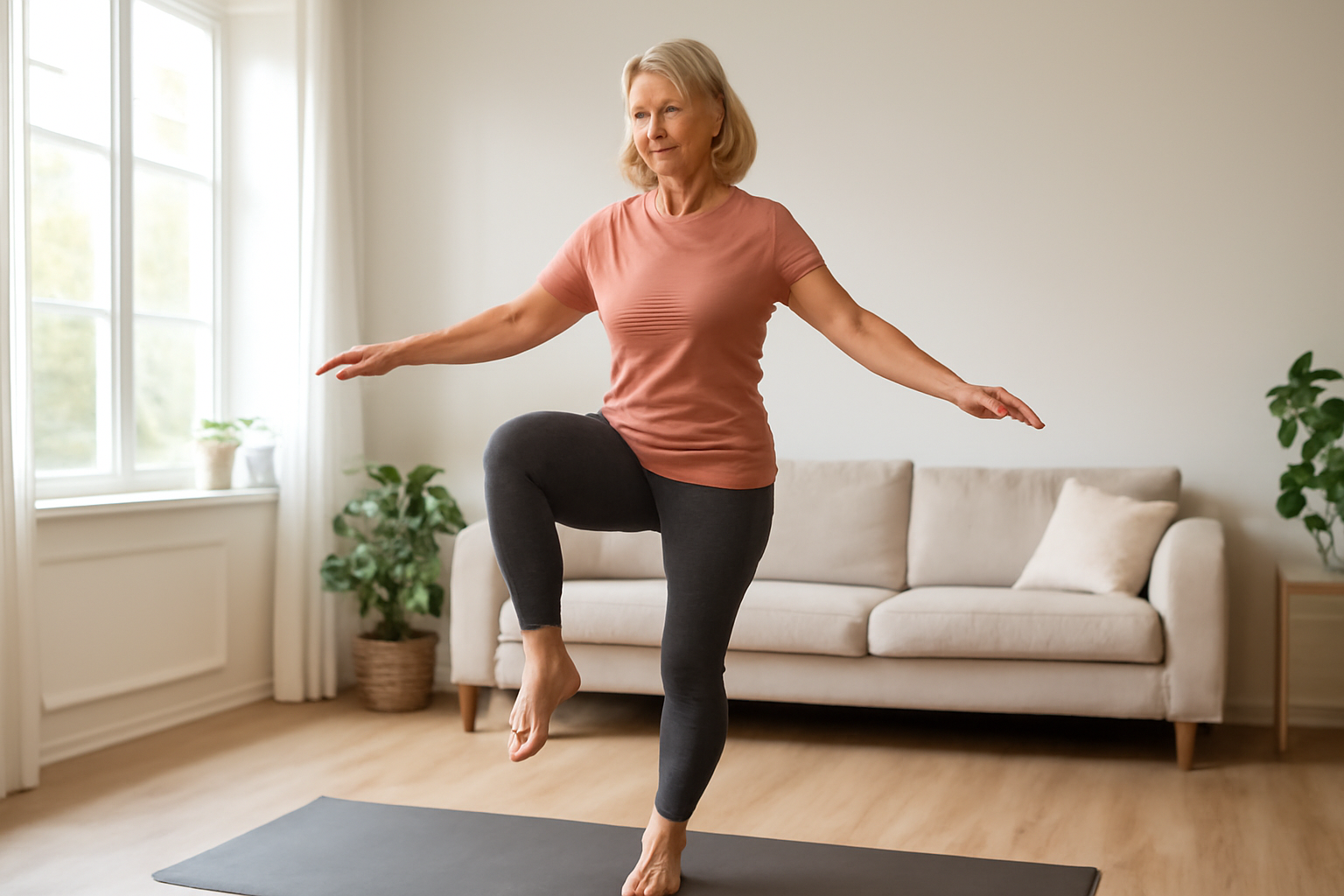
    • Single-Leg Stand: Stand on one foot, holding a chair lightly for support. Aim for 10–30 seconds per leg. Progress by reducing or removing hand support.
    • Seated Leg Raises: While seated, extend one leg straight out and hold for 3 seconds. Builds hip flexor and quadriceps strength that supports upright balance.
    • Sit-to-Stand: Rise from a chair without using your hands as much as possible. This compound movement trains leg strength, hip stability, and dynamic balance simultaneously.

    Intermediate Level — Adding Challenge:

    • Balance Board or Foam Pad Standing: Standing on an unstable surface forces your ankles and core to fire continuously.
    • Side-Leg Raises: Standing on one leg, lift the opposite leg to the side. Targets hip abductors critical for lateral stability.
    • Clock Reach: Stand on one foot, extend your free leg and "point" to positions on an imaginary clock face. Challenges dynamic balance and proprioception.
    • Tai Chi basics: Research published in the New England Journal of Medicine demonstrated that Tai Chi reduced falls in older adults by up to 47%. Its slow, deliberate weight shifts are ideal for building balance confidence.

    Advanced Level — Functional Integration:

    • Single-leg deadlifts with body weight
    • Lateral step-ups onto a low platform
    • Walking with head turns — challenges the vestibular system under motion
    • Yoga poses such as Tree Pose or Warrior III, which integrate core stability with proprioceptive demand

    The American College of Sports Medicine (ACSM) recommends balance training at least 2–3 days per week for older adults, with sessions as short as 10–15 minutes still producing measurable benefit over time.

    If you’re also working on building overall physical resilience, you may find it helpful to explore Strength Training After 50: The Complete Guide, as lower-body strength and balance training work synergistically. Similarly, if joint pain is limiting your exercise options, Low-Impact Exercise for Joint Health: The Complete Guide offers complementary strategies.

    Living With Balance Challenges: Daily Management and Prevention

    Balance training doesn’t only happen during dedicated exercise sessions. A few environmental and lifestyle adjustments can dramatically reduce your day-to-day fall risk while your neuromuscular system develops through structured exercise.

    Home safety modifications:

    • Install grab bars in the shower and beside the toilet
    • Remove loose rugs and clutter from walking paths
    • Ensure adequate lighting in all rooms, especially hallways and staircases
    • Use non-slip mats in the bathroom
    • Consider night lights for trips to the bathroom after dark

    Footwear matters more than most people realize. The CDC specifically recommends wearing shoes with low heels, firm soles, and good ankle support — avoiding slip-on shoes or bare feet on smooth surfaces, particularly in older adults.

    Nutrition for balance: Vitamin D deficiency is directly linked to muscle weakness and impaired neuromuscular function. According to the NIH, approximately 35% of U.S. adults are vitamin D insufficient. Research suggests that correcting vitamin D deficiency — under medical supervision — may reduce fall risk by improving muscle strength and coordination. Adequate calcium intake also supports bone density, reducing the severity of injuries if a fall does occur.

    Vision care: Have your eyes examined annually. Uncorrected vision problems significantly worsen balance by degrading one of the three key inputs your body uses for spatial orientation.

    For those whose balance challenges are partly driven by cardiovascular deconditioning, Cardio Exercise for Heart Health: The Complete Guide provides a safe, structured framework that complements your balance work.

    When to Call Your Doctor — Red Flags and Emergency Signs

    While gradual balance decline is common and addressable with exercise, certain symptoms indicate an urgent need for medical evaluation. Don’t dismiss these as "just getting older."

    Call your doctor promptly if you experience:

    • A sudden onset of dizziness or vertigo that is new or unusually severe
    • Balance problems accompanied by headache, neck pain, or visual changes
    • Numbness or tingling in the feet or legs alongside balance issues
    • A fall that results in pain, swelling, or difficulty bearing weight
    • Progressive worsening of balance over weeks despite no obvious cause

    Call 911 or go to the emergency room immediately if:

    • You experience sudden loss of balance with slurred speech, facial drooping, or arm weakness — these are signs of a possible stroke
    • You fall and hit your head, especially if you are on blood thinners (anticoagulants)
    • You have a fall with severe pain in the hip, wrist, or spine, suggesting a possible fracture
    • You experience sudden extreme vertigo with vomiting that does not resolve

    What to tell your doctor at your next visit: Bring a list of all your current medications, describe any near-falls or actual falls in the past year, and ask specifically about a balance assessment and physical therapy referral. Many insurance plans, including Medicare, cover physical therapy for fall prevention when medically indicated.

    Frequently Asked Questions

    Q: At what age should I start balance training?
    A: Ideally, everyone over 30 benefits from incorporating some balance work into their routine. Proprioceptive decline begins in the fourth decade of life. That said, it is never too late to start — clinical evidence from the NIH confirms that even adults in their 80s and 90s can improve balance meaningfully with structured training.

    Q: How long does it take to see results from balance training?
    A: Research suggests most adults notice measurable improvements in stability and confidence within 4–8 weeks of consistent practice 2–3 times per week. This varies from person to person depending on baseline fitness, age, and the presence of underlying health conditions.

    Q: Is yoga or Tai Chi better than traditional balance exercises?
    A: Both are highly effective and well-supported by clinical evidence. Tai Chi has the strongest evidence base specifically for fall reduction in older adults, while yoga has demonstrated benefits for proprioception, core stability, and mental focus. Traditional physical therapy balance exercises offer the most targeted approach for addressing specific deficits. Many people benefit from combining approaches.

    Q: Can balance problems be completely reversed?
    A: In many cases, significant improvement is achievable — but "complete reversal" depends on the underlying cause. Balance problems due to sedentary lifestyle, weak muscles, or correctable vitamin deficiencies often respond very well to treatment. Balance impairment from neurological conditions such as Parkinson’s or peripheral neuropathy can be significantly managed but may not be fully reversed. Your physician and physical therapist can give you realistic, personalized expectations.

    Q: Should I use a cane or walker if I have balance problems?
    A: If your physician or physical therapist recommends an assistive device, use it without hesitation. A cane or walker does not mean giving up — it means protecting yourself while you work on building your balance capacity. Many people use assistive devices temporarily during rehabilitation and are able to reduce dependence over time with consistent training.

    Conclusion

    Balance is not just a fitness metric — it is a fundamental pillar of your independence, safety, and quality of life. The research is clear: balance declines with age, but that decline is not inevitable in its severity. With consistent, well-structured training, adults at virtually every age and fitness level can rebuild stability, reduce fall risk, and move through daily life with greater confidence.

    Start where you are. Even 10 minutes of balance-focused movement three times a week produces real, measurable results. Talk to your doctor about a formal assessment, ask about physical therapy if appropriate, and use the exercises in this guide as a starting point — not an endpoint.

    Your balance is trainable. Your future independence is worth the effort.


    Medical Disclaimer: This article is for informational and educational purposes only. It does not constitute medical advice, diagnosis, or treatment. Always consult your physician or a qualified healthcare provider before making changes to your health routine or treatment plan.

    Medically reviewed by our editorial health team. Content follows evidence-based standards aligned with CDC and NIH guidelines.

  • Flexibility Training: The Complete Guide for Adults

    Flexibility Training: The Complete Guide for Adults

    Most adults lose up to 50% of their flexibility between ages 30 and 70 — but the right stretching routine can turn that around at any age.

    Michael, 54, had lived with tight hamstrings and a stiff lower back for so long he assumed it was just part of getting older. After his annual physical, his doctor recommended adding a daily flexibility routine to his exercise plan. Within eight weeks, Michael was sleeping better, moving with less discomfort, and had shaved 20 seconds off his morning routine just by being able to tie his shoes without straining.

    Flexibility training is one of the most overlooked pillars of physical fitness — and one of the most impactful for long-term health. According to the American College of Sports Medicine, fewer than 30% of American adults perform any regular stretching, yet clinical evidence links poor flexibility to increased injury risk, chronic pain, reduced balance, and even cardiovascular strain.

    In this complete guide, you’ll learn what flexibility training actually is, why it matters more as you age, which stretching methods work best, how to build a safe routine, and when to talk to your doctor. Whether you’re brand new to exercise or returning after a long break, this guide is designed to meet you exactly where you are.

    What Is Flexibility Training?

    Flexibility refers to the ability of your joints and muscles to move through their full range of motion (ROM). Flexibility training — sometimes called stretching or mobility work — is any structured practice designed to lengthen muscles, improve joint movement, and reduce muscular tension.

    There are four primary types of flexibility training recognized by sports medicine professionals:

    • Static stretching: Holding a stretch in a fixed position for 15 to 60 seconds. This is the most familiar type and is best performed after a workout or as a standalone session.
    • Dynamic stretching: Controlled, repetitive movements that gently take joints through their range of motion. Ideal as a warm-up before exercise.
    • PNF stretching (Proprioceptive Neuromuscular Facilitation): A technique involving alternating muscle contraction and relaxation, often done with a partner or therapist. Research suggests this is the most effective method for increasing ROM rapidly.
    • Myofascial release: Using tools like foam rollers to reduce tension in the connective tissue surrounding muscles. Commonly used by physical therapists and personal trainers.

    According to the National Institutes of Health, flexibility declines significantly after age 30 due to changes in muscle fiber composition, reduced collagen elasticity, and decreased physical activity. In the United States, this decline contributes to roughly 8.6 million musculoskeletal injuries annually, many of which involve strain and sprain in preventable scenarios.

    Flexibility is not the same as being able to do the splits. It simply means your body can move the way it was designed to — without pain, compensation, or restriction.

    Signs You May Have Poor Flexibility

    Poor flexibility often develops gradually, which is why many people don’t recognize it until a significant problem arises. Here are common signs that your flexibility may need attention:

    Early signs:

    • Stiffness in the morning that takes more than 20 minutes to ease
    • Difficulty bending over to pick things up from the floor
    • Tightness in the hips, hamstrings, or shoulders during everyday tasks
    • Noticeable muscle soreness after mild activity
    • Reduced stride length when walking

    Advanced signs that warrant medical evaluation:

    • Joint pain that does not improve with gentle movement
    • Muscle spasms that occur regularly or without clear cause
    • Limited range of motion that interferes with daily tasks like dressing or driving
    • Recurring injuries to the same muscles or joints
    • Balance problems or frequent tripping

    A 2023 meta-analysis published in the Journal of Aging and Physical Activity found that adults over 50 with clinically low hip flexor flexibility were 2.4 times more likely to experience a fall-related injury compared to those with average ROM. This highlights that flexibility is not a cosmetic concern — it’s a meaningful safety issue.

    Causes and Risk Factors for Reduced Flexibility

    Reduced flexibility is rarely the result of just one thing. It’s typically a combination of biological changes and lifestyle habits that compound over time.

    Biological and age-related factors:

    • Collagen changes: As you age, collagen — the protein that gives connective tissue its elasticity — becomes stiffer and less resilient, limiting joint mobility.
    • Muscle fiber shifts: The ratio of slow-twitch to fast-twitch fibers changes with age, affecting how muscles respond to lengthening.
    • Hormonal shifts: Estrogen and testosterone both play roles in muscle and connective tissue health. Declines during perimenopause or andropause can accelerate stiffness.
    • Inflammatory conditions: Arthritis, fibromyalgia, and other inflammatory conditions directly reduce ROM and make stretching more challenging.

    Lifestyle and environmental factors:

    • Prolonged sitting: The CDC reports that American adults sit an average of 6.5 hours per day. Sustained sitting tightens the hip flexors, hamstrings, and thoracic spine.
    • Inadequate hydration: Muscles and fascia (connective tissue) require proper hydration to maintain pliability.
    • Skipping warm-ups and cool-downs: Exercising without properly preparing or recovering the body accelerates muscular tightness over time.
    • High-stress lifestyle: Chronic psychological stress causes elevated cortisol levels, which can increase muscular tension and inflammation.
    • Previous injuries: Scar tissue from old injuries frequently limits mobility in the surrounding area.

    Individual variation is real here: some people naturally have greater joint laxity (looseness), while others are hypomobile from birth. This is why a cookie-cutter stretching program doesn’t work for everyone.

    Diagnosis: What to Expect From a Flexibility Assessment

    Most adults don’t visit a doctor specifically for poor flexibility — it’s often identified during a physical exam, sports medicine evaluation, or physical therapy intake. However, if stiffness is significantly impacting your daily life or exercise ability, a formal assessment is valuable.

    Common flexibility assessments include:

    • Sit-and-reach test: Measures hamstring and lower back flexibility. It’s frequently used in clinical settings and fitness assessments.
    • Thomas test: A physical therapy evaluation for hip flexor tightness, often used to identify contributors to lower back pain.
    • Shoulder mobility test: Checks the ability to reach across the upper back — a key indicator of shoulder joint health.
    • Goniometry: A clinical tool where a goniometer (a hinged device) measures the precise angle of joint movement. Used by physical therapists and orthopedic specialists.

    If your physician suspects an underlying cause of inflexibility — such as osteoarthritis, ankylosing spondylitis, or a rotator cuff injury — they may order imaging (X-rays or MRI) to get a clearer picture.

    Mayo Clinic recommends that adults who experience persistent stiffness lasting more than six weeks, or stiffness accompanied by joint swelling, warmth, or redness, seek medical evaluation rather than assuming it’s normal aging.

    Treatment and Training Options: What the Evidence Says

    The good news is that flexibility can be improved at virtually any age with consistent, appropriate training. Most physicians and physical therapists recommend a multi-modal approach — combining different stretching methods and addressing lifestyle factors simultaneously.

    Static Stretching

    Static stretching remains the most widely studied and recommended method for improving overall flexibility in adults. Clinical guidelines from the American College of Sports Medicine suggest holding each stretch for 15 to 60 seconds and repeating two to four times per muscle group, at least two to three days per week.

    Research published in the Physical Therapy Journal found that a consistent static stretching program of just 10 minutes per day produced measurable gains in hamstring flexibility within four weeks in adults aged 40 to 65.

    Dynamic Stretching

    Dynamic stretching — such as leg swings, arm circles, and hip circles — is most effective when used as a warm-up before cardio or strength training. It increases blood flow, activates the nervous system, and prepares joints for load without the risk of over-lengthening cold muscles.

    If you’re looking to build a heart-healthy fitness routine, Cardio Exercise for Heart Health: The Complete Guide offers an evidence-based starting point that pairs well with a flexibility warm-up protocol.

    PNF Stretching

    PNF techniques produce the fastest gains in ROM, according to a systematic review by the Cleveland Clinic. They work by temporarily inhibiting the muscle’s stretch reflex, allowing the tissue to lengthen more than it would through passive stretching alone. This method is commonly used in physical therapy for post-injury rehabilitation.

    Yoga and Pilates

    Both yoga and Pilates incorporate flexibility work as a core component. A 2024 NIH-funded study found that adults over 50 who practiced yoga two to three times per week showed significant improvements in spinal flexibility, balance, and self-reported pain scores over 12 weeks. These practices also support the mind-body connection, which research suggests reduces cortisol-related muscular tension.

    Foam Rolling and Myofascial Release

    Clinical evidence indicates that foam rolling before stretching can enhance the effectiveness of your stretching session by reducing myofascial restriction. Most physical therapists recommend rolling slowly over tight areas for 30 to 90 seconds per site before performing static stretches.

    Conventional Medical Treatments

    For flexibility issues tied to underlying conditions — such as arthritis, fibromyalgia, or post-surgical stiffness — medical treatments may include:

    • Physical therapy with a licensed therapist
    • Anti-inflammatory medications as prescribed by your physician
    • Corticosteroid injections for joint inflammation in severe cases
    • Occupational therapy to adapt daily tasks during recovery

    Always consult your doctor before beginning a new exercise program, particularly if you have a diagnosed musculoskeletal or inflammatory condition.

    Building a Daily Flexibility Routine: Practical Guidance

    You don’t need a gym, special equipment, or hours of free time to meaningfully improve your flexibility. The key is consistency over intensity — doing a little every day is far more effective than one long session per week.

    Sample beginner flexibility routine (10-15 minutes daily):

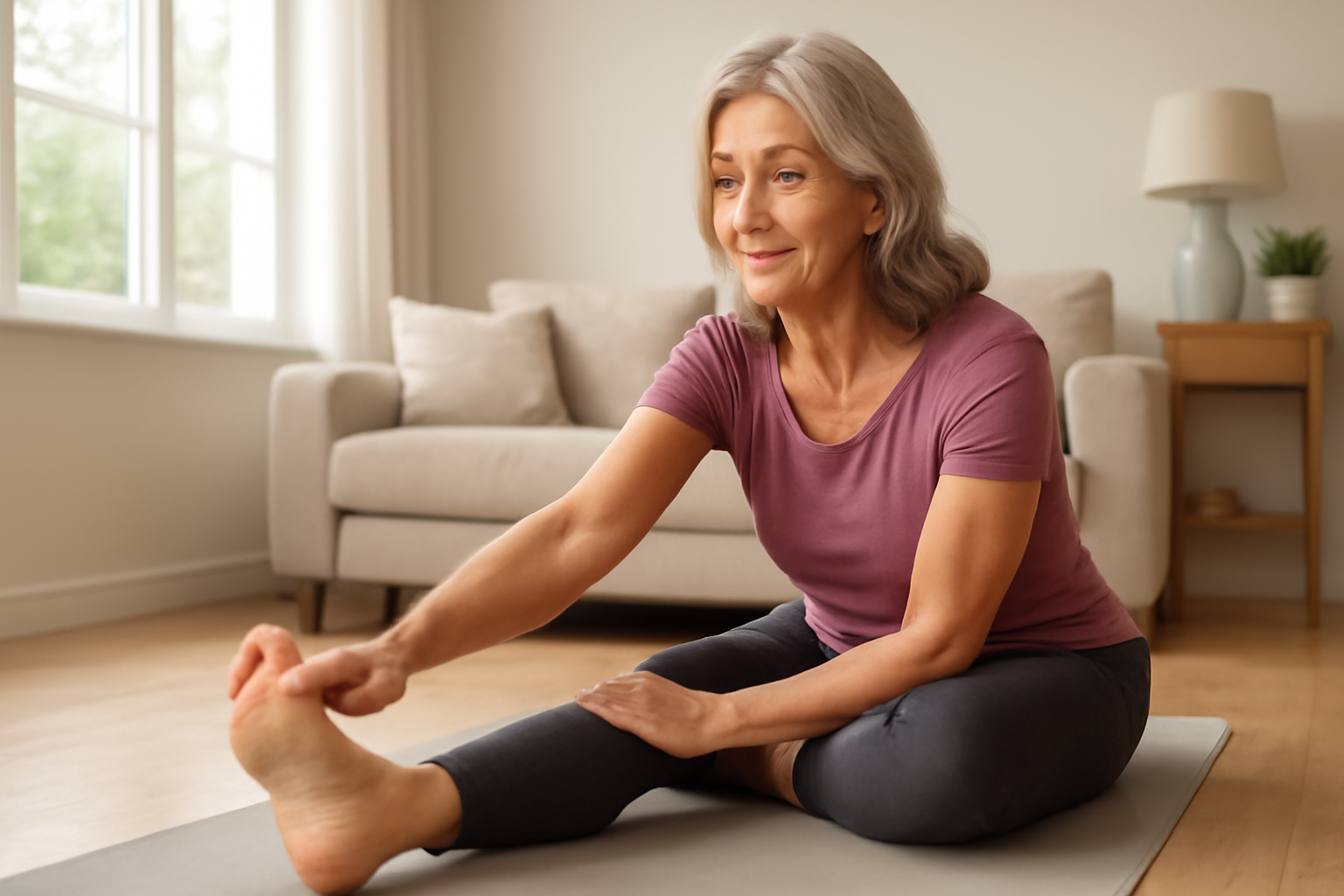
    • Seated hamstring stretch: Sit on the floor with legs extended, reach toward your toes, hold 30 seconds each leg
    • Hip flexor lunge stretch: From a kneeling lunge position, shift forward gently to stretch the front of the hip, 30 seconds per side
    • Cat-cow spinal stretch: On hands and knees, alternate between arching and rounding the spine, 10 slow repetitions
    • Doorway chest opener: Place forearms on a door frame, lean forward gently to stretch the chest and shoulders, 30 seconds
    • Seated piriformis stretch: Cross one ankle over the opposite knee while seated, gently press the raised knee down, 30 seconds per side

    Practical tips for success:

    • Stretch after a warm shower when muscles are already warmed and more pliable
    • Never stretch to the point of sharp or stabbing pain — mild tension is the goal
    • Breathe steadily throughout; never hold your breath during a stretch
    • Track your progress by noting how far you can reach or how long you can hold comfortably — improvement motivates continued effort
    • If you also strength train, consider pairing your flexibility work with your existing program. Strength Training After 50: The Complete Guide covers how to safely combine modalities for maximum benefit.

    Prevention strategies: Regular flexibility work is one of the most evidence-backed strategies for fall prevention in older adults. The CDC’s STEADI (Stopping Elderly Accidents, Deaths, and Injuries) program specifically identifies hip and ankle flexibility as modifiable risk factors for falls among adults over 65.

    When to Call Your Doctor or Seek Emergency Care

    Stretching is generally very safe, but certain symptoms should prompt you to seek medical attention promptly.

    Call your doctor if you experience:

    • Persistent joint stiffness lasting longer than six weeks despite regular stretching
    • Stiffness that is worse in the morning and improves throughout the day (this pattern can indicate inflammatory arthritis)
    • New or worsening numbness or tingling in the arms or legs during stretching
    • Visible joint swelling alongside reduced range of motion
    • Muscle weakness that appears alongside tightness

    Seek emergency care immediately if:

    • You experience a sudden, severe muscle tear or hear a "pop" during stretching
    • You have significant swelling, bruising, or inability to bear weight after a stretch-related injury
    • You develop sudden chest pain, dizziness, or shortness of breath during exercise

    When preparing for your next doctor’s visit, bring notes about which areas feel tightest, how long stiffness lasts, and whether it interferes with specific daily activities. This helps your physician determine whether a referral to physical therapy or a musculoskeletal specialist is appropriate.

    Frequently Asked Questions

    How long does it take to improve flexibility in adults?

    Most clinical evidence suggests that noticeable improvements in range of motion can occur within four to eight weeks of consistent stretching — typically two to five sessions per week. Individual results vary based on age, starting flexibility level, and the specific muscles being targeted. Progress may be slower in older adults or those with inflammatory conditions, but improvement is still achievable.

    Is it safe to stretch every day?

    For most adults, daily stretching is not only safe but beneficial. Static stretching performed with proper form and moderate intensity poses minimal injury risk. The key is not overstretching — you should feel tension, not pain. Individuals with specific injuries or conditions should consult a physical therapist before beginning daily routines.

    Does flexibility training help with lower back pain?

    Research suggests yes, in many cases. Clinical evidence from Johns Hopkins Medicine indicates that stretching the hamstrings, hip flexors, and piriformis muscles can meaningfully reduce tension on the lumbar spine, which is a common contributor to lower back pain. However, back pain has many causes, and stretching is a complement to — not a replacement for — medical evaluation and treatment.

    Can I improve flexibility if I have arthritis?

    Yes. The Arthritis Foundation and the American College of Rheumatology both recommend gentle range-of-motion exercises and stretching for people with osteoarthritis and rheumatoid arthritis. These activities help maintain joint function and reduce stiffness. The intensity and type of stretching may need to be modified — your physician or physical therapist can provide personalized guidance.

    Should I stretch before or after exercise?

    Current clinical guidance recommends dynamic stretching before exercise (to warm up muscles and joints) and static stretching after exercise (when muscles are warm and most receptive to lengthening). Performing intense static stretching before exercise on cold muscles has been shown in some studies to temporarily reduce muscle strength output, so sequencing matters.

    Moving Forward With More Freedom

    Flexibility training isn’t about achieving gymnast-level splits or impressing anyone at the gym. It’s about preserving your ability to move confidently, reduce pain, prevent injury, and maintain independence as you age — and the evidence strongly supports its value at every stage of adult life.

    Starting with just 10 minutes a day is enough to begin making a meaningful difference. The muscles and joints respond to consistent, gentle encouragement — and so does your overall sense of physical well-being.

    As with any fitness change, the most important first step is talking to your doctor or a licensed physical therapist, especially if you have a chronic condition, recent injury, or haven’t been active in a while. With proper guidance, flexibility training can be one of the safest and most rewarding investments you make in your long-term health.


    Medical Disclaimer: This article is for informational and educational purposes only. It does not constitute medical advice, diagnosis, or treatment. Always consult your physician or a qualified healthcare provider before making changes to your health routine or treatment plan.

    Medically reviewed by our editorial health team. Content follows evidence-based standards aligned with CDC and NIH guidelines.