Tag: exercise recovery

  • Foam Rolling Benefits: Self-Myofascial Release Guide

    Foam Rolling Benefits: Self-Myofascial Release Guide

    Foam Rolling Benefits: Self-Myofascial Release Guide

    Clinical evidence supports foam rolling as a practical recovery and mobility tool — here’s how to use it safely and effectively.

    Introduction

    Mark, 52, had been dealing with nagging tightness in his calves and lower back for months. He assumed it was just part of getting older — until his physical therapist introduced him to a simple foam roller during a session. Within weeks of regular use, Mark noticed a measurable improvement in his flexibility and a significant reduction in post-workout soreness.

    He’s not alone. According to the American College of Sports Medicine, musculoskeletal pain and restricted mobility are among the most common complaints in adults over 40. Yet one of the most accessible, evidence-backed tools for addressing these issues — foam rolling, also known as self-myofascial release (SMR) — remains underused by the general public.

    In this guide, you’ll learn exactly what foam rolling is, what the science says about its benefits, how to incorporate it into your routine safely, and which techniques offer the most value for adults managing everyday soreness, stiffness, and exercise recovery. Whether you’re new to fitness or a seasoned exerciser, this guide is designed to help you move better and feel stronger.

    What Is Self-Myofascial Release (Foam Rolling)?

    Self-myofascial release is a soft tissue therapy technique that involves applying gentle, sustained pressure to specific areas of the body to release tension in the fascia — the connective tissue that surrounds and supports muscles, tendons, and other structures throughout your body.

    Think of fascia like a full-body suit of cling wrap beneath your skin. When you sit for long periods, experience muscle overuse, or sustain minor injuries, the fascia can become restricted, forming what clinicians often call "trigger points" or "adhesions." These knots can cause localized pain, reduced range of motion, and impaired movement patterns.

    Foam rolling uses body weight and a cylindrical tool — the foam roller — to mimic the pressure of a therapeutic massage. By slowly rolling over a muscle group and pausing on tender spots, you apply a neurological and mechanical stimulus that helps the tissue relax and lengthen.

    Research published in the Journal of Athletic Training found that just 60 to 90 seconds of foam rolling on a muscle group can significantly increase flexibility without negatively affecting muscle performance — a key distinction from static stretching, which can temporarily reduce muscle strength when done before exercise.

    According to the National Academy of Sports Medicine (NASM), SMR is classified as a corrective exercise technique and is widely used in physical therapy, athletic training, and general fitness programming across the United States.

    Key Health Benefits of Foam Rolling

    The science behind foam rolling has grown considerably in the past decade. Here’s what clinical evidence currently supports:

    Improved Flexibility and Range of Motion

    A 2015 meta-analysis published in the International Journal of Sports Physical Therapy found that foam rolling combined with static stretching produced greater improvements in flexibility than stretching alone. For adults over 40 — whose connective tissue naturally becomes less pliable — this combination can be especially valuable.

    Foam rolling increases tissue temperature and promotes relaxation of the muscle spindles (sensory organs within muscles), making the tissue more receptive to lengthening.

    Faster Muscle Recovery After Exercise

    Delayed-onset muscle soreness (DOMS) — the aching, stiffness that peaks 24 to 72 hours after intense physical activity — is one of foam rolling’s most studied applications. A 2014 study in the Journal of Athletic Training demonstrated that participants who foam rolled for 20 minutes after exercise reported significantly less soreness and fatigue compared to those who did not.

    Foam rolling appears to improve blood circulation to fatigued tissues and may accelerate the removal of metabolic waste products that accumulate during strenuous activity.

    Reduced Muscle Tension and Pain

    Research suggests that consistent foam rolling can reduce the perception of chronic muscle tightness and localized pain, particularly in common problem areas like the IT band (iliotibial band along the outer thigh), thoracic spine (upper back), calves, and hip flexors.

    This doesn’t mean foam rolling "fixes" structural problems — it works through neurological pathways to temporarily reduce pain sensitivity and muscle guarding, making it a useful complement to other treatments like physical therapy and corrective exercise.

    Better Movement Quality and Posture

    Tight, restricted tissues affect the way your joints move. Over time, movement compensation patterns develop — your body finds workarounds that often lead to overuse injuries. By addressing restrictions through SMR, foam rolling can help restore more efficient movement mechanics.

    Clinical evidence from the Cleveland Clinic supports foam rolling as part of a broader corrective exercise strategy to address postural imbalances common in desk workers, which the Bureau of Labor Statistics estimates make up over 40% of the US workforce.

    Cardiovascular and Arterial Benefits

    Emerging research published in the Journal of Strength and Conditioning Research suggests that regular foam rolling may improve arterial stiffness and vascular function — factors closely linked to cardiovascular health. While more research is needed to confirm long-term effects, these preliminary findings add an exciting dimension to the practice beyond simple muscle recovery.

    Who Should Consider Foam Rolling?

    Foam rolling is appropriate for a broad range of adults, but like any physical intervention, it’s most beneficial when matched to individual needs. You may benefit from foam rolling if you:

    • Experience chronic muscle tightness, particularly in the back, hips, or legs
    • Sit for extended periods during the workday
    • Engage in regular physical exercise and want to optimize recovery
    • Have reduced flexibility that limits your daily activities
    • Are returning to exercise after a period of inactivity
    • Manage conditions like fibromyalgia, chronic low back pain, or early-stage osteoarthritis (with physician approval)

    This varies from person to person. Adults with certain conditions — including deep vein thrombosis, open wounds, severe osteoporosis, or active inflammation — should avoid foam rolling on affected areas and consult a physician before starting.

    If you’re already committed to other forms of movement, foam rolling pairs exceptionally well with Pilates for Adults and cycling for fitness, as both place high demands on the hip flexors, quadriceps, and spinal muscles that respond well to SMR.

    How to Start: Foam Rolling Basics and Technique

    Getting started with foam rolling doesn’t require expensive equipment or a gym membership. A basic EVA foam roller costing between $15 and $40 is sufficient for most adults. Here’s how to approach your practice:

    Choose the Right Roller

    • Soft foam rollers: Best for beginners, elderly adults, or those with high pain sensitivity
    • Medium-density rollers: The most versatile option for general use
    • Firm or textured rollers: Provide deeper pressure, appropriate for experienced users or larger muscle groups

    Core Technique Principles

    1. Position the target muscle on the roller and use your arms or opposite leg for support
    2. Apply moderate pressure — enough to feel a "productive discomfort," not sharp or shooting pain
    3. Roll slowly, about one inch per second, along the length of the muscle
    4. Pause on tender spots for 20 to 30 seconds, breathing deeply until the sensation decreases
    5. Avoid rolling directly on joints, bones, or the spine

    Recommended Session Duration

    Most physical therapists recommend 5 to 15 minutes of foam rolling per session, focusing on 2 to 4 muscle groups at a time. You don’t need to address the entire body in one sitting — consistency matters more than volume.

    Essential Foam Rolling Techniques by Body Area

    Here are evidence-supported techniques for the most commonly targeted areas in adults:

    Calves

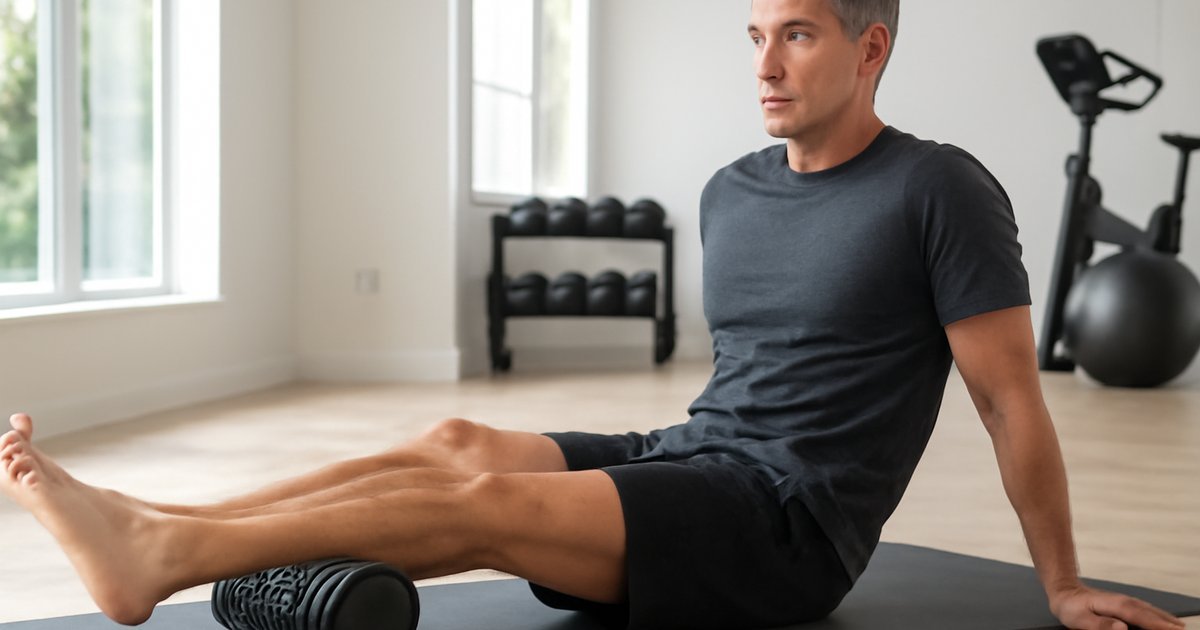
    Sit on the floor with one calf resting on the roller. Support your body weight on your hands. Slowly roll from just above the ankle to just below the knee. Cross your opposite ankle over the target leg to increase pressure. This is especially helpful for runners, walkers, and adults who stand for extended periods.

    IT Band (Outer Thigh)

    Lie on your side with the roller positioned at the outer hip. Using your forearm for support, slowly roll down the outer thigh to just above the knee. This area is notoriously sensitive — start with a softer roller and light pressure. Many people experience significant tightness here due to prolonged sitting.

    Quadriceps (Front Thigh)

    Lie face-down with the roller under both thighs. Support your body on your forearms and slowly roll from the hips to just above the knee. Pause on any areas of increased tension. Tight quadriceps are among the most common contributors to knee and lower back discomfort in adults over 40.

    Thoracic Spine (Upper Back)

    Sit on the floor with the roller positioned horizontally behind your mid-back. Support your head with interlaced fingers. Slowly extend over the roller, allowing the upper back to open. This technique can provide remarkable relief for those dealing with desk-related postural strain. Never roll directly on the lumbar (lower) spine.

    Glutes and Piriformis

    Sit on the roller with one ankle crossed over the opposite knee (figure-4 position). Lean toward the side of the crossed leg and slowly roll the outer glute area. This technique targets the piriformis muscle, which when tight can mimic sciatic nerve pain — a complaint reported by millions of Americans annually, according to the NIH.

    When to Foam Roll: Before or After Exercise?

    The timing of foam rolling matters. Research suggests the following framework:

    • Before exercise (pre-workout): Use foam rolling as part of a dynamic warm-up to increase tissue temperature and range of motion. Keep sessions brief — 30 to 60 seconds per muscle group — and follow with dynamic movement. Clinical evidence indicates pre-workout SMR does not impair muscle strength or power output.
    • After exercise (post-workout): This is the most evidence-supported window for foam rolling. Spend 10 to 15 minutes on fatigued muscle groups to promote circulation, reduce soreness, and begin the recovery process.
    • On rest days: Foam rolling on non-exercise days helps maintain tissue quality and can be particularly beneficial for adults with desk jobs or sedentary lifestyles.

    If you’re building a well-rounded recovery routine, foam rolling complements strategies outlined in resources like our guide on bodyweight training for adults, where tissue quality and mobility are foundational to progress and injury prevention.

    Safety Considerations and When to Stop

    Foam rolling is considered safe for most healthy adults when performed correctly. However, there are important boundaries to respect:

    Stop immediately and consult a healthcare provider if you experience:

    • Sharp, stabbing, or shooting pain during rolling
    • Numbness or tingling that radiates down a limb
    • Swelling, redness, or warmth in the area being rolled
    • Symptoms that worsen rather than improve after 2 to 3 weeks of consistent use

    Absolute contraindications — avoid foam rolling entirely if you have:

    • Confirmed deep vein thrombosis (DVT) or blood clots
    • Severe peripheral neuropathy
    • Active infection, open wounds, or recent surgical sites
    • Fragile skin associated with advanced age or certain medications
    • Severe osteoporosis (consult your physician before any SMR practice)

    The Mayo Clinic advises that adults with chronic medical conditions always speak with their primary care physician before beginning any new physical therapy technique, including foam rolling.

    When to Call Your Doctor

    Foam rolling is not a substitute for medical evaluation. Schedule an appointment with your doctor if:

    • You have persistent muscle or joint pain lasting more than 2 weeks
    • Your range of motion has decreased significantly without a clear cause
    • You experience muscle weakness, not just tightness
    • You have a history of cancer, blood clotting disorders, or autoimmune conditions affecting connective tissue

    At your appointment, let your physician know you’re interested in foam rolling. Bring a list of your symptoms, any affected areas, and your current exercise routine. Most primary care physicians and physical therapists can offer individualized guidance on technique and frequency.

    Frequently Asked Questions

    How often should I foam roll?

    Most research suggests that foam rolling 3 to 5 times per week produces the best results for flexibility and recovery. Daily rolling is generally safe for healthy adults, provided you’re not applying excessive pressure to inflamed or injured areas. Consistency over time produces more meaningful results than infrequent, intense sessions.

    Does foam rolling actually break up scar tissue?

    This is a common misconception. Current research indicates that foam rolling does not mechanically break up scar tissue or fascial adhesions. Instead, it works primarily through neurological pathways — reducing muscle tension and pain sensitivity via the nervous system. The practical effects on mobility and comfort are real, but the mechanism is different from what many people assume.

    Is foam rolling painful?

    Foam rolling can feel uncomfortable, especially on very tight or sensitive areas. Clinicians describe the appropriate level of sensation as "discomfort you can breathe through" — roughly a 4 to 6 out of 10 on a pain scale. If the sensation feels sharp, severe, or causes you to hold your breath, reduce the pressure or avoid that area. Discomfort should decrease within 20 to 30 seconds of sustained pressure.

    Can foam rolling help with lower back pain?

    Clinical evidence supports foam rolling for muscles that contribute to lower back pain — such as the glutes, hip flexors, quadriceps, and thoracic spine — but rolling directly on the lumbar spine is not recommended and can cause harm. If you have chronic lower back pain, consult a physical therapist who can identify the specific muscle groups contributing to your symptoms and guide your SMR practice accordingly.

    Should older adults foam roll differently than younger adults?

    Adults over 60 should generally start with a softer roller and shorter sessions (5 to 10 minutes), focusing on areas of obvious tightness rather than the entire body. Pressure should be lighter, and more time should be spent pausing on tender spots rather than rolling quickly. For seniors with osteoporosis or other musculoskeletal conditions, physician clearance is strongly recommended. Our chair exercises for seniors guide offers additional low-impact movement strategies that pair well with gentle SMR practice.

    Conclusion

    Foam rolling is one of the most practical, low-cost tools available to adults who want to move better, recover faster, and manage everyday muscle tension. The evidence base — while still growing — clearly supports its use as a complement to regular exercise and physical therapy for improving flexibility, reducing soreness, and supporting long-term musculoskeletal health.

    Like any health intervention, foam rolling works best as part of a broader wellness strategy that includes consistent movement, quality nutrition, adequate sleep, and regular medical care. It’s not a cure for chronic pain or a replacement for professional treatment — but used correctly, it’s a powerful addition to your self-care toolkit.

    Start slowly, listen to your body, and don’t hesitate to work with a physical therapist to refine your technique. Small, consistent efforts can produce meaningful results over time.


    Medical Disclaimer: This article is for informational and educational purposes only. It does not constitute medical advice, diagnosis, or treatment. Always consult your physician or a qualified healthcare provider before making changes to your health routine or treatment plan.

    Medically reviewed by our editorial health team. Content follows evidence-based standards aligned with CDC and NIH guidelines.

  • Exercise Recovery: How to Recover Faster and Train Smarter

    Exercise Recovery: How to Recover Faster and Train Smarter

    Exercise Recovery: How to Recover Faster and Train Smarter

    What you do between workouts may matter just as much as the workouts themselves — here’s what the science says.

    Introduction

    Mark, 54, was proud of his new fitness routine. He’d committed to six days a week at the gym, pushed hard every session, and barely took a day off. Three months in, instead of feeling stronger, he was exhausted, his joints ached constantly, and his performance had actually declined. His doctor had a simple explanation: he wasn’t recovering.

    According to the American College of Sports Medicine, inadequate recovery is one of the leading causes of exercise-related injury and burnout in active adults — yet it remains one of the least discussed aspects of any fitness plan. Most people focus almost entirely on the workout itself and treat rest as optional.

    In this guide, you’ll learn what exercise recovery actually means, why it’s critical for results, and the evidence-based strategies that help your body repair, rebuild, and come back stronger — whether you’re 35 or 70.

    What Is Exercise Recovery?

    Exercise recovery refers to the physiological and behavioral processes that allow your body to repair the microscopic damage caused by physical exertion and restore itself to baseline — or better. It isn’t simply "not exercising." It’s an active, multifaceted process involving your muscles, nervous system, hormones, and immune response.

    When you exercise — especially strength training or high-intensity cardio — you create small tears in muscle fibers, deplete glycogen (your muscles’ stored fuel), and stress your cardiovascular and nervous systems. Recovery is when your body patches those tears, refuels, and adapts to handle more stress next time. That adaptation is what produces fitness gains.

    Without adequate recovery, adaptation doesn’t happen. Instead, tissue damage accumulates, inflammation becomes chronic, and your risk of injury and overtraining syndrome increases significantly.

    A 2022 review published in the Journal of Strength and Conditioning Research found that athletes who followed structured recovery protocols experienced up to 30% fewer soft tissue injuries compared to those who did not.

    Recovery matters at every fitness level, but clinical evidence suggests it becomes increasingly important after age 40, when natural hormonal changes — including declining testosterone and human growth hormone — slow the muscle repair process.

    Signs You’re Not Recovering Enough

    Your body sends clear signals when recovery is insufficient. Recognizing them early can prevent serious setbacks.

    Early warning signs (manageable with rest and adjustments):

    • Persistent muscle soreness lasting more than 72 hours after a workout
    • Feeling unusually fatigued even on rest days
    • Declining performance — slower times, fewer reps, lower weights
    • Difficulty sleeping or waking up feeling unrefreshed
    • Low motivation or dread before workouts
    • Increased irritability or mood changes
    • Elevated resting heart rate (more than 5-7 beats above your normal baseline)

    Advanced signs that warrant medical evaluation:

    • Sharp or localized joint pain during or after exercise
    • Swelling or warmth in a muscle or joint
    • Persistent fatigue not relieved by rest (possible overtraining syndrome)
    • Hormonal symptoms such as loss of menstrual regularity in women or libido changes in men
    • Recurrent illness suggesting suppressed immune function

    A 2021 NIH-supported study found that overtraining syndrome — a clinical condition caused by sustained insufficient recovery — affects an estimated 10-20% of competitive exercisers and a growing number of recreational fitness enthusiasts.

    What Happens to Your Body During Recovery

    Understanding the biology of recovery can help you take it more seriously.

    In the first 24-48 hours after intense exercise, your body enters an inflammatory repair phase. Immune cells flood damaged muscle tissue, clearing debris and laying the groundwork for new protein synthesis. This is why you often feel more sore on day two than day one — a phenomenon called delayed onset muscle soreness (DOMS).

    Between 48 and 72 hours post-exercise, muscle protein synthesis peaks. This is the window during which your muscles rebuild stronger, provided you supply the right raw materials — primarily protein and adequate calories.

    Your nervous system also needs recovery time. High-intensity training taxes the central nervous system (CNS), and CNS fatigue can linger longer than muscular soreness, affecting coordination, reaction time, and motivation.

    Research from the Mayo Clinic indicates that adults over 50 may require up to 48-72 hours of recovery between intense training sessions for the same muscle groups — compared to 24-48 hours in younger adults — due to age-related reductions in growth hormone and satellite cell activity (the cells responsible for muscle repair).

    The Six Pillars of Effective Exercise Recovery

    Clinical evidence and sports medicine research consistently point to six core strategies that support optimal recovery. This varies from person to person, but these fundamentals apply broadly.

    1. Sleep: Your Most Powerful Recovery Tool

    Sleep is when the majority of muscle repair and growth hormone secretion occurs. The CDC recommends 7-9 hours of sleep per night for adults, yet over one-third of American adults report regularly getting fewer than 7 hours, according to CDC data.

    During deep sleep stages, the pituitary gland releases growth hormone — the primary driver of tissue repair and muscle adaptation. Research published in the Journal of Clinical Endocrinology and Metabolism found that sleep restriction to five hours per night reduced muscle protein synthesis by approximately 18% compared to adequate sleep conditions.

    Practical strategies to improve sleep quality for recovery include:

    • Keep a consistent sleep and wake schedule, even on weekends
    • Avoid vigorous exercise within 2-3 hours of bedtime
    • Keep your bedroom cool (around 65-68°F) and dark
    • Limit screens for 30-60 minutes before bed
    • Consider magnesium supplementation — research suggests it may support sleep quality in adults with low magnesium levels (consult your physician first)

    2. Nutrition: Fueling the Repair Process

    Protein is the building block of muscle repair. Clinical evidence from the American College of Sports Medicine indicates that active adults benefit from consuming 1.2-1.6 grams of protein per kilogram of body weight per day — with some research suggesting higher needs for older adults to counter age-related muscle loss (sarcopenia).

    Timing also matters. Consuming a protein-rich meal or snack within 30-60 minutes after exercise — commonly called the "anabolic window" — has been shown to meaningfully support muscle protein synthesis, though more recent research suggests the window may be wider than previously thought (up to 2 hours post-workout).

    Carbohydrates are equally important for recovery. They replenish glycogen stores depleted during exercise. A 2020 meta-analysis in Nutrients found that combining protein and carbohydrates in a post-workout meal enhanced glycogen restoration by 38% compared to carbohydrates alone.

    Don’t overlook hydration. Even mild dehydration — as little as 2% body weight loss — impairs muscle function and delays recovery. The National Academies of Sciences recommends approximately 3.7 liters (about 125 oz) of total daily fluid for men and 2.7 liters (about 91 oz) for women, with higher needs during and after exercise.

    3. Active Recovery: Movement as Medicine

    Rest doesn’t have to mean stillness. Active recovery — low-intensity movement on your non-training days — improves circulation, helps clear metabolic waste products like lactic acid, and reduces stiffness without adding additional training stress.

    Effective active recovery activities include:

    A 2019 study in the Journal of Sports Sciences found that 20 minutes of low-intensity cycling the day after high-intensity training reduced muscle soreness scores by 40% and improved next-day performance compared to complete rest.

    4. Foam Rolling and Soft Tissue Work

    Foam rolling — also called self-myofascial release — involves using a cylindrical foam roller to apply pressure to muscles and connective tissue. Research suggests it can reduce DOMS, improve range of motion, and decrease perceived fatigue when used consistently.

    A meta-analysis of 21 studies published in the Journal of Athletic Training found that post-exercise foam rolling reduced muscle soreness by a modest but statistically significant amount and improved flexibility without negatively affecting strength output.

    Focus foam rolling on large muscle groups like the quadriceps, hamstrings, calves, and upper back. Spend 60-90 seconds per muscle group, pausing on tender spots.

    5. Cold and Heat Therapies

    Temperature-based recovery tools have been used in clinical sports medicine for decades. Research suggests both cold and heat have legitimate roles, depending on the context.

    Cold therapy (ice baths, cold compresses) reduces acute inflammation and pain by constricting blood vessels and slowing nerve conduction. It is most useful immediately after competition or very high-intensity sessions. However, some research indicates that chronic use of cold therapy after resistance training may blunt long-term muscle adaptation by suppressing the inflammatory response necessary for growth.

    Heat therapy (warm baths, heating pads, saunas) increases blood flow, loosens connective tissue, and promotes relaxation. Clinical evidence from the University of Oregon suggests that sauna use after exercise may reduce cortisol levels (a stress hormone that impairs recovery) and support cardiovascular adaptation. Sauna use should be approached cautiously by older adults and those with cardiovascular conditions — always consult your physician first.

    6. Stress Management and Mental Recovery

    Recovery isn’t only physical. Psychological stress — from work, relationships, finances — activates the same cortisol-driven stress response as physical training. When life stress is high, your overall recovery capacity is reduced, even if you’re sleeping and eating well.

    A 2023 study in the International Journal of Sports Physiology and Performance found that athletes with high life stress scores required significantly longer physical recovery times than those with lower stress levels, even when training loads were identical.

    Mindfulness practices, controlled breathing exercises, and even leisure reading have been shown to reduce cortisol and support the parasympathetic nervous system — the "rest and digest" mode essential for recovery.

    Recovery Strategies by Age Group

    Recovery needs are not one-size-fits-all. Age significantly influences how your body responds to exercise stress.

    Adults 30-45: Your recovery capacity is generally good, but lifestyle factors — poor sleep, high stress, inadequate nutrition — are the most common recovery saboteurs. Most physicians recommend at least one full rest day per week and at least 48 hours between intense sessions targeting the same muscle group.

    Adults 45-60: Declining estrogen (in women approaching or in menopause) and testosterone (in men) slow tissue repair and reduce bone density resilience. Recovery time between intense sessions should be extended, and nutrition — particularly protein and calcium intake — becomes more critical. If you’re also doing strength training, our guide on Strength Training After 50: The Complete Guide pairs well with these recovery principles.

    Adults 60-70+: At this stage, recovery is genuinely a medical consideration. Research from Johns Hopkins Medicine indicates that muscle protein synthesis rates decline by approximately 30% between ages 60 and 80, making adequate protein intake and longer rest intervals critically important. Working with a physical therapist or certified personal trainer experienced with older adults is strongly recommended.

    When to Call Your Doctor — Red Flags

    Most post-exercise soreness is normal and manageable. However, certain symptoms require prompt medical evaluation. Do not ignore:

    • Chest pain, pressure, or tightness during or after exercise — call 911 immediately
    • Shortness of breath disproportionate to your effort level
    • Dizziness, fainting, or heart palpitations during exercise
    • Sharp, localized pain in a joint or muscle (as opposed to general soreness)
    • Significant swelling, bruising, or deformity in a limb after exercise
    • Dark brown or tea-colored urine after intense exercise — this may indicate rhabdomyolysis (rapid muscle breakdown), a serious condition requiring emergency treatment
    • Persistent fatigue lasting weeks despite adequate rest — may signal overtraining syndrome, anemia, thyroid dysfunction, or other conditions

    At your next routine visit, tell your doctor about your current exercise routine, any recurring soreness or fatigue patterns, and any supplements you’re taking for recovery. This helps them personalize guidance for your specific health status.

    Frequently Asked Questions

    How sore is too sore after a workout?
    Some muscle soreness after exercise — known as DOMS — is normal and typically peaks 24-72 hours post-workout. It should feel like a dull ache when moving, not sharp or stabbing pain. If soreness prevents you from moving normally, or if it worsens after 72 hours instead of improving, that’s a signal you may have pushed too hard or experienced a minor injury. Most physicians recommend scaling back intensity until soreness resolves.

    How many rest days do I need per week?
    Most clinical guidelines and sports medicine experts recommend a minimum of one to two rest or active recovery days per week for adults doing moderate-to-vigorous exercise. The exact number depends on your training intensity, age, sleep quality, and overall health. Higher intensity training programs — like HIIT — typically require more recovery time; see our HIIT Workouts for Adults Over 40 guide for specifics.

    Does stretching after a workout actually help recovery?
    Research on post-workout static stretching and recovery is mixed. Stretching does not appear to significantly reduce DOMS, but it does improve flexibility over time and promotes relaxation, which supports the nervous system’s recovery. Most sports medicine professionals recommend it as a beneficial — if modest — part of a cool-down routine.

    Are recovery supplements like BCAAs or creatine worth taking?
    Branched-chain amino acids (BCAAs) and creatine are among the most researched exercise supplements. Clinical evidence suggests creatine monohydrate may support muscle recovery and strength gains in resistance-trained adults, while BCAAs have shown modest benefits in reducing DOMS. However, research suggests that adequate dietary protein largely provides these amino acids naturally. Always consult your physician before starting any supplement, particularly if you have kidney disease or take prescription medications.

    Can I work out every day if I vary muscle groups?
    Some people do train daily by rotating muscle groups — for example, upper body one day and lower body the next. This can be appropriate for experienced, well-conditioned adults. However, the central nervous system, cardiovascular system, and connective tissues do not recover muscle-group-specifically. Clinical evidence suggests that even with varied training splits, most adults benefit from at least one complete rest day per week, particularly those over 50.

    Conclusion

    Exercise recovery isn’t a passive pause between workouts — it’s where the real progress happens. The adaptation that makes you stronger, faster, and more resilient occurs not during the workout, but in the hours and days that follow, when your body repairs and rebuilds.

    Whether you’re managing a busy schedule in your 30s, navigating hormonal changes in your 50s, or building sustainable fitness habits in your 60s, prioritizing sleep, nutrition, active recovery, and stress management can meaningfully improve both your results and your long-term health.

    Start with one pillar. Improve your sleep this week. Add a protein-rich snack after your next workout. Take a 20-minute walk on your rest day. Small, consistent adjustments compound over time — and your future self will thank you.

    As always, work with your healthcare provider to tailor any fitness or recovery plan to your individual health needs, medications, and goals.


    Medical Disclaimer: This article is for informational and educational purposes only. It does not constitute medical advice, diagnosis, or treatment. Always consult your physician or a qualified healthcare provider before making changes to your health routine or treatment plan.

    Medically reviewed by our editorial health team. Content follows evidence-based standards aligned with CDC and NIH guidelines.