
Tag: exercise guide

  • Endurance Training: Your Guide to Health & Longevity

    Endurance Training: Your Guide to Health & Longevity

    Unlock sustained energy, a stronger heart, and improved well-being with consistent endurance training.

    Sarah, 58, found herself increasingly winded during her morning walks. What was once a refreshing stroll became a struggle, leaving her feeling frustrated and less energetic throughout the day. She wondered if this was just a normal part of aging or if there was something she could do to regain her stamina.

    Her experience is not uncommon. Many adults, particularly those over 40, notice a gradual decline in their physical endurance, impacting everything from daily tasks to enjoying hobbies. According to recent data from the CDC, only about 20% of American adults consistently meet the recommended physical activity guidelines for both aerobic and strength activities.

    This comprehensive guide will walk you through the world of endurance training, explaining what it is, why it’s crucial for your health and longevity, and how you can safely incorporate it into your routine. You’ll learn about different types of training, how to assess your current fitness level, and when it’s essential to consult your doctor. Prepare to reclaim your energy and vitality.

    What Is Endurance Training?

    Endurance training, often referred to as aerobic exercise, is any physical activity that increases your heart rate and breathing for a sustained period. It’s about your body’s ability to continue performing a physical task without excessive fatigue. This type of training primarily targets your cardiovascular and respiratory systems, enhancing their efficiency.

    Think of it as training your heart, lungs, and blood vessels to deliver oxygen and nutrients more effectively to your working muscles. This improved efficiency allows you to sustain activities longer, whether it’s climbing stairs, hiking, or playing with grandchildren.

    This form of exercise is distinct from strength training, which focuses on muscle power, or flexibility training, which improves range of motion. While all are important, endurance training is the cornerstone for overall cardiovascular health and stamina. As mentioned, only about 20% of American adults meet the recommended physical activity guidelines, highlighting a significant opportunity for many to boost their endurance.

    Why Is Endurance Important for Adults?

    Maintaining good endurance offers a wealth of benefits that directly contribute to a higher quality of life and reduced risk of chronic diseases as you age. It’s not just about running a marathon; it’s about having the energy for everyday activities and thriving.

    Cardiovascular Health: Endurance training strengthens your heart muscle, allowing it to pump blood more efficiently. This can lead to a lower resting heart rate, reduced blood pressure, and improved cholesterol levels. The American Heart Association (AHA) consistently highlights aerobic exercise as a key factor in preventing heart disease, the leading cause of death in the United States.

    Improved Lung Function: Regular aerobic activity enhances your lung capacity and efficiency, meaning your body can take in and utilize oxygen more effectively. This translates to less shortness of breath during exertion.

    Enhanced Energy Levels: Contrary to what you might think, exercising when you’re tired can actually boost your energy. Consistent endurance training improves your stamina, making you less fatigued throughout the day and better able to handle physical and mental stressors.

    Better Sleep Quality: Engaging in moderate endurance exercise can help regulate your sleep patterns, leading to deeper, more restorative sleep. However, avoid intense exercise too close to bedtime.

    Cognitive Benefits: Research suggests a strong link between physical activity and brain health. Endurance training can improve blood flow to the brain, which may enhance memory, focus, and overall cognitive function. A landmark study published in the Journal of the American Medical Association (JAMA) once highlighted a strong inverse relationship between cardiorespiratory fitness and all-cause mortality, underscoring its critical role in longevity.

    Weight Management: Aerobic exercise burns calories and can help maintain a healthy weight, which in turn reduces the risk of obesity-related conditions like Type 2 diabetes and certain cancers.

    The specific benefits you experience can vary based on your starting fitness level, consistency, and genetic predisposition. Nevertheless, the overarching impact on health is universally positive.

    Factors Influencing Your Endurance

    Your ability to sustain physical activity is a complex interplay of various factors. Understanding these can help you tailor your training and set realistic expectations.

    Age: It’s a natural physiological process for endurance to decline with age. Maximal oxygen uptake (VO2 max), a key measure of aerobic endurance, typically decreases. However, research from the National Institutes of Health (NIH) has shown that while VO2 max declines by about 10% per decade after the age of 30, consistent training can significantly slow this rate, sometimes by as much as 50%.

    Genetics: Your genetic makeup plays a role in your inherent athletic potential and how your body responds to training. Some individuals are naturally predisposed to higher endurance levels.

    Lifestyle: A sedentary lifestyle is perhaps the most significant detrimental factor. Lack of regular physical activity directly leads to deconditioning of your cardiovascular and muscular systems. Conversely, an active lifestyle builds and maintains endurance.

    Underlying Health Conditions: Chronic conditions such as heart disease, diabetes, asthma, or anemia can directly impact your endurance. Managing these conditions effectively with your doctor’s guidance is crucial for improving your exercise capacity.

    Nutrition and Hydration: Your body needs adequate fuel (carbohydrates, healthy fats, protein) and water to perform and recover. Dehydration can significantly impair performance and lead to fatigue.

    Sleep Quality: Insufficient or poor-quality sleep hinders your body’s ability to repair and adapt to exercise, directly affecting your energy levels and endurance during your next workout.

    Environmental Factors: Altitude, temperature, and humidity can all affect your body’s ability to perform. Exercising in extreme conditions requires extra caution and adaptation.

    While some factors like genetics and age are largely fixed, many others, particularly lifestyle choices, are within your control and offer significant opportunities for improvement.

    Assessing Your Current Endurance Levels

    Before you embark on an endurance training program, it’s beneficial to have an idea of your current fitness level. This helps in setting appropriate goals, tracking progress, and ensuring safety. Remember, always consult your doctor before starting any new exercise regimen, especially if you have pre-existing health conditions or are over 40 and have been largely inactive.

    Self-Assessments:

    • The Talk Test: This simple test helps gauge exercise intensity. If you can comfortably talk but can’t sing during exercise, you’re likely at a moderate intensity. If you can only say a few words at a time, you’re at a vigorous intensity. If you can sing, you might need to pick up the pace.
    • Walking Tests: Timed walking tests, such as seeing how far you can walk in 6 or 12 minutes on a flat surface, can provide a baseline for your cardiovascular fitness.
    • One-Mile Walk Test: Walk one mile as quickly as possible without running. Record your time and heart rate immediately afterward. This data can be compared to normative values to estimate your fitness level.

    Professional Assessments:

    • VO2 Max Testing: This is the gold standard for measuring aerobic capacity. Performed in a lab setting, it involves exercising on a treadmill or bike while your oxygen consumption and carbon dioxide production are measured.
    • Stress Tests: Often performed in a doctor’s office or clinic, a stress test monitors your heart’s response to physical exertion, typically on a treadmill. It helps identify any underlying heart conditions that might limit your exercise capacity. The American College of Sports Medicine (ACSM) provides guidelines for fitness assessments, emphasizing that initial evaluations should be tailored to an individual’s health status and fitness goals.

    When seeking professional assessment, your doctor will consider your medical history, current health status, and fitness goals to recommend the most appropriate tests.

    Types of Endurance Training for All Levels

    The beauty of endurance training is its versatility. There’s an activity for almost everyone, regardless of age, fitness level, or physical limitations. The key is to find activities you enjoy and can sustain consistently.

    Low-Impact Aerobics: These activities minimize stress on your joints while still providing excellent cardiovascular benefits. They are ideal for beginners, individuals with joint pain, or those recovering from injuries.

    • Walking: Accessible to nearly everyone, walking is a fantastic way to build endurance. Start with short, brisk walks and gradually increase duration and speed.
    • Swimming: A full-body workout that’s incredibly gentle on the joints. Water provides resistance, strengthening muscles while improving cardiovascular health.
    • Cycling (Indoor or Outdoor): Whether on a stationary bike or cruising outdoors, cycling is an effective way to elevate your heart rate without high impact.
    • Elliptical Training: Mimics running but keeps your feet in contact with the pedals, reducing impact on knees and hips. For more on joint-friendly options, see our guide on Low-Impact Exercise for Joint Health.

    Moderate-Impact Activities: These involve a bit more impact but are generally safe and effective for individuals without significant joint issues.

    • Jogging/Running: If your joints allow, jogging is a highly efficient way to build cardiovascular endurance. Start with a run/walk program and gradually increase your running segments.
    • Dancing: From Zumba to ballroom, dancing is a fun way to get your heart rate up, improve coordination, and boost mood.
    • Hiking: Offers varied terrain and scenery, making it an engaging way to build endurance and strength, especially if you encounter inclines.

    Interval Training: This involves alternating between short bursts of high-intensity activity and periods of lower-intensity recovery. It’s highly effective for improving both aerobic and anaerobic fitness.

    • High-Intensity Interval Training (HIIT): Short, intense bursts followed by brief recovery periods. HIIT can be very time-efficient. For adults over 40, adaptations are often necessary to ensure safety and effectiveness; learn more in our guide on HIIT Workouts for Adults Over 40.
    • Low-Intensity Steady State (LISS): Longer periods of sustained, moderate-intensity exercise, such as a long walk or bike ride. This is often the foundation for building aerobic base.

    The Department of Health and Human Services’ Physical Activity Guidelines for Americans recommends at least 150 minutes of moderate-intensity or 75 minutes of vigorous-intensity aerobic activity per week for substantial health benefits. You can mix and match these types of training to keep your routine engaging and effective.

    Building and Maintaining Endurance Long-Term

    Building endurance isn’t a one-time event; it’s a gradual process that requires consistency, smart progression, and attention to your body’s needs. Here’s how to integrate endurance training into your life for lasting benefits:

    Start Slowly and Progress Gradually: This is perhaps the most critical principle. If you’re new to exercise or returning after a break, begin with short durations (10-15 minutes) at a moderate intensity. Over weeks and months, gradually increase the duration, then the intensity. A common guideline is to increase your total weekly exercise time by no more than 10% each week.

    Consistency is Key: Aim for 3-5 days of endurance training per week. Regularity trumps sporadic, intense workouts. Even short, consistent sessions are more effective than infrequent long ones.

    Listen to Your Body: Pay attention to signs of overtraining, such as persistent fatigue, decreased performance, increased irritability, or frequent illness. Rest days are crucial for muscle repair and adaptation. Some discomfort is normal, but pain is a warning sign.

    Incorporate Cross-Training: Varying your activities not only prevents boredom but also works different muscle groups and reduces the risk of overuse injuries. Complement your endurance work with strength training (2-3 times per week) and flexibility exercises. This holistic approach supports overall fitness.

    Fuel Your Body: Proper nutrition is vital. Ensure a balanced intake of carbohydrates for energy, protein for muscle repair, and healthy fats. Stay well-hydrated before, during, and after exercise. Longitudinal studies, such as those conducted by Harvard Health, have repeatedly demonstrated that consistent physical activity throughout adulthood is a strong predictor of healthy aging and reduced disease burden.

    Prioritize Sleep and Recovery: Adequate sleep (7-9 hours for most adults) is when your body repairs and rebuilds. Incorporate active recovery days (light activities like walking or stretching) and ensure you’re getting enough rest. For more on optimizing your recovery, refer to our guide on Exercise Recovery.

    Set Realistic Goals: Whether it’s walking a certain distance or improving your time, having clear, achievable goals can provide motivation and a sense of accomplishment.

    Find a Buddy or Group: Exercising with others can provide accountability and make the activity more enjoyable.

    Building endurance is a journey, not a destination. Celebrate small victories and stay committed to your long-term health.

    When to Consult Your Doctor About Exercise

    While exercise is overwhelmingly beneficial, it’s crucial to be aware of when to seek professional medical advice. Your safety is paramount, especially when starting a new routine or experiencing unusual symptoms.

    Before Starting a New Exercise Program:

    • If you have a chronic health condition, such as heart disease, diabetes, kidney disease, or arthritis.
    • If you are over 40 and have been largely inactive.
    • If you experience chest pain, dizziness, or unusual shortness of breath during light activity.
    • If you have any unexplained pain or symptoms.

    Your doctor can help you create a safe and effective exercise plan tailored to your health status and might recommend a stress test or other evaluations to ensure your heart can handle the increased activity.

    Emergency Signs (Call 911 Immediately):

    • Sudden, severe chest pain, especially if it radiates to your arm, back, neck, jaw, or stomach.
    • Severe shortness of breath that comes on suddenly and doesn’t improve with rest.
    • Fainting or severe dizziness.
    • Sudden weakness or numbness on one side of your body.
    • Rapid or irregular heartbeat accompanied by dizziness or chest pain.

    When to Call Your Doctor (Non-Emergency but Urgent):

    • Persistent or worsening joint or muscle pain that doesn’t resolve with rest.
    • Unusual or persistent fatigue that isn’t relieved by adequate rest.
    • Swelling in your ankles or legs.
    • New or worsening symptoms related to a pre-existing condition.
    • Difficulty breathing that is unusual for your activity level.

    When you consult your doctor, be prepared to discuss your current activity level, the types of activities you want to pursue, any symptoms you’re experiencing, and your full medical history. Open communication with your healthcare provider ensures your exercise journey is safe and effective.

    Frequently Asked Questions

    How long does it take to improve endurance?

    Visible improvements in endurance typically begin within 4-6 weeks of consistent training. However, significant changes can take several months. Factors like your starting fitness level, consistency, and intensity of workouts all play a role. The key is patience and persistent effort.

    Can I build endurance if I have joint pain?

    Absolutely. Low-impact activities like swimming, cycling, elliptical training, and brisk walking are excellent options that minimize stress on your joints while still providing cardiovascular benefits. Consult your doctor or a physical therapist to find the best activities for your specific condition. Our guide on Low-Impact Exercise for Joint Health offers more details.

    Is it ever too late to start endurance training?

    No, it’s never too late! Studies consistently show that individuals of all ages, even those starting in their 60s, 70s, and beyond, can significantly improve their endurance, strength, and overall health with regular physical activity. Start slowly, listen to your body, and consult your doctor.

    What’s the difference between aerobic and anaerobic endurance?

    Aerobic endurance refers to your body’s ability to sustain prolonged activity using oxygen to fuel muscles (e.g., long-distance running, swimming). Anaerobic endurance, on the other hand, is the ability to perform short, intense bursts of activity without relying on oxygen as the primary fuel source (e.g., sprinting, heavy weightlifting). Most endurance training focuses on aerobic capacity, but interval training can improve both.

    How do I stay motivated for endurance exercise?

    Maintaining motivation is crucial. Try varying your routine to prevent boredom, setting small, achievable goals, finding an exercise buddy, joining a class or group, or using fitness trackers to monitor your progress. Remember the long-term health benefits to keep you going.

    Conclusion

    Endurance training is a powerful tool for enhancing your health, increasing your energy levels, and contributing to a longer, more vibrant life. By consistently engaging in aerobic activities, you strengthen your heart, improve lung function, boost cognitive abilities, and better manage your weight.

    Whether you choose walking, swimming, cycling, or another activity, remember the importance of starting slowly, progressing gradually, and listening to your body. Incorporate cross-training, prioritize recovery, and make informed choices about your nutrition and hydration.

    Embarking on or maintaining an endurance training program is a profound investment in your future well-being. Always remember to consult your physician or a qualified healthcare provider before making significant changes to your health routine or treatment plan to ensure your chosen path is safe and appropriate for you.

    This article is for informational and educational purposes only. It does not constitute medical advice, diagnosis, or treatment. Always consult your physician or a qualified healthcare provider before making changes to your health routine or treatment plan.

    Medically reviewed by our editorial health team. Content follows evidence-based standards aligned with CDC and NIH guidelines.
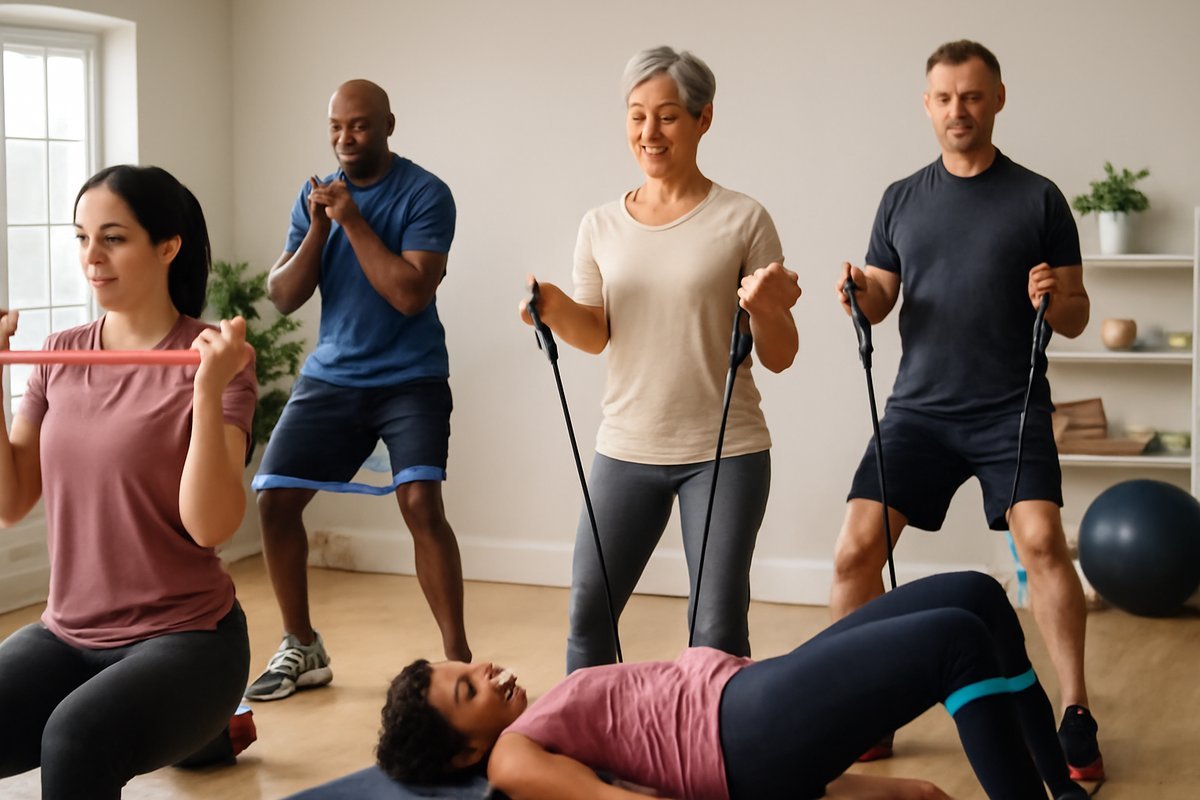
  • Resistance Band Training: A Complete Guide for Adults

    Resistance Band Training: A Complete Guide for Adults

    Harness the power of portable resistance for strength and vitality.

    According to the Centers for Disease Control and Prevention (CDC), only about 24.2% of adults meet the physical activity guidelines for muscle-strengthening activity, leaving a significant portion of the U.S. population vulnerable to age-related muscle loss, known as sarcopenia, and reduced bone density. Many adults, especially those between 30 and 70, often struggle to incorporate regular strength training into their routines due to time constraints, gym intimidation, or pre-existing joint conditions. This gap in physical activity can lead to decreased functional independence, increased risk of falls, and a lower quality of life.

    If you’re looking for an effective, accessible, and joint-friendly way to build strength, improve mobility, and boost your overall health, resistance band training for adults might be the perfect solution. This comprehensive guide will walk you through everything you need to know about resistance bands, from their benefits and types to essential exercises and how to integrate them into your daily life safely and effectively. You’ll learn how these versatile tools can help you achieve your fitness goals without the need for heavy weights or expensive gym memberships.

    What Is Resistance Band Training?

    Resistance band training involves using elastic bands made of latex or synthetic rubber to create resistance against muscle contractions. Unlike free weights, which rely on gravity, resistance bands provide tension throughout the entire range of motion, engaging muscles differently and often more safely. This method of strength training has been utilized in physical therapy for decades and has gained widespread popularity in general fitness due to its efficacy and convenience.

    The increasing availability and affordability of resistance bands have made them a staple in home gyms and physical therapy clinics across the U.S., becoming an increasingly popular choice for strength training. Their ability to offer variable resistance, meaning the tension increases as the band is stretched further, provides a unique stimulus to your muscles. This variable tension can lead to significant improvements in muscle strength, endurance, and power, making them a valuable tool for individuals of all fitness levels.

    Why does this matter for your health? Regular strength training, whether with bands or weights, is crucial for maintaining muscle mass, bone density, and metabolic health. It helps improve body composition by increasing lean muscle tissue, which can boost your metabolism and support healthy weight management. Furthermore, strength training contributes to better balance and coordination, reducing your risk of falls as you age. Resistance bands offer a low-impact alternative that can be particularly beneficial if you have joint sensitivities or are recovering from an injury.

    Benefits of Resistance Band Training

    Resistance band training offers a multitude of advantages that make it an excellent choice for adults seeking to improve their fitness and overall well-being. Here are some key benefits:

    • Effective for Muscle Growth and Strength: Research published in the Journal of Sports Science & Medicine has indicated that resistance band training can lead to similar gains in muscle strength and hypertrophy (muscle growth) as conventional free weights, particularly when performed with adequate intensity and volume. This evidence suggests you don’t need heavy iron to build a strong, resilient body.
    • Joint-Friendly and Low Impact: Because resistance bands provide constant tension without the jarring impact of lifting and lowering heavy weights, they are incredibly gentle on your joints. This makes them an ideal option if you have arthritis, joint pain, or are recovering from certain injuries. The controlled movements help protect your ligaments and tendons while still challenging your muscles.
    • Portability and Affordability: Resistance bands are lightweight, compact, and easy to store, making them perfect for home workouts or travel. You can easily pack a set in your suitcase, ensuring you never miss a workout, even when you’re on the go. They are also significantly more affordable than traditional gym equipment, offering a cost-effective way to build a comprehensive strength training routine.
    • Versatility for Full-Body Workouts: With a few different types of bands, you can effectively target almost every major muscle group in your body. From squats and lunges to bicep curls and chest presses, resistance bands allow for a wide range of exercises that can mimic many traditional gym movements.
    • Improved Stability and Balance: Exercises with resistance bands often require you to engage your core and other stabilizing muscles more actively to control the movement. This enhanced stabilization can lead to improved balance, coordination, and proprioception (your body’s awareness of its position in space), which are critical for preventing falls, particularly as you age.
    • Ideal for Rehabilitation and Injury Prevention: Physical therapists frequently use resistance bands to help patients regain strength and mobility after injuries. Their progressive nature allows for gradual increases in resistance, making them safe for rebuilding muscle without putting excessive stress on healing tissues. Incorporating bands into your routine can also help strengthen neglected muscles, preventing future injuries.

    Types of Resistance Bands & How to Choose

    To maximize the effectiveness of your resistance band training, it’s helpful to understand the different types available and how to select the right ones for your needs. This varies from person to person based on strength levels and fitness goals.

    Common Types of Resistance Bands:

    • Loop Bands (Mini Bands or Power Bands): These are continuous loops of elastic material. Mini bands are shorter and often used for exercises targeting the glutes, hips, and shoulders, as well as for warm-ups. Power bands are longer and wider, offering much higher resistance levels, often used for assisted pull-ups, squats, deadlifts, and total body exercises. They typically come in color-coded sets indicating different resistance levels.
    • Tube Bands with Handles: These bands resemble elastic tubes with plastic or foam handles at each end. They are highly versatile and can be used for exercises that mimic free-weight movements, such as bicep curls, chest presses, rows, and shoulder presses. Many sets come with door anchors, allowing you to perform exercises that require a fixed anchor point.
    • Therapy Bands (Flat Bands): These are wide, flat, thin sheets of elastic material, often sold in rolls that you can cut to your desired length. They generally offer lighter resistance compared to loop or tube bands and are commonly used in physical therapy for rehabilitation exercises, stretching, and mobility work. They are excellent for targeting smaller muscle groups and for initial stages of strength building.

    How to Choose the Right Resistance Level:

    Resistance bands are almost always color-coded, with each color corresponding to a different level of tension (e.g., yellow for light, green for medium, blue for heavy, black for extra heavy). It’s crucial to start with a resistance level that allows you to maintain proper form throughout the entire exercise. Most physicians recommend starting with a lighter band and gradually progressing as your strength improves. If you can perform 15 repetitions with good form, it’s likely time to consider moving to a heavier band.

    When selecting your bands, consider your current fitness level and the specific muscle group you intend to work. Larger muscle groups like your glutes and quads can typically handle more resistance than smaller muscles like your shoulders or biceps. Many individuals benefit from having a set of bands with varying resistance levels to accommodate different exercises and muscle groups. Prioritizing safety and proper technique over excessive resistance will lead to more sustainable and injury-free progress.

    Getting Started: Essential Exercises & Proper Form

    Before diving into exercises, a proper warm-up is crucial. Spend 5-10 minutes on light cardio (like marching in place or arm circles) and dynamic stretches. Always prioritize slow, controlled movements, focusing on the muscle contraction rather than momentum. Here are some essential resistance band exercises, demonstrating how to incorporate them safely and effectively:

    Lower Body Exercises:

    • Banded Squats: Place a loop band just above your knees. Stand with feet shoulder-width apart, toes slightly out. Keeping your chest up and core engaged, lower down as if sitting in a chair, pushing your knees out against the band. The band helps activate your glutes and outer thighs.
    • Glute Bridges: Lie on your back with knees bent, feet flat on the floor, and a loop band around your thighs just above the knees. Push your hips up towards the ceiling, squeezing your glutes, and actively push your knees out against the band. Lower slowly.
    • Lateral Walks: Place a loop band around your ankles or just above your knees. Hinge slightly at your hips, keeping your feet shoulder-width apart. Take small, controlled steps sideways, maintaining tension on the band. This targets your hip abductors, crucial for stability.

    Upper Body Exercises:

    • Banded Bicep Curls: Stand on the middle of a tube band with handles (or a long loop band). Hold a handle in each hand, palms facing forward. Keeping your elbows tucked in, curl your hands up towards your shoulders, squeezing your biceps. Slowly lower down.
    • Tricep Extensions: Anchor a tube band to a high point (like a door anchor) or stand on it. Facing away from the anchor, grab the handle(s) with both hands. With elbows bent and tucked in, extend your arms straight down, engaging your triceps. Return slowly.
    • Chest Press (with Door Anchor): Anchor a tube band at chest height behind you. Grab a handle in each hand, stepping forward until the band is taut. With a slight bend in your elbows, press your hands forward as if doing a push-up. Control the return.
    • Banded Rows: Anchor a tube band at chest height in front of you (or loop a power band around a sturdy pole). Grab the handles (or ends of the power band). With a slight hinge at your hips and core engaged, pull the handles towards your torso, squeezing your shoulder blades together. Release slowly.

    Core Exercises:

    • Banded Rotations (Pallof Press): Anchor a tube band to a sturdy object at chest height. Stand perpendicular to the anchor, holding the handle with both hands at your chest. Step away from the anchor until there’s tension. Press the handle straight out in front of you, resisting the band’s pull to rotate your torso. Hold for a moment, then slowly return. This powerfully engages your anti-rotational core muscles.

    Remember, the key to effective resistance band training is consistency and proper form. If you’re unsure about a movement, watch instructional videos or consult with a fitness professional.

    Designing Your Resistance Band Workout Routine

    Creating a structured workout routine is essential for consistent progress and achieving your fitness goals. Here’s how to design an effective resistance band program:

    Frequency:

    Most health organizations, including the American Heart Association, recommend at least two days a week of moderate to high-intensity muscle-strengthening activity that works all major muscle groups. For optimal results and if your body allows, you might aim for 3-4 sessions per week, allowing at least one rest day between working the same muscle groups. Individual variation in recovery time means some people may need more rest.

    Sets and Repetitions:

    For general strength and muscle growth, aim for 2-4 sets of 8-15 repetitions per exercise. If your goal is muscular endurance, you might perform more repetitions (15-20+) with lighter resistance. The last few repetitions of each set should feel challenging, indicating you’re working your muscles effectively.

    Progression:

    To continue seeing results, you must progressively overload your muscles. This means gradually increasing the challenge over time. With resistance bands, you can progress by:

    • Using a band with higher resistance.
    • Increasing the number of repetitions or sets.
    • Slowing down the tempo of each repetition (increasing time under tension).
    • Decreasing rest time between sets.
    • Adding more challenging variations of exercises.

    Full-Body vs. Split Routines:

    • Full-Body Routine: This involves working all major muscle groups in a single session. It’s an excellent choice if you’re new to resistance training or can only commit to 2-3 workouts per week. A typical full-body workout might include 1-2 exercises for legs, 1-2 for chest/back, and 1 for shoulders/arms.
    • Split Routine: This involves dividing your workout days by muscle groups (e.g., upper body on one day, lower body on another). This allows for more focused work on specific muscles and can be beneficial if you’re training 3-4+ days a week. For example, you might do a "Push" day (chest, shoulders, triceps) and a "Pull" day (back, biceps) and a "Legs and Core" day.

    Always listen to your body and adjust your routine as needed. Rest days are just as important as workout days for muscle repair and growth.

    Integrating Resistance Bands into Your Lifestyle & Injury Prevention

    One of the greatest advantages of resistance bands is how easily they fit into various aspects of your life. Their versatility means you can incorporate them whether you’re at home, traveling, or even in the office for a quick stretch. Making resistance band training a regular part of your fitness regimen is more important than sporadic intense sessions.

    Practical Day-to-Day Management:

    • Home Workouts: Set aside a dedicated space, even a small corner, for your resistance band workouts. Having them easily accessible increases the likelihood you’ll use them.
    • Travel Fitness: Pack a few bands of varying resistance levels. They take up minimal space and allow you to maintain your strength training routine while away from home.
    • Supplementing Gym Routines: If you do go to a gym, use bands for warm-ups, cool-downs, or to add extra resistance to bodyweight exercises like squats or push-ups.

    Injury Prevention Strategies:

    While resistance bands are generally safe and joint-friendly, proper technique and preventive measures are still crucial to avoid injury:

    • Proper Warm-up and Cool-down: Always begin with 5-10 minutes of light cardio and dynamic stretches (like leg swings or arm circles) to prepare your muscles. Finish your workout with static stretches (holding a stretch for 20-30 seconds) to improve flexibility. For deeper insights into proper recovery, consider exploring our guide on Exercise Recovery: How to Recover Faster and Train Smarter.
    • Listen to Your Body: If you feel sharp, unusual, or persistent pain during an exercise, stop immediately. "No pain, no gain" is a dangerous mantra, especially for adults focused on long-term health. Mild muscle soreness (DOMS – Delayed Onset Muscle Soreness) is normal, but acute pain is a red flag.
    • Maintain Proper Form: Always prioritize good form over lifting heavier resistance. Incorrect form can negate the benefits of an exercise and increase your risk of injury. If you’re unsure, practice without the band first or use a mirror.
    • Inspect Your Bands Regularly: Before each use, check your resistance bands for any nicks, tears, or signs of wear and tear. A broken band during an exercise can cause injury. Replace worn bands promptly.
    • Secure Anchors: If using door anchors or looping bands around objects, ensure they are stable and secure to prevent them from slipping or breaking during an exercise.

    By integrating these practices, you can safely and effectively harness the power of resistance bands for lasting health and fitness.

    When to Consult a Professional for Exercise-Related Pain

    While resistance band training is generally safe, it’s important to know when to seek professional medical advice regarding exercise-related pain or discomfort. Understanding these red flags can help prevent minor issues from becoming serious problems.

    When to Seek Professional Help:

    • Persistent Pain: If pain lasts for more than a few days, despite rest and at-home care (like ice or heat), it’s a good idea to consult your physician. This is particularly true if the pain limits your daily activities.
    • Sharp, Shooting, or Numbness/Tingling Pain: These types of pain can indicate nerve involvement or more significant tissue damage. Do not ignore them; seek immediate medical attention.
    • Significant Swelling or Bruising: Unexpected swelling or bruising around a joint or muscle, especially if accompanied by pain, warrants a medical evaluation.
    • Loss of Function or Inability to Bear Weight: If you suddenly cannot move a joint through its full range of motion, cannot put weight on a limb, or experience muscle weakness that significantly impacts your ability to perform daily tasks, consult a doctor without delay.
    • Pain That Worsens at Rest or at Night: Pain that doesn’t subside with rest or intensifies at night can sometimes be a sign of a more serious underlying condition.

    What to Tell Your Doctor:

    When you consult your doctor or a physical therapist, be prepared to provide specific details:

    • Location and Type of Pain: Point to where it hurts and describe it (e.g., dull ache, sharp, throbbing, burning).
    • Onset and Duration: When did the pain start? Was it sudden or gradual? How long have you had it?
    • What Makes It Worse/Better: Are there specific movements, activities, or positions that aggravate or relieve the pain?
    • Any Associated Symptoms: Numbness, tingling, weakness, swelling, clicking, or popping sounds.
    • Your Exercise Routine: Describe the exercises you perform, the resistance levels you use, and how often you train.

    A physical therapist or certified personal trainer can provide personalized guidance on proper form, modify exercises, and develop a safe progression plan, especially if you’re new to exercise or have pre-existing conditions. Most physicians recommend seeking professional advice to ensure your fitness journey is safe and effective.

    Frequently Asked Questions

    Are resistance bands as effective as weights for building muscle?

    Clinical evidence indicates that resistance bands can be very effective for building muscle strength and size. While the sensation of resistance differs from free weights, research suggests they can provide a comparable stimulus to muscle fibers when used correctly with appropriate resistance and proper form. The key is to challenge your muscles to fatigue within your desired rep range.

    How do I choose the right resistance level?

    Start with a band that allows you to complete 10-15 repetitions of an exercise with good form, where the last few reps feel challenging but not impossible. If you can do more than 15 reps easily, move to a heavier band. If you can’t complete 8 reps with good form, use a lighter band. Most bands are color-coded to indicate resistance levels, varying by manufacturer.

    Can I use resistance bands if I have joint pain?

    Yes, resistance bands are often recommended for individuals with joint pain because they provide a low-impact form of resistance. The continuous tension and ability to control movements precisely can be gentler on joints compared to the impact of free weights. However, always consult your physician or physical therapist if you have significant joint pain or a medical condition before starting any new exercise program.

    How often should I train with resistance bands?

    Most fitness guidelines recommend engaging in muscle-strengthening activities for all major muscle groups at least two to three times per week, with a day of rest in between sessions for muscle recovery. You can also incorporate bands into your daily warm-ups or cool-downs for added flexibility and mobility.

    What’s the best way to clean and store my resistance bands?

    To prolong the life of your resistance bands, wipe them down with a damp cloth after use, especially if you’ve sweated on them. Avoid harsh cleaning agents. Store them out of direct sunlight and extreme temperatures, which can degrade the elastic material. Keep them flat or loosely rolled in a dry place, away from sharp objects that could cause nicks or tears.

    Conclusion

    Resistance band training for adults offers an incredibly versatile, effective, and accessible pathway to improved strength, mobility, and overall health. Whether you’re a seasoned athlete or just beginning your fitness journey, these portable tools provide a fantastic way to challenge your muscles, protect your joints, and achieve your fitness goals from almost anywhere. By understanding the different types of bands, mastering essential exercises, and designing a consistent routine, you can unlock a new level of physical well-being.

    Remember that consistency, proper form, and listening to your body are paramount. While resistance bands are a powerful tool, your health is unique. Always consult your physician or a qualified healthcare provider before making significant changes to your health routine or treatment plan, especially if you have pre-existing health conditions or concerns. Embrace the flexibility and effectiveness of resistance bands, and take a confident step towards a stronger, healthier you.

    MEDICAL DISCLAIMER

    This article is for informational and educational purposes only. It does not constitute medical advice, diagnosis, or treatment. Always consult your physician or a qualified healthcare provider before making changes to your health routine or treatment plan.

    AUTHOR LINE

    Medically reviewed by our editorial health team. Content follows evidence-based standards aligned with CDC and NIH guidelines.