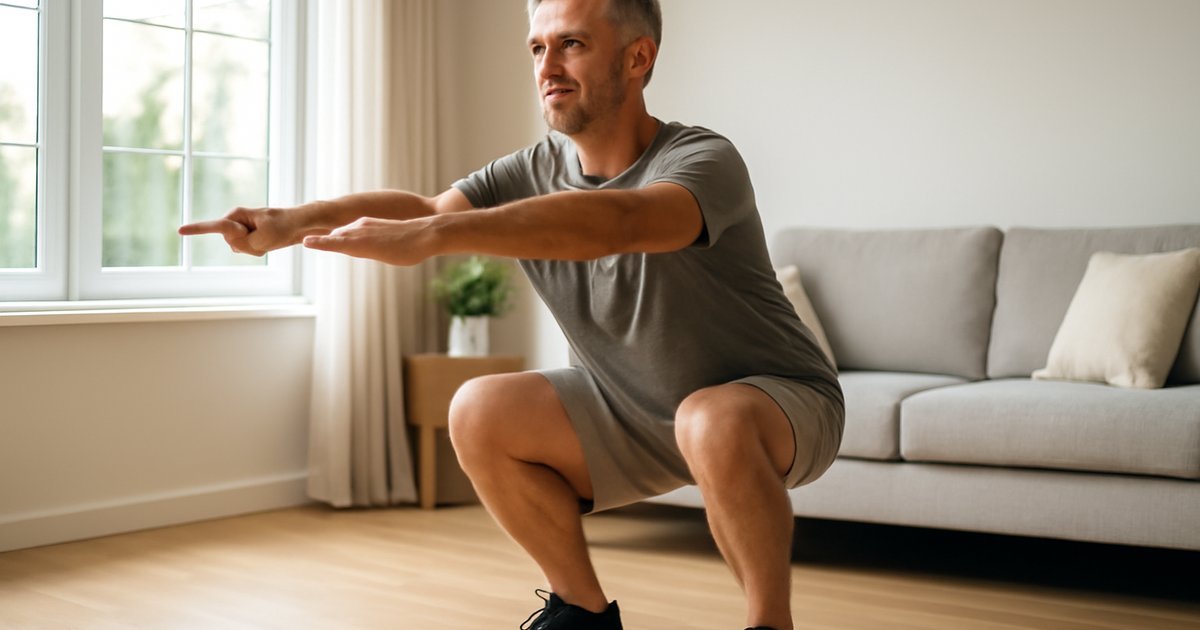
No gym required — your own body may be the most effective fitness tool you own.
Mark, 52, hadn’t set foot inside a gym in over a decade. Between long work hours, a tight budget, and two bad knees that made heavy lifting painful, traditional exercise felt out of reach. Then his doctor warned him that his blood pressure and fasting glucose were trending in the wrong direction. Something had to change.
His physical therapist suggested something surprisingly simple: bodyweight training. No machines, no barbells, no membership fees. Just controlled, purposeful movement using his own body as resistance. Within four months, Mark had lost 18 pounds, lowered his resting blood pressure, and was sleeping better than he had in years.
Stories like Mark’s are more common than you might think. According to the CDC, fewer than 25% of American adults meet the recommended guidelines for both aerobic and muscle-strengthening activity. Bodyweight training offers an accessible, evidence-backed solution — especially for adults aged 30 to 70 who need effective exercise without the barriers of equipment, cost, or high injury risk.
In this guide, you’ll learn what bodyweight training is, what the science says about its benefits, how to build a safe and effective routine, and when to check in with your doctor before starting.
What Is Bodyweight Training?
Bodyweight training is a form of resistance exercise in which you use your own body weight — rather than external weights or machines — as the primary source of resistance. Movements like squats, push-ups, lunges, planks, and mountain climbers fall into this category.
This type of exercise engages multiple muscle groups simultaneously, improves coordination, and can be scaled from beginner to advanced levels by adjusting leverage, tempo, and movement complexity.
The American College of Sports Medicine (ACSM) recognizes bodyweight training as a valid and effective form of resistance exercise — the kind that the U.S. Department of Health and Human Services recommends adults perform at least two days per week.
Despite its simplicity, bodyweight training is not just for beginners. Elite military units, professional athletes, and physical therapists use it as a cornerstone of functional fitness. For adults managing chronic conditions, recovering from injury, or just getting back into shape, it offers an entry point that is low-risk and immediately actionable.
Research published in the Journal of Human Kinetics found that an eight-week bodyweight resistance training program produced significant improvements in muscular endurance, body composition, and cardiovascular fitness in sedentary adults — results comparable to those seen in machine-based training programs.
Signs You May Be Ready — and Why This Matters
You don’t need to be sick to benefit from bodyweight training. But you do need to understand what your body is telling you. Here are some signals that suggest your current activity level may be falling short:
- You feel winded climbing two flights of stairs
- You struggle to rise from a chair without using your arms
- You experience frequent lower back or knee discomfort not related to injury
- Your energy levels are consistently low by mid-afternoon
- Your doctor has flagged pre-diabetes, early hypertension, or weight concerns
- You’ve noticed a loss of muscle tone or increased body fat over the past few years
These are not red flags requiring emergency care — they are warning signals that your musculoskeletal and cardiovascular systems would benefit from structured movement. The NIH reports that muscle mass naturally declines at a rate of 3 to 8 percent per decade after age 30, a condition called sarcopenia. Resistance training — including bodyweight exercise — is one of the most effective strategies for slowing this decline.
Advanced signs that should prompt medical evaluation before starting any new exercise program include chest pain with exertion, unexplained shortness of breath at rest, severe joint pain, or recent surgery. Always consult your physician if any of these apply.
Proven Health Benefits of Bodyweight Training
The evidence base for bodyweight training has grown substantially over the past decade. Here is what clinical research consistently shows:
Improved Muscle Strength and Endurance
A meta-analysis published in the European Journal of Sport Science confirmed that progressive bodyweight resistance training produces meaningful gains in muscular strength and endurance across all adult age groups — including adults over 60.
Better Cardiovascular Health
Circuit-style bodyweight workouts — where exercises are performed back to back with minimal rest — elevate heart rate into aerobic training zones. The American Heart Association notes that muscle-strengthening activities contribute to cardiovascular risk reduction, particularly when combined with regular aerobic movement.
Weight Management and Metabolic Health
Resistance training increases resting metabolic rate (the number of calories your body burns at rest) by preserving and building lean muscle tissue. Clinical evidence indicates that even modest increases in muscle mass can improve insulin sensitivity — a key factor in preventing and managing type 2 diabetes.
Improved Bone Density
Weight-bearing exercises create mechanical stress on bones, stimulating the cells (osteoblasts) responsible for bone formation. According to the National Osteoporosis Foundation, resistance training is one of the most effective non-pharmacological strategies for maintaining bone density in adults over 40.
Better Balance and Fall Prevention
Bodyweight training frequently requires single-leg movements, stability holds, and core engagement — all of which improve proprioception (your body’s awareness of its position in space). The CDC reports that falls are the leading cause of injury-related death among adults 65 and older, making balance training a genuine life-saving priority. For more on this topic, see our guide on Resistance Band Training: A Complete Guide for Adults.
Mental Health Benefits
Research suggests that regular resistance exercise reduces symptoms of anxiety and depression, improves sleep quality, and supports cognitive function. A 2021 review in JAMA Psychiatry found significant associations between strength training and reduced depressive symptoms in adults.
How to Get Started: Building Your Routine
One of the greatest advantages of bodyweight training is that it requires no special equipment and can be done virtually anywhere — your living room, a hotel room, a park, or your backyard.
Step 1: Start With a Movement Assessment
Before jumping into a program, assess how your body moves. Can you perform a bodyweight squat without pain? Can you hold a plank for 20 seconds? Can you complete a single push-up? These benchmarks help you identify your starting level and avoid injury from overloading unprepared muscles or joints.
Step 2: Choose a Frequency
For beginners, two to three sessions per week on non-consecutive days is appropriate. This allows for adequate recovery between sessions. More advanced practitioners may train four to five days per week using split routines that target different muscle groups on different days.
Step 3: Warm Up Every Session
Spend five to ten minutes warming up with dynamic movement — leg swings, arm circles, marching in place, and gentle torso rotations. This increases blood flow to muscles, improves joint lubrication, and reduces injury risk. Cold muscles under load are significantly more vulnerable to strains and tears.
Step 4: Learn the Foundational Movements
Most bodyweight training programs are built around six fundamental movement patterns:
- Squat pattern: Bodyweight squat, sumo squat, wall sit, split squat
- Hip hinge pattern: Glute bridge, single-leg deadlift, hip thrust
- Push pattern: Push-up (wall, incline, floor), dip
- Pull pattern: Inverted row, doorframe pull, resistance band rows if available
- Core stability: Plank, dead bug, bird dog, hollow hold
- Locomotion: Lunges, step-ups, bear crawls
Step 5: Apply Progressive Overload
Progressive overload — gradually increasing the demand placed on your muscles over time — is the foundational principle behind all effective resistance training. With bodyweight training, you progress by increasing repetitions, slowing down the tempo (especially on the lowering phase), reducing rest intervals, or advancing to more challenging movement variations. A push-up done with a three-second lowering phase is significantly harder than one done quickly.
For a complementary low-impact option to pair with your bodyweight routine, our article on Water Aerobics for Adults: Benefits, Tips & How to Start offers excellent guidance.
Sample Beginner Bodyweight Workout
This routine is designed for adults who are new to structured exercise or returning after a long break. Perform it two to three times per week with at least one rest day between sessions.
Warm-Up (5-7 minutes): March in place, leg swings, arm circles, gentle torso twists
Circuit (Repeat 2-3 rounds with 60 seconds rest between rounds):
- Wall push-ups or incline push-ups — 10 to 15 reps
- Bodyweight squats — 12 to 15 reps
- Glute bridges — 12 to 15 reps
- Standing marches (high knees) — 30 seconds
- Plank hold — 15 to 30 seconds
- Reverse lunges (alternating legs) — 8 to 10 reps each side
- Bird dog — 8 reps each side
Cool-Down (5 minutes): Gentle stretching targeting hips, hamstrings, chest, and shoulders.
This workout takes approximately 25 to 35 minutes. As you grow stronger over several weeks, increase repetitions, add rounds, or transition to harder variations — such as regular push-ups instead of wall push-ups, or single-leg glute bridges instead of two-legged versions.
Living With and Sticking to Bodyweight Training
Consistency is the variable that separates results from good intentions. Clinical evidence indicates that most adults need approximately eight to twelve weeks of regular training before significant strength and fitness improvements become measurable. This is normal — and worth understanding so you don’t quit before the benefits arrive.
Practical strategies to stay consistent:
- Schedule workouts as calendar appointments, not open-ended intentions
- Keep sessions to 30-40 minutes to reduce the mental barrier to starting
- Track your progress with a simple notebook or fitness app
- Find an accountability partner — even a virtual one
- Pair exercise with an enjoyable podcast or playlist
- Acknowledge every completed session as a win, regardless of performance
This varies from person to person, but most adults report that motivation follows action — meaning the motivation to exercise often comes after you start moving, not before. Building a habit of showing up, even on days when energy is low, is more important than any single workout.
If joint pain, fatigue, or other health factors make standard floor exercises challenging, you may find our guide on Chair Exercises for Seniors: Stay Active & Strong a helpful companion resource.
When to Call Your Doctor: Red Flags and Checkpoints
Bodyweight training is among the safest forms of exercise available, but there are situations that require medical attention before or during a training program.
Seek emergency care immediately if during or after exercise you experience:
- Chest pain, pressure, or tightness
- Severe shortness of breath disproportionate to the exercise intensity
- Dizziness, lightheadedness, or fainting
- Sudden severe joint pain or a pop/snap sensation in a joint
- Numbness or weakness in your arms or legs
Schedule a visit with your doctor if you:
- Have been sedentary for more than a year and are over 45
- Have a diagnosed cardiovascular condition, type 2 diabetes, or osteoporosis
- Are taking medications that affect heart rate or blood pressure
- Experience persistent joint pain that doesn’t improve after a few days of rest
- Notice unusual swelling, bruising, or skin changes in a limb after exercise
At your next routine visit, tell your physician you’re beginning or maintaining a bodyweight training program. Most physicians will be encouraging — and knowing you exercise regularly helps them make more accurate assessments of your overall health.
Frequently Asked Questions
Can bodyweight training build real muscle, or do I need weights?
Yes — research confirms that bodyweight training can stimulate meaningful muscle growth (hypertrophy) when progressive overload is applied. The key is continuously increasing the challenge over time through harder variations, slower tempos, or higher volume. That said, advanced exercisers may eventually benefit from adding external resistance to continue progressing.
How long before I see results from bodyweight training?
Most people notice improvements in energy, mood, and ease of movement within two to four weeks. Visible changes in muscle tone and body composition typically emerge between six and twelve weeks of consistent training. Strength gains often become measurable earlier, sometimes within the first three to four weeks, as the nervous system adapts.
Is bodyweight training safe if I have bad knees or a bad back?
Often, yes — but with modifications. Many bodyweight exercises can be adapted to reduce joint stress. For example, wall squats and seated leg raises place far less pressure on the knees than deep bodyweight squats. Always consult your physician or a physical therapist for personalized guidance if you have a diagnosed joint or spinal condition.
How many days a week should I do bodyweight training?
The U.S. Department of Health and Human Services recommends muscle-strengthening activities at least two days per week. Most adults benefit from two to four sessions weekly, with rest days between to allow muscle recovery. Overtraining without adequate rest can increase injury risk and impair progress.
Can bodyweight training help with weight loss?
Clinical evidence indicates that resistance training supports weight management primarily by preserving and building lean muscle mass, which increases your resting metabolic rate. Combined with a balanced, calorie-appropriate diet, bodyweight training can be an effective component of a weight management strategy — though diet quality remains the dominant factor in weight loss for most adults.
Conclusion
Bodyweight training is one of the most accessible, evidence-supported, and adaptable forms of exercise available to adults at any stage of life. Whether you’re 35 and looking to build foundational strength, 55 and managing early metabolic changes, or 68 and focused on maintaining independence and balance, this style of training offers something meaningful for you.
The science is clear: consistent resistance exercise protects your muscles, bones, heart, and mind. The barrier to entry couldn’t be lower — no gym, no equipment, no commute. Just intentional movement, progressive effort, and a commitment to showing up regularly.
Start where you are. Modify what you need to. And always loop in your healthcare provider to make sure your program aligns with your personal health history. The most effective workout is the one you actually do — and bodyweight training makes that easier than almost anything else.
Medical Disclaimer: This article is for informational and educational purposes only. It does not constitute medical advice, diagnosis, or treatment. Always consult your physician or a qualified healthcare provider before making changes to your health routine or treatment plan.
Medically reviewed by our editorial health team. Content follows evidence-based standards aligned with CDC and NIH guidelines.