
Tag: cardiovascular health

  • Jump Rope Training for Adults: Benefits, Tips & Workouts

    Jump Rope Training for Adults: Benefits, Tips & Workouts

    One of the most effective cardio tools you can own costs less than $20 — and most adults haven’t touched one since childhood.

    Think back to the last time you jumped rope. For most adults, it was probably on a school playground decades ago. But here’s what fitness researchers and sports medicine physicians have known for years: jump rope training is one of the most efficient, evidence-backed, and underutilized forms of cardiovascular exercise available to adults aged 30 and beyond.

    According to the American Heart Association, fewer than 25% of American adults meet both the aerobic and muscle-strengthening guidelines set by federal health authorities. Yet jump rope — a tool that fits in your gym bag and works in a 10-foot square — can address both in a single session.

    Whether you’re looking to improve your heart health, burn calories, sharpen coordination, or simply add variety to a stagnant fitness routine, jump rope training offers a compelling, low-cost solution. In this guide, you’ll learn exactly what the science says, how to start safely, what workouts work best for different fitness levels, and how to avoid the most common beginner mistakes.

    What Is Jump Rope Training?

    Jump rope training — also called skipping rope exercise or rope jumping — is a rhythmic, full-body cardiovascular workout that involves repeatedly jumping over a rotating rope. It’s been used for decades by boxers, military personnel, and elite athletes as a conditioning staple, and clinical evidence increasingly supports its value for everyday adults as well.

    Unlike many gym machines that isolate a single muscle group, jumping rope simultaneously engages your calves, quadriceps, hamstrings, glutes, shoulders, forearms, and core. It also demands significant coordination, timing, and neuromuscular control — meaning your brain gets a workout alongside your body.

    A 2020 study published in the Journal of Sports Sciences found that just 10 minutes of jump rope exercise produced similar cardiovascular benefits to 30 minutes of jogging in sedentary young adults — a finding that has significant implications for time-pressed adults looking to maximize workout efficiency.

    The activity is accessible to a wide range of fitness levels. Beginners can start with basic two-foot jumps at a slow pace, while more advanced practitioners can progress to double-unders, alternating foot jumps, or complex jump rope intervals. The barrier to entry is remarkably low — all you need is a rope, supportive footwear, and about six feet of vertical clearance.

    Health Benefits of Jump Rope Training for Adults

    The benefits of jumping rope extend well beyond burning calories. Clinical research and sports medicine literature point to several meaningful gains across cardiovascular, musculoskeletal, and cognitive domains.

    Cardiovascular Health

    Jump rope training is a vigorous-intensity aerobic activity, placing it in the same category as running, swimming laps, or cycling uphill. The CDC classifies vigorous aerobic activity as anything that raises your heart rate to 70–85% of your maximum. Research suggests that regular vigorous cardio at this level reduces the risk of heart disease, stroke, and type 2 diabetes significantly over time.

    A 2021 meta-analysis in the European Journal of Sport Science found that rope jumping interventions of 8–12 weeks improved VO₂ max (a key measure of cardiovascular fitness) by an average of 7–12% in previously sedentary adults — comparable to running-based programs.

    Bone Density and Joint Health

    According to the NIH Osteoporosis and Related Bone Diseases National Resource Center, impact-based exercise is one of the most effective ways to preserve and build bone mineral density. Jump rope training qualifies as a high-impact, bone-loading activity, making it particularly valuable for adults in their 40s and 50s who are approaching peak bone loss risk.

    Clinical evidence indicates that the repeated ground-force impact of jumping stimulates osteoblast activity — the cellular process responsible for new bone formation. This is why jumping exercises are frequently recommended by orthopedic specialists as a preventive strategy for osteoporosis in adults without pre-existing fractures.

    Coordination and Cognitive Function

    Jumping rope requires precise timing, bilateral coordination, and rhythm — all of which activate the cerebellum and prefrontal cortex. Research from the Mayo Clinic suggests that exercises demanding complex movement patterns may support cognitive reserve as we age, potentially reducing the risk of age-related cognitive decline.

    Caloric Expenditure and Weight Management

    Harvard Health Publishing estimates that a 155-pound adult burns approximately 372 calories during 30 minutes of vigorous rope jumping — more than cycling at a moderate pace or playing doubles tennis. This efficiency makes jump rope training especially attractive for adults managing their weight or working to reduce visceral fat (the metabolically active fat stored around internal organs).

    Mental Health and Mood

    Like all vigorous aerobic exercise, jump rope training triggers the release of endorphins, dopamine, and serotonin — neurotransmitters associated with mood elevation and stress reduction. The American Psychological Association recognizes regular aerobic exercise as a first-line complementary strategy for managing mild to moderate anxiety and depression, always alongside appropriate clinical treatment.

    Is Jump Rope Training Right for You? Risk Factors to Consider

    While jump rope training is safe for most healthy adults, it’s not universally appropriate without modification or medical clearance. This varies from person to person, and your individual health history matters.

    Who should consult a physician before starting:

    • Adults with a history of knee, ankle, or hip injuries or surgeries
    • Individuals with osteoporosis or stress fractures (high-impact exercise may be contraindicated)
    • Those with uncontrolled hypertension or a recent cardiac event
    • Pregnant individuals, particularly beyond the first trimester
    • Adults with plantar fasciitis or Achilles tendon issues
    • Individuals who are significantly deconditioned or new to any structured exercise

    If you have been sedentary for more than a year, most physicians recommend starting with lower-impact activities — such as interval walking or bodyweight training — before progressing to vigorous jump rope sessions.

    For adults with flat feet or high arches, proper footwear is essential. Cross-training shoes with lateral support and adequate cushioning significantly reduce injury risk when jumping rope regularly.

    How to Get Started: Equipment, Form, and Beginner Technique

    One of the most common reasons adults quit jump rope training is poor technique early on. Fortunately, the fundamentals are straightforward once you understand them.

    Choosing the Right Rope

    Rope length matters more than most beginners realize. To size your rope correctly: stand on the center of the rope and pull the handles up — they should reach your armpits. A rope that’s too long creates slack and tangling; one that’s too short doesn’t give you enough clearance.

    • Beaded ropes: Durable, maintain shape in the air, good for beginners
    • PVC speed ropes: Lightweight and fast, better for intermediate to advanced users
    • Weighted ropes: Add resistance for upper body conditioning, good for adults focused on strength
    • Cable ropes: Used for maximum speed, not recommended for beginners

    Proper Form Fundamentals

    • Hold handles lightly — gripping too tight tires your forearms quickly
    • Keep your elbows close to your sides and rotate the rope from your wrists, not your shoulders
    • Jump only an inch or two off the ground — you do not need to jump high
    • Land softly on the balls of your feet, not your heels
    • Keep a slight bend in your knees throughout
    • Maintain an upright posture — avoid hunching your shoulders forward
    • Look straight ahead, not down at the rope

    The Learning Curve Is Normal

    Most adults need 2–3 sessions before they can sustain continuous jumping for more than 30 seconds. This is completely normal. Research suggests that motor learning for rhythmic skills like rope jumping typically takes 6–10 practice sessions to feel coordinated. Start with sets of 20–30 jumps and rest as needed.

    Jump Rope Workouts by Fitness Level

    The following sample workouts are designed to help you progress safely. Always begin with a 3–5 minute dynamic warm-up (leg swings, arm circles, light marching) before any jump rope session.

    Beginner Workout (Weeks 1–4)

    Goal: Build rhythm, coordination, and baseline cardiovascular endurance.

    • Jump 30 seconds → Rest 60 seconds
    • Repeat 5–8 rounds
    • Total active jumping time: 2.5–4 minutes
    • Frequency: 3 days per week

    Focus exclusively on two-foot basic jumps at a comfortable pace. Do not rush progression.

    Intermediate Workout (Weeks 5–10)

    Goal: Build cardiovascular capacity and introduce variety.

    • Basic jumps: 45 seconds → Rest 30 seconds
    • Alternating foot jumps: 45 seconds → Rest 30 seconds
    • High knees with rope: 30 seconds → Rest 45 seconds
    • Repeat circuit 3–4 times
    • Frequency: 3–4 days per week

    Advanced Interval Workout (Ongoing)

    This structure mirrors circuit training principles for maximum cardiovascular benefit.

    • Fast double-under attempts: 20 seconds
    • Recovery (slow basic jumps): 40 seconds
    • High-speed single jumps: 30 seconds
    • Rest: 30 seconds
    • Repeat 6–8 rounds
    • Total session: 15–20 minutes
    • Frequency: 4 days per week

    Always finish any jump rope session with 5 minutes of static stretching, focusing on the calves, hip flexors, and shoulders.

    Jump Rope Training for Specific Health Goals

    For Heart Health

    The American Heart Association recommends at least 150 minutes of moderate-intensity or 75 minutes of vigorous-intensity aerobic activity per week. Three 25-minute jump rope sessions per week at vigorous intensity satisfies the vigorous-activity guideline entirely. Clinical evidence indicates that meeting this threshold is associated with a 35% reduction in cardiovascular disease risk over time.

    For Weight Management

    Jump rope’s high caloric burn rate makes it an efficient tool for creating the caloric deficit needed for weight loss. Research suggests that consistent vigorous cardio combined with resistance training produces better body composition outcomes than either modality alone. Consider pairing jump rope sessions with strength training 2–3 times per week for optimal results.

    For Blood Sugar Management

    Vigorous aerobic exercise improves insulin sensitivity — the ability of your cells to respond to insulin and absorb glucose from the bloodstream. According to the American Diabetes Association, regular vigorous aerobic activity is associated with meaningful reductions in HbA1c (a three-month average blood sugar marker) in adults with type 2 diabetes. Always consult your physician about exercise timing relative to meals and medications if you manage diabetes.

    For Bone Health

    Adults over 40 lose an estimated 1% of bone density per year without intervention. The NIH notes that weight-bearing, impact exercise like jump rope training is one of the most evidence-supported strategies for slowing this decline. Two to three jump rope sessions per week, combined with adequate calcium and vitamin D intake, represents a clinically meaningful prevention strategy.

    Common Mistakes and How to Avoid Them

    • Jumping too high: Wastes energy and increases impact stress on knees. Keep jumps small and controlled.
    • Using your arms to swing the rope: The rope should rotate from the wrists, not the shoulders. Arm fatigue is a sign of incorrect mechanics.
    • Wearing the wrong shoes: Running shoes with thick heel cushioning can interfere with proper landing mechanics. Cross-trainers or court shoes work best.
    • Skipping rest intervals: Rest periods are not optional — they allow your cardiovascular system to recover and reduce injury risk, particularly in the early weeks.
    • Progressing too fast: Most overuse injuries in jump rope training (shin splints, Achilles strain, stress fractures) result from increasing intensity or duration too quickly. Follow a gradual progression plan.
    • Jumping on hard surfaces without cushioning: Concrete and tile floors significantly increase joint stress. A rubberized gym mat, wooden floor, or grass surface is preferable.

    When to Call Your Doctor or Seek Emergency Care

    Most discomfort from jump rope training is normal delayed-onset muscle soreness (DOMS) — a dull ache that peaks 24–48 hours after exercise and resolves within 72 hours. However, certain symptoms require prompt medical attention.

    Contact your doctor if you experience:

    • Persistent knee, ankle, or shin pain that doesn’t resolve after 3–5 days of rest
    • Sharp, localized bone pain (which may indicate a stress fracture)
    • Swelling or bruising around a joint after training
    • Unusual shortness of breath that is disproportionate to your exertion level
    • Heart palpitations or an irregular heartbeat during or after exercise
    • Dizziness, lightheadedness, or near-fainting during a session

    Call 911 or go to the emergency room immediately if you experience:

    • Chest pain, chest tightness, or pressure during exercise
    • Sudden, severe shortness of breath at rest or with minimal exertion
    • Loss of consciousness or fainting during a workout
    • Sudden, severe joint pain suggesting possible fracture or dislocation

    At your next routine appointment, tell your doctor you’ve started jump rope training. Mention your current fitness level, any joint concerns, and your weekly training volume. This context helps your physician offer personalized guidance.

    Frequently Asked Questions

    Is jump rope training safe for adults over 50?

    For most adults over 50 who are in reasonable cardiovascular health and have no significant joint issues, jump rope training is safe when started gradually and with proper form. Clinical evidence supports high-impact exercise for bone density preservation in this age group. However, adults over 50 with osteoporosis, a history of fractures, or orthopedic conditions should consult their physician before beginning.

    How many days per week should I jump rope?

    Most exercise physiologists recommend starting with 3 days per week, with at least one rest day between sessions. As fitness improves over 4–6 weeks, you may progress to 4–5 days per week. Rest and recovery days are essential to prevent overuse injuries, particularly in the lower legs and feet.

    Can jump rope training help me lose weight?

    Research suggests that vigorous aerobic exercise like jump rope training can meaningfully support weight management goals when combined with appropriate dietary habits. However, exercise alone rarely produces significant weight loss without attention to caloric intake. Most physicians and registered dietitians recommend a combined approach of regular vigorous exercise and modest, sustainable caloric reduction for adults pursuing weight loss.

    Is jump rope bad for your knees?

    When performed with proper technique — landing softly on the balls of your feet with a slight knee bend — jump rope training places less cumulative impact stress on the knees than running at comparable intensity levels. However, adults with pre-existing knee conditions such as osteoarthritis or prior ACL injuries should seek clearance from their orthopedic physician before beginning a jump rope program.

    Do I need to jump rope for a long time to see benefits?

    No. Clinical evidence indicates that even 10–15 minutes of vigorous rope jumping performed consistently 3–4 times per week produces measurable cardiovascular and metabolic improvements over 8–12 weeks. Consistency over time matters far more than the duration of any single session, particularly for beginners building their base fitness.

    Conclusion

    Jump rope training is one of the most efficient, evidence-supported, and accessible forms of cardiovascular exercise available to adults at any fitness level. It improves heart health, supports bone density, burns significant calories, enhances coordination, and can be done virtually anywhere in as little as 10–15 minutes per session.

    Like any new exercise program, the key is starting conservatively, prioritizing proper form, and progressing gradually over weeks and months rather than days. Your body will adapt — and the research suggests the health rewards are well worth the initial learning curve.

    If you’re unsure whether jump rope training is appropriate for your individual health situation, bring it up at your next physician visit. A few minutes of conversation with your doctor can set you on the right path — and give you the confidence to pick up that rope and start moving.


    Medical Disclaimer: This article is for informational and educational purposes only. It does not constitute medical advice, diagnosis, or treatment. Always consult your physician or a qualified healthcare provider before making changes to your health routine or treatment plan.

    Medically reviewed by our editorial health team. Content follows evidence-based standards aligned with CDC and NIH guidelines.


  • Swimming for Fitness: Benefits, Tips & Getting Started

    Swimming for Fitness: Benefits, Tips & Getting Started

    Swimming is one of the most complete forms of exercise available — and one of the most underused by adults who need it most.

    Introduction

    Mark, 54, had spent years dealing with chronic knee pain that made running feel impossible and even brisk walking uncomfortable. His cardiologist wanted him moving more, but every workout he tried left him wincing. Then a physical therapist suggested swimming — and within eight weeks, Mark had dropped 11 pounds, his resting heart rate had improved, and his knee pain was manageable for the first time in years.

    Mark’s story is far from unusual. According to the CDC, swimming is the fourth most popular recreational activity in the United States, yet millions of adults overlook it as a structured fitness strategy. That’s a missed opportunity — because swimming for fitness delivers cardiovascular, musculoskeletal, and mental health benefits that few land-based exercises can match.

    In this guide, you’ll learn exactly what makes swimming so effective, how to get started safely, what the research says about its health benefits, and how to build a swim routine that works for your body and your goals.

    What Is Swimming as a Fitness Activity?

    When we talk about swimming for fitness, we mean structured aquatic exercise performed at a level of intensity that meaningfully challenges your cardiovascular system, muscles, and endurance. This goes beyond a casual splash in the pool — it includes lap swimming, water aerobics, interval training in the water, and structured stroke-based workouts.

    Swimming is what exercise physiologists call a “full-body, low-impact, aerobic activity.” That means it engages nearly every major muscle group simultaneously — arms, legs, core, back, shoulders — while the buoyancy of water dramatically reduces the stress placed on your joints.

    According to the American College of Sports Medicine, water-based exercise qualifies as moderate-to-vigorous aerobic activity, fully meeting the physical activity guidelines set by the U.S. Department of Health and Human Services, which recommend at least 150 minutes of moderate aerobic activity per week for adults.

    In the United States, an estimated 27 million adults swim regularly for exercise, according to data from the Sports & Fitness Industry Association. Yet many more could benefit — especially adults managing joint pain, cardiovascular conditions, obesity, or age-related loss of muscle and flexibility.

    Health Benefits of Swimming: What the Evidence Shows

    Swimming is not just a feel-good workout. Clinical research has consistently linked regular swimming to measurable improvements across multiple health markers.

    Cardiovascular Health

    A landmark study published in the International Journal of Aquatic Research and Education found that swimmers had a 41% lower risk of all-cause mortality and a 37% lower risk of cardiovascular disease mortality compared to sedentary individuals. Research suggests that swimming improves heart function, reduces resting heart rate, lowers blood pressure, and improves circulation — outcomes comparable to running, without the joint stress.

    The American Heart Association recognizes swimming as a heart-healthy aerobic activity, particularly valuable for adults who are unable to tolerate high-impact exercise due to arthritis, obesity, or musculoskeletal injury.

    Muscle Strength and Tone

    Water is approximately 800 times denser than air. That density creates natural resistance against every movement you make in the pool, meaning your muscles work harder with every stroke, kick, and turn. Clinical evidence indicates that regular lap swimming builds muscular endurance and functional strength in the upper body, core, and lower extremities — without requiring weights or resistance machines.

    Weight Management

    Swimming burns a substantial number of calories. A 155-pound person burns approximately 400–500 calories per hour of moderate freestyle swimming, according to estimates from Harvard Health. More vigorous strokes like butterfly or competitive lap intervals can push that figure higher. Research also suggests that swimming may support appetite regulation differently than land-based exercise, though individual responses vary.

    Joint and Arthritis Relief

    The Arthritis Foundation has long promoted aquatic exercise as one of the safest, most effective forms of physical activity for people with osteoarthritis or rheumatoid arthritis. The buoyancy of water reduces the effective weight on your joints by up to 90%, allowing range of motion and muscle engagement without the pain triggered by weight-bearing activity. If joint health is a concern, you may also want to review our guide on Low-Impact Exercise for Joint Health for complementary strategies.

    Mental Health and Stress Reduction

    A growing body of research supports what regular swimmers have long known: being in the water feels good. A 2024 review published in the International Journal of Environmental Research and Public Health found that aquatic exercise significantly reduced symptoms of anxiety and depression in adults across multiple age groups. The rhythmic, meditative quality of lap swimming — breath control, stroke repetition, sensory immersion — may activate the parasympathetic nervous system, promoting relaxation and focus. For more on how exercise supports mental health, see our article on Exercise for Mental Health: Your Guide to Well-being.

    Common Swimming Strokes and What They Target

    Different swim strokes offer different fitness benefits. Understanding this helps you build a more purposeful workout.

    • Freestyle (Front Crawl): The most efficient stroke for cardiovascular conditioning and calorie burn. Primarily works the shoulders, triceps, lats, and core. Ideal for endurance training.
    • Backstroke: Gentler on the neck and shoulders, great for posture and upper back strengthening. Easier for beginners to learn breathing rhythm.
    • Breaststroke: A slower, more deliberate stroke that emphasizes the chest, inner thighs, and hip flexors. Often recommended for older adults or those with shoulder injuries.
    • Butterfly: The most demanding stroke — high calorie burn, intense core and upper body engagement. Best for experienced swimmers seeking intensity.
    • Water Aerobics / Aqua Jogging: Non-lap aquatic exercise performed in shallow or deep water. Excellent for those new to the pool or recovering from injury. Research suggests it provides cardiovascular and muscular benefits comparable to land-based aerobics.

    Getting Started: A Safe and Practical Plan

    If you haven’t swum regularly in years — or ever — starting gradually is key. Most physicians and certified aquatic fitness specialists recommend the following approach.

    Before You Begin

    Talk to your doctor first, especially if you have a cardiovascular condition, uncontrolled blood pressure, epilepsy, or a recent surgery. Swimming is generally very safe, but your provider may have specific recommendations based on your health history.

    Week 1–2: Orientation

    Start with two sessions per week, 20–25 minutes each. Alternate lengths with rest. Focus on feeling comfortable in the water and on basic breathing technique rather than speed or distance. If lap swimming feels daunting, water aerobics classes are an excellent and social entry point.

    Week 3–4: Building Consistency

    Move to three sessions per week, 25–30 minutes. Begin alternating between freestyle and breaststroke to work different muscle groups. Introduce a brief warm-up (2 easy laps) and cool-down (2 easy laps) around your main set.

    Month 2 and Beyond: Progressive Overload

    Clinical evidence indicates that progressive overload — gradually increasing the duration, distance, or intensity of your sessions — is the key driver of continued improvement. Aim for 3–4 sessions per week, 30–45 minutes each. You can introduce simple interval sets, such as swimming one length fast, one length easy, and repeating.

    Many community pools, YMCAs, and fitness centers across the U.S. offer structured adult swim programs and water aerobics classes that provide built-in progression and coaching support.

    Swimming and Specific Health Conditions

    Swimming has demonstrated particular value for adults managing the following conditions:

    • Type 2 Diabetes: The American Diabetes Association notes that aerobic exercise like swimming helps improve insulin sensitivity and blood glucose control. A 30-minute swim session can meaningfully lower blood sugar levels for hours afterward — though monitoring is essential for those on insulin or certain medications.
    • Hypertension (High Blood Pressure): Research published in the American Journal of Hypertension found that adults with prehypertension or mild hypertension who swam regularly for 12 weeks experienced significant reductions in systolic blood pressure.
    • Osteoporosis: While swimming is excellent for muscle and cardiovascular health, it is not a weight-bearing exercise and therefore provides less direct benefit for bone density than walking or resistance training. Most physicians recommend combining swimming with weight-bearing activities for complete bone health. You can learn more in our article on Exercise for Strong Bones: Preventing Osteoporosis.
    • Chronic Back Pain: The low-impact nature of swimming makes it one of the most commonly recommended forms of exercise for adults with lumbar pain. The water supports the spine while allowing movement and strengthening of the core and postural muscles.
    • Asthma: Clinical evidence suggests that swimming may actually be beneficial for people with exercise-induced asthma, as the warm, humid air above the water is less likely to trigger bronchospasm than cold, dry air during outdoor running. Always discuss exercise plans with your pulmonologist if you have asthma.

    Common Mistakes to Avoid

    Even committed swimmers can undermine their progress with avoidable errors.

    • Skipping warm-up and cool-down: Cold muscles are more injury-prone. Begin and end each session with easy, slow laps.
    • Ignoring stroke technique: Poor technique reduces efficiency and increases shoulder and neck strain. If you’re serious about swimming for fitness, even one session with a certified swim coach can dramatically improve your form and comfort.
    • Not hydrating: You sweat in the pool — you just don’t feel it. Dehydration during aquatic exercise is common and often underestimated. Drink water before and after every session.
    • Overtraining early: It’s easy to feel so good in the water that you overdo it in your first weeks. Muscle soreness — especially in the rotator cuff — is common in new swimmers who progress too fast.
    • Relying solely on swimming for bone health: As noted above, pair swimming with weight-bearing or resistance exercise for complete musculoskeletal health.

    When to Call Your Doctor or Seek Immediate Help

    Swimming is exceptionally safe for most adults, but there are situations where you should pause your workout and seek medical evaluation.

    Stop exercising and call 911 or go to the ER immediately if you experience:

    • Chest pain, pressure, or tightness during or after swimming
    • Sudden shortness of breath that does not resolve with rest
    • Dizziness, fainting, or near-fainting
    • Rapid or irregular heartbeat that does not calm down quickly
    • Sudden weakness or numbness in an arm or leg

    Schedule a prompt appointment with your doctor if you notice:

    • Persistent shoulder, neck, or knee pain that worsens with swimming
    • Ear pain, discharge, or hearing changes (swimmer’s ear is common and treatable)
    • Skin rashes or eye irritation that don’t resolve (possible pool chemical sensitivity)
    • Unusual fatigue or breathlessness at exertion levels that previously felt manageable

    Frequently Asked Questions

    How many times per week should I swim for meaningful health benefits?
    Most physicians and exercise physiologists recommend at least three sessions per week of moderate-intensity swimming (25–45 minutes each) to meet the 150-minute-per-week aerobic activity guideline. This varies from person to person based on starting fitness level and health goals.

    Is swimming better than walking for weight loss?
    Both are excellent. Swimming generally burns more calories per hour than walking at a moderate pace, and it builds upper body muscle that walking does not. However, walking is weight-bearing and has advantages for bone density. Many health experts recommend combining both for optimal outcomes. For more on walking benefits, see our Walking for Weight Loss guide.

    Can swimming help reduce blood pressure?
    Research suggests yes. Regular aerobic swimming has been shown to lower systolic blood pressure in adults with prehypertension. However, it should complement — not replace — medications or other treatments prescribed by your physician.

    I haven’t swum since high school. Is it too late to start?
    Absolutely not. Adults in their 50s, 60s, and 70s regularly take up swimming for the first time as a fitness activity. Many community pools offer adult beginner swim lessons specifically designed for this group. Skills come back faster than most people expect.

    Is chlorinated pool water safe for regular swimmers?
    For most adults, yes. The FDA and CDC consider properly maintained chlorinated pools safe for regular use. Protective goggles can reduce eye irritation. Those with chlorine sensitivity may consider saltwater pools, which use lower chlorine levels. Discuss any concerns with your physician, particularly if you have respiratory sensitivities.

    Conclusion

    Swimming offers something rare in the fitness world: a workout that is simultaneously demanding and gentle, effective and accessible, suitable for a 35-year-old athlete and a 68-year-old with two replaced knees. The evidence is clear — regular swimming improves cardiovascular health, builds functional strength, supports weight management, reduces joint pain, and even benefits mental well-being.

    Getting started doesn’t require elite skill or expensive equipment. It requires a pool, a commitment to consistency, and a conversation with your healthcare provider to make sure your plan fits your individual health picture.

    You don’t have to be a competitive swimmer to get competitive health results. You just have to get in the water.


    Medical Disclaimer: This article is for informational and educational purposes only. It does not constitute medical advice, diagnosis, or treatment. Always consult your physician or a qualified healthcare provider before making changes to your health routine or treatment plan.

    Medically reviewed by our editorial health team. Content follows evidence-based standards aligned with CDC and NIH guidelines.
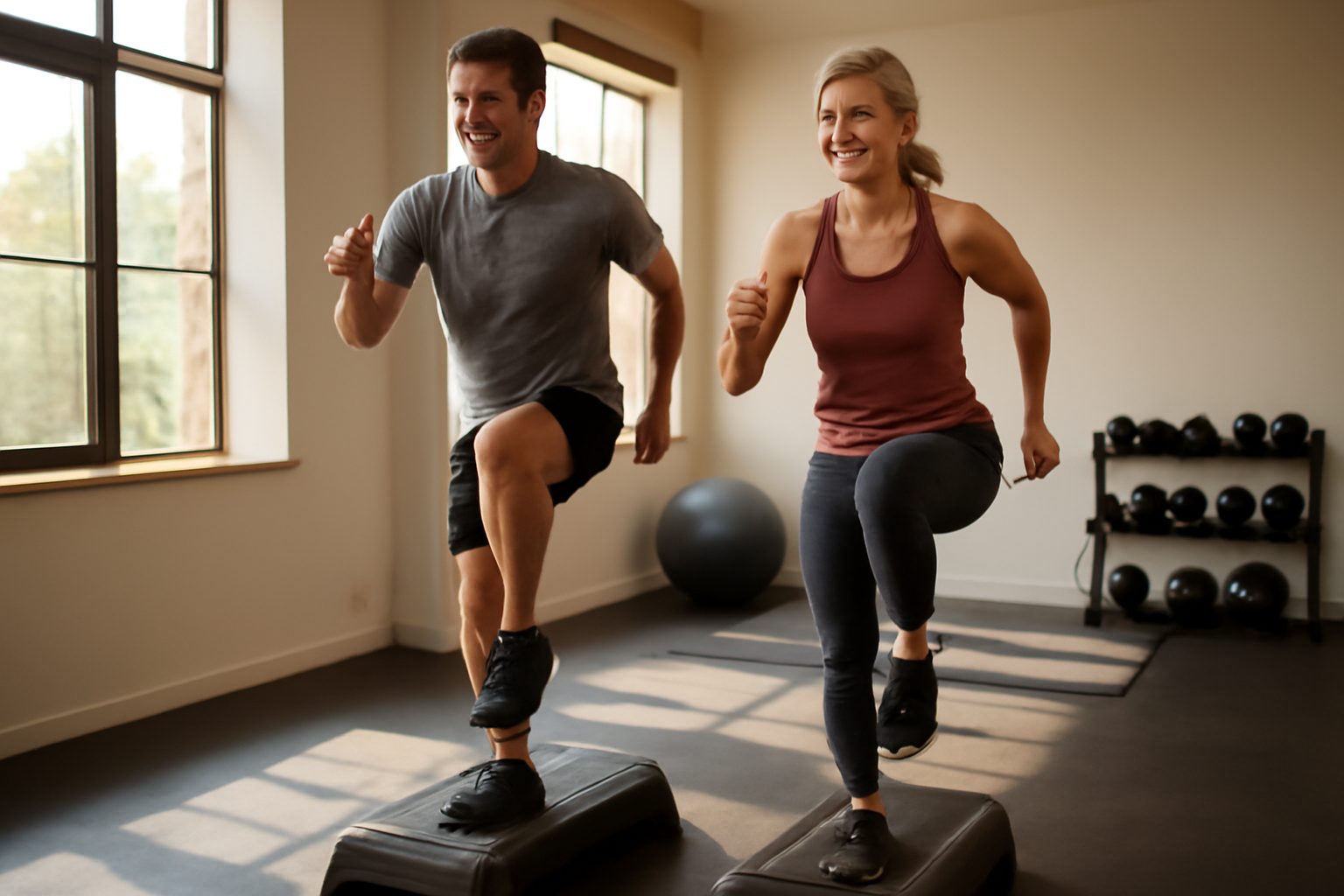
  • Endurance Training: Your Guide to Health & Longevity

    Endurance Training: Your Guide to Health & Longevity

    Unlock sustained energy, a stronger heart, and improved well-being with consistent endurance training.

    Sarah, 58, found herself increasingly winded during her morning walks. What was once a refreshing stroll became a struggle, leaving her feeling frustrated and less energetic throughout the day. She wondered if this was just a normal part of aging or if there was something she could do to regain her stamina.

    Her experience is not uncommon. Many adults, particularly those over 40, notice a gradual decline in their physical endurance, impacting everything from daily tasks to enjoying hobbies. According to recent data from the CDC, only about 20% of American adults consistently meet the recommended physical activity guidelines for both aerobic and strength activities.

    This comprehensive guide will walk you through the world of endurance training, explaining what it is, why it’s crucial for your health and longevity, and how you can safely incorporate it into your routine. You’ll learn about different types of training, how to assess your current fitness level, and when it’s essential to consult your doctor. Prepare to reclaim your energy and vitality.

    What Is Endurance Training?

    Endurance training, often referred to as aerobic exercise, is any physical activity that increases your heart rate and breathing for a sustained period. It’s about your body’s ability to continue performing a physical task without excessive fatigue. This type of training primarily targets your cardiovascular and respiratory systems, enhancing their efficiency.

    Think of it as training your heart, lungs, and blood vessels to deliver oxygen and nutrients more effectively to your working muscles. This improved efficiency allows you to sustain activities longer, whether it’s climbing stairs, hiking, or playing with grandchildren.

    This form of exercise is distinct from strength training, which focuses on muscle power, or flexibility training, which improves range of motion. While all are important, endurance training is the cornerstone for overall cardiovascular health and stamina. As mentioned, only about 20% of American adults meet the recommended physical activity guidelines, highlighting a significant opportunity for many to boost their endurance.

    Why Is Endurance Important for Adults?

    Maintaining good endurance offers a wealth of benefits that directly contribute to a higher quality of life and reduced risk of chronic diseases as you age. It’s not just about running a marathon; it’s about having the energy for everyday activities and thriving.

    Cardiovascular Health: Endurance training strengthens your heart muscle, allowing it to pump blood more efficiently. This can lead to a lower resting heart rate, reduced blood pressure, and improved cholesterol levels. The American Heart Association (AHA) consistently highlights aerobic exercise as a key factor in preventing heart disease, the leading cause of death in the United States.

    Improved Lung Function: Regular aerobic activity enhances your lung capacity and efficiency, meaning your body can take in and utilize oxygen more effectively. This translates to less shortness of breath during exertion.

    Enhanced Energy Levels: Contrary to what you might think, exercising when you’re tired can actually boost your energy. Consistent endurance training improves your stamina, making you less fatigued throughout the day and better able to handle physical and mental stressors.

    Better Sleep Quality: Engaging in moderate endurance exercise can help regulate your sleep patterns, leading to deeper, more restorative sleep. However, avoid intense exercise too close to bedtime.

    Cognitive Benefits: Research suggests a strong link between physical activity and brain health. Endurance training can improve blood flow to the brain, which may enhance memory, focus, and overall cognitive function. A landmark study published in the Journal of the American Medical Association (JAMA) once highlighted a strong inverse relationship between cardiorespiratory fitness and all-cause mortality, underscoring its critical role in longevity.

    Weight Management: Aerobic exercise burns calories and can help maintain a healthy weight, which in turn reduces the risk of obesity-related conditions like Type 2 diabetes and certain cancers.

    The specific benefits you experience can vary based on your starting fitness level, consistency, and genetic predisposition. Nevertheless, the overarching impact on health is universally positive.

    Factors Influencing Your Endurance

    Your ability to sustain physical activity is a complex interplay of various factors. Understanding these can help you tailor your training and set realistic expectations.

    Age: It’s a natural physiological process for endurance to decline with age. Maximal oxygen uptake (VO2 max), a key measure of aerobic endurance, typically decreases. However, research from the National Institutes of Health (NIH) has shown that while VO2 max declines by about 10% per decade after the age of 30, consistent training can significantly slow this rate, sometimes by as much as 50%.

    Genetics: Your genetic makeup plays a role in your inherent athletic potential and how your body responds to training. Some individuals are naturally predisposed to higher endurance levels.

    Lifestyle: A sedentary lifestyle is perhaps the most significant detrimental factor. Lack of regular physical activity directly leads to deconditioning of your cardiovascular and muscular systems. Conversely, an active lifestyle builds and maintains endurance.

    Underlying Health Conditions: Chronic conditions such as heart disease, diabetes, asthma, or anemia can directly impact your endurance. Managing these conditions effectively with your doctor’s guidance is crucial for improving your exercise capacity.

    Nutrition and Hydration: Your body needs adequate fuel (carbohydrates, healthy fats, protein) and water to perform and recover. Dehydration can significantly impair performance and lead to fatigue.

    Sleep Quality: Insufficient or poor-quality sleep hinders your body’s ability to repair and adapt to exercise, directly affecting your energy levels and endurance during your next workout.

    Environmental Factors: Altitude, temperature, and humidity can all affect your body’s ability to perform. Exercising in extreme conditions requires extra caution and adaptation.

    While some factors like genetics and age are largely fixed, many others, particularly lifestyle choices, are within your control and offer significant opportunities for improvement.

    Assessing Your Current Endurance Levels

    Before you embark on an endurance training program, it’s beneficial to have an idea of your current fitness level. This helps in setting appropriate goals, tracking progress, and ensuring safety. Remember, always consult your doctor before starting any new exercise regimen, especially if you have pre-existing health conditions or are over 40 and have been largely inactive.

    Self-Assessments:

    • The Talk Test: This simple test helps gauge exercise intensity. If you can comfortably talk but can’t sing during exercise, you’re likely at a moderate intensity. If you can only say a few words at a time, you’re at a vigorous intensity. If you can sing, you might need to pick up the pace.
    • Walking Tests: Timed walking tests, such as seeing how far you can walk in 6 or 12 minutes on a flat surface, can provide a baseline for your cardiovascular fitness.
    • One-Mile Walk Test: Walk one mile as quickly as possible without running. Record your time and heart rate immediately afterward. This data can be compared to normative values to estimate your fitness level.

    Professional Assessments:

    • VO2 Max Testing: This is the gold standard for measuring aerobic capacity. Performed in a lab setting, it involves exercising on a treadmill or bike while your oxygen consumption and carbon dioxide production are measured.
    • Stress Tests: Often performed in a doctor’s office or clinic, a stress test monitors your heart’s response to physical exertion, typically on a treadmill. It helps identify any underlying heart conditions that might limit your exercise capacity. The American College of Sports Medicine (ACSM) provides guidelines for fitness assessments, emphasizing that initial evaluations should be tailored to an individual’s health status and fitness goals.

    When seeking professional assessment, your doctor will consider your medical history, current health status, and fitness goals to recommend the most appropriate tests.

    Types of Endurance Training for All Levels

    The beauty of endurance training is its versatility. There’s an activity for almost everyone, regardless of age, fitness level, or physical limitations. The key is to find activities you enjoy and can sustain consistently.

    Low-Impact Aerobics: These activities minimize stress on your joints while still providing excellent cardiovascular benefits. They are ideal for beginners, individuals with joint pain, or those recovering from injuries.

    • Walking: Accessible to nearly everyone, walking is a fantastic way to build endurance. Start with short, brisk walks and gradually increase duration and speed.
    • Swimming: A full-body workout that’s incredibly gentle on the joints. Water provides resistance, strengthening muscles while improving cardiovascular health.
    • Cycling (Indoor or Outdoor): Whether on a stationary bike or cruising outdoors, cycling is an effective way to elevate your heart rate without high impact.
    • Elliptical Training: Mimics running but keeps your feet in contact with the pedals, reducing impact on knees and hips. For more on joint-friendly options, see our guide on Low-Impact Exercise for Joint Health.

    Moderate-Impact Activities: These involve a bit more impact but are generally safe and effective for individuals without significant joint issues.

    • Jogging/Running: If your joints allow, jogging is a highly efficient way to build cardiovascular endurance. Start with a run/walk program and gradually increase your running segments.
    • Dancing: From Zumba to ballroom, dancing is a fun way to get your heart rate up, improve coordination, and boost mood.
    • Hiking: Offers varied terrain and scenery, making it an engaging way to build endurance and strength, especially if you encounter inclines.

    Interval Training: This involves alternating between short bursts of high-intensity activity and periods of lower-intensity recovery. It’s highly effective for improving both aerobic and anaerobic fitness.

    • High-Intensity Interval Training (HIIT): Short, intense bursts followed by brief recovery periods. HIIT can be very time-efficient. For adults over 40, adaptations are often necessary to ensure safety and effectiveness; learn more in our guide on HIIT Workouts for Adults Over 40.
    • Low-Intensity Steady State (LISS): Longer periods of sustained, moderate-intensity exercise, such as a long walk or bike ride. This is often the foundation for building aerobic base.

    The Department of Health and Human Services’ Physical Activity Guidelines for Americans recommends at least 150 minutes of moderate-intensity or 75 minutes of vigorous-intensity aerobic activity per week for substantial health benefits. You can mix and match these types of training to keep your routine engaging and effective.

    Building and Maintaining Endurance Long-Term

    Building endurance isn’t a one-time event; it’s a gradual process that requires consistency, smart progression, and attention to your body’s needs. Here’s how to integrate endurance training into your life for lasting benefits:

    Start Slowly and Progress Gradually: This is perhaps the most critical principle. If you’re new to exercise or returning after a break, begin with short durations (10-15 minutes) at a moderate intensity. Over weeks and months, gradually increase the duration, then the intensity. A common guideline is to increase your total weekly exercise time by no more than 10% each week.

    Consistency is Key: Aim for 3-5 days of endurance training per week. Regularity trumps sporadic, intense workouts. Even short, consistent sessions are more effective than infrequent long ones.

    Listen to Your Body: Pay attention to signs of overtraining, such as persistent fatigue, decreased performance, increased irritability, or frequent illness. Rest days are crucial for muscle repair and adaptation. Some discomfort is normal, but pain is a warning sign.

    Incorporate Cross-Training: Varying your activities not only prevents boredom but also works different muscle groups and reduces the risk of overuse injuries. Complement your endurance work with strength training (2-3 times per week) and flexibility exercises. This holistic approach supports overall fitness.

    Fuel Your Body: Proper nutrition is vital. Ensure a balanced intake of carbohydrates for energy, protein for muscle repair, and healthy fats. Stay well-hydrated before, during, and after exercise. Longitudinal studies, such as those conducted by Harvard Health, have repeatedly demonstrated that consistent physical activity throughout adulthood is a strong predictor of healthy aging and reduced disease burden.

    Prioritize Sleep and Recovery: Adequate sleep (7-9 hours for most adults) is when your body repairs and rebuilds. Incorporate active recovery days (light activities like walking or stretching) and ensure you’re getting enough rest. For more on optimizing your recovery, refer to our guide on Exercise Recovery.

    Set Realistic Goals: Whether it’s walking a certain distance or improving your time, having clear, achievable goals can provide motivation and a sense of accomplishment.

    Find a Buddy or Group: Exercising with others can provide accountability and make the activity more enjoyable.

    Building endurance is a journey, not a destination. Celebrate small victories and stay committed to your long-term health.

    When to Consult Your Doctor About Exercise

    While exercise is overwhelmingly beneficial, it’s crucial to be aware of when to seek professional medical advice. Your safety is paramount, especially when starting a new routine or experiencing unusual symptoms.

    Before Starting a New Exercise Program:

    • If you have a chronic health condition, such as heart disease, diabetes, kidney disease, or arthritis.
    • If you are over 40 and have been largely inactive.
    • If you experience chest pain, dizziness, or unusual shortness of breath during light activity.
    • If you have any unexplained pain or symptoms.

    Your doctor can help you create a safe and effective exercise plan tailored to your health status and might recommend a stress test or other evaluations to ensure your heart can handle the increased activity.

    Emergency Signs (Call 911 Immediately):

    • Sudden, severe chest pain, especially if it radiates to your arm, back, neck, jaw, or stomach.
    • Severe shortness of breath that comes on suddenly and doesn’t improve with rest.
    • Fainting or severe dizziness.
    • Sudden weakness or numbness on one side of your body.
    • Rapid or irregular heartbeat accompanied by dizziness or chest pain.

    When to Call Your Doctor (Non-Emergency but Urgent):

    • Persistent or worsening joint or muscle pain that doesn’t resolve with rest.
    • Unusual or persistent fatigue that isn’t relieved by adequate rest.
    • Swelling in your ankles or legs.
    • New or worsening symptoms related to a pre-existing condition.
    • Difficulty breathing that is unusual for your activity level.

    When you consult your doctor, be prepared to discuss your current activity level, the types of activities you want to pursue, any symptoms you’re experiencing, and your full medical history. Open communication with your healthcare provider ensures your exercise journey is safe and effective.

    Frequently Asked Questions

    How long does it take to improve endurance?

    Visible improvements in endurance typically begin within 4-6 weeks of consistent training. However, significant changes can take several months. Factors like your starting fitness level, consistency, and intensity of workouts all play a role. The key is patience and persistent effort.

    Can I build endurance if I have joint pain?

    Absolutely. Low-impact activities like swimming, cycling, elliptical training, and brisk walking are excellent options that minimize stress on your joints while still providing cardiovascular benefits. Consult your doctor or a physical therapist to find the best activities for your specific condition. Our guide on Low-Impact Exercise for Joint Health offers more details.

    Is it ever too late to start endurance training?

    No, it’s never too late! Studies consistently show that individuals of all ages, even those starting in their 60s, 70s, and beyond, can significantly improve their endurance, strength, and overall health with regular physical activity. Start slowly, listen to your body, and consult your doctor.

    What’s the difference between aerobic and anaerobic endurance?

    Aerobic endurance refers to your body’s ability to sustain prolonged activity using oxygen to fuel muscles (e.g., long-distance running, swimming). Anaerobic endurance, on the other hand, is the ability to perform short, intense bursts of activity without relying on oxygen as the primary fuel source (e.g., sprinting, heavy weightlifting). Most endurance training focuses on aerobic capacity, but interval training can improve both.

    How do I stay motivated for endurance exercise?

    Maintaining motivation is crucial. Try varying your routine to prevent boredom, setting small, achievable goals, finding an exercise buddy, joining a class or group, or using fitness trackers to monitor your progress. Remember the long-term health benefits to keep you going.

    Conclusion

    Endurance training is a powerful tool for enhancing your health, increasing your energy levels, and contributing to a longer, more vibrant life. By consistently engaging in aerobic activities, you strengthen your heart, improve lung function, boost cognitive abilities, and better manage your weight.

    Whether you choose walking, swimming, cycling, or another activity, remember the importance of starting slowly, progressing gradually, and listening to your body. Incorporate cross-training, prioritize recovery, and make informed choices about your nutrition and hydration.

    Embarking on or maintaining an endurance training program is a profound investment in your future well-being. Always remember to consult your physician or a qualified healthcare provider before making significant changes to your health routine or treatment plan to ensure your chosen path is safe and appropriate for you.

    This article is for informational and educational purposes only. It does not constitute medical advice, diagnosis, or treatment. Always consult your physician or a qualified healthcare provider before making changes to your health routine or treatment plan.

    Medically reviewed by our editorial health team. Content follows evidence-based standards aligned with CDC and NIH guidelines.

  • HIIT Workouts for Adults Over 40: The Complete Guide

    HIIT Workouts for Adults Over 40: The Complete Guide

    HIIT Workouts for Adults Over 40: The Complete Guide

    High-intensity interval training isn’t just for elite athletes — done correctly, it may be one of the most time-efficient ways to protect your heart, metabolism, and muscle mass as you age.

    Mark, 47, had been walking on the treadmill for 45 minutes every morning for two years. His weight hadn’t budged, his energy was still sluggish, and his last checkup showed his fasting blood sugar was creeping upward. His doctor suggested he try something different: high-intensity interval training. Within 12 weeks, Mark had dropped 11 pounds, improved his blood sugar markers, and was finishing his workouts in under 25 minutes.

    According to the American College of Sports Medicine, HIIT — which alternates short bursts of intense effort with recovery periods — has become one of the most researched and recommended fitness strategies for adults managing weight, cardiovascular risk, and metabolic health. Yet many people over 40 assume it’s too advanced, too risky, or simply not for them.

    This guide will show you exactly what HIIT is, how it differs from traditional exercise, what the clinical evidence says about its benefits and safety for adults aged 40 and older, and how to start a program that fits your current fitness level without putting your joints or heart at unnecessary risk.

    What Is HIIT and How Does It Work?

    High-intensity interval training, or HIIT, is a structured exercise method that alternates between short periods of vigorous physical effort — typically 80 to 95 percent of your maximum heart rate — and periods of low-intensity movement or complete rest. A single session generally lasts between 15 and 30 minutes.

    The core principle behind HIIT is something exercise physiologists call the excess post-exercise oxygen consumption effect, often abbreviated as EPOC. After a HIIT session, your body continues to burn calories at an elevated rate for hours as it works to restore oxygen levels, repair muscle tissue, and return to its resting state. This is sometimes referred to informally as the "afterburn effect."

    According to a landmark review published in the British Journal of Sports Medicine, HIIT can produce comparable or superior improvements in cardiorespiratory fitness compared to moderate-intensity continuous training, even when total exercise time is significantly shorter. That makes it particularly valuable for adults over 40 who struggle to carve out long exercise windows in a busy schedule.

    HIIT is not a single fixed workout. It can be performed using bodyweight exercises, cycling, swimming, rowing, elliptical training, or brisk walking intervals — making it adaptable to nearly every fitness level, joint concern, and personal preference.

    Benefits of HIIT for Adults Over 40

    The physiological changes that begin in your 40s — declining muscle mass, slowing metabolism, reduced insulin sensitivity, and subtle drops in cardiovascular efficiency — are precisely the areas where clinical evidence suggests HIIT can offer meaningful support.

    Metabolic health: A 2022 meta-analysis published in Obesity Reviews found that HIIT was associated with significant reductions in visceral fat — the deep abdominal fat linked to type 2 diabetes, heart disease, and metabolic syndrome — compared to moderate-intensity exercise over the same time period. For adults whose metabolism has begun to slow, this distinction matters.

    Cardiovascular protection: The American Heart Association recognizes vigorous-intensity aerobic activity as a cornerstone of heart disease prevention. Research suggests that HIIT improves VO2 max — your body’s maximum capacity to use oxygen during exercise — which is one of the strongest predictors of long-term cardiovascular health and overall longevity.

    Blood sugar regulation: The CDC reports that more than one-third of American adults have prediabetes, and the majority are over 45. Clinical evidence indicates that HIIT improves insulin sensitivity — how effectively your cells respond to insulin — more rapidly than steady-state cardio, potentially helping to slow or prevent the progression toward type 2 diabetes.

    Muscle preservation: After age 40, adults lose roughly 3 to 8 percent of muscle mass per decade — a process called sarcopenia. Unlike traditional cardio, resistance-based HIIT workouts can stimulate muscle protein synthesis, helping to slow this age-related muscle loss. For more on preserving strength as you age, see our guide on Strength Training After 50: The Complete Guide.

    Mental health and cognition: Research from Johns Hopkins Medicine suggests that vigorous aerobic exercise promotes the release of brain-derived neurotrophic factor (BDNF), a protein that supports memory, learning, and mood regulation — benefits that become increasingly relevant as adults move through their 40s, 50s, and 60s.

    Is HIIT Safe After 40? Risks and Precautions

    Safety is the first question most adults over 40 — and their physicians — ask about HIIT. The honest answer is: it depends on where you’re starting from, and how you approach it.

    For most healthy adults without significant cardiovascular disease, orthopedic injuries, or uncontrolled chronic conditions, HIIT is considered safe when introduced gradually. A 2023 systematic review in the Journal of the American Heart Association found no significantly higher rate of adverse cardiac events in HIIT participants compared to moderate-intensity exercise groups — a finding that has reassured many cardiologists who previously hesitated to recommend it.

    That said, individual variation is real and significant. Before starting a HIIT program, most physicians recommend:

    • A baseline cardiovascular evaluation if you’ve been sedentary for more than six months
    • A discussion with your doctor if you have hypertension, coronary artery disease, atrial fibrillation, or Type 2 diabetes
    • An honest assessment of any joint issues — knees, hips, lower back — that may require exercise modifications
    • Starting with low-impact HIIT formats (cycling, swimming, elliptical) before progressing to higher-impact movements

    The most common injuries associated with HIIT in adults over 40 are not cardiac — they are musculoskeletal: pulled muscles, tendon irritation, and knee pain caused by doing too much too soon. Proper warm-up is non-negotiable. Pairing HIIT with dedicated flexibility work can also significantly reduce injury risk — our article on Flexibility Training: The Complete Guide for Adults covers exactly how to do this.

    How to Start a HIIT Program: A Practical Framework

    One of the most common mistakes adults make when beginning HIIT is starting at an intensity designed for 25-year-old athletes. The clinical evidence does not suggest you need to push to your absolute limit to gain the metabolic and cardiovascular benefits. Research from the Mayo Clinic indicates that even moderate-to-vigorous interval training — reaching roughly 75 to 85 percent of your maximum heart rate — produces meaningful health improvements in deconditioned adults.

    Here is a beginner-friendly framework that most exercise physiologists recommend for adults over 40 who are new to interval training:

    Phase 1 — Weeks 1-2 (Foundation): 20 minutes, twice per week. Alternate 30 seconds of brisk walking or light cycling at a pace that makes conversation difficult, followed by 90 seconds of slow recovery walking. Repeat 8 times. Focus on breathing and form, not speed.

    Phase 2 — Weeks 3-4 (Building): 20-25 minutes, two to three times per week. Increase work intervals to 40 seconds, keep recovery at 80 seconds. You can begin introducing bodyweight movements like modified squats, step-ups, or low-impact jumping jacks during the work interval if joint comfort allows.

    Phase 3 — Weeks 5-8 (Progression): 25-30 minutes, three times per week. Work intervals reach 45 to 60 seconds, recovery drops to 60 seconds. Intensity should feel genuinely challenging but sustainable — you should be breathing hard, not gasping.

    Always separate HIIT sessions with at least 48 hours of recovery. Your body needs that time to repair and adapt. Light activity like walking, yoga, or stretching on recovery days is encouraged. For guidance on building heart-healthy cardio habits that complement your HIIT program, see our guide on Cardio Exercise for Heart Health: The Complete Guide.

    Sample Low-Impact HIIT Workout for Adults Over 40

    The following 20-minute routine requires no equipment, is gentle on the joints, and is designed specifically for adults who are returning to exercise or managing mild orthopedic concerns. It follows a 40-second work / 20-second rest format.

    Warm-up (5 minutes): Slow marching in place, arm circles, hip rotations, gentle leg swings, ankle rolls. Never skip this step — research suggests that warm-up significantly reduces the risk of muscle strain during high-intensity effort.

    Circuit (perform twice):

    • Wall sit (40 sec) — Rest (20 sec)
    • Standing alternating knee raises (40 sec) — Rest (20 sec)
    • Modified push-ups on knees or wall (40 sec) — Rest (20 sec)
    • Side step touches (40 sec) — Rest (20 sec)
    • Seated or standing bicycle crunches (40 sec) — Rest (20 sec)

    Cool-down (5 minutes): Slow walking in place, standing quad stretch, seated hamstring stretch, deep breathing. Your heart rate should return toward baseline before you sit or lie down completely.

    This session takes approximately 20 minutes and can be performed at home, at a gym, or even in a hotel room. As your fitness improves, you can increase the work intervals, add resistance bands, or graduate to more dynamic movements.

    Living With a HIIT Routine: Consistency and Recovery

    The most effective HIIT program is the one you actually stick with over months and years. Clinical evidence consistently shows that exercise adherence — showing up regularly over the long term — matters far more than any single workout’s intensity or design.

    Adults over 40 are more susceptible to overtraining syndrome than younger exercisers because recovery takes longer with age. Signs of overtraining include persistent fatigue, declining performance, disrupted sleep, elevated resting heart rate, and increased irritability. These are signals to reduce intensity and volume, not push harder.

    Nutrition plays a supporting role. Consuming adequate protein — the NIH recommends at least 0.8 grams per kilogram of body weight daily for adults, with some exercise physiologists suggesting higher amounts for active older adults — helps repair muscle tissue after HIIT sessions. Hydration before, during, and after exercise is equally important, as even mild dehydration impairs performance and increases injury risk.

    Sleep is arguably the most underestimated recovery tool. The CDC reports that more than one-third of American adults regularly get fewer than seven hours of sleep per night. Poor sleep blunts the hormonal responses — including growth hormone release — that allow your body to fully benefit from exercise.

    When to Call Your Doctor or Seek Emergency Care

    While HIIT is generally safe for most adults over 40 when introduced appropriately, certain symptoms during or after exercise require immediate medical attention.

    Call 911 or go to the emergency room immediately if you experience:

    • Chest pain, pressure, tightness, or squeezing during or after exercise
    • Pain radiating to your left arm, jaw, neck, or back
    • Sudden severe shortness of breath that does not resolve with rest
    • Fainting or near-fainting (syncope)
    • An irregular or racing heartbeat accompanied by dizziness or chest discomfort
    • Sudden severe headache unlike any you’ve experienced before

    Schedule a non-emergency appointment with your doctor if you notice:

    • Persistent joint pain lasting more than 48 hours after exercise
    • Swelling in the lower legs or ankles following workouts
    • Unexplained fatigue that does not improve with rest over several weeks
    • Blood pressure consistently elevated after exercise sessions
    • Any significant change in how your body feels during exertion compared to your baseline

    Before beginning any new exercise program — especially one involving vigorous intensity — it is strongly recommended that adults over 40 who are sedentary, managing a chronic condition, or on prescription medications speak with their primary care physician first. This conversation takes less than ten minutes and can prevent serious complications.

    Frequently Asked Questions About HIIT for Adults Over 40

    How many days per week should adults over 40 do HIIT?
    Most exercise physiologists and the American College of Sports Medicine recommend two to three HIIT sessions per week for adults over 40, with at least 48 hours of recovery between sessions. More frequent sessions without adequate recovery can increase injury risk and diminish results over time.

    Can I do HIIT if I have high blood pressure?
    This varies from person to person and depends significantly on whether your blood pressure is well-controlled with medication and lifestyle changes. Research suggests that moderate-intensity interval training can actually help lower blood pressure over time, but you should get your physician’s clearance before starting, particularly if your hypertension is uncontrolled or you are on multiple medications.

    Is HIIT better than regular cardio for weight loss after 40?
    Clinical evidence indicates that HIIT may produce slightly greater reductions in body fat — particularly visceral fat — than moderate-intensity continuous cardio in the same time period. However, both are beneficial, and the best choice is the one you will sustain consistently. Many adults find that combining HIIT two or three days per week with moderate cardio on other days produces the best results.

    Do I need equipment to do HIIT at home?
    No. Many effective HIIT routines for adults use only bodyweight movements such as squats, step touches, modified push-ups, and marching in place. Resistance bands, a stable chair, and a yoga mat can add variety but are not required to get started. The key variable is effort level, not equipment.

    How long before I see results from HIIT?
    Research suggests that measurable improvements in cardiovascular fitness and insulin sensitivity can appear within four to six weeks of consistent HIIT training. Visible changes in body composition typically take 8 to 12 weeks, depending on nutrition, sleep quality, and overall consistency. Individual variation is significant — some people respond faster, others more slowly.

    Conclusion

    HIIT is not a fad, and it’s not reserved for professional athletes or people half your age. For adults over 40, it represents one of the most evidence-backed, time-efficient strategies available for protecting metabolic health, preserving muscle, sharpening cardiovascular fitness, and supporting healthy aging from the inside out.

    The key is starting smart — not hard. A gradual, well-structured approach guided by your current fitness level, any existing health conditions, and the input of your healthcare provider gives you the best chance of building a sustainable routine that delivers real, lasting results.

    You don’t need to run sprints at 6 AM to benefit from interval training. You just need to start — safely, consistently, and with the understanding that every quality effort you make today is an investment in how well you move, feel, and function for decades to come.

    This article is for informational and educational purposes only. It does not constitute medical advice, diagnosis, or treatment. Always consult your physician or a qualified healthcare provider before making changes to your health routine or treatment plan.

    Medically reviewed by our editorial health team. Content follows evidence-based standards aligned with CDC and NIH guidelines.