Tag: aquatic exercise

  • Water Aerobics for Adults: Benefits, Tips & How to Start

    Water Aerobics for Adults: Benefits, Tips & How to Start

    Water Aerobics for Adults: Benefits, Tips & How to Start

    Low-impact, high-reward: why pool-based exercise may be the smartest fitness move you make this year.

    Margaret, 64, had spent two years avoiding the gym. Her arthritic knees made treadmill workouts unbearable, and her physical therapist had warned her that high-impact exercise could accelerate joint damage. Then a neighbor invited her to a water aerobics class at the local YMCA. Within six weeks, Margaret reported less knee pain, better sleep, and a 12-pound weight loss — without a single step on dry pavement.

    Margaret’s story is far from unique. According to the CDC, nearly 54 million Americans are living with some form of arthritis, and millions more manage obesity, cardiovascular disease, or chronic pain that makes traditional exercise difficult. Yet the U.S. Department of Health and Human Services recommends that adults get at least 150 minutes of moderate-intensity aerobic activity per week. Water aerobics — also called aqua aerobics or aquatic exercise — offers a proven path to meeting those guidelines without punishing your joints.

    In this guide, you’ll learn what water aerobics is, what the clinical evidence says about its benefits, who it’s best suited for, how to get started safely, and what to expect in your first few classes. Whether you’re 35 or 70, fit or just beginning, the pool may be one of the most effective tools in your health toolkit.

    What Is Water Aerobics?

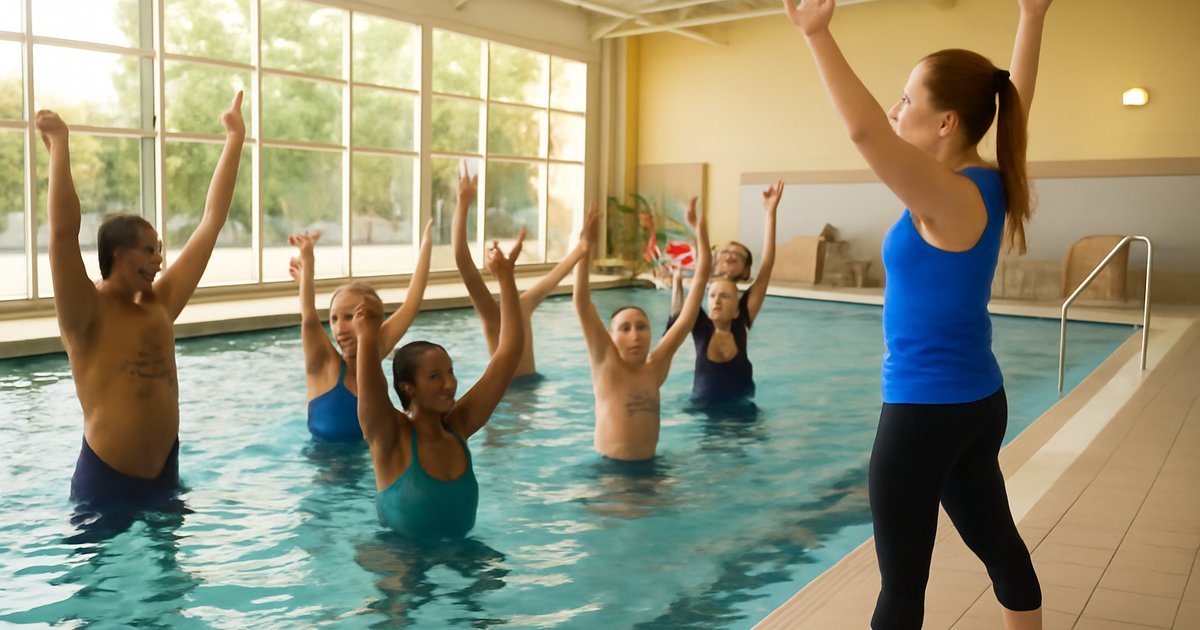
    Water aerobics is a form of aerobic exercise performed in a pool, typically in shallow water (chest- to waist-deep), while remaining upright — meaning you don’t need to know how to swim. Classes usually last 45 to 60 minutes and involve rhythmic movements like jogging in place, leg kicks, arm curls, jumping jacks, and core engagement exercises, often set to music.

    The defining feature of water aerobics is buoyancy. When you’re submerged to your chest, water supports approximately 90% of your body weight, according to research published by the Aquatic Exercise Association. This dramatically reduces the compressive forces on your knees, hips, and spine that you’d normally experience on land.

    At the same time, water creates natural resistance in every direction. Pushing your arm or leg through water requires significantly more muscular effort than moving it through air — without the injury risk associated with free weights or resistance machines.

    Water aerobics has grown steadily in popularity across the United States, particularly among adults over 50. The CDC’s Healthy Swimming program recognizes aquatic exercise as one of the most accessible and inclusive forms of physical activity for aging adults and those managing chronic conditions.

    Health Benefits of Water Aerobics

    The clinical evidence supporting water aerobics is robust and growing. Here’s what research suggests you can realistically expect:

    Cardiovascular Health

    Water aerobics raises your heart rate into aerobic training zones, which strengthens the heart muscle and improves circulation. A study published in the Journal of Aging and Physical Activity found that older adults who participated in aquatic exercise programs for 12 weeks showed significant improvements in aerobic capacity (VO2 max) comparable to land-based exercise groups. The American Heart Association identifies regular aerobic activity as one of the most effective interventions for reducing the risk of heart disease, the leading cause of death in the U.S.

    Joint Pain and Arthritis Relief

    Perhaps the most well-documented benefit of water aerobics is pain reduction for people with arthritis. The Arthritis Foundation endorses aquatic exercise as a first-line physical activity recommendation, citing multiple clinical trials showing reductions in joint pain and stiffness. Water’s natural resistance also helps strengthen the muscles surrounding joints, which provides structural support and can reduce the mechanical burden on cartilage.

    Weight Management and Metabolic Health

    A typical 45-minute water aerobics session can burn between 400 and 500 calories, depending on intensity and body weight. Clinical evidence also indicates that regular aquatic exercise improves insulin sensitivity, which is particularly relevant for the roughly 38 million Americans living with type 2 diabetes, according to the CDC. If you’re managing blood sugar levels, talk to your physician before beginning any new exercise program.

    Balance and Fall Prevention

    The CDC reports that falls are the leading cause of injury-related death among Americans over 65. Water aerobics improves proprioception — your body’s awareness of its position in space — and strengthens the stabilizer muscles in the ankles, hips, and core that prevent falls. Research published in the Journal of Aging Research found that older adults who completed a 12-week aquatic exercise program showed measurable improvements in static and dynamic balance. For more information on balance-specific training, see our guide on Functional Fitness Training: The Complete Guide for Adults.

    Mental Health and Mood

    Exercise in water has been shown to reduce cortisol (the primary stress hormone) and increase endorphin production. A meta-analysis of aquatic exercise studies found significant reductions in depression and anxiety symptoms among participants, particularly older adults. The warm social environment of a group class adds an additional psychological benefit that solo gym workouts often lack. Learn more about the mind-body connection in our article on Exercise for Mental Health: Your Guide to Well-being.

    Muscle Strength and Endurance

    Because water provides resistance in all directions — unlike gravity, which only pulls downward — water aerobics engages multiple muscle groups simultaneously. Research suggests that consistent aquatic training can produce meaningful gains in muscular strength and endurance, particularly in the lower body, core, and shoulders, even without the use of additional equipment.

    Who Is Water Aerobics Best For?

    Water aerobics is broadly accessible, but it is especially well-suited for the following groups:

    • Adults over 50: Reduced joint stress makes it ideal for aging musculoskeletal systems.
    • People with arthritis or joint pain: Buoyancy minimizes compression while water resistance maintains muscle conditioning.
    • Individuals managing obesity: Water supports body weight, making movement more comfortable and sustainable.
    • Those recovering from orthopedic surgery: Many physical therapists incorporate aquatic therapy as part of post-surgical rehabilitation (always get physician clearance first).
    • Adults with hypertension: Hydrostatic pressure — the weight of water pressing gently on your body — may have a mild blood pressure-lowering effect during exercise.
    • Beginners returning to exercise: The forgiving environment reduces intimidation and injury risk.
    • Pregnant women (second and third trimester): With OB-GYN clearance, water aerobics is often recommended for its low-impact cardiovascular benefits.

    This varies from person to person. Individuals with open wounds, certain skin conditions, or uncontrolled medical conditions should consult a physician before entering a pool-based exercise program.

    Getting Started: What to Expect

    Finding a Class

    Water aerobics classes are widely available at YMCAs, community recreation centers, hospital wellness programs, and fitness clubs with pools across the United States. Many locations offer beginner-specific classes or classes designed for seniors and adults with arthritis. The Arthritis Foundation operates its own Aquatic Program (AFAP) at participating facilities nationwide.

    When evaluating a class, look for an instructor who holds certification from a recognized body such as the Aquatic Exercise Association (AEA) or the American Council on Exercise (ACE). Qualified instructors can modify exercises for individual fitness levels and health conditions.

    What to Bring

    • A well-fitting swimsuit (one-piece suits offer better freedom of movement for vigorous exercise)
    • Water shoes with non-slip soles (optional but recommended for pool floor traction)
    • A water bottle — you can still become dehydrated exercising in water
    • Goggles are generally not needed since your face stays out of the water

    Equipment You May Encounter

    Many water aerobics classes incorporate foam dumbbells, kickboards, pool noodles, and resistance gloves. These tools increase the resistance or support provided by water and allow instructors to adjust workout intensity. You don’t need to purchase equipment beforehand — most classes provide everything you need.

    Your First Class

    Expect a warm-up of 5-10 minutes, followed by 30-40 minutes of aerobic activity, and a cool-down with stretching. Instructors typically cue movements from the pool deck or while in the water. Don’t be discouraged if some movements feel awkward at first — water resistance creates a natural learning curve. Most participants feel comfortable with the basic format within two to three sessions.

    Best Practices and Safety Tips

    To get the most out of water aerobics while minimizing injury risk, research suggests following these clinically supported practices:

    Start at the Right Intensity

    For beginners, the American College of Sports Medicine (ACSM) recommends starting with two to three sessions per week at moderate intensity — where you can speak in short sentences but feel your heart rate elevated. Your perceived exertion in water will feel lower than it would on land for the same cardiovascular benefit, which is normal. Don’t let that mislead you into pushing too hard too soon.

    Protect Your Ears and Skin

    Prolonged pool exposure can dry out skin. Rinse off immediately after class and apply a gentle moisturizer. If you’re prone to swimmer’s ear (otitis externa), consider wearing earplugs during class and drying your ears thoroughly afterward.

    Stay Hydrated

    Many people underestimate water loss during pool exercise because sweat is invisible in water. Clinical guidance from sports medicine practitioners recommends drinking 16-24 ounces of water in the hour before class and sipping regularly during and after.

    Progress Gradually

    As your fitness improves, increase session frequency before increasing intensity. Most physicians and exercise physiologists recommend adding one additional class per week every two to four weeks rather than dramatically increasing the pace or duration of a single session.

    Combine With Complementary Exercise

    Water aerobics is an excellent standalone program, but pairing it with light strength training two days per week can optimize overall health outcomes. If you’re interested in complementary low-impact options, our article on Core Strength Training: The Complete Guide for Adults covers dry-land exercises that pair well with aquatic workouts.

    When to Call Your Doctor or Seek Emergency Care

    Water aerobics is considered low-risk, but it is still cardiovascular exercise. Know these warning signs:

    Stop immediately and call 911 if you experience:

    • Chest pain, pressure, tightness, or squeezing
    • Sudden shortness of breath disproportionate to effort
    • Dizziness, fainting, or loss of consciousness
    • Sudden severe headache or vision changes
    • Numbness or weakness on one side of the body

    Contact your physician before starting or if you notice:

    • Persistent joint pain that worsens during or after exercise
    • Heart palpitations or irregular heartbeat during activity
    • Unusual fatigue that does not resolve with rest within 24 hours
    • Any new or worsening chronic condition symptoms

    If you have cardiovascular disease, uncontrolled diabetes, recent surgery, or a physician-monitored condition, always get medical clearance before beginning a new exercise program. Most physicians are enthusiastic about water aerobics as a recommendation precisely because of its safety profile — but your individual history matters.

    Frequently Asked Questions

    Do I need to know how to swim to do water aerobics?

    No. Water aerobics is typically conducted in the shallow end of the pool (waist to chest depth), and participants stand upright throughout the class. Swimming ability is not required. That said, it’s always a good idea to inform your instructor if you’re not a confident swimmer so they can ensure you’re positioned safely.

    Can water aerobics help me lose weight?

    Research suggests that regular aquatic exercise, combined with a balanced diet, can contribute meaningfully to weight management. A typical 45-minute moderate-intensity session can burn 400-500 calories. However, weight loss results vary from person to person based on frequency, intensity, diet, and individual metabolism. No exercise program alone guarantees weight loss outcomes.

    Is water aerobics effective enough for someone who is already physically fit?

    Yes. While water aerobics is often associated with beginners or seniors, it can be scaled to challenge highly fit individuals. Increasing movement speed, using resistance equipment like aqua gloves or weights, or attending deep-water aerobics classes (where participants are fully buoyant and must work harder to stabilize) can significantly increase intensity. The Aquatic Exercise Association offers advanced programming guidance for instructors teaching to mixed-fitness groups.

    How often should I do water aerobics per week?

    Most clinical exercise guidelines recommend two to three sessions per week for beginners, progressing to four to five sessions as fitness improves. The U.S. Department of Health and Human Services target of 150 minutes of moderate aerobic activity per week can be met with three 50-minute water aerobics sessions. Giving your body at least one rest day between sessions is generally advisable, especially when starting out.

    Are there any conditions where water aerobics is not recommended?

    Clinical evidence indicates that people with open wounds or active skin infections, uncontrolled heart failure, or certain respiratory conditions may need to avoid pool exercise or require physician approval first. Individuals who have recently undergone surgery should wait for explicit medical clearance before resuming aquatic activity. As always, consult your healthcare provider before starting any new exercise program if you have an existing medical condition.

    The Bottom Line

    Water aerobics represents one of the most accessible, evidence-backed, and enjoyable forms of exercise available to American adults of virtually any age or fitness level. Whether you’re managing a chronic condition, recovering from injury, or simply looking for a sustainable way to stay active, the pool offers a uniquely forgiving environment where your body can work hard without paying a heavy toll.

    The clinical evidence is clear: consistent aquatic exercise improves cardiovascular health, reduces joint pain, supports healthy weight management, sharpens balance, and lifts mood. Most participants report that the social atmosphere of a class keeps them showing up week after week — which, ultimately, is what makes any fitness program work.

    Talk to your physician about whether water aerobics is right for your specific health needs, find a certified class near you, and take that first step into the water. Your joints — and your heart — will thank you.


    Medical Disclaimer: This article is for informational and educational purposes only. It does not constitute medical advice, diagnosis, or treatment. Always consult your physician or a qualified healthcare provider before making changes to your health routine or treatment plan.

    Medically reviewed by our editorial health team. Content follows evidence-based standards aligned with CDC and NIH guidelines.
  • Swimming for Fitness: Benefits, Tips & Getting Started

    Swimming for Fitness: Benefits, Tips & Getting Started

    Swimming is one of the most complete forms of exercise available — and one of the most underused by adults who need it most.

    Introduction

    Mark, 54, had spent years dealing with chronic knee pain that made running feel impossible and even brisk walking uncomfortable. His cardiologist wanted him moving more, but every workout he tried left him wincing. Then a physical therapist suggested swimming — and within eight weeks, Mark had dropped 11 pounds, his resting heart rate had improved, and his knee pain was manageable for the first time in years.

    Mark’s story is far from unusual. According to the CDC, swimming is the fourth most popular recreational activity in the United States, yet millions of adults overlook it as a structured fitness strategy. That’s a missed opportunity — because swimming for fitness delivers cardiovascular, musculoskeletal, and mental health benefits that few land-based exercises can match.

    In this guide, you’ll learn exactly what makes swimming so effective, how to get started safely, what the research says about its health benefits, and how to build a swim routine that works for your body and your goals.

    What Is Swimming as a Fitness Activity?

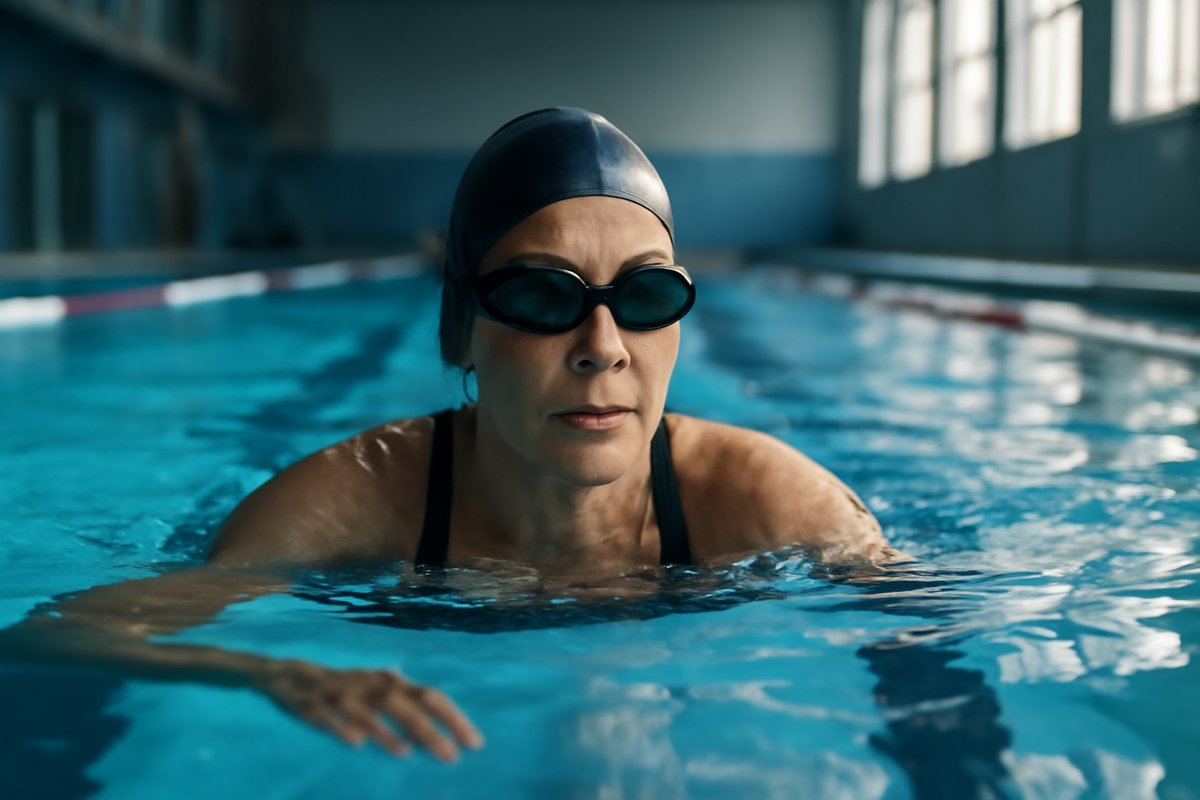
    When we talk about swimming for fitness, we mean structured aquatic exercise performed at a level of intensity that meaningfully challenges your cardiovascular system, muscles, and endurance. This goes beyond a casual splash in the pool — it includes lap swimming, water aerobics, interval training in the water, and structured stroke-based workouts.

    Swimming is what exercise physiologists call a “full-body, low-impact, aerobic activity.” That means it engages nearly every major muscle group simultaneously — arms, legs, core, back, shoulders — while the buoyancy of water dramatically reduces the stress placed on your joints.

    According to the American College of Sports Medicine, water-based exercise qualifies as moderate-to-vigorous aerobic activity, fully meeting the physical activity guidelines set by the U.S. Department of Health and Human Services, which recommend at least 150 minutes of moderate aerobic activity per week for adults.

    In the United States, an estimated 27 million adults swim regularly for exercise, according to data from the Sports & Fitness Industry Association. Yet many more could benefit — especially adults managing joint pain, cardiovascular conditions, obesity, or age-related loss of muscle and flexibility.

    Health Benefits of Swimming: What the Evidence Shows

    Swimming is not just a feel-good workout. Clinical research has consistently linked regular swimming to measurable improvements across multiple health markers.

    Cardiovascular Health

    A landmark study published in the International Journal of Aquatic Research and Education found that swimmers had a 41% lower risk of all-cause mortality and a 37% lower risk of cardiovascular disease mortality compared to sedentary individuals. Research suggests that swimming improves heart function, reduces resting heart rate, lowers blood pressure, and improves circulation — outcomes comparable to running, without the joint stress.

    The American Heart Association recognizes swimming as a heart-healthy aerobic activity, particularly valuable for adults who are unable to tolerate high-impact exercise due to arthritis, obesity, or musculoskeletal injury.

    Muscle Strength and Tone

    Water is approximately 800 times denser than air. That density creates natural resistance against every movement you make in the pool, meaning your muscles work harder with every stroke, kick, and turn. Clinical evidence indicates that regular lap swimming builds muscular endurance and functional strength in the upper body, core, and lower extremities — without requiring weights or resistance machines.

    Weight Management

    Swimming burns a substantial number of calories. A 155-pound person burns approximately 400–500 calories per hour of moderate freestyle swimming, according to estimates from Harvard Health. More vigorous strokes like butterfly or competitive lap intervals can push that figure higher. Research also suggests that swimming may support appetite regulation differently than land-based exercise, though individual responses vary.

    Joint and Arthritis Relief

    The Arthritis Foundation has long promoted aquatic exercise as one of the safest, most effective forms of physical activity for people with osteoarthritis or rheumatoid arthritis. The buoyancy of water reduces the effective weight on your joints by up to 90%, allowing range of motion and muscle engagement without the pain triggered by weight-bearing activity. If joint health is a concern, you may also want to review our guide on Low-Impact Exercise for Joint Health for complementary strategies.

    Mental Health and Stress Reduction

    A growing body of research supports what regular swimmers have long known: being in the water feels good. A 2024 review published in the International Journal of Environmental Research and Public Health found that aquatic exercise significantly reduced symptoms of anxiety and depression in adults across multiple age groups. The rhythmic, meditative quality of lap swimming — breath control, stroke repetition, sensory immersion — may activate the parasympathetic nervous system, promoting relaxation and focus. For more on how exercise supports mental health, see our article on Exercise for Mental Health: Your Guide to Well-being.

    Common Swimming Strokes and What They Target

    Different swim strokes offer different fitness benefits. Understanding this helps you build a more purposeful workout.

    • Freestyle (Front Crawl): The most efficient stroke for cardiovascular conditioning and calorie burn. Primarily works the shoulders, triceps, lats, and core. Ideal for endurance training.
    • Backstroke: Gentler on the neck and shoulders, great for posture and upper back strengthening. Easier for beginners to learn breathing rhythm.
    • Breaststroke: A slower, more deliberate stroke that emphasizes the chest, inner thighs, and hip flexors. Often recommended for older adults or those with shoulder injuries.
    • Butterfly: The most demanding stroke — high calorie burn, intense core and upper body engagement. Best for experienced swimmers seeking intensity.
    • Water Aerobics / Aqua Jogging: Non-lap aquatic exercise performed in shallow or deep water. Excellent for those new to the pool or recovering from injury. Research suggests it provides cardiovascular and muscular benefits comparable to land-based aerobics.

    Getting Started: A Safe and Practical Plan

    If you haven’t swum regularly in years — or ever — starting gradually is key. Most physicians and certified aquatic fitness specialists recommend the following approach.

    Before You Begin

    Talk to your doctor first, especially if you have a cardiovascular condition, uncontrolled blood pressure, epilepsy, or a recent surgery. Swimming is generally very safe, but your provider may have specific recommendations based on your health history.

    Week 1–2: Orientation

    Start with two sessions per week, 20–25 minutes each. Alternate lengths with rest. Focus on feeling comfortable in the water and on basic breathing technique rather than speed or distance. If lap swimming feels daunting, water aerobics classes are an excellent and social entry point.

    Week 3–4: Building Consistency

    Move to three sessions per week, 25–30 minutes. Begin alternating between freestyle and breaststroke to work different muscle groups. Introduce a brief warm-up (2 easy laps) and cool-down (2 easy laps) around your main set.

    Month 2 and Beyond: Progressive Overload

    Clinical evidence indicates that progressive overload — gradually increasing the duration, distance, or intensity of your sessions — is the key driver of continued improvement. Aim for 3–4 sessions per week, 30–45 minutes each. You can introduce simple interval sets, such as swimming one length fast, one length easy, and repeating.

    Many community pools, YMCAs, and fitness centers across the U.S. offer structured adult swim programs and water aerobics classes that provide built-in progression and coaching support.

    Swimming and Specific Health Conditions

    Swimming has demonstrated particular value for adults managing the following conditions:

    • Type 2 Diabetes: The American Diabetes Association notes that aerobic exercise like swimming helps improve insulin sensitivity and blood glucose control. A 30-minute swim session can meaningfully lower blood sugar levels for hours afterward — though monitoring is essential for those on insulin or certain medications.
    • Hypertension (High Blood Pressure): Research published in the American Journal of Hypertension found that adults with prehypertension or mild hypertension who swam regularly for 12 weeks experienced significant reductions in systolic blood pressure.
    • Osteoporosis: While swimming is excellent for muscle and cardiovascular health, it is not a weight-bearing exercise and therefore provides less direct benefit for bone density than walking or resistance training. Most physicians recommend combining swimming with weight-bearing activities for complete bone health. You can learn more in our article on Exercise for Strong Bones: Preventing Osteoporosis.
    • Chronic Back Pain: The low-impact nature of swimming makes it one of the most commonly recommended forms of exercise for adults with lumbar pain. The water supports the spine while allowing movement and strengthening of the core and postural muscles.
    • Asthma: Clinical evidence suggests that swimming may actually be beneficial for people with exercise-induced asthma, as the warm, humid air above the water is less likely to trigger bronchospasm than cold, dry air during outdoor running. Always discuss exercise plans with your pulmonologist if you have asthma.

    Common Mistakes to Avoid

    Even committed swimmers can undermine their progress with avoidable errors.

    • Skipping warm-up and cool-down: Cold muscles are more injury-prone. Begin and end each session with easy, slow laps.
    • Ignoring stroke technique: Poor technique reduces efficiency and increases shoulder and neck strain. If you’re serious about swimming for fitness, even one session with a certified swim coach can dramatically improve your form and comfort.
    • Not hydrating: You sweat in the pool — you just don’t feel it. Dehydration during aquatic exercise is common and often underestimated. Drink water before and after every session.
    • Overtraining early: It’s easy to feel so good in the water that you overdo it in your first weeks. Muscle soreness — especially in the rotator cuff — is common in new swimmers who progress too fast.
    • Relying solely on swimming for bone health: As noted above, pair swimming with weight-bearing or resistance exercise for complete musculoskeletal health.

    When to Call Your Doctor or Seek Immediate Help

    Swimming is exceptionally safe for most adults, but there are situations where you should pause your workout and seek medical evaluation.

    Stop exercising and call 911 or go to the ER immediately if you experience:

    • Chest pain, pressure, or tightness during or after swimming
    • Sudden shortness of breath that does not resolve with rest
    • Dizziness, fainting, or near-fainting
    • Rapid or irregular heartbeat that does not calm down quickly
    • Sudden weakness or numbness in an arm or leg

    Schedule a prompt appointment with your doctor if you notice:

    • Persistent shoulder, neck, or knee pain that worsens with swimming
    • Ear pain, discharge, or hearing changes (swimmer’s ear is common and treatable)
    • Skin rashes or eye irritation that don’t resolve (possible pool chemical sensitivity)
    • Unusual fatigue or breathlessness at exertion levels that previously felt manageable

    Frequently Asked Questions

    How many times per week should I swim for meaningful health benefits?
    Most physicians and exercise physiologists recommend at least three sessions per week of moderate-intensity swimming (25–45 minutes each) to meet the 150-minute-per-week aerobic activity guideline. This varies from person to person based on starting fitness level and health goals.

    Is swimming better than walking for weight loss?
    Both are excellent. Swimming generally burns more calories per hour than walking at a moderate pace, and it builds upper body muscle that walking does not. However, walking is weight-bearing and has advantages for bone density. Many health experts recommend combining both for optimal outcomes. For more on walking benefits, see our Walking for Weight Loss guide.

    Can swimming help reduce blood pressure?
    Research suggests yes. Regular aerobic swimming has been shown to lower systolic blood pressure in adults with prehypertension. However, it should complement — not replace — medications or other treatments prescribed by your physician.

    I haven’t swum since high school. Is it too late to start?
    Absolutely not. Adults in their 50s, 60s, and 70s regularly take up swimming for the first time as a fitness activity. Many community pools offer adult beginner swim lessons specifically designed for this group. Skills come back faster than most people expect.

    Is chlorinated pool water safe for regular swimmers?
    For most adults, yes. The FDA and CDC consider properly maintained chlorinated pools safe for regular use. Protective goggles can reduce eye irritation. Those with chlorine sensitivity may consider saltwater pools, which use lower chlorine levels. Discuss any concerns with your physician, particularly if you have respiratory sensitivities.

    Conclusion

    Swimming offers something rare in the fitness world: a workout that is simultaneously demanding and gentle, effective and accessible, suitable for a 35-year-old athlete and a 68-year-old with two replaced knees. The evidence is clear — regular swimming improves cardiovascular health, builds functional strength, supports weight management, reduces joint pain, and even benefits mental well-being.

    Getting started doesn’t require elite skill or expensive equipment. It requires a pool, a commitment to consistency, and a conversation with your healthcare provider to make sure your plan fits your individual health picture.

    You don’t have to be a competitive swimmer to get competitive health results. You just have to get in the water.


    Medical Disclaimer: This article is for informational and educational purposes only. It does not constitute medical advice, diagnosis, or treatment. Always consult your physician or a qualified healthcare provider before making changes to your health routine or treatment plan.

    Medically reviewed by our editorial health team. Content follows evidence-based standards aligned with CDC and NIH guidelines.