Tag: aerobic exercise

  • Treadmill Workouts for Adults: Benefits, Plans & Tips

    Treadmill Workouts for Adults: Benefits, Plans & Tips

    Treadmill Workouts for Adults: Benefits, Plans & Tips

    One of the most accessible pieces of gym equipment can also be one of the most powerful tools for improving cardiovascular health, managing weight, and boosting mental well-being.

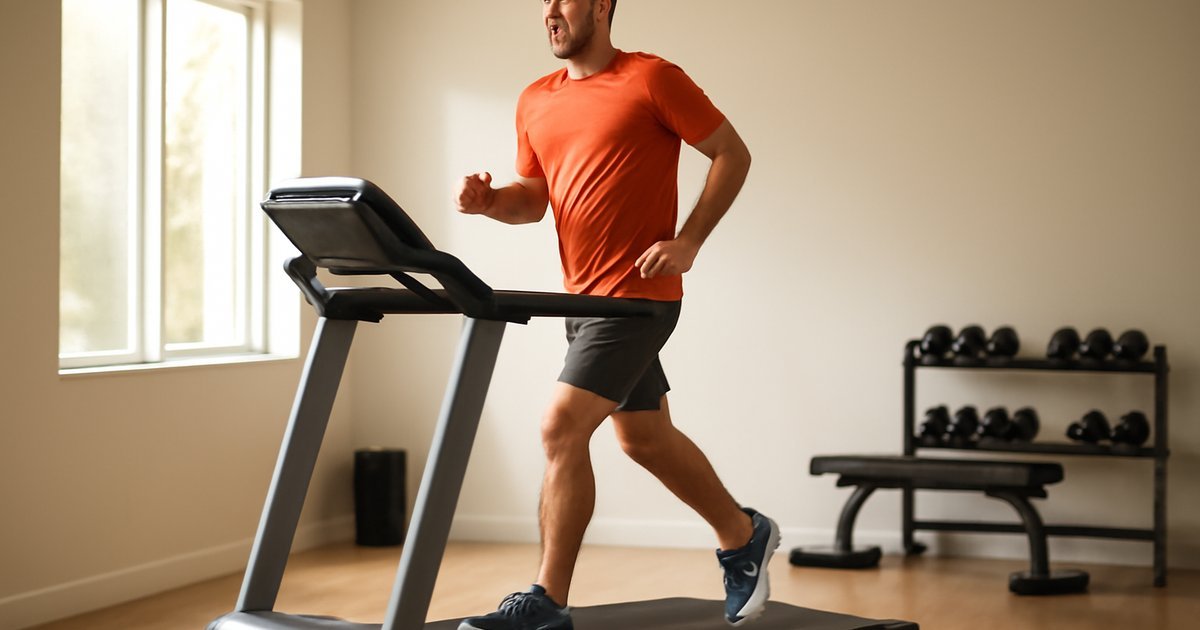
    Mark, 52, had been dealing with mild hypertension for two years. His cardiologist gave him a clear recommendation: get moving. The problem? He hated running outside, had bad knees, and felt lost in the gym. Then he started using the treadmill in his building’s fitness room three times a week. Within six months, his blood pressure had improved, he had lost 18 pounds, and he was sleeping better than he had in years.

    According to the American Heart Association, fewer than 25% of American adults meet the recommended weekly physical activity guidelines. Yet the treadmill — found in nearly every gym, YMCA, and many homes across the country — offers one of the most flexible, safe, and evidence-backed ways to bridge that gap. Whether you are 35 or 70, a beginner or a seasoned exerciser, treadmill workouts can be adapted to meet your exact fitness level and health goals.

    In this guide, you will learn the science-backed benefits of treadmill exercise, how to build an effective routine, what common mistakes to avoid, and when treadmill walking or running may need medical clearance first.

    What Are Treadmill Workouts?

    A treadmill is a motorized exercise machine that allows you to walk, jog, or run on a moving belt at controlled speeds and incline levels — indoors, regardless of weather or terrain. Treadmill workouts are structured exercise sessions that use this equipment to achieve specific health or fitness outcomes, ranging from gentle cardiovascular conditioning to high-intensity interval training.

    Treadmills are among the most used pieces of exercise equipment in the United States. According to the Sports & Fitness Industry Association (SFIA), treadmills consistently rank as the number one piece of home fitness equipment purchased by Americans each year. Their popularity is largely due to their versatility: you can control speed, incline, and duration to customize every single session.

    From a clinical standpoint, treadmill exercise is considered a weight-bearing aerobic activity, which means it simultaneously supports cardiovascular health and bone density — a dual benefit that makes it especially valuable for adults over 40. Research published by the NIH confirms that regular aerobic exercise performed on a treadmill can contribute meaningfully to reducing the risk of cardiovascular disease, type 2 diabetes, and metabolic syndrome.

    Health Benefits of Treadmill Exercise for Adults

    Clinical evidence consistently supports the wide-ranging health benefits of treadmill-based exercise. Here is what the research indicates:

    • Cardiovascular health: Regular treadmill workouts strengthen the heart muscle, improve circulation, and help lower resting blood pressure. The American Heart Association recommends at least 150 minutes of moderate-intensity aerobic activity per week, and treadmill walking is one of the easiest ways to meet that goal.
    • Weight management: A 155-pound adult burns approximately 300–400 calories per hour walking briskly on a treadmill, according to Harvard Health Publishing. Adding incline or speed intervals increases that number significantly.
    • Blood sugar regulation: A 2023 meta-analysis published in Diabetes Care found that structured aerobic exercise — including treadmill walking — significantly reduced fasting blood glucose levels in adults with type 2 diabetes. If you are managing blood sugar, you may want to explore our guide on Exercise and Blood Sugar Control: What Adults Need to Know.
    • Bone density: Because treadmill walking is a weight-bearing activity, it helps maintain and improve bone mineral density, reducing the risk of osteoporosis in older adults.
    • Mental health: Research from the Mayo Clinic confirms that regular aerobic exercise reduces symptoms of anxiety and depression by triggering the release of endorphins and improving sleep quality.
    • Joint-friendly conditioning: Modern treadmills feature cushioned decks that reduce impact compared to outdoor pavement, making them gentler on the knees and hips.
    • Consistency: Indoor exercise eliminates weather-related barriers, making it easier to maintain a regular routine year-round.

    This variety of benefits explains why physicians and physical therapists frequently recommend treadmill-based programs as part of cardiac rehabilitation, diabetes management plans, and post-surgical recovery protocols.

    Who Should Consider Treadmill Workouts?

    Treadmill exercise is broadly appropriate for most adults, but it is particularly well-suited for certain groups:

    • Adults managing hypertension or heart disease (with physician clearance)
    • People with type 2 diabetes looking to improve insulin sensitivity
    • Adults over 50 who want weight-bearing activity without the risk of outdoor terrain
    • Beginners who need a controlled, measurable environment to build fitness gradually
    • People recovering from lower-body injuries, using walking speeds as physical therapy
    • Busy professionals who prefer the convenience of indoor exercise

    Important: If you have a known heart condition, severe osteoarthritis, recent joint replacement, or any chronic condition, consult your physician before beginning a new treadmill program. This is especially true for adults over 60 or those who have been sedentary for an extended period.

    Treadmill Workout Plans for Every Fitness Level

    One of the greatest strengths of treadmill training is its scalability. Below are three structured plans tailored to different fitness levels. Always warm up for 3–5 minutes at a slow walking pace before any session.

    Beginner Plan (Weeks 1–4): Building the Base

    Goal: Develop cardiovascular endurance and establish a consistent routine.

    • Frequency: 3 days per week
    • Duration: 20–30 minutes per session
    • Speed: 2.5–3.5 mph (comfortable walking pace)
    • Incline: 0–1%
    • Structure: Steady-state walking at a pace where you can hold a conversation but feel slightly breathless
    • Cool-down: 3 minutes at 2.0 mph

    Intermediate Plan (Weeks 5–10): Adding Intensity

    Goal: Improve cardiovascular efficiency and burn more calories.

    • Frequency: 4 days per week
    • Duration: 35–45 minutes per session
    • Speed: 3.5–4.5 mph (brisk walking to light jogging)
    • Incline: Alternate 2 minutes at 0% with 2 minutes at 4–6%
    • Structure: 10-minute warm-up walk → 20 minutes of incline intervals → 10-minute cool-down
    • Tip: Increasing incline mimics uphill walking and significantly boosts calorie burn without increasing speed-related joint stress.

    Advanced Plan (Weeks 11+): Treadmill Interval Training

    Goal: Maximize cardiovascular conditioning and metabolic output.

    • Frequency: 4–5 days per week
    • Duration: 40–50 minutes per session
    • Structure (sample session):
      • 5-minute warm-up at 3.0 mph
      • 8 rounds of: 1 minute at 6.0–7.5 mph + 90 seconds at 3.5 mph recovery
      • 5-minute cool-down at 2.5–3.0 mph
    • Incline variation: Add 1–2% base incline to simulate outdoor running resistance

    Clinical evidence from the NIH indicates that interval-style treadmill training — alternating between higher and lower intensities — can improve VO2 max (a key marker of cardiovascular fitness) more effectively than steady-state exercise alone. If you are new to interval training, our Morning Exercise Routine guide offers complementary strategies to structure your entire day around fitness.

    Common Treadmill Mistakes Adults Should Avoid

    Even experienced exercisers make errors on the treadmill that can reduce results or increase injury risk. Here are the most clinically significant ones:

    • Holding the handrails excessively: Gripping the rails reduces caloric expenditure by up to 20% and promotes poor posture. Use them only for balance when needed, especially when first adjusting to incline or speed changes.
    • Setting the incline at 0%: A completely flat treadmill actually places more stress on the knees than a slight incline. Most physical therapists recommend a 1% incline as a neutral baseline to better simulate outdoor walking biomechanics.
    • Looking down at your feet: This strains the neck and disrupts natural gait. Keep your gaze forward and your chin level.
    • Skipping the warm-up: Jumping straight into high-speed walking or running without warming up increases muscle injury risk, particularly for adults over 40 whose tissues require more time to reach optimal temperature and elasticity.
    • Overstriding: Taking steps that are too long can create a braking force that stresses the knees and hips. Aim for shorter, quicker steps with your foot landing beneath your hips.
    • Increasing intensity too quickly: Research suggests increasing weekly workout volume by no more than 10% per week to reduce the risk of overuse injuries such as shin splints, stress fractures, or Achilles tendinopathy.
    • Ignoring hydration: Indoor exercise in a gym or home environment can be deceptively dehydrating. Drink water before, during, and after every session.

    Adapting Treadmill Workouts When You Have a Health Condition

    Many adults using treadmills are also managing one or more chronic conditions. Here is how clinical evidence suggests adapting your approach:

    Arthritis or joint pain: Low-speed walking (2.0–2.5 mph) on a cushioned treadmill is generally well tolerated and may actually reduce joint pain over time by strengthening surrounding muscles. Avoid high inclines if you have significant knee osteoarthritis. This varies from person to person, so check with your orthopedic specialist.

    Hypertension: Moderate-intensity treadmill walking is considered first-line lifestyle therapy for high blood pressure by the American Heart Association. Research indicates that consistent aerobic exercise can reduce systolic blood pressure by 4–9 mmHg — comparable in some cases to low-dose antihypertensive medication.

    Type 2 diabetes: Walking after meals — even for just 10–15 minutes on a treadmill — has been shown to reduce post-meal blood sugar spikes significantly. Always monitor your blood sugar before and after exercise if you are on insulin or sulfonylureas, as hypoglycemia (low blood sugar) is a real risk.

    Obesity: Start with 15–20 minutes of walking at a comfortable pace and gradually increase duration before increasing speed. Incline walking is often more comfortable than jogging for individuals carrying extra weight and provides a high caloric burn.

    Depression or anxiety: Clinical guidelines from the American Psychiatric Association recognize aerobic exercise as an evidence-based complementary treatment for mild to moderate depression. Even 30 minutes of treadmill walking three times per week has demonstrated meaningful improvements in mood scores in multiple trials.

    When to Call Your Doctor or Seek Emergency Care

    Treadmill exercise is safe for most adults, but there are important warning signs that should never be ignored:

    Stop exercising immediately and call 911 if you experience:

    • Chest pain, pressure, tightness, or squeezing during or after exercise
    • Sudden shortness of breath that is disproportionate to your effort level
    • Dizziness, lightheadedness, or feeling faint while on the treadmill
    • Heart palpitations that feel rapid, irregular, or pounding
    • Sudden severe pain in the chest, arm, jaw, or back
    • Loss of consciousness or near-fainting

    Schedule an appointment with your doctor if you notice:

    • Persistent pain in the knees, shins, hips, or ankles after sessions
    • Unusual fatigue that does not improve with rest
    • Significant shortness of breath at low-intensity levels
    • Blood sugar readings that are consistently too high or too low after exercise
    • Any new or worsening symptom related to a pre-existing condition

    Before starting a new program, talk to your doctor if you:

    • Are over 60 and have been sedentary for more than one year
    • Have a diagnosed heart condition, diabetes, or severe osteoporosis
    • Are pregnant or recently postpartum
    • Are currently recovering from surgery or a significant injury

    For many adults, treadmill exercise is a component of a broader fitness strategy. You might also consider exploring Strength Training for Adults to complement your treadmill routine with muscle-building work that supports long-term metabolic health.

    Frequently Asked Questions About Treadmill Workouts

    How many days a week should I use the treadmill?
    Most fitness professionals and the CDC recommend 150 minutes of moderate-intensity aerobic activity per week. For most adults, this translates to 30 minutes of treadmill walking five days per week, or 45–50 minutes three to four days per week. Begin with three days if you are a beginner and increase gradually.

    Is walking on a treadmill as effective as walking outdoors?
    Research suggests the two are broadly comparable in cardiovascular benefit when intensity is matched. Outdoor walking does engage slightly more stabilizing muscles due to varied terrain, but adding a 1–2% incline on a treadmill effectively compensates for this difference. Treadmill walking offers the advantage of controlled conditions and measurable data.

    Can treadmill workouts help me lose belly fat?
    Clinical evidence indicates that consistent aerobic exercise, including treadmill workouts, contributes to overall body fat reduction — including visceral fat (the fat stored around abdominal organs). However, fat loss is not spot-specific. A caloric deficit through a combination of exercise and dietary habits is required for meaningful fat loss. Research suggests that high-intensity interval treadmill training may be particularly effective at reducing visceral fat.

    Is a treadmill safe for people with bad knees?
    For most people with mild to moderate knee osteoarthritis or general knee discomfort, low-speed treadmill walking on a cushioned surface is considered safe and may even help reduce pain by strengthening the quadriceps and surrounding musculature. Avoid steep inclines or high-impact running if you have significant knee pathology. Always confirm with your physician or physical therapist before beginning.

    What is the ‘12-3-30’ treadmill workout?
    The 12-3-30 method became a widely discussed treadmill protocol in which you walk at a 12% incline, at a speed of 3.0 mph, for 30 minutes. While it has not yet been studied in large-scale clinical trials, exercise physiologists note that a 12% incline walk at 3.0 mph demands significant cardiovascular effort and caloric expenditure comparable to light jogging. It may be a reasonable goal for intermediate exercisers, but beginners should work up to that incline level gradually to avoid overloading the calves and Achilles tendon.

    The Bottom Line

    The treadmill is far more than a machine that collects dust in the corner of a gym. For adults navigating busy schedules, chronic conditions, joint sensitivities, or the simple challenge of staying consistent, it represents one of the most adaptable, evidence-supported tools in modern preventive health.

    Whether you start with a gentle 20-minute walk or work up to challenging interval sessions, the key is progressive consistency. Clinical research is clear: even modest improvements in physical activity levels produce meaningful benefits for heart health, blood sugar, bone density, mental well-being, and longevity.

    Start where you are. Build from there. And always keep your healthcare provider informed about your fitness goals so they can help you train in the safest, most effective way possible for your individual health profile.


    Medical Disclaimer: This article is for informational and educational purposes only. It does not constitute medical advice, diagnosis, or treatment. Always consult your physician or a qualified healthcare provider before making changes to your health routine or treatment plan.

    Medically reviewed by our editorial health team. Content follows evidence-based standards aligned with CDC and NIH guidelines.
  • Cardio Exercise for Heart Health: The Complete Guide

    Cardio Exercise for Heart Health: The Complete Guide

    Your heart beats roughly 100,000 times a day — and what you do with the other hours determines how long and how well it keeps going.

    Introduction

    Mark, 52, had always considered himself reasonably healthy. He wasn’t overweight, didn’t smoke, and thought his occasional weekend hike was enough. Then his annual physical revealed elevated LDL cholesterol and a resting heart rate that concerned his doctor. “Your heart needs regular training, just like a muscle,” his physician told him. That conversation changed everything.

    According to the American Heart Association, cardiovascular disease remains the leading cause of death in the United States, claiming approximately 695,000 lives every year. Yet research consistently shows that regular cardiovascular exercise — often called cardio — is one of the most powerful tools available to reduce that risk significantly.

    In this guide, you’ll learn exactly what cardio exercise is, how it protects your heart, which types of cardio deliver the greatest benefits, and how to build a sustainable routine — whether you’re just starting out or looking to optimize what you’re already doing. We’ll cover the science, the practical strategies, and the warning signs you should never ignore.

    What Is Cardiovascular Exercise?

    Cardiovascular exercise — also called aerobic exercise — refers to any rhythmic, sustained physical activity that raises your heart rate and increases your breathing over an extended period. The word “aerobic” literally means “with oxygen,” reflecting how your body uses oxygen to fuel these longer-duration efforts.

    Examples include brisk walking, jogging, swimming, cycling, dancing, rowing, and using an elliptical machine. What distinguishes cardio from other forms of exercise is its sustained, repetitive nature and its direct engagement of the heart and lungs as primary systems.

    The CDC recommends that adults get at least 150 minutes of moderate-intensity aerobic activity — or 75 minutes of vigorous-intensity activity — per week. Despite this relatively achievable goal, the CDC also reports that only about 53% of American adults meet the federal physical activity guidelines for aerobic exercise. That gap has profound consequences for public health.

    Why does it matter so much? Regular cardio exercise strengthens the heart muscle, lowers blood pressure, improves circulation, reduces inflammation, and helps regulate blood sugar and cholesterol levels. These effects work together to dramatically lower the risk of heart attack, stroke, and type 2 diabetes.

    Signs Your Heart Health May Need Attention

    Before building or intensifying a cardio routine, it’s worth understanding the signals your body may already be sending. Some symptoms are mild and manageable; others are red flags that require immediate evaluation.

    Early or moderate warning signs to discuss with your doctor:

    • Shortness of breath during activities that previously felt easy
    • Unusual fatigue, even with adequate rest
    • Elevated resting heart rate (consistently above 100 beats per minute)
    • Mild chest tightness or pressure during exertion that resolves quickly with rest
    • Swollen ankles or feet, especially at the end of the day
    • Difficulty keeping up with your usual exercise pace

    Red flags requiring immediate medical attention:

    • Sudden, severe chest pain or pressure
    • Pain radiating to the jaw, left arm, or back during or after exercise
    • Fainting or loss of consciousness
    • Severe shortness of breath at rest
    • Heart palpitations that feel irregular, rapid, or accompanied by dizziness

    A 2022 study published in the Journal of the American College of Cardiology found that individuals who reported early exertional symptoms but delayed medical evaluation had significantly worse outcomes compared to those who sought prompt evaluation. If you experience any of these red flags during exercise, stop immediately and call 911.

    Why Cardio Protects Your Heart: The Science

    Understanding the biological mechanisms behind cardio’s benefits can help you stay motivated and make smarter choices about your routine.

    It strengthens the heart muscle itself. Regular aerobic exercise causes the left ventricle — the heart’s main pumping chamber — to become more efficient. Over time, your heart can pump more blood with each beat, which is why trained athletes often have resting heart rates in the 40s or 50s. This reduced workload decreases wear and tear on the cardiovascular system.

    It lowers blood pressure. Clinical evidence indicates that moderate-intensity aerobic exercise can reduce systolic blood pressure (the top number) by an average of 5 to 8 mmHg in people with hypertension. According to the NIH, this reduction is comparable to what some antihypertensive medications achieve — though exercise should always complement, not replace, prescribed treatments.

    It improves cholesterol balance. Research suggests that regular cardio raises HDL (“good”) cholesterol while reducing triglyceride levels. A meta-analysis published in the Mayo Clinic Proceedings found that aerobic exercise was associated with meaningful improvements in lipid profiles, particularly in adults with baseline metabolic risk factors.

    It reduces systemic inflammation. Chronic low-grade inflammation is a major driver of atherosclerosis — the buildup of plaques in arterial walls. Cardio exercise has been shown to reduce inflammatory markers like C-reactive protein (CRP), helping keep arterial walls healthier over time.

    It helps regulate blood sugar. During aerobic activity, muscles absorb glucose directly without requiring insulin. Over time, this improves insulin sensitivity — a critical factor in preventing type 2 diabetes, which itself dramatically raises cardiovascular risk.

    Types of Cardio and Their Benefits

    Not all cardio is created equal, and different formats offer different advantages. Understanding your options allows you to build a routine that fits your fitness level, joint health, schedule, and personal preference.

    Steady-State Moderate-Intensity Cardio
    This is the classic “zone 2” approach: sustained activity at a pace where you can hold a conversation but are clearly working. Examples include a 30-minute brisk walk, a light bike ride, or an easy swim. This form is ideal for beginners, older adults, and anyone recovering from illness or injury. It’s highly effective at improving baseline cardiovascular fitness and is the safest starting point for most people.

    High-Intensity Interval Training (HIIT)
    HIIT alternates short bursts of intense effort (typically 20-60 seconds) with brief recovery periods. A 20-minute HIIT session can produce cardiovascular benefits comparable to 40-60 minutes of steady-state cardio, according to research from McMaster University. However, HIIT places greater stress on joints and the cardiovascular system, so it’s generally recommended for those who have already established a base level of fitness. Always consult your physician before starting HIIT, especially if you have any cardiac history.

    Low-Impact Cardio
    Swimming, water aerobics, cycling, and elliptical training are excellent options for adults with joint pain, arthritis, or orthopedic limitations. These activities raise the heart rate effectively while minimizing impact forces on the knees, hips, and ankles. The Arthritis Foundation specifically endorses aquatic exercise as one of the most joint-friendly forms of aerobic activity available.

    Functional Movement-Based Cardio
    Activities like dancing, hiking, pickleball, and recreational sports provide cardiovascular benefit while also engaging balance, coordination, and social connection — all of which contribute to overall health outcomes. A Harvard Health study found that people who engaged in enjoyable physical activities were significantly more likely to sustain their routines long-term.

    For adults interested in combining cardiovascular and muscular benefits, pairing cardio with resistance training is particularly powerful. Our guide on Strength Training After 50: The Complete Guide offers detailed evidence-based strategies for building muscle safely at any age.

    How to Build a Cardio Routine That Sticks

    The most scientifically perfect exercise program delivers zero benefit if you don’t follow it. Sustainability is the single most important factor in long-term cardiovascular outcomes.

    Start where you are, not where you wish you were. If you’ve been sedentary, beginning with 10-15 minutes of brisk walking three times per week is a legitimate and evidence-supported starting point. The body adapts remarkably well when progression is gradual. Trying to do too much too soon is the leading cause of injury and dropout.

    Use the “talk test” to gauge intensity. During moderate-intensity cardio, you should be able to speak in short sentences but not sing comfortably. During vigorous-intensity cardio, speaking more than a few words should feel difficult. This simple method is validated by exercise physiology research and endorsed by the American College of Sports Medicine.

    Build progressively. Most physicians recommend following the “10% rule” — increase your weekly exercise volume by no more than 10% per week to avoid overuse injuries. This applies to duration, frequency, and intensity.

    Schedule it like a medical appointment. Research in behavioral medicine consistently shows that people who schedule exercise in advance and treat it as a non-negotiable commitment are significantly more likely to adhere long-term. Choose a time of day that works with your biology — morning exercisers tend to show higher consistency rates in longitudinal studies.

    Monitor your heart rate. Most fitness wearables now offer continuous heart rate monitoring, which can be a useful tool for staying in appropriate training zones. Your maximum heart rate is roughly estimated as 220 minus your age, though this varies considerably from person to person. Moderate intensity is typically 50-70% of your maximum; vigorous intensity is 70-85%.

    Recovery matters. Rest days are not optional — they’re when adaptation occurs. Overtraining can actually elevate inflammatory markers and stress hormones, counteracting the benefits of exercise. Most guidelines recommend at least one to two rest or active recovery days per week.

    Special Considerations for Adults Over 50

    If you’re in the 50-70 age range, cardio exercise is arguably even more important — but it also requires more thoughtful planning.

    The American Heart Association notes that adults over 50 face a sharply elevated cardiovascular risk profile, with roughly 70% of adults aged 65 and older having some form of cardiovascular disease. Regular aerobic exercise is one of the most evidence-supported interventions for reducing this risk.

    However, several physiological changes with age require adaptation in your approach. Maximum heart rate naturally declines with age, making traditional heart rate calculations less precise. Joint health, bone density, and recovery time also require greater attention. Low-impact options — swimming, cycling, and walking — are particularly well-suited to this population.

    If you have existing conditions such as hypertension, heart disease, diabetes, or osteoarthritis, clinical evidence strongly supports obtaining medical clearance before beginning or significantly intensifying a cardio program. A stress test may be recommended to assess cardiac response to exercise safely. You can learn more about combining cardio with strength work in our article on Strength Training After 50: The Complete Guide.

    When to Call Your Doctor — Emergency Signs

    Exercise is overwhelmingly safe for most adults, but there are specific circumstances that require prompt medical evaluation.

    Call your doctor before starting if you:

    • Have been diagnosed with heart disease, heart failure, or arrhythmia
    • Have uncontrolled hypertension (systolic above 160 mmHg)
    • Are recovering from a cardiac event within the past 12 months
    • Have type 1 or poorly controlled type 2 diabetes
    • Experience chest discomfort or shortness of breath at rest

    Stop exercise immediately and call 911 if you experience:

    • Chest pain, pressure, tightness, or crushing sensation
    • Pain spreading to the left arm, jaw, neck, or back
    • Sudden severe shortness of breath unrelated to exertion level
    • Fainting, near-fainting, or prolonged dizziness
    • Irregular, racing, or pounding heartbeat with associated symptoms

    The NIH emphasizes that exercise-related cardiac events are rare, but their risk increases significantly in individuals with undiagnosed or poorly managed cardiovascular conditions. Proper screening dramatically reduces this risk.

    Frequently Asked Questions

    How much cardio do I need each week to improve heart health?
    The AHA and CDC both recommend at least 150 minutes of moderate-intensity aerobic activity per week, or 75 minutes of vigorous activity — ideally spread across most days. Research suggests that even small amounts of regular activity, such as 20-30 minutes five days per week, produce meaningful cardiovascular benefits. More is generally better, up to a point, though individual variation exists.

    Is walking enough to count as cardio?
    Yes — brisk walking is a legitimate and well-studied form of moderate-intensity cardiovascular exercise. A large-scale NIH study found that walking at least 7,000 to 10,000 steps per day was associated with significantly reduced all-cause mortality and cardiovascular risk. The key is pace: walking slowly has limited cardiovascular benefit, but walking briskly enough to elevate your heart rate qualifies as aerobic exercise.

    Can cardio exercise lower my blood pressure without medication?
    Regular aerobic exercise can meaningfully lower blood pressure, and for some individuals with mild hypertension, lifestyle modifications including exercise may reduce or delay the need for medication. However, this is a highly individual determination that should be made with your physician. Clinical evidence indicates average reductions of 5-8 mmHg in systolic pressure with consistent aerobic training — significant, but not always sufficient on its own for moderate or severe hypertension.

    Is it safe to do cardio if I already have heart disease?
    In most cases, yes — and it’s often actively recommended. Cardiac rehabilitation programs, which center on supervised aerobic exercise, are standard of care following heart attack, bypass surgery, or heart failure diagnosis. Clinical evidence from multiple large trials shows that cardiac rehab reduces rehospitalization rates and improves quality of life significantly. Always get physician clearance and, ideally, supervision through a formal cardiac rehab program.

    What’s the difference between cardio and HIIT, and which is better?
    Both provide cardiovascular benefits, but through slightly different mechanisms. Steady-state moderate cardio is more accessible, lower-risk, and ideal for building a baseline. HIIT provides time-efficient cardiovascular adaptations and may produce greater improvements in VO2 max (a key measure of cardiorespiratory fitness) in shorter sessions. Research suggests both are effective; the “best” choice depends on your fitness level, health status, and personal preference. Many experts recommend a combination of both for adults who are healthy enough to tolerate HIIT safely.

    Conclusion

    Your cardiovascular system is working every moment of every day, and the investment you make in regular aerobic exercise pays dividends that no pill can fully replicate. The evidence is clear, consistent, and compelling: cardio exercise reduces the risk of heart disease, lowers blood pressure, improves cholesterol, regulates blood sugar, and extends healthy life expectancy.

    Whether you start with a 15-minute walk or commit to a structured training program, what matters most is consistency over time. Progress is rarely linear, setbacks happen, and individual variation is real — but the direction is always forward when you stay the course.

    Talk with your physician about what level of cardio is appropriate for your current health status, and consider working with a certified exercise physiologist or cardiac rehabilitation specialist if you have existing conditions. Your heart has been working for you your entire life. It’s worth giving something back.


    Medical Disclaimer: This article is for informational and educational purposes only. It does not constitute medical advice, diagnosis, or treatment. Always consult your physician or a qualified healthcare provider before making changes to your health routine or treatment plan.

    Medically reviewed by our editorial health team. Content follows evidence-based standards aligned with CDC and NIH guidelines.