Author: negociosnanet001@gmail.com

  • Treadmill Workouts for Adults: Benefits, Plans & Tips

    Treadmill Workouts for Adults: Benefits, Plans & Tips

    Treadmill Workouts for Adults: Benefits, Plans & Tips

    One of the most accessible pieces of gym equipment can also be one of the most powerful tools for improving cardiovascular health, managing weight, and boosting mental well-being.

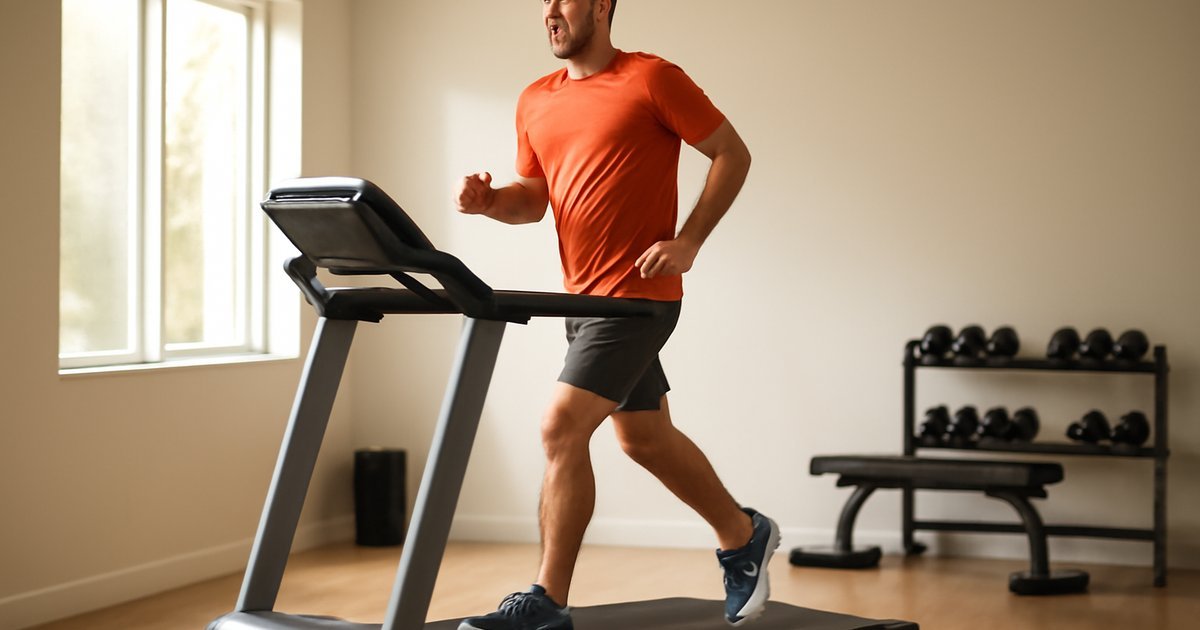
    Mark, 52, had been dealing with mild hypertension for two years. His cardiologist gave him a clear recommendation: get moving. The problem? He hated running outside, had bad knees, and felt lost in the gym. Then he started using the treadmill in his building’s fitness room three times a week. Within six months, his blood pressure had improved, he had lost 18 pounds, and he was sleeping better than he had in years.

    According to the American Heart Association, fewer than 25% of American adults meet the recommended weekly physical activity guidelines. Yet the treadmill — found in nearly every gym, YMCA, and many homes across the country — offers one of the most flexible, safe, and evidence-backed ways to bridge that gap. Whether you are 35 or 70, a beginner or a seasoned exerciser, treadmill workouts can be adapted to meet your exact fitness level and health goals.

    In this guide, you will learn the science-backed benefits of treadmill exercise, how to build an effective routine, what common mistakes to avoid, and when treadmill walking or running may need medical clearance first.

    What Are Treadmill Workouts?

    A treadmill is a motorized exercise machine that allows you to walk, jog, or run on a moving belt at controlled speeds and incline levels — indoors, regardless of weather or terrain. Treadmill workouts are structured exercise sessions that use this equipment to achieve specific health or fitness outcomes, ranging from gentle cardiovascular conditioning to high-intensity interval training.

    Treadmills are among the most used pieces of exercise equipment in the United States. According to the Sports & Fitness Industry Association (SFIA), treadmills consistently rank as the number one piece of home fitness equipment purchased by Americans each year. Their popularity is largely due to their versatility: you can control speed, incline, and duration to customize every single session.

    From a clinical standpoint, treadmill exercise is considered a weight-bearing aerobic activity, which means it simultaneously supports cardiovascular health and bone density — a dual benefit that makes it especially valuable for adults over 40. Research published by the NIH confirms that regular aerobic exercise performed on a treadmill can contribute meaningfully to reducing the risk of cardiovascular disease, type 2 diabetes, and metabolic syndrome.

    Health Benefits of Treadmill Exercise for Adults

    Clinical evidence consistently supports the wide-ranging health benefits of treadmill-based exercise. Here is what the research indicates:

    • Cardiovascular health: Regular treadmill workouts strengthen the heart muscle, improve circulation, and help lower resting blood pressure. The American Heart Association recommends at least 150 minutes of moderate-intensity aerobic activity per week, and treadmill walking is one of the easiest ways to meet that goal.
    • Weight management: A 155-pound adult burns approximately 300–400 calories per hour walking briskly on a treadmill, according to Harvard Health Publishing. Adding incline or speed intervals increases that number significantly.
    • Blood sugar regulation: A 2023 meta-analysis published in Diabetes Care found that structured aerobic exercise — including treadmill walking — significantly reduced fasting blood glucose levels in adults with type 2 diabetes. If you are managing blood sugar, you may want to explore our guide on Exercise and Blood Sugar Control: What Adults Need to Know.
    • Bone density: Because treadmill walking is a weight-bearing activity, it helps maintain and improve bone mineral density, reducing the risk of osteoporosis in older adults.
    • Mental health: Research from the Mayo Clinic confirms that regular aerobic exercise reduces symptoms of anxiety and depression by triggering the release of endorphins and improving sleep quality.
    • Joint-friendly conditioning: Modern treadmills feature cushioned decks that reduce impact compared to outdoor pavement, making them gentler on the knees and hips.
    • Consistency: Indoor exercise eliminates weather-related barriers, making it easier to maintain a regular routine year-round.

    This variety of benefits explains why physicians and physical therapists frequently recommend treadmill-based programs as part of cardiac rehabilitation, diabetes management plans, and post-surgical recovery protocols.

    Who Should Consider Treadmill Workouts?

    Treadmill exercise is broadly appropriate for most adults, but it is particularly well-suited for certain groups:

    • Adults managing hypertension or heart disease (with physician clearance)
    • People with type 2 diabetes looking to improve insulin sensitivity
    • Adults over 50 who want weight-bearing activity without the risk of outdoor terrain
    • Beginners who need a controlled, measurable environment to build fitness gradually
    • People recovering from lower-body injuries, using walking speeds as physical therapy
    • Busy professionals who prefer the convenience of indoor exercise

    Important: If you have a known heart condition, severe osteoarthritis, recent joint replacement, or any chronic condition, consult your physician before beginning a new treadmill program. This is especially true for adults over 60 or those who have been sedentary for an extended period.

    Treadmill Workout Plans for Every Fitness Level

    One of the greatest strengths of treadmill training is its scalability. Below are three structured plans tailored to different fitness levels. Always warm up for 3–5 minutes at a slow walking pace before any session.

    Beginner Plan (Weeks 1–4): Building the Base

    Goal: Develop cardiovascular endurance and establish a consistent routine.

    • Frequency: 3 days per week
    • Duration: 20–30 minutes per session
    • Speed: 2.5–3.5 mph (comfortable walking pace)
    • Incline: 0–1%
    • Structure: Steady-state walking at a pace where you can hold a conversation but feel slightly breathless
    • Cool-down: 3 minutes at 2.0 mph

    Intermediate Plan (Weeks 5–10): Adding Intensity

    Goal: Improve cardiovascular efficiency and burn more calories.

    • Frequency: 4 days per week
    • Duration: 35–45 minutes per session
    • Speed: 3.5–4.5 mph (brisk walking to light jogging)
    • Incline: Alternate 2 minutes at 0% with 2 minutes at 4–6%
    • Structure: 10-minute warm-up walk → 20 minutes of incline intervals → 10-minute cool-down
    • Tip: Increasing incline mimics uphill walking and significantly boosts calorie burn without increasing speed-related joint stress.

    Advanced Plan (Weeks 11+): Treadmill Interval Training

    Goal: Maximize cardiovascular conditioning and metabolic output.

    • Frequency: 4–5 days per week
    • Duration: 40–50 minutes per session
    • Structure (sample session):
      • 5-minute warm-up at 3.0 mph
      • 8 rounds of: 1 minute at 6.0–7.5 mph + 90 seconds at 3.5 mph recovery
      • 5-minute cool-down at 2.5–3.0 mph
    • Incline variation: Add 1–2% base incline to simulate outdoor running resistance

    Clinical evidence from the NIH indicates that interval-style treadmill training — alternating between higher and lower intensities — can improve VO2 max (a key marker of cardiovascular fitness) more effectively than steady-state exercise alone. If you are new to interval training, our Morning Exercise Routine guide offers complementary strategies to structure your entire day around fitness.

    Common Treadmill Mistakes Adults Should Avoid

    Even experienced exercisers make errors on the treadmill that can reduce results or increase injury risk. Here are the most clinically significant ones:

    • Holding the handrails excessively: Gripping the rails reduces caloric expenditure by up to 20% and promotes poor posture. Use them only for balance when needed, especially when first adjusting to incline or speed changes.
    • Setting the incline at 0%: A completely flat treadmill actually places more stress on the knees than a slight incline. Most physical therapists recommend a 1% incline as a neutral baseline to better simulate outdoor walking biomechanics.
    • Looking down at your feet: This strains the neck and disrupts natural gait. Keep your gaze forward and your chin level.
    • Skipping the warm-up: Jumping straight into high-speed walking or running without warming up increases muscle injury risk, particularly for adults over 40 whose tissues require more time to reach optimal temperature and elasticity.
    • Overstriding: Taking steps that are too long can create a braking force that stresses the knees and hips. Aim for shorter, quicker steps with your foot landing beneath your hips.
    • Increasing intensity too quickly: Research suggests increasing weekly workout volume by no more than 10% per week to reduce the risk of overuse injuries such as shin splints, stress fractures, or Achilles tendinopathy.
    • Ignoring hydration: Indoor exercise in a gym or home environment can be deceptively dehydrating. Drink water before, during, and after every session.

    Adapting Treadmill Workouts When You Have a Health Condition

    Many adults using treadmills are also managing one or more chronic conditions. Here is how clinical evidence suggests adapting your approach:

    Arthritis or joint pain: Low-speed walking (2.0–2.5 mph) on a cushioned treadmill is generally well tolerated and may actually reduce joint pain over time by strengthening surrounding muscles. Avoid high inclines if you have significant knee osteoarthritis. This varies from person to person, so check with your orthopedic specialist.

    Hypertension: Moderate-intensity treadmill walking is considered first-line lifestyle therapy for high blood pressure by the American Heart Association. Research indicates that consistent aerobic exercise can reduce systolic blood pressure by 4–9 mmHg — comparable in some cases to low-dose antihypertensive medication.

    Type 2 diabetes: Walking after meals — even for just 10–15 minutes on a treadmill — has been shown to reduce post-meal blood sugar spikes significantly. Always monitor your blood sugar before and after exercise if you are on insulin or sulfonylureas, as hypoglycemia (low blood sugar) is a real risk.

    Obesity: Start with 15–20 minutes of walking at a comfortable pace and gradually increase duration before increasing speed. Incline walking is often more comfortable than jogging for individuals carrying extra weight and provides a high caloric burn.

    Depression or anxiety: Clinical guidelines from the American Psychiatric Association recognize aerobic exercise as an evidence-based complementary treatment for mild to moderate depression. Even 30 minutes of treadmill walking three times per week has demonstrated meaningful improvements in mood scores in multiple trials.

    When to Call Your Doctor or Seek Emergency Care

    Treadmill exercise is safe for most adults, but there are important warning signs that should never be ignored:

    Stop exercising immediately and call 911 if you experience:

    • Chest pain, pressure, tightness, or squeezing during or after exercise
    • Sudden shortness of breath that is disproportionate to your effort level
    • Dizziness, lightheadedness, or feeling faint while on the treadmill
    • Heart palpitations that feel rapid, irregular, or pounding
    • Sudden severe pain in the chest, arm, jaw, or back
    • Loss of consciousness or near-fainting

    Schedule an appointment with your doctor if you notice:

    • Persistent pain in the knees, shins, hips, or ankles after sessions
    • Unusual fatigue that does not improve with rest
    • Significant shortness of breath at low-intensity levels
    • Blood sugar readings that are consistently too high or too low after exercise
    • Any new or worsening symptom related to a pre-existing condition

    Before starting a new program, talk to your doctor if you:

    • Are over 60 and have been sedentary for more than one year
    • Have a diagnosed heart condition, diabetes, or severe osteoporosis
    • Are pregnant or recently postpartum
    • Are currently recovering from surgery or a significant injury

    For many adults, treadmill exercise is a component of a broader fitness strategy. You might also consider exploring Strength Training for Adults to complement your treadmill routine with muscle-building work that supports long-term metabolic health.

    Frequently Asked Questions About Treadmill Workouts

    How many days a week should I use the treadmill?
    Most fitness professionals and the CDC recommend 150 minutes of moderate-intensity aerobic activity per week. For most adults, this translates to 30 minutes of treadmill walking five days per week, or 45–50 minutes three to four days per week. Begin with three days if you are a beginner and increase gradually.

    Is walking on a treadmill as effective as walking outdoors?
    Research suggests the two are broadly comparable in cardiovascular benefit when intensity is matched. Outdoor walking does engage slightly more stabilizing muscles due to varied terrain, but adding a 1–2% incline on a treadmill effectively compensates for this difference. Treadmill walking offers the advantage of controlled conditions and measurable data.

    Can treadmill workouts help me lose belly fat?
    Clinical evidence indicates that consistent aerobic exercise, including treadmill workouts, contributes to overall body fat reduction — including visceral fat (the fat stored around abdominal organs). However, fat loss is not spot-specific. A caloric deficit through a combination of exercise and dietary habits is required for meaningful fat loss. Research suggests that high-intensity interval treadmill training may be particularly effective at reducing visceral fat.

    Is a treadmill safe for people with bad knees?
    For most people with mild to moderate knee osteoarthritis or general knee discomfort, low-speed treadmill walking on a cushioned surface is considered safe and may even help reduce pain by strengthening the quadriceps and surrounding musculature. Avoid steep inclines or high-impact running if you have significant knee pathology. Always confirm with your physician or physical therapist before beginning.

    What is the ‘12-3-30’ treadmill workout?
    The 12-3-30 method became a widely discussed treadmill protocol in which you walk at a 12% incline, at a speed of 3.0 mph, for 30 minutes. While it has not yet been studied in large-scale clinical trials, exercise physiologists note that a 12% incline walk at 3.0 mph demands significant cardiovascular effort and caloric expenditure comparable to light jogging. It may be a reasonable goal for intermediate exercisers, but beginners should work up to that incline level gradually to avoid overloading the calves and Achilles tendon.

    The Bottom Line

    The treadmill is far more than a machine that collects dust in the corner of a gym. For adults navigating busy schedules, chronic conditions, joint sensitivities, or the simple challenge of staying consistent, it represents one of the most adaptable, evidence-supported tools in modern preventive health.

    Whether you start with a gentle 20-minute walk or work up to challenging interval sessions, the key is progressive consistency. Clinical research is clear: even modest improvements in physical activity levels produce meaningful benefits for heart health, blood sugar, bone density, mental well-being, and longevity.

    Start where you are. Build from there. And always keep your healthcare provider informed about your fitness goals so they can help you train in the safest, most effective way possible for your individual health profile.


    Medical Disclaimer: This article is for informational and educational purposes only. It does not constitute medical advice, diagnosis, or treatment. Always consult your physician or a qualified healthcare provider before making changes to your health routine or treatment plan.

    Medically reviewed by our editorial health team. Content follows evidence-based standards aligned with CDC and NIH guidelines.


  • Stair Climbing for Fitness: Benefits, Tips & Workouts

    Stair Climbing for Fitness: Benefits, Tips & Workouts

    Stair Climbing for Fitness: Benefits, Tips & Workouts

    One of the most effective cardio and strength tools may already be right under your feet.

    Mark, 54, had been searching for a low-cost, time-efficient way to get his heart rate up without heading to a gym. His knees ached after jogging, and he didn't have room for exercise equipment at home. Then his cardiologist made a surprisingly simple suggestion: "Have you tried the stairs?"

    It may sound almost too basic, but research consistently backs up what physicians have quietly recommended for years. According to the American Heart Association, stair climbing is classified as a vigorous-intensity aerobic activity — the same category as running — yet it's gentler on the joints than most high-impact alternatives. A 2021 study published in Applied Physiology, Nutrition, and Metabolism found that short bouts of stair climbing spread throughout the day meaningfully improved cardiovascular fitness in previously sedentary adults.

    In this guide, you'll learn exactly what stair climbing does for your body, how to start safely, how to structure effective workouts at any fitness level, and when this exercise might not be appropriate for your health situation.

    What Is Stair Climbing Exercise?

    Stair climbing is exactly what it sounds like — repeatedly ascending and descending stairs as a structured form of physical activity. It can be performed on actual building staircases, stadium bleachers, or a stair-climbing machine (also called a StairMaster or step mill).

    From a physiological standpoint, stair climbing is a compound movement. That means it simultaneously engages multiple large muscle groups — including the glutes (buttocks), quadriceps (front thigh), hamstrings (back thigh), calves, and core — while also elevating your heart rate into the aerobic or even anaerobic zone, depending on your pace.

    The CDC recommends that adults get at least 150 minutes of moderate-intensity or 75 minutes of vigorous-intensity aerobic activity per week. Stair climbing can fulfill both depending on intensity, making it a remarkably flexible option for busy schedules. Because it requires no equipment, no gym membership, and minimal space, it's especially practical for adults navigating time constraints or financial limitations.

    Clinical evidence indicates that stair climbing also qualifies as muscle-strengthening activity, particularly for the lower body — a significant advantage for adults over 40 who are working to preserve lean muscle mass as part of healthy aging.

    Health Benefits Supported by Research

    The benefits of stair climbing extend well beyond just burning calories. Here is what the clinical evidence shows across multiple dimensions of health:

    Cardiovascular Health

    Research published in Preventive Medicine found that climbing more than eight flights of stairs per day was associated with a 33% lower mortality risk compared to sedentary individuals. Regular stair climbing improves VO2 max — your body's maximum oxygen uptake capacity, which is one of the strongest predictors of long-term heart health. The American College of Cardiology recognizes vigorous stair climbing as beneficial for reducing hypertension (high blood pressure) risk.

    Lower Body Strength and Muscle Preservation

    After age 30, adults lose approximately 3 to 5 percent of muscle mass per decade in a process called sarcopenia. Stair climbing activates the glutes, quadriceps, and calves under load (your own body weight), providing a resistance-training stimulus that helps slow this loss. For adults over 50, this benefit is particularly significant for maintaining functional independence.

    Bone Density

    Weight-bearing exercise is one of the most evidence-backed strategies for maintaining and improving bone mineral density. According to the NIH Osteoporosis and Related Bone Diseases National Resource Center, regular weight-bearing activities like stair climbing help preserve bone mass and reduce fracture risk, especially in postmenopausal women.

    Blood Sugar Regulation

    A study in Diabetologia found that brief stair-climbing intervals after meals helped reduce post-meal blood glucose spikes in adults at risk for type 2 diabetes. For context on how exercise generally supports blood sugar control, this principle aligns with broader research on the role of movement in metabolic health.

    Mental Health and Cognitive Function

    Aerobic exercise consistently demonstrates positive effects on mood, anxiety reduction, and cognitive function. Research suggests that even brief vigorous activity sessions — such as two to three minutes of stair climbing — trigger the release of brain-derived neurotrophic factor (BDNF), a protein that supports brain cell health and memory function.

    Caloric Expenditure

    Stair climbing burns roughly 8 to 11 calories per minute for a 155-pound adult, according to Harvard Health estimates — comparable to moderate-to-vigorous running. It is among the highest calorie-per-minute activities available to most people without specialized equipment.

    Who Should and Shouldn't Try Stair Climbing

    Stair climbing is suitable for most healthy adults, but individual variation matters significantly. Always speak with your physician before starting any new exercise program, particularly if you have existing health conditions.

    Stair climbing is generally well-suited for:

    • Adults looking to improve cardiovascular fitness without running
    • People seeking low-cost, equipment-free exercise options
    • Individuals aiming to maintain lower-body muscle strength as they age
    • Adults managing mild-to-moderate hypertension (with physician approval)
    • Those looking to increase daily caloric expenditure for weight management

    Stair climbing may need to be modified or avoided if you have:

    • Severe osteoarthritis of the knee or hip (stairs can load the joint significantly)
    • Recent knee, hip, or ankle surgery or injury
    • Uncontrolled heart conditions or arrhythmias
    • Significant balance impairment or a high fall risk
    • Severe peripheral artery disease (PAD), which causes leg pain with exertion

    If you have knee pain, it is worth noting that descending stairs can place more stress on the knee joint than ascending. Some individuals with knee concerns tolerate going up stairs well but should descend slowly using a handrail or take an elevator down.

    How to Start Safely: A Beginner's Approach

    Starting gradually is not just a suggestion — it is a clinical best practice. The most common reason new exercisers quit or get injured is doing too much, too soon.

    Week 1-2: Foundation Phase

    • Climb 2 to 3 flights of stairs once or twice daily at a comfortable pace
    • Always use a handrail for balance and safety
    • Rest as needed between flights
    • Focus on form: step fully onto each stair, heel to toe, keeping your chest tall

    Week 3-4: Building Consistency

    • Increase to 4 to 6 flights per session, two to three times per day
    • Begin timing yourself to track progress
    • Notice your breathing rate: you should be able to speak in short sentences but feel challenged

    Week 5 and Beyond: Progressive Overload

    • Add more floors, increase speed, or reduce rest time between ascents
    • Consider skipping every other step (one at a time) to increase glute activation
    • Introduce structured stair workout sessions (see below)

    One practical tip: wear supportive athletic footwear with good grip. Avoid climbing stairs in socks, sandals, or worn-out shoes, particularly on slick surfaces.

    Sample Stair Climbing Workouts by Fitness Level

    These sample workouts are designed as general frameworks. Adjust to your individual fitness level and stop if you experience chest pain, dizziness, or severe shortness of breath.

    Beginner Workout (10-15 minutes)

    • Warm-up: Walk briskly on flat ground for 3 minutes
    • Climb 2 flights at a moderate pace, rest 60 seconds
    • Repeat 4 to 5 times
    • Cool-down: Descend slowly and stretch calves, hamstrings, and hip flexors for 3-5 minutes

    Intermediate Workout (20-30 minutes)

    • Warm-up: 3-5 minutes of light walking
    • Climb 4 to 6 flights at a brisk pace, rest 30-45 seconds
    • Repeat 6 to 8 rounds
    • On every other round, skip every other step for added resistance
    • Cool-down: 5 minutes of walking and lower-body stretching

    Advanced Interval Workout (25-35 minutes)

    • Warm-up: 5 minutes of walking and dynamic leg swings
    • Sprint up 4 to 6 flights as fast as safely possible (30-45 seconds of maximal effort)
    • Walk back down slowly as active recovery (60-90 seconds)
    • Repeat 8 to 12 rounds
    • Cool-down: 5 minutes slow walking plus static stretching

    For those interested in pairing stair climbing with other forms of cardio, consider alternating stair days with speed walking workouts for a well-rounded weekly routine. You can also combine it with circuit training to build both cardiovascular endurance and full-body strength in the same session.

    Tips for Making Stair Climbing a Daily Habit

    Behavioral consistency matters as much as workout intensity. Research in behavioral health suggests that habit formation is most successful when new behaviors are tied to existing routines — a strategy called "habit stacking."

    • Take the stairs instead of the elevator at work, in parking garages, or at your apartment building — every time
    • Use a fitness tracker to monitor floors climbed daily; many smartwatches count this automatically
    • Set a micro-goal: aim for 10 floors of climbing per day as a baseline, which the American Heart Association recognizes as meaningful physical activity
    • Break it up: research suggests that three 10-minute bouts of exercise have similar health benefits to one continuous 30-minute session
    • Pair it with something enjoyable: listen to a podcast or your favorite playlist exclusively during stair sessions to build positive association

    If you are trying to build a broader morning fitness routine, stair climbing can be a powerful anchor activity. Learn how to structure your morning movement practice with our guide on morning exercise routines for adults.

    When to Call Your Doctor or Seek Emergency Care

    Stair climbing is a vigorous activity. Because it elevates heart rate and blood pressure rapidly, it is important to know the warning signs that warrant medical attention.

    Stop immediately and call 911 if you experience:

    • Chest pain, pressure, or tightness during or after climbing
    • Sudden severe shortness of breath that does not resolve with rest within a few minutes
    • Heart palpitations (a racing, pounding, or irregular heartbeat) accompanied by dizziness or fainting
    • Sudden severe pain in the legs (could indicate a clot or arterial problem)
    • Loss of consciousness or near-fainting

    Schedule a doctor's appointment if you notice:

    • Persistent knee, hip, or ankle pain that does not improve with rest
    • Unusual fatigue after exercise that lasts more than 24 hours
    • Swelling in one or both legs following stair workouts
    • Shortness of breath that seems disproportionate to your effort level

    If you are over 45, have hypertension, diabetes, or cardiovascular disease, most physicians recommend a medical evaluation before beginning a new vigorous exercise program. This is not to discourage you — it is to make sure you can exercise safely and get the most out of every session.

    Frequently Asked Questions

    Is stair climbing better than running for weight loss?
    Both are highly effective for caloric expenditure. Stair climbing is generally lower-impact on the joints than running, making it a better option for adults with knee or hip sensitivities. Research suggests that when matched for effort level and duration, the two activities produce similar caloric burns. Many adults find stair climbing more sustainable long-term for this reason.

    How many stairs should I climb per day to see results?
    Clinical evidence suggests that climbing 10 or more flights per day is associated with meaningful cardiovascular and metabolic benefits. However, any amount above your current baseline will produce positive adaptations over time. Start where you are and build progressively.

    Is stair climbing safe if I have high blood pressure?
    For many people with controlled hypertension, regular aerobic exercise including stair climbing is not only safe but therapeutically beneficial. However, you should always confirm with your physician first, particularly if your blood pressure is uncontrolled or if you are on certain medications that affect heart rate response to exercise.

    Will stair climbing build muscle in my legs?
    Yes. Stair climbing activates the glutes, quadriceps, hamstrings, and calves under load, providing a meaningful muscle-strengthening stimulus, especially for beginners and those returning to exercise. For more significant muscle hypertrophy (growth), research suggests complementing stair climbing with dedicated resistance training.

    Can I use a stair-climbing machine instead of real stairs?
    Absolutely. Stair-climbing machines (StairMasters, step mills) replicate the movement pattern of ascending stairs and offer the advantage of adjustable resistance and a controlled environment. They are particularly useful in winter months or for those who live in single-story homes. The cardiovascular and muscular benefits are comparable to real-stair climbing when effort level is matched.

    Conclusion

    Stair climbing is one of those rare forms of exercise that checks nearly every box: it is free, time-efficient, backed by solid clinical research, and accessible to most adults across a wide range of fitness levels. Whether you are taking the stairs at work every day or structured stair sprints three times per week, the cumulative effect on your cardiovascular health, lower-body strength, and metabolic function is real and meaningful.

    The key is consistency over perfection. You do not need a gym, expensive equipment, or an hour of free time. You just need a staircase and the willingness to take it. As always, work with your physician to make sure your approach is appropriate for your individual health profile — and then take that first step.


    Medical Disclaimer: This article is for informational and educational purposes only. It does not constitute medical advice, diagnosis, or treatment. Always consult your physician or a qualified healthcare provider before making changes to your health routine or treatment plan.

    Medically reviewed by our editorial health team. Content follows evidence-based standards aligned with CDC and NIH guidelines.

  • Speed Walking for Fitness: Benefits, Technique & Workouts

    Speed Walking for Fitness: Benefits, Technique & Workouts

    Speed walking — also called power walking — is one of the most underestimated tools in adult fitness, delivering real cardiovascular and metabolic benefits without the joint stress of running.

    Introduction

    Mark, 54, had been told by his orthopedic surgeon to avoid running after a knee replacement. He assumed his cardio days were over — until his physical therapist introduced him to speed walking. Within four months, his resting heart rate dropped, he lost 18 pounds, and his cardiologist was impressed with his improved lipid panel.

    Stories like Mark’s are more common than you might think. According to the CDC, fewer than 25% of American adults meet the recommended guidelines for aerobic physical activity — yet research consistently shows that brisk, purposeful walking can deliver many of the same cardiovascular benefits as jogging, especially for adults over 40.

    Speed walking, sometimes called power walking, is a structured, intentional form of walking performed at a pace faster than a casual stroll but without leaving the ground as in running. In this guide, you’ll learn what speed walking is, the science-backed health benefits, how to do it correctly, and how to build a progressive workout plan — whether you’re managing a chronic condition or simply looking for a sustainable, joint-friendly fitness habit.

    What Is Speed Walking?

    Speed walking is defined as walking at a pace of 3.5 to 5.0 miles per hour, with at least one foot always in contact with the ground. This distinguishes it from race walking, an Olympic sport with strict technique rules, and from jogging, which involves a brief airborne phase with each stride.

    At its core, speed walking is a low-impact, moderate-to-vigorous aerobic activity that elevates heart rate into the cardiovascular training zone — typically 50 to 85% of your maximum heart rate — without the repetitive impact forces associated with running.

    The NIH classifies brisk walking as a moderate-intensity aerobic activity, while faster speeds (above 4.5 mph) can qualify as vigorous intensity. This means speed walking can satisfy the U.S. Physical Activity Guidelines’ recommendation of 150 to 300 minutes of moderate-intensity exercise per week.

    Speed walking is particularly well-suited for:

    • Adults returning to exercise after injury or surgery
    • Individuals managing hypertension, type 2 diabetes, or obesity
    • Older adults who want effective cardio without high impact
    • Anyone who finds running uncomfortable but wants to elevate their heart rate

    Health Benefits of Speed Walking: What the Research Shows

    Speed walking isn’t just a consolation prize for people who can’t run. Clinical evidence suggests it delivers measurable, meaningful improvements across multiple health markers.

    Cardiovascular Health

    A landmark study published in the journal Arteriosclerosis, Thrombosis, and Vascular Biology (based on the National Runners’ and Walkers’ Health Study) found that brisk walking and running produced similar reductions in risk for hypertension, high cholesterol, diabetes, and coronary heart disease when the same energy expenditure was compared. The key wasn’t the activity — it was the effort level.

    The American Heart Association notes that regular moderate-intensity walking can reduce the risk of cardiovascular disease by up to 35%. Speed walking, by raising your pace and effort, maximizes these gains.

    Weight Management and Metabolism

    Speed walking burns significantly more calories than casual walking. At 4 mph, a 160-pound adult burns approximately 365 calories per hour. Increase that to 4.5 mph and the number climbs closer to 440 calories — without ever leaving the ground.

    Clinical evidence also indicates that regular brisk walking improves insulin sensitivity, which is critically important for the 96 million American adults currently living with prediabetes, according to the CDC.

    Bone Density and Joint Health

    Unlike cycling or swimming, speed walking is a weight-bearing activity, meaning it applies beneficial mechanical stress to bones, helping maintain or improve bone mineral density. This is especially important for adults over 50, when bone loss accelerates.

    Research published in the American Journal of Clinical Nutrition found that regular walking was associated with a 40% lower risk of hip fracture in postmenopausal women. For adults managing early osteopenia — the stage before osteoporosis — speed walking may serve as both prevention and management.

    Mental Health and Cognitive Function

    Regular aerobic walking has been associated with reduced symptoms of anxiety and depression, according to multiple NIH-supported studies. Research suggests that walking increases the release of endorphins and improves prefrontal cortex function, which governs mood regulation and decision-making.

    A 2024 meta-analysis from Harvard Health found that adults who walked briskly for at least 30 minutes five days per week showed measurable improvements in cognitive function scores compared to sedentary controls — a particularly compelling finding given rising concerns about age-related cognitive decline.

    Proper Speed Walking Technique

    Getting the most from speed walking means going beyond simply walking fast. Technique matters — both for efficiency and injury prevention.

    Posture and Body Alignment

    • Head: Look forward, not down. Your gaze should be about 10 to 20 feet ahead.
    • Shoulders: Relaxed, down, and slightly back — not hunched.
    • Core: Gently engaged to stabilize your spine and pelvis.
    • Hips: Allow a natural, fluid hip rotation with each stride — this increases speed and activates the glutes.

    Arm Swing

    Bend your elbows to approximately 90 degrees. Swing your arms forward and back — not across your body — in opposition to your legs. A powerful arm swing drives speed and recruits your upper body muscles, increasing caloric burn.

    Foot Strike and Stride

    Land on your heel and roll through to your toes with each step. Avoid overstriding — taking steps that are too long — which can slow you down and strain your hips and lower back. Instead, focus on stride frequency (taking more steps per minute) rather than stride length.

    Most speed walkers target a cadence of 100 to 130 steps per minute. A free smartphone metronome app can help you calibrate your pace when starting out.

    Breathing

    Breathe rhythmically through both your nose and mouth. If you cannot carry on a short conversation while walking, you may be working at vigorous intensity — which is appropriate at times, but should be balanced with moderate-effort periods, especially early in your training.

    Speed Walking Workout Plans: Beginner to Advanced

    Whether you’re just starting out or looking to increase intensity, a structured, progressive approach produces the best results — and reduces injury risk.

    Beginner Plan (Weeks 1–4)

    Goal: Build the habit and foundational aerobic base.

    • Frequency: 4 days per week
    • Duration: 25 to 30 minutes per session
    • Structure: 5-minute easy warm-up walk → 20 minutes at brisk pace (3.5–4.0 mph) → 5-minute cool-down walk
    • Intensity check: You should feel slightly breathless but able to talk in short sentences

    Intermediate Plan (Weeks 5–8)

    Goal: Increase duration and introduce speed intervals. This approach is similar in structure to interval walking training, which research supports as highly effective for metabolic health.

    • Frequency: 5 days per week
    • Duration: 35 to 45 minutes per session
    • Structure: 5-minute warm-up → alternate 3 minutes at brisk pace with 2 minutes at fast pace (4.5+ mph) × 6 rounds → 5-minute cool-down

    Advanced Plan (Weeks 9–12)

    Goal: Maximize cardiovascular efficiency and caloric output.

    • Frequency: 5 to 6 days per week
    • Duration: 45 to 60 minutes per session
    • Structure: Include one long steady-state session per week (45–60 min at 4.0–4.5 mph), two interval sessions, and two moderate recovery walks
    • Optional addition: Light ankle weights or a weighted vest (no more than 5–10% of body weight) to increase resistance

    You may also consider combining speed walking with a structured morning exercise routine to build consistency and harness the metabolic benefits of early-day activity.

    Gear, Safety, and Common Mistakes to Avoid

    Choosing the Right Footwear

    Walking shoes — not running shoes — are ideally designed for speed walking. Look for:

    • Flexible sole that bends at the ball of the foot
    • Low heel-to-toe drop (less than 10mm) to encourage natural foot mechanics
    • Adequate cushioning without excessive bulk
    • A snug but not tight fit, with room in the toe box

    Replace your walking shoes every 300 to 500 miles or when the midsole feels compressed.

    Safety Considerations

    • Walk against traffic on roads, or use sidewalks and designated paths
    • Wear reflective clothing or a light if walking during low-light hours
    • Stay hydrated — especially in warm weather or at high altitudes
    • Carry your phone and an ID when walking in unfamiliar areas
    • If you have a heart condition, consult your doctor before beginning a vigorous speed walking program

    Common Mistakes

    • Overstriding: Long, reaching strides slow you down and strain your joints. Focus on faster, shorter steps.
    • Tensing the shoulders: Regularly check in with your body and consciously relax your upper body.
    • Skipping warm-up and cool-down: These protect your muscles and joints and improve recovery.
    • Increasing volume too quickly: Follow the 10% rule — don’t increase your weekly distance by more than 10% per week.

    Living With Your Speed Walking Routine: Staying Consistent Long-Term

    Research suggests that the biggest barrier to exercise adherence isn’t motivation — it’s structure. Building speed walking into your daily routine rather than treating it as an optional activity dramatically improves long-term consistency.

    Practical strategies that clinical evidence supports:

    • Habit stacking: Pair your walk with an existing routine (coffee, a podcast, a phone call with a friend)
    • Track your progress: A basic fitness tracker or smartphone app provides positive reinforcement through data
    • Walk with a partner: Social accountability increases adherence by up to 95%, according to research from the American Psychological Association
    • Vary your routes: Novelty reduces boredom and keeps the activity rewarding
    • Schedule rest and recovery: One to two rest days per week are not optional — they’re part of the training plan. Review our guide on foam rolling and self-myofascial release for effective recovery strategies between walking sessions.

    When to Call Your Doctor or Seek Emergency Care

    Speed walking is generally safe for most adults, but certain symptoms during or after exercise warrant prompt medical attention.

    Stop and Call 911 Immediately If You Experience:

    • Chest pain, pressure, or tightness during exercise
    • Sudden shortness of breath disproportionate to your effort level
    • Dizziness, lightheadedness, or fainting
    • Heart palpitations that feel irregular or don’t resolve with rest
    • Sudden, severe pain in your leg, hip, or knee

    Schedule a Doctor’s Visit If You Notice:

    • Persistent joint pain lasting more than 48 to 72 hours after a walk
    • Shin splints or heel pain that doesn’t improve with rest
    • Unusual fatigue that persists days after exercise
    • Any new symptom that concerns you — always better to ask

    Before starting a speed walking program, talk to your physician if you have a history of cardiovascular disease, orthopedic conditions, uncontrolled diabetes, or if you are over 50 and have been sedentary for an extended period. A baseline exercise stress test may be recommended in some cases.

    Frequently Asked Questions

    Is speed walking as effective as running for weight loss?

    Research suggests that when total energy expenditure is matched, speed walking and running produce comparable weight loss results. Running burns more calories per minute, but speed walking allows many people to exercise longer and more frequently without injury — which often evens out or reverses that caloric difference over time.

    How fast do I need to walk to see health benefits?

    Clinical evidence indicates that a pace of at least 3.0 mph (a brisk walk where you feel slightly breathless) begins to deliver cardiovascular benefits. Most guidelines recommend targeting 3.5 to 4.5 mph for moderate-to-vigorous intensity benefits. This varies from person to person based on fitness level, age, and body size.

    Can speed walking help lower blood pressure?

    Yes. The American Heart Association cites regular brisk walking as one of the most effective lifestyle interventions for reducing systolic and diastolic blood pressure. Studies show that consistent aerobic walking can lower systolic blood pressure by 4 to 9 mmHg — comparable to some antihypertensive medications in mild cases, though it should never replace prescribed medication without physician guidance.

    Is speed walking safe if I have arthritis or knee problems?

    Speed walking is generally considered low-impact and joint-friendly. Many rheumatologists and orthopedic specialists recommend it for patients with mild-to-moderate knee or hip osteoarthritis, as the movement lubricates joints and strengthens supporting muscles. However, if you experience pain during or after walking, consult your physician or a physical therapist who can modify your gait and pace appropriately.

    How long does it take to see results from speed walking?

    Most people begin to notice improved energy levels and reduced breathlessness within two to three weeks of consistent training. Measurable improvements in resting heart rate, blood pressure, and body composition typically appear within six to eight weeks when combined with a balanced diet. Individual results vary based on frequency, intensity, starting fitness level, and overall lifestyle factors.

    Conclusion

    Speed walking is deceptively powerful. It looks simple, but done consistently and with proper technique, it delivers cardiovascular, metabolic, musculoskeletal, and mental health benefits that rival more intense forms of exercise — without the injury risk that sidelines so many well-intentioned adults.

    Whether you’re walking away from a health scare, managing a chronic condition, or simply looking for a sustainable fitness habit you can maintain for decades, speed walking meets you exactly where you are. Start at a pace that challenges you, build gradually, focus on form, and make it part of your daily life.

    The best exercise is the one you’ll actually do — and speed walking is one of the most accessible, effective, and evidence-backed options available to you today. As always, speak with your healthcare provider before starting or significantly changing your exercise routine.


    Medical Disclaimer: This article is for informational and educational purposes only. It does not constitute medical advice, diagnosis, or treatment. Always consult your physician or a qualified healthcare provider before making changes to your health routine or treatment plan.

    Medically reviewed by our editorial health team. Content follows evidence-based standards aligned with CDC and NIH guidelines.

  • Rowing Machine Workouts: Full-Body Fitness for Adults

    Rowing Machine Workouts: Full-Body Fitness for Adults

    Rowing Machine Workouts: Full-Body Fitness for Adults

    One machine, one fluid motion — and nearly every major muscle group engaged at once.

    Mark, 54, had been living with mild knee pain for years. Running was off the table. Cycling helped but left his upper body untrained. Then his physical therapist suggested the rowing machine — and within three months, he had lost 14 pounds, improved his resting heart rate, and felt stronger than he had in his forties.

    Stories like Mark’s are increasingly common. According to the American College of Sports Medicine, rowing consistently ranks among the top-recommended low-impact cardio exercises for adults managing joint issues, cardiovascular risk, or the natural strength loss that comes with aging. Yet surveys suggest that fewer than 15% of gym-goers regularly use the rowing machine — largely because many adults feel unsure how to use it correctly or don’t realize what it can do for their health.

    This guide breaks down everything you need to know about rowing machine workouts: the health benefits, proper technique, sample workout plans, safety considerations, and how to get started — whether you’re a complete beginner or returning to fitness after a break.

    What Is Rowing Machine Exercise?

    A rowing machine — also called an ergometer or "erg" — is a piece of exercise equipment that simulates the motion of rowing a boat. You sit on a sliding seat, secure your feet in footrests, grip a handle attached to a flywheel or water tank via a chain or strap, and perform a coordinated push-pull motion that moves your entire body.

    Unlike treadmills or ellipticals, which are primarily lower-body machines, the rowing stroke engages approximately 86% of the body’s muscles, according to research published in the Journal of Strength and Conditioning Research. This includes the quadriceps, hamstrings, glutes, core, back, shoulders, and biceps — all in a single, rhythmic movement.

    There are four main types of rowing machines available today:

    • Air resistance (fan-based): Resistance increases with your stroke intensity. Used widely in gyms and by competitive rowers.
    • Water resistance: Uses a water-filled tank for a realistic rowing feel and smooth glide.
    • Magnetic resistance: Quieter, with adjustable resistance levels — often preferred for home use.
    • Hydraulic piston: Compact and affordable, ideal for small spaces but less dynamic than other types.

    In the US, both commercial gyms and home fitness markets have seen significant growth in rowing equipment. The National Sporting Goods Association reported that rowing machine usage increased by over 40% between 2019 and 2023, a trend that has continued into the mid-2020s.

    Health Benefits of Rowing Machine Workouts

    Clinical evidence suggests that rowing offers a unique combination of cardiovascular conditioning, muscular strength development, and metabolic benefits that few other single exercises can match.

    Cardiovascular Health

    Regular aerobic exercise is one of the most well-established interventions for cardiovascular disease prevention. The American Heart Association recommends at least 150 minutes of moderate-intensity aerobic activity per week for adults. Rowing efficiently fills that prescription.

    A 2022 study published in the European Journal of Preventive Cardiology found that consistent rowing exercise significantly improved VO2 max — a key measure of cardiovascular fitness — in adults aged 40 to 65 over a 12-week period. Improved VO2 max is associated with reduced risk of heart disease, stroke, and all-cause mortality.

    Full-Body Muscle Engagement

    Unlike running or cycling, rowing actively recruits both upper and lower body muscle groups. Research suggests that a properly executed rowing stroke is roughly 60% leg drive and 40% upper body pull — making it one of the most complete full-body workouts available on a single machine.

    This is particularly valuable for adults over 40, who naturally lose 3-8% of muscle mass per decade (a process called sarcopenia) without resistance-based activity. Rowing offers a way to counteract that loss while also improving cardiovascular health at the same time. If you are also interested in building muscle strength directly, our guide on Strength Training for Adults: Benefits, How to Start & Tips provides complementary strategies.

    Low-Impact Joint Stress

    One of rowing’s most clinically relevant advantages is its low-impact nature. Unlike running, which generates ground reaction forces of two to three times body weight with each stride, rowing involves no impact loading on the joints. The hips, knees, and ankles are loaded through smooth, controlled compression — not shock.

    This makes rowing particularly suitable for adults with mild osteoarthritis, previous joint injuries, or those who have been advised to avoid high-impact activity. The Mayo Clinic includes rowing among its recommended low-impact cardio options for older adults and individuals managing joint conditions.

    Caloric Burn and Metabolic Effect

    According to Harvard Health Publishing, a 155-pound adult can burn approximately 260 calories in 30 minutes of moderate-intensity rowing — comparable to cycling and swimming. At vigorous intensity, that figure climbs to roughly 316 calories per 30 minutes. Combined with rowing’s muscle-building effects, which elevate resting metabolic rate, this makes it a meaningful tool for weight management.

    Mental Health and Stress Reduction

    Exercise’s role in reducing anxiety and depression symptoms is well-documented. The rhythmic, meditative quality of rowing — coordinated breathing, repetitive motion — has been associated in clinical observation with improvements in stress levels and mood. A 2021 review in Frontiers in Psychology found that rhythmic, cyclical exercises like rowing can activate parasympathetic nervous system responses, supporting stress recovery.

    Understanding Proper Rowing Technique

    Correct form is essential for rowing. Poor technique is the primary cause of back and shoulder injuries associated with this exercise. Before increasing intensity or duration, focus on mastering the four phases of the rowing stroke.

    The Four Phases of the Rowing Stroke

    1. The Catch: Start position. Arms extended, shins vertical, back tall and slightly leaned forward. Core engaged. This is where the stroke begins.
    2. The Drive: Push through your feet first — legs extend before the back leans back and arms pull. This sequence (legs → back → arms) is critical. Reversing this order causes back strain.
    3. The Finish: Legs flat, back leaned slightly back (about 11 o’clock position), elbows drawn past the ribs, handle at the lower chest.
    4. The Recovery: The reverse sequence — arms extend first, then body leans forward, then knees bend to slide back to the catch. Movements should be controlled and smooth.

    A common coaching cue is: "Legs, body, arms — arms, body, legs." If you remember only one thing about rowing form, remember that sequence.

    Common mistakes to avoid:

    • Rounding the lower back during the drive
    • Pulling with the arms before the legs fully extend
    • Leaning back excessively past 1 o’clock position
    • Rushing the recovery (recovery should be slower than the drive)
    • Gripping the handle too tightly — use a loose, relaxed grip

    If possible, schedule one session with a certified personal trainer or watch technique guidance from a certified rowing coach before training on your own. Many gyms offer brief equipment orientations at no charge.

    Rowing Workouts for Adults: Beginner to Intermediate

    These sample workouts are designed around the most common fitness goals for adults aged 30 to 70. Always warm up for 3-5 minutes at a slow, easy pace before beginning and cool down with light movement and stretching afterward.

    Beginner Workout (Weeks 1-4)

    Goal: Build technique and aerobic base
    Frequency: 3 days per week, with at least one rest day between sessions

    • Row at an easy, conversational pace for 5 minutes
    • Rest 2 minutes (slow walk or light stretching)
    • Row for another 5 minutes
    • Total rowing time: 10-15 minutes per session

    Focus entirely on form during this phase. Keep your stroke rate (strokes per minute, shown on the monitor as "SPM") between 18 and 22 — slower strokes allow more time to think through technique.

    Steady-State Cardio Workout (Weeks 4-8)

    Goal: Cardiovascular endurance
    Frequency: 3-4 days per week

    • Warm up: 3 minutes easy rowing
    • Row at moderate, steady intensity for 20-30 minutes (SPM: 22-26)
    • Cool down: 3 minutes easy rowing + stretching

    At this intensity, you should be able to speak in short sentences but feel moderately challenged. This is approximately 60-70% of your maximum heart rate.

    Interval Workout (Intermediate, Weeks 6+)

    Goal: Boost cardiovascular fitness and caloric burn
    Frequency: 2 days per week, alternating with steady-state sessions

    • Warm up: 5 minutes easy
    • Row hard for 1 minute (high effort, SPM 26-30)
    • Row easy for 2 minutes (recovery)
    • Repeat 6-8 times
    • Cool down: 5 minutes easy + stretching

    This format is similar to interval walking or HIIT principles — short bursts of high effort followed by active recovery. Research consistently shows interval-based training produces significant cardiovascular gains in shorter time periods compared to steady-state cardio alone. For a complementary approach to interval training, see our article on Interval Walking: The Smart Way to Walk for Better Health.

    Weekly Sample Schedule

    • Monday: Steady-state rowing, 25 minutes
    • Tuesday: Rest or light stretching
    • Wednesday: Interval rowing session
    • Thursday: Rest or complementary strength training
    • Friday: Steady-state rowing, 30 minutes
    • Saturday: Active recovery (walking, yoga)
    • Sunday: Full rest

    Rowing for Specific Health Goals

    Rowing for Weight Management

    Rowing combines aerobic caloric expenditure with muscle-building effects, creating a dual metabolic advantage. Clinical evidence indicates that combining resistance and aerobic exercise in one session — as rowing does naturally — produces greater improvements in body composition than either modality alone. The CDC recommends a combination of aerobic activity and muscle-strengthening exercises for adults; rowing addresses both simultaneously.

    Rowing for Back Strength and Posture

    When performed with correct form, rowing actively strengthens the erector spinae, rhomboids, and lats — muscles critical to upright posture and spinal health. Many physical therapists recommend rowing as a rehabilitation and strengthening tool for adults with mild, non-acute lower back concerns. However, rowing should be avoided or carefully modified for anyone with acute back injuries, herniated discs, or conditions affecting spinal stability. Always consult your physician before beginning.

    Rowing for Older Adults (55+)

    For adults in the 55-70 age group, rowing offers an exceptional combination of functional fitness benefits: cardiovascular conditioning, balance support through core engagement, and upper and lower body strength — all without the fall risk of outdoor activities or the joint stress of running. The NIH National Institute on Aging emphasizes multi-component exercise programs for older adults, and rowing fulfills multiple components in a single session.

    Older adults should begin at lower intensities and shorter durations, and may benefit from working with a physical therapist or certified trainer experienced in senior fitness when starting out. If you are looking to complement rowing with additional strength building, our guide on Circuit Training for Adults: Benefits, Workouts & How to Start offers a practical multi-exercise framework.

    Safety Considerations and Who Should Use Caution

    Rowing is safe for most adults when technique is sound and intensity is appropriate. However, certain individuals should take additional precautions or consult their physician before starting.

    Use caution or get medical clearance if you have:

    • Acute lower back pain, herniated discs, or recent spinal surgery
    • Uncontrolled cardiovascular conditions
    • Recent knee, hip, or shoulder surgery or injury
    • Osteoporosis with significant spinal involvement
    • Any condition requiring exercise restriction from your physician

    This varies from person to person, and even within these categories, many individuals can row safely with appropriate modifications — but the conversation with your healthcare provider is essential first.

    When to Call Your Doctor or Seek Emergency Care

    Stop rowing immediately and seek emergency medical attention if you experience:

    • Chest pain, pressure, or tightness during or after exercise
    • Shortness of breath disproportionate to effort level
    • Sudden dizziness, fainting, or loss of coordination
    • Heart palpitations (irregular, racing, or fluttering heartbeat)
    • Sudden severe pain in the back, joints, or muscles

    Contact your doctor at your next available appointment if you experience:

    • Persistent soreness in the lower back lasting more than 48-72 hours after rowing
    • Joint swelling or increased pain in the knees or hips following sessions
    • Unusual fatigue that doesn’t resolve with rest
    • Any new symptoms that coincide with starting your rowing program

    The American Heart Association recommends that adults over 40 who are starting a new vigorous exercise program speak with their physician beforehand — particularly if they have risk factors for cardiovascular disease, diabetes, or high blood pressure.

    Frequently Asked Questions

    How long should I row as a beginner?
    Most physicians and fitness professionals recommend starting with 10-15 minutes per session, three times per week, focusing on technique rather than intensity or duration. As your fitness improves over four to six weeks, you can gradually extend sessions to 20-30 minutes. The most important principle early on is consistency over intensity.

    Is rowing safe if I have knee problems?
    For many people with mild knee osteoarthritis or previous knee injuries, rowing is well-tolerated because it avoids impact loading. However, the knee does flex under load during the catch phase, which can be uncomfortable for some individuals. Clinical evidence suggests that adjusting the foot stretcher to a lower setting (reducing knee flexion angle) and shortening the stroke slightly can reduce discomfort. Always consult your orthopedic physician or physical therapist before rowing with a knee condition.

    Can rowing help me lose belly fat?
    Research suggests that consistent aerobic exercise, including rowing, contributes to overall body fat reduction — including visceral (abdominal) fat — especially when combined with a balanced diet. However, you cannot target fat loss in one specific area through exercise alone. A sustained program of regular rowing, combined with appropriate nutrition, supports healthy weight management over time.

    How many calories does 20 minutes of rowing burn?
    Caloric expenditure varies based on body weight, intensity, and individual metabolism. According to Harvard Health Publishing estimates, a 155-pound adult burns approximately 175-200 calories in 20 minutes of moderate rowing. At vigorous effort, that figure may reach 210-250 calories. These numbers are general estimates — actual results vary from person to person.

    Is it okay to row every day?
    Most fitness and sports medicine professionals recommend against intense rowing every day, particularly for beginners. Your muscles, connective tissue, and cardiovascular system need recovery time to adapt and strengthen. Three to five sessions per week with at least one full rest day is a widely supported framework. Active recovery days — light walking, stretching, or yoga — are generally encouraged on non-rowing days.

    Conclusion

    Rowing machine workouts offer one of the most complete fitness solutions available to adults across a wide age range. The combination of cardiovascular conditioning, full-body muscular engagement, and low-impact joint loading makes it particularly well-suited for adults over 40 managing the physical realities of aging — from joint sensitivity to muscle loss to cardiovascular risk.

    Like any exercise program, results depend on consistency, appropriate progression, and safe technique. Start conservatively, prioritize form over intensity, and build gradually. Within weeks, most adults notice meaningful improvements in energy, strength, and endurance.

    Your health journey is uniquely yours. Rowing may be an excellent fit — but the best next step is always a conversation with your healthcare provider to make sure it aligns with your individual health status and goals.


    Medical Disclaimer: This article is for informational and educational purposes only. It does not constitute medical advice, diagnosis, or treatment. Always consult your physician or a qualified healthcare provider before making changes to your health routine or treatment plan.

    Medically reviewed by our editorial health team. Content follows evidence-based standards aligned with CDC and NIH guidelines.

  • Jump Rope Training for Adults: Benefits, Tips & Workouts

    Jump Rope Training for Adults: Benefits, Tips & Workouts

    One of the most effective cardio tools you can own costs less than $20 — and most adults haven’t touched one since childhood.

    Think back to the last time you jumped rope. For most adults, it was probably on a school playground decades ago. But here’s what fitness researchers and sports medicine physicians have known for years: jump rope training is one of the most efficient, evidence-backed, and underutilized forms of cardiovascular exercise available to adults aged 30 and beyond.

    According to the American Heart Association, fewer than 25% of American adults meet both the aerobic and muscle-strengthening guidelines set by federal health authorities. Yet jump rope — a tool that fits in your gym bag and works in a 10-foot square — can address both in a single session.

    Whether you’re looking to improve your heart health, burn calories, sharpen coordination, or simply add variety to a stagnant fitness routine, jump rope training offers a compelling, low-cost solution. In this guide, you’ll learn exactly what the science says, how to start safely, what workouts work best for different fitness levels, and how to avoid the most common beginner mistakes.

    What Is Jump Rope Training?

    Jump rope training — also called skipping rope exercise or rope jumping — is a rhythmic, full-body cardiovascular workout that involves repeatedly jumping over a rotating rope. It’s been used for decades by boxers, military personnel, and elite athletes as a conditioning staple, and clinical evidence increasingly supports its value for everyday adults as well.

    Unlike many gym machines that isolate a single muscle group, jumping rope simultaneously engages your calves, quadriceps, hamstrings, glutes, shoulders, forearms, and core. It also demands significant coordination, timing, and neuromuscular control — meaning your brain gets a workout alongside your body.

    A 2020 study published in the Journal of Sports Sciences found that just 10 minutes of jump rope exercise produced similar cardiovascular benefits to 30 minutes of jogging in sedentary young adults — a finding that has significant implications for time-pressed adults looking to maximize workout efficiency.

    The activity is accessible to a wide range of fitness levels. Beginners can start with basic two-foot jumps at a slow pace, while more advanced practitioners can progress to double-unders, alternating foot jumps, or complex jump rope intervals. The barrier to entry is remarkably low — all you need is a rope, supportive footwear, and about six feet of vertical clearance.

    Health Benefits of Jump Rope Training for Adults

    The benefits of jumping rope extend well beyond burning calories. Clinical research and sports medicine literature point to several meaningful gains across cardiovascular, musculoskeletal, and cognitive domains.

    Cardiovascular Health

    Jump rope training is a vigorous-intensity aerobic activity, placing it in the same category as running, swimming laps, or cycling uphill. The CDC classifies vigorous aerobic activity as anything that raises your heart rate to 70–85% of your maximum. Research suggests that regular vigorous cardio at this level reduces the risk of heart disease, stroke, and type 2 diabetes significantly over time.

    A 2021 meta-analysis in the European Journal of Sport Science found that rope jumping interventions of 8–12 weeks improved VO₂ max (a key measure of cardiovascular fitness) by an average of 7–12% in previously sedentary adults — comparable to running-based programs.

    Bone Density and Joint Health

    According to the NIH Osteoporosis and Related Bone Diseases National Resource Center, impact-based exercise is one of the most effective ways to preserve and build bone mineral density. Jump rope training qualifies as a high-impact, bone-loading activity, making it particularly valuable for adults in their 40s and 50s who are approaching peak bone loss risk.

    Clinical evidence indicates that the repeated ground-force impact of jumping stimulates osteoblast activity — the cellular process responsible for new bone formation. This is why jumping exercises are frequently recommended by orthopedic specialists as a preventive strategy for osteoporosis in adults without pre-existing fractures.

    Coordination and Cognitive Function

    Jumping rope requires precise timing, bilateral coordination, and rhythm — all of which activate the cerebellum and prefrontal cortex. Research from the Mayo Clinic suggests that exercises demanding complex movement patterns may support cognitive reserve as we age, potentially reducing the risk of age-related cognitive decline.

    Caloric Expenditure and Weight Management

    Harvard Health Publishing estimates that a 155-pound adult burns approximately 372 calories during 30 minutes of vigorous rope jumping — more than cycling at a moderate pace or playing doubles tennis. This efficiency makes jump rope training especially attractive for adults managing their weight or working to reduce visceral fat (the metabolically active fat stored around internal organs).

    Mental Health and Mood

    Like all vigorous aerobic exercise, jump rope training triggers the release of endorphins, dopamine, and serotonin — neurotransmitters associated with mood elevation and stress reduction. The American Psychological Association recognizes regular aerobic exercise as a first-line complementary strategy for managing mild to moderate anxiety and depression, always alongside appropriate clinical treatment.

    Is Jump Rope Training Right for You? Risk Factors to Consider

    While jump rope training is safe for most healthy adults, it’s not universally appropriate without modification or medical clearance. This varies from person to person, and your individual health history matters.

    Who should consult a physician before starting:

    • Adults with a history of knee, ankle, or hip injuries or surgeries
    • Individuals with osteoporosis or stress fractures (high-impact exercise may be contraindicated)
    • Those with uncontrolled hypertension or a recent cardiac event
    • Pregnant individuals, particularly beyond the first trimester
    • Adults with plantar fasciitis or Achilles tendon issues
    • Individuals who are significantly deconditioned or new to any structured exercise

    If you have been sedentary for more than a year, most physicians recommend starting with lower-impact activities — such as interval walking or bodyweight training — before progressing to vigorous jump rope sessions.

    For adults with flat feet or high arches, proper footwear is essential. Cross-training shoes with lateral support and adequate cushioning significantly reduce injury risk when jumping rope regularly.

    How to Get Started: Equipment, Form, and Beginner Technique

    One of the most common reasons adults quit jump rope training is poor technique early on. Fortunately, the fundamentals are straightforward once you understand them.

    Choosing the Right Rope

    Rope length matters more than most beginners realize. To size your rope correctly: stand on the center of the rope and pull the handles up — they should reach your armpits. A rope that’s too long creates slack and tangling; one that’s too short doesn’t give you enough clearance.

    • Beaded ropes: Durable, maintain shape in the air, good for beginners
    • PVC speed ropes: Lightweight and fast, better for intermediate to advanced users
    • Weighted ropes: Add resistance for upper body conditioning, good for adults focused on strength
    • Cable ropes: Used for maximum speed, not recommended for beginners

    Proper Form Fundamentals

    • Hold handles lightly — gripping too tight tires your forearms quickly
    • Keep your elbows close to your sides and rotate the rope from your wrists, not your shoulders
    • Jump only an inch or two off the ground — you do not need to jump high
    • Land softly on the balls of your feet, not your heels
    • Keep a slight bend in your knees throughout
    • Maintain an upright posture — avoid hunching your shoulders forward
    • Look straight ahead, not down at the rope

    The Learning Curve Is Normal

    Most adults need 2–3 sessions before they can sustain continuous jumping for more than 30 seconds. This is completely normal. Research suggests that motor learning for rhythmic skills like rope jumping typically takes 6–10 practice sessions to feel coordinated. Start with sets of 20–30 jumps and rest as needed.

    Jump Rope Workouts by Fitness Level

    The following sample workouts are designed to help you progress safely. Always begin with a 3–5 minute dynamic warm-up (leg swings, arm circles, light marching) before any jump rope session.

    Beginner Workout (Weeks 1–4)

    Goal: Build rhythm, coordination, and baseline cardiovascular endurance.

    • Jump 30 seconds → Rest 60 seconds
    • Repeat 5–8 rounds
    • Total active jumping time: 2.5–4 minutes
    • Frequency: 3 days per week

    Focus exclusively on two-foot basic jumps at a comfortable pace. Do not rush progression.

    Intermediate Workout (Weeks 5–10)

    Goal: Build cardiovascular capacity and introduce variety.

    • Basic jumps: 45 seconds → Rest 30 seconds
    • Alternating foot jumps: 45 seconds → Rest 30 seconds
    • High knees with rope: 30 seconds → Rest 45 seconds
    • Repeat circuit 3–4 times
    • Frequency: 3–4 days per week

    Advanced Interval Workout (Ongoing)

    This structure mirrors circuit training principles for maximum cardiovascular benefit.

    • Fast double-under attempts: 20 seconds
    • Recovery (slow basic jumps): 40 seconds
    • High-speed single jumps: 30 seconds
    • Rest: 30 seconds
    • Repeat 6–8 rounds
    • Total session: 15–20 minutes
    • Frequency: 4 days per week

    Always finish any jump rope session with 5 minutes of static stretching, focusing on the calves, hip flexors, and shoulders.

    Jump Rope Training for Specific Health Goals

    For Heart Health

    The American Heart Association recommends at least 150 minutes of moderate-intensity or 75 minutes of vigorous-intensity aerobic activity per week. Three 25-minute jump rope sessions per week at vigorous intensity satisfies the vigorous-activity guideline entirely. Clinical evidence indicates that meeting this threshold is associated with a 35% reduction in cardiovascular disease risk over time.

    For Weight Management

    Jump rope’s high caloric burn rate makes it an efficient tool for creating the caloric deficit needed for weight loss. Research suggests that consistent vigorous cardio combined with resistance training produces better body composition outcomes than either modality alone. Consider pairing jump rope sessions with strength training 2–3 times per week for optimal results.

    For Blood Sugar Management

    Vigorous aerobic exercise improves insulin sensitivity — the ability of your cells to respond to insulin and absorb glucose from the bloodstream. According to the American Diabetes Association, regular vigorous aerobic activity is associated with meaningful reductions in HbA1c (a three-month average blood sugar marker) in adults with type 2 diabetes. Always consult your physician about exercise timing relative to meals and medications if you manage diabetes.

    For Bone Health

    Adults over 40 lose an estimated 1% of bone density per year without intervention. The NIH notes that weight-bearing, impact exercise like jump rope training is one of the most evidence-supported strategies for slowing this decline. Two to three jump rope sessions per week, combined with adequate calcium and vitamin D intake, represents a clinically meaningful prevention strategy.

    Common Mistakes and How to Avoid Them

    • Jumping too high: Wastes energy and increases impact stress on knees. Keep jumps small and controlled.
    • Using your arms to swing the rope: The rope should rotate from the wrists, not the shoulders. Arm fatigue is a sign of incorrect mechanics.
    • Wearing the wrong shoes: Running shoes with thick heel cushioning can interfere with proper landing mechanics. Cross-trainers or court shoes work best.
    • Skipping rest intervals: Rest periods are not optional — they allow your cardiovascular system to recover and reduce injury risk, particularly in the early weeks.
    • Progressing too fast: Most overuse injuries in jump rope training (shin splints, Achilles strain, stress fractures) result from increasing intensity or duration too quickly. Follow a gradual progression plan.
    • Jumping on hard surfaces without cushioning: Concrete and tile floors significantly increase joint stress. A rubberized gym mat, wooden floor, or grass surface is preferable.

    When to Call Your Doctor or Seek Emergency Care

    Most discomfort from jump rope training is normal delayed-onset muscle soreness (DOMS) — a dull ache that peaks 24–48 hours after exercise and resolves within 72 hours. However, certain symptoms require prompt medical attention.

    Contact your doctor if you experience:

    • Persistent knee, ankle, or shin pain that doesn’t resolve after 3–5 days of rest
    • Sharp, localized bone pain (which may indicate a stress fracture)
    • Swelling or bruising around a joint after training
    • Unusual shortness of breath that is disproportionate to your exertion level
    • Heart palpitations or an irregular heartbeat during or after exercise
    • Dizziness, lightheadedness, or near-fainting during a session

    Call 911 or go to the emergency room immediately if you experience:

    • Chest pain, chest tightness, or pressure during exercise
    • Sudden, severe shortness of breath at rest or with minimal exertion
    • Loss of consciousness or fainting during a workout
    • Sudden, severe joint pain suggesting possible fracture or dislocation

    At your next routine appointment, tell your doctor you’ve started jump rope training. Mention your current fitness level, any joint concerns, and your weekly training volume. This context helps your physician offer personalized guidance.

    Frequently Asked Questions

    Is jump rope training safe for adults over 50?

    For most adults over 50 who are in reasonable cardiovascular health and have no significant joint issues, jump rope training is safe when started gradually and with proper form. Clinical evidence supports high-impact exercise for bone density preservation in this age group. However, adults over 50 with osteoporosis, a history of fractures, or orthopedic conditions should consult their physician before beginning.

    How many days per week should I jump rope?

    Most exercise physiologists recommend starting with 3 days per week, with at least one rest day between sessions. As fitness improves over 4–6 weeks, you may progress to 4–5 days per week. Rest and recovery days are essential to prevent overuse injuries, particularly in the lower legs and feet.

    Can jump rope training help me lose weight?

    Research suggests that vigorous aerobic exercise like jump rope training can meaningfully support weight management goals when combined with appropriate dietary habits. However, exercise alone rarely produces significant weight loss without attention to caloric intake. Most physicians and registered dietitians recommend a combined approach of regular vigorous exercise and modest, sustainable caloric reduction for adults pursuing weight loss.

    Is jump rope bad for your knees?

    When performed with proper technique — landing softly on the balls of your feet with a slight knee bend — jump rope training places less cumulative impact stress on the knees than running at comparable intensity levels. However, adults with pre-existing knee conditions such as osteoarthritis or prior ACL injuries should seek clearance from their orthopedic physician before beginning a jump rope program.

    Do I need to jump rope for a long time to see benefits?

    No. Clinical evidence indicates that even 10–15 minutes of vigorous rope jumping performed consistently 3–4 times per week produces measurable cardiovascular and metabolic improvements over 8–12 weeks. Consistency over time matters far more than the duration of any single session, particularly for beginners building their base fitness.

    Conclusion

    Jump rope training is one of the most efficient, evidence-supported, and accessible forms of cardiovascular exercise available to adults at any fitness level. It improves heart health, supports bone density, burns significant calories, enhances coordination, and can be done virtually anywhere in as little as 10–15 minutes per session.

    Like any new exercise program, the key is starting conservatively, prioritizing proper form, and progressing gradually over weeks and months rather than days. Your body will adapt — and the research suggests the health rewards are well worth the initial learning curve.

    If you’re unsure whether jump rope training is appropriate for your individual health situation, bring it up at your next physician visit. A few minutes of conversation with your doctor can set you on the right path — and give you the confidence to pick up that rope and start moving.


    Medical Disclaimer: This article is for informational and educational purposes only. It does not constitute medical advice, diagnosis, or treatment. Always consult your physician or a qualified healthcare provider before making changes to your health routine or treatment plan.

    Medically reviewed by our editorial health team. Content follows evidence-based standards aligned with CDC and NIH guidelines.
  • Circuit Training for Adults: Benefits, Workouts & How to Start

    Circuit Training for Adults: Benefits, Workouts & How to Start

    Circuit Training for Adults: Benefits, Workouts & How to Start

    A time-efficient, evidence-backed training method that builds strength, burns calories, and supports long-term health — all in one session.

    Why Circuit Training Deserves a Spot in Your Fitness Routine

    Mark, 52, had tried gym memberships three times in the past decade. Each time, he quit within two months — not because he lacked motivation, but because he felt overwhelmed by long, complicated routines and rarely had more than 30 minutes to spare. Then his cardiologist suggested he try circuit training. Within eight weeks, his resting heart rate had dropped and he had lost 11 pounds.

    Mark’s story isn’t unusual. According to the CDC, fewer than 25% of American adults meet both the aerobic activity and muscle-strengthening guidelines set by the Physical Activity Guidelines for Americans. Time, complexity, and low confidence are the top barriers — and circuit training directly addresses all three.

    In this guide, you’ll learn what circuit training is, what the clinical evidence says about its benefits, how to build a safe and effective routine, and how to adapt it to your fitness level and health goals. Whether you’re managing a chronic condition, trying to lose weight, or simply looking to get more done in less time, this article will show you exactly where to start.

    What Is Circuit Training?

    Circuit training is a structured exercise format in which you perform a series of exercises — called "stations" — one after another, with minimal rest between movements. A typical circuit includes 6 to 10 exercises targeting different muscle groups or energy systems, and you cycle through them once or multiple times depending on your fitness level.

    The defining characteristic of circuit training is its combination of cardiovascular conditioning and resistance work in a single session. Unlike traditional strength training — where you might do multiple sets of one exercise before moving to the next — circuit training keeps you moving continuously, which elevates your heart rate while simultaneously building muscular strength and endurance.

    This approach was originally developed in the 1950s by British researchers R.E. Morgan and G.T. Anderson at the University of Leeds as a way to improve general fitness efficiently. Today it is used by physical therapists, cardiologists, personal trainers, and sports medicine specialists across the United States.

    According to the American College of Sports Medicine (ACSM), circuit training can be tailored to nearly any fitness level — from sedentary beginners to competitive athletes — making it one of the most versatile exercise formats available to adults.

    Health Benefits of Circuit Training

    Research supporting circuit training’s health benefits has grown substantially over the past two decades. Here’s what the clinical evidence indicates:

    Cardiovascular Health

    A meta-analysis published in the Journal of Human Kinetics found that circuit training significantly reduced resting heart rate, systolic blood pressure, and LDL cholesterol (the "bad" cholesterol) in adults with metabolic syndrome. Because the format keeps your heart rate elevated throughout the session, it delivers a meaningful aerobic stimulus even when weights or resistance are involved.

    The American Heart Association identifies physical inactivity as a major modifiable risk factor for cardiovascular disease — the leading cause of death in the US. Regular circuit-style exercise can directly counter that risk.

    Weight Management and Body Composition

    Circuit training produces what researchers call an "afterburn effect," clinically known as Excess Post-Exercise Oxygen Consumption (EPOC). This means your body continues burning calories at an elevated rate for several hours after your workout ends.

    A study from the NIH-supported National Library of Medicine found that adults who completed 12 weeks of circuit training three times per week lost significantly more body fat than those who performed moderate-intensity steady-state cardio for the same duration. This matters for adults over 40, who are more vulnerable to age-related muscle loss — a condition called sarcopenia.

    Blood Sugar Regulation

    For adults managing or at risk for type 2 diabetes, circuit training offers meaningful benefits. Research suggests that combining aerobic and resistance exercise in a single session is particularly effective at improving insulin sensitivity — the body’s ability to use glucose efficiently. The American Diabetes Association recommends including resistance training at least twice weekly as part of a comprehensive diabetes management plan.

    If you want to dive deeper into this topic, our guide on Exercise and Blood Sugar Control: What Adults Need to Know covers this in detail.

    Mental Health and Cognitive Function

    Clinical evidence indicates that regular aerobic-resistance exercise like circuit training is associated with reduced symptoms of anxiety and depression in adults. A 2023 systematic review from Johns Hopkins Medicine found that adults who exercised at moderate-to-vigorous intensity at least three times per week showed statistically significant reductions in depression scores compared to sedentary controls.

    Additionally, the varied, cognitively engaging nature of circuit training — remembering stations, tracking reps, adjusting equipment — may provide a mild cognitive stimulus that contributes to brain health over time.

    Signs Circuit Training May Be Right for You

    Circuit training is particularly well-suited for adults who:

    • Have 20–45 minutes per session and want maximum efficiency
    • Find single-exercise routines boring or hard to sustain
    • Want to build both cardiovascular fitness and muscle strength simultaneously
    • Are managing weight, blood pressure, or blood sugar concerns
    • Prefer structure over self-directed "figure it out" gym sessions
    • Are returning to exercise after a break or injury (with medical clearance)

    That said, it’s not ideal for everyone in its standard form. Adults with uncontrolled hypertension, recent cardiac events, severe joint disease, or certain neurological conditions should consult their physician before starting. Individual variation is significant — what works for one person may need to be modified for another.

    Causes of Low Fitness in Adults: Why Circuit Training Addresses the Root Issues

    Understanding why adults fall out of exercise habits helps explain why circuit training has such strong adherence rates compared to other formats.

    According to the CDC’s National Center for Health Statistics, the most commonly reported barriers to physical activity among US adults aged 30–70 are:

    • Time constraints — cited by 64% of inactive adults
    • Lack of motivation or enjoyment — cited by 52%
    • Uncertainty about what to do — cited by 41%
    • Fatigue and low energy — cited by 38%

    Circuit training is structurally designed to overcome all four. Sessions are short (20–45 minutes), the variety of exercises prevents boredom, the format provides built-in structure, and the intensity-to-time ratio makes it energy-efficient.

    Risk factors for poor fitness — including sedentary desk jobs, high-stress lifestyles, poor sleep, and aging-related hormonal changes — are widespread in American adults. Circuit training won’t eliminate these factors, but clinical evidence suggests it significantly mitigates their health impact when practiced consistently.

    How to Build a Circuit Training Routine

    Here is a practical, evidence-informed approach to building your first circuit training routine safely.

    Step 1: Choose Your Format

    There are three main circuit training formats:

    • Time-based circuits: You perform each exercise for a set duration (e.g., 30–45 seconds), then move to the next. Best for beginners.
    • Rep-based circuits: You complete a specific number of reps (e.g., 12–15) per exercise before moving on. Better for strength-focused goals.
    • Mixed circuits: Some stations are time-based, others are rep-based. More flexible and often preferred by intermediate exercisers.

    Step 2: Select 6–8 Exercises

    A well-designed circuit should include exercises that target different muscle groups to avoid fatigue-related injury. A solid beginner circuit might include:

    1. Bodyweight squats (lower body)
    2. Push-ups or modified push-ups (upper body push)
    3. Resistance band rows (upper body pull)
    4. Reverse lunges (lower body, single-leg)
    5. Plank hold (core)
    6. Dumbbell shoulder press (upper body)
    7. Glute bridges (posterior chain)
    8. Marching in place or low-impact jumping jacks (cardiovascular station)

    This kind of balanced programming — which you can learn more about in our guide to Strength Training for Adults: Benefits, How to Start & Tips — ensures you build total-body fitness without overloading any one area.

    Step 3: Set Your Work-to-Rest Ratio

    For beginners, research suggests a 1:1 work-to-rest ratio is effective and safe — for example, 30 seconds of exercise followed by 30 seconds of rest. As fitness improves, you can shift toward a 2:1 ratio (40 seconds on, 20 seconds rest) to increase intensity.

    Step 4: Plan Your Weekly Volume

    Most physicians and exercise physiologists recommend starting with two to three circuit sessions per week on non-consecutive days, allowing 48 hours of recovery between sessions. This schedule aligns with the Physical Activity Guidelines for Americans published by the Department of Health and Human Services.

    Step 5: Warm Up and Cool Down

    Never skip your warm-up. A 5-minute dynamic warm-up — including leg swings, arm circles, hip rotations, and light marching — prepares your joints, muscles, and cardiovascular system for the demands ahead. A 5-minute cool-down with static stretching reduces delayed-onset muscle soreness and supports recovery.

    For more on recovery strategies, see our article on Bodyweight Training for Adults: Benefits, Workouts & Tips, which includes recovery-focused programming advice.

    Adapting Circuit Training to Your Fitness Level and Health Status

    One of the most important principles in exercise medicine is individualization. Circuit training can be adapted across a wide spectrum of fitness levels and health conditions.

    Beginners (Little or No Exercise History)

    • Start with bodyweight-only stations (no added resistance)
    • Use longer rest intervals (45–60 seconds between stations)
    • Limit circuits to 2 rounds per session
    • Focus on movement quality over speed

    Intermediate Adults (Some Consistent Exercise)

    • Add light-to-moderate resistance (dumbbells, resistance bands, kettlebells)
    • Reduce rest intervals to 20–30 seconds
    • Complete 3 rounds per session
    • Introduce one higher-intensity station per circuit (e.g., step-ups, battle ropes)

    Adults with Joint Pain or Chronic Conditions

    • Choose low-impact alternatives for all jumping or high-force movements
    • Use seated or supported stations as needed
    • Work with a physical therapist or certified exercise physiologist to design your circuit
    • Always obtain physician clearance before starting

    This varies significantly from person to person. Adults managing osteoarthritis, heart disease, or diabetes may need specific modifications that only their care team can provide safely.

    Living With a Busy Schedule: Fitting Circuit Training Into Real Life

    One of the strongest arguments for circuit training is its time-to-benefit ratio. A 2022 clinical review published in the British Journal of Sports Medicine found that adults who performed high-effort, shorter-duration sessions three times per week achieved comparable cardiovascular and metabolic improvements to those who performed longer, moderate-intensity workouts five times per week.

    Here are practical strategies for making circuit training stick:

    • Schedule it like a medical appointment — put it in your calendar and treat it as non-negotiable
    • Prepare your equipment the night before — lay out your mat, dumbbells, or resistance bands so there’s no friction in the morning
    • Use a timer app — interval apps like Seconds or Tabata Timer remove all guesswork
    • Start small — a 20-minute circuit three times a week is vastly better than zero minutes of activity
    • Track your progress — note weights used, rounds completed, and how you felt; progress is motivating

    When to Call Your Doctor — Red Flags to Watch For

    Circuit training is safe for most healthy adults, but certain symptoms require immediate attention. Stop exercising and seek emergency care if you experience:

    • Chest pain, tightness, or pressure during or after exercise
    • Sudden shortness of breath disproportionate to effort level
    • Dizziness, fainting, or near-fainting
    • Severe or sudden joint pain, especially in the knee or hip
    • Heart palpitations that feel irregular or prolonged
    • Sudden severe headache during exertion

    At your next routine visit, talk to your doctor if you experience:

    • Persistent muscle soreness lasting more than 5–7 days
    • Consistent fatigue that doesn’t resolve with rest
    • Joint swelling that occurs regularly after workouts
    • Any new symptom pattern that concerns you

    If you’re over 45, haven’t exercised regularly in more than a year, or have a known cardiovascular or metabolic condition, most physicians recommend getting a fitness-focused checkup before starting a new exercise program.

    Frequently Asked Questions About Circuit Training

    How long should a circuit training session be?

    Most effective circuit sessions run between 20 and 45 minutes, not counting warm-up and cool-down. Research suggests that sessions in this range, performed consistently, produce meaningful cardiovascular and strength improvements. Beginners may start with 20 minutes and build up gradually over several weeks.

    Is circuit training safe for older adults?

    Yes — with appropriate modifications. Clinical evidence from the Mayo Clinic indicates that resistance-based circuit training is beneficial for adults over 60, improving muscle mass, bone density, and functional mobility. Lower-impact stations, lighter resistance, and longer rest intervals make the format accessible and safe for most older adults with medical clearance.

    Can circuit training help with weight loss?

    Research suggests it can, particularly when combined with a balanced diet. The combination of resistance work and cardiovascular stimulus in a single session creates a caloric deficit during the workout and raises metabolism for hours afterward through EPOC. However, exercise alone is rarely sufficient for significant weight loss — dietary habits must be addressed in parallel.

    How is circuit training different from HIIT?

    High-Intensity Interval Training (HIIT) and circuit training share similarities but differ in key ways. HIIT typically involves very short bursts of maximal or near-maximal effort followed by full recovery. Circuit training generally operates at a moderate-to-vigorous intensity throughout, cycling through diverse exercises. Circuit training tends to be more sustainable and accessible for beginners and adults with certain health conditions.

    How soon will I see results from circuit training?

    This varies from person to person. Most adults report noticeable improvements in energy levels, endurance, and mood within 2–3 weeks. Visible changes in body composition typically emerge after 6–12 weeks of consistent training. Cardiovascular markers such as resting heart rate and blood pressure may begin improving within 4–8 weeks, according to clinical evidence from the American Heart Association.

    Conclusion: A Smarter, Sustainable Way to Get Fit

    Circuit training stands out among exercise formats because it solves real-world problems — limited time, decision fatigue, and the need to address multiple fitness goals at once. The clinical evidence supporting it is robust: improved cardiovascular health, better blood sugar control, enhanced body composition, and meaningful mental health benefits, all achievable in sessions as short as 20 minutes.

    The most important step is simply starting — at a level that’s appropriate for your current fitness and health status. Talk to your doctor, choose exercises that suit your body, and give yourself permission to begin with a modest, sustainable circuit rather than waiting until conditions are "perfect."

    Your health is worth the 20 minutes. Start where you are. Build from there.


    Medical Disclaimer: This article is for informational and educational purposes only. It does not constitute medical advice, diagnosis, or treatment. Always consult your physician or a qualified healthcare provider before making changes to your health routine or treatment plan.

    Medically reviewed by our editorial health team. Content follows evidence-based standards aligned with CDC and NIH guidelines.
  • Exercise and Blood Sugar Control: What Adults Need to Know

    Exercise and Blood Sugar Control: What Adults Need to Know

    Physical activity is one of the most powerful — and underused — tools for managing blood sugar levels in adults at every stage of life.

    Introduction

    Robert, 54, was floored when his doctor told him his fasting blood sugar had crept into the prediabetes range. He wasn’t overweight and had no family history of type 2 diabetes. But he had spent the last decade working a desk job and getting minimal exercise. His doctor’s first recommendation wasn’t a prescription — it was movement.

    According to the CDC, more than 96 million American adults — that’s 1 in 3 — have prediabetes, and more than 80% don’t know it. Meanwhile, 38 million Americans are living with full-blown type 2 diabetes, a number that continues to climb each year. What’s remarkable is that exercise remains one of the most clinically validated, accessible, and cost-effective strategies for controlling blood sugar — and most people are still not using it to its full potential.

    In this guide, you’ll learn how physical activity influences blood sugar regulation, what types of exercise deliver the greatest benefit, how to exercise safely if you already have diabetes or prediabetes, and exactly what warning signs to watch for. Whether you’re newly diagnosed or just trying to stay ahead of the curve, this is the information your health depends on.

    What Is Blood Sugar Control — and Why Does Exercise Matter?

    Blood sugar control refers to your body’s ability to regulate glucose (sugar) in your bloodstream within a healthy range. After you eat, carbohydrates are broken down into glucose, which enters the bloodstream and signals your pancreas to release insulin — the hormone that helps cells absorb glucose for energy.

    When this system breaks down — either because the pancreas doesn’t produce enough insulin or because cells become resistant to its effects — blood glucose stays elevated. Over time, chronically high blood sugar damages blood vessels, nerves, kidneys, and the eyes. This condition is known as insulin resistance, and it’s the foundation of prediabetes and type 2 diabetes.

    Exercise plays a direct role in this process. According to the American Diabetes Association (ADA), physical activity increases the body’s sensitivity to insulin, meaning your cells are better able to absorb glucose even with less insulin present. Muscle contractions during exercise also allow glucose to enter muscle cells through an insulin-independent pathway — a critically important mechanism for people whose insulin signaling is impaired.

    The NIH notes that even a single session of moderate-intensity exercise can improve insulin sensitivity for 24 to 72 hours afterward. This means that consistent movement isn’t just a long-term investment — it provides measurable metabolic benefits almost immediately.

    Signs Your Blood Sugar May Be Out of Range

    Many people with elevated blood sugar experience no symptoms at all in the early stages — which is exactly what makes regular screening and lifestyle monitoring so important. Still, there are signs that your glucose regulation may be off.

    Early warning signs of elevated blood sugar:

    • Increased thirst and frequent urination
    • Unexplained fatigue, especially after meals
    • Difficulty concentrating or "brain fog"
    • Increased hunger shortly after eating
    • Slow-healing cuts or bruises
    • Tingling or numbness in hands or feet

    Signs that may indicate blood sugar is dropping too low (hypoglycemia) during or after exercise:

    • Shakiness or trembling
    • Sweating, chills, or clamminess
    • Dizziness or lightheadedness
    • Rapid heartbeat
    • Confusion or difficulty speaking

    A landmark study published in the journal Diabetes Care found that adults with type 2 diabetes who engaged in regular aerobic exercise showed significantly lower HbA1c levels — a key long-term blood sugar marker — compared to sedentary controls. HbA1c reflects your average blood glucose over the past two to three months and is one of the primary tools physicians use to assess diabetes management.

    How Exercise Affects Blood Sugar: The Science Behind the Benefit

    Understanding the mechanism helps you exercise smarter. When your muscles contract, they consume glucose at a dramatically higher rate than at rest. This triggers several important metabolic changes:

    Increased glucose uptake: Exercising muscles pull glucose from the bloodstream directly, regardless of insulin levels. This is particularly valuable for people with insulin resistance.

    Improved insulin sensitivity: Regular physical activity reduces the amount of insulin needed to clear glucose from the blood. Research from the Cleveland Clinic suggests this effect is most pronounced in the first 24 hours after moderate to vigorous exercise but accumulates significantly with consistent training.

    Reduced liver glucose output: During aerobic exercise, your liver is signaled to slow its release of stored glucose (glycogen) into the bloodstream, helping prevent post-exercise blood sugar spikes.

    Reduced visceral fat: Regular exercise — especially aerobic training — reduces fat stored around the organs (visceral fat), which is strongly linked to insulin resistance. The American Heart Association notes that visceral fat is a more powerful predictor of metabolic disease than overall body weight.

    Clinical evidence indicates that a combination of aerobic exercise and resistance (strength) training produces greater improvements in blood sugar control than either type of exercise alone. This is a well-established finding across multiple meta-analyses, including one reviewed by the NIH that examined over 300 clinical trials.

    Best Types of Exercise for Blood Sugar Control

    Not all exercise delivers the same metabolic benefit. Research suggests that a well-rounded fitness routine targeting multiple physiological systems is most effective for blood sugar regulation.

    Aerobic Exercise (150+ minutes per week)
    Activities like brisk walking, cycling, swimming, and dancing elevate your heart rate and drive glucose into muscles. The ADA recommends at least 150 minutes of moderate-intensity aerobic activity per week for adults with diabetes or prediabetes — roughly 30 minutes on most days. Even breaking this into shorter sessions (such as three 10-minute walks daily) provides measurable benefit, particularly for post-meal glucose spikes. If you’re new to cardio, our guide on interval walking is an excellent, evidence-based starting point.

    Resistance Training (2-3 times per week)
    Building muscle mass is one of the most effective long-term strategies for blood sugar management. Muscle tissue is a primary site of glucose storage and disposal, meaning more muscle equals more capacity for your body to handle glucose efficiently. Clinical evidence supports resistance training as a powerful tool for reducing HbA1c. For a comprehensive introduction, see our article on strength training for adults.

    High-Intensity Interval Training (HIIT)
    Research suggests HIIT — alternating short bursts of intense effort with recovery periods — can produce significant improvements in insulin sensitivity in less total exercise time than steady-state cardio. However, high-intensity exercise can also temporarily raise blood sugar in some individuals (especially those with type 1 diabetes), so this approach should be discussed with your doctor first.

    Post-Meal Walks
    A short 10-to-15-minute walk after meals has been shown in multiple studies to blunt post-meal glucose spikes more effectively than a single longer session done at a different time of day. This simple strategy is one of the most underused and practical tools available.

    Yoga and Mind-Body Exercise
    Research published in journals reviewed by the NIH suggests that yoga may reduce fasting blood glucose and HbA1c in adults with type 2 diabetes, partly through stress hormone reduction. Elevated cortisol — a stress hormone — directly raises blood sugar, so stress-reducing practices provide indirect metabolic benefits.

    Exercising Safely With Diabetes or Prediabetes

    If you’ve been diagnosed with prediabetes or type 2 diabetes, exercise is strongly encouraged — but safety requires some additional planning. This varies from person to person, and working with your healthcare team is essential before starting a new program.

    Check your blood sugar before and after exercise: If you’re on insulin or certain diabetes medications (such as sulfonylureas), exercise can cause your blood sugar to drop too low — a condition called hypoglycemia. Most physicians recommend checking glucose before starting exercise and having a fast-acting carbohydrate source (such as glucose tablets or juice) on hand.

    Stay hydrated: Dehydration can concentrate glucose in the blood and worsen blood sugar control. Drink water before, during, and after exercise.

    Wear proper footwear: Diabetes-related nerve damage (neuropathy) can affect sensation in the feet, making injuries easier to sustain and harder to detect. Proper-fitting athletic shoes and daily foot inspections are clinical best practices recommended by the American Diabetes Association.

    Avoid exercise during extreme blood sugar levels: The ADA recommends caution if blood sugar is above 250 mg/dL with ketones present, or below 100 mg/dL before starting vigorous exercise. Your physician can provide individualized thresholds based on your specific situation.

    Start gradually: If you’ve been sedentary, beginning with low-impact activities — like walking, water aerobics, or bodyweight exercises — reduces injury risk and allows your body to adapt progressively. A structured approach to morning movement can also help establish consistency; our guide on building a morning exercise routine offers practical steps for beginners.

    Prevention: Using Exercise to Reduce Your Diabetes Risk

    For adults who do not yet have diabetes, the evidence for exercise as prevention is extraordinarily strong. The landmark NIH-funded Diabetes Prevention Program (DPP) — one of the most influential clinical trials in metabolic health — demonstrated that lifestyle changes including 150 minutes of weekly exercise and modest weight loss reduced the risk of developing type 2 diabetes by 58% in adults with prediabetes. That outperformed the diabetes drug metformin, which reduced risk by 31%.

    Key prevention strategies supported by clinical evidence include:

    • Achieving and maintaining a healthy weight through consistent physical activity
    • Incorporating both aerobic and resistance training into your weekly routine
    • Reducing prolonged sitting — breaking up sedentary time every 30 minutes has been shown to improve glucose metabolism
    • Prioritizing sleep — poor sleep impairs insulin sensitivity, and the CDC identifies sleep deprivation as a modifiable diabetes risk factor
    • Managing chronic stress through exercise, mindfulness, or other evidence-supported approaches

    When to Call Your Doctor — Emergency Signs

    Most adults can begin a moderate exercise program safely, but certain symptoms demand immediate medical attention.

    Call 911 or go to the ER immediately if you experience during or after exercise:

    • Chest pain, pressure, or tightness
    • Severe shortness of breath disproportionate to your effort level
    • Loss of consciousness or near-fainting
    • Confusion, slurred speech, or sudden inability to move
    • Signs of severe hypoglycemia that don’t improve after consuming sugar within 15 minutes

    Schedule a non-emergency appointment with your doctor if:

    • Your blood sugar is consistently above your target range despite regular exercise
    • You experience recurrent hypoglycemia during or after workouts
    • You’re starting a new exercise program and have cardiovascular disease, kidney disease, or autonomic neuropathy
    • You experience unexpected pain, swelling, or numbness during exercise

    Before starting a vigorous exercise program, the American Heart Association recommends adults over 40 with diabetes or multiple cardiovascular risk factors discuss a stress test or medical clearance with their physician.

    Frequently Asked Questions

    How quickly does exercise lower blood sugar?
    Research suggests that moderate-intensity aerobic exercise can begin lowering blood glucose within the first 10 to 20 minutes of activity. A single session can improve insulin sensitivity for 24 to 72 hours. However, individual responses vary based on the type of exercise, medication use, and baseline fitness level.

    Can exercise replace diabetes medication?
    For some adults with early-stage type 2 diabetes, significant lifestyle changes including exercise and dietary improvements have been associated with improved blood sugar control — in some cases reducing medication needs. However, any decision to change or discontinue medication must be made in consultation with your physician. Never stop or alter medications on your own.

    What time of day is best for exercise to control blood sugar?
    Research is evolving on this question. Some studies suggest that afternoon or evening exercise may produce greater blood sugar reductions, while morning exercise may improve insulin sensitivity for the rest of the day. Clinical evidence indicates that consistency matters far more than timing — the best time to exercise is when you can do it regularly.

    Is walking enough to make a difference in blood sugar?
    Yes. Multiple studies confirm that brisk walking — particularly after meals — is effective for improving blood sugar control. The NIH-funded DPP trial used walking as the primary physical activity for its landmark results. Walking is low-impact, accessible, and clinically validated.

    How much exercise is needed to see results in blood sugar levels?
    The ADA recommends at least 150 minutes of moderate aerobic activity per week, combined with resistance training two to three times per week. Research suggests that meaningful improvements in HbA1c can be seen in as little as eight to twelve weeks of consistent exercise.

    Conclusion

    The relationship between exercise and blood sugar control is one of the most robustly supported connections in all of metabolic medicine. Whether you’re managing an existing diagnosis, trying to reverse prediabetes, or simply protecting your long-term health, consistent physical activity is a prescription your body can genuinely use.

    You don’t need to become an athlete. A brisk daily walk, a few sessions of strength training each week, and conscious breaks from prolonged sitting can produce meaningful, measurable improvements in how your body handles glucose. The evidence is clear — and your first step forward matters more than you might think.

    That said, every person’s health situation is unique. Work with your physician or a certified diabetes care specialist to build a plan that’s safe, realistic, and right for you. The goal isn’t perfection — it’s progress.


    Medical Disclaimer: This article is for informational and educational purposes only. It does not constitute medical advice, diagnosis, or treatment. Always consult your physician or a qualified healthcare provider before making changes to your health routine or treatment plan.

    Medically reviewed by our editorial health team. Content follows evidence-based standards aligned with CDC and NIH guidelines.

  • Morning Exercise Routine: Benefits & How to Build One

    Morning Exercise Routine: Benefits & How to Build One

    Morning Exercise Routine: Benefits & How to Build One

    Starting your day with movement may be one of the most powerful health decisions you can make — and the science agrees.

    Why Your Morning Routine Might Be Missing Its Most Important Ingredient

    Picture this: Marcus, 47, spent years hitting the snooze button, rushing through breakfast, and arriving at work already feeling behind. After his doctor flagged elevated blood pressure and a creeping waistline at his annual checkup, Marcus decided to try something different — waking up 30 minutes earlier to exercise before the day got away from him.

    Within three months, his blood pressure readings had improved, his energy levels were noticeably higher, and — for the first time in years — he felt in control of his mornings.

    According to the CDC, fewer than 25% of American adults meet the recommended guidelines for both aerobic and muscle-strengthening activity. For many people, the biggest barrier is time — and morning exercise is one of the most evidence-backed solutions to that problem.

    In this guide, you will learn exactly why morning workouts work, what a well-structured routine looks like for adults aged 30 to 70, how to build the habit sustainably, and what the research says about exercising earlier in the day versus other times.

    What Is a Morning Exercise Routine — and Why Does It Matter?

    A morning exercise routine is any structured or semi-structured physical activity completed within the first one to two hours after waking. It can range from a 20-minute brisk walk to a full 45-minute strength and cardio session, depending on your fitness level, goals, and schedule.

    What sets morning exercise apart is not just the timing — it is the psychological and physiological advantages that come with it. Research from the American Heart Association suggests that adults who exercise in the morning are more likely to be consistent with their routines than those who plan to work out later in the day, largely because competing demands have not yet had the chance to interfere.

    The NIH also notes that physical activity helps regulate circadian rhythms — your body’s internal clock — and morning movement may amplify this benefit by reinforcing natural wake-sleep cycles. That means better sleep at night, more alertness during the day, and a body that functions more efficiently over time.

    For adults managing conditions like hypertension, type 2 diabetes, or chronic stress, these effects are not just convenient — they can be clinically significant.

    Signs Your Body Is Ready to Start Moving in the Morning

    You do not need to feel like a morning person to benefit from morning exercise. But there are some encouraging signals that your body is ready to build this habit:

    • Early signs your routine needs a change: Persistent mid-afternoon energy crashes, difficulty sleeping, low motivation during evening workouts, or skipping planned gym sessions more than twice a week
    • Physical readiness signs: Waking up naturally before your alarm, feeling stiff but energized after light movement, mild hunger shortly after waking
    • Health indicators: Your doctor has recommended increasing daily activity, your resting heart rate is higher than optimal, or your BMI has trended upward

    A 2022 meta-analysis published by researchers affiliated with institutions in the NIH network found that adults who exercised in the morning showed significantly lower cortisol reactivity throughout the day compared to sedentary controls — meaning their stress response was better regulated from the very start.

    Keep in mind that individual variation plays a major role. Some people are natural early risers, while others are chronobiologically wired to perform better later in the day. That said, clinical evidence indicates that the habit-forming benefits of morning exercise tend to outweigh the timing preferences for most adults over 30.

    Causes of Morning Exercise Resistance — and How to Overcome Them

    If you have tried to build a morning workout habit before and failed, you are not alone. Understanding why morning exercise feels difficult is the first step to making it stick.

    Sleep inertia — the groggy, disoriented feeling in the first minutes after waking — is a real physiological state. It typically lasts between 15 and 30 minutes. Planning a gentle warm-up during this window, rather than jumping straight into high-intensity work, can help bridge the gap.

    Inadequate sleep is another major barrier. The CDC reports that one in three American adults does not get the recommended seven or more hours of sleep per night. If you are consistently undersleeping, forcing yourself up at 5 a.m. for a workout can backfire. Prioritizing sleep duration first — and gradually shifting your wake time — is a more sustainable strategy.

    Other common barriers include:

    • No clear plan for what to do when you wake up
    • Cold or uncomfortable workout environment
    • Skipping breakfast before exercise due to nausea (this varies widely by person)
    • Underestimating how long it takes to get ready

    Practical solutions include laying out your workout clothes the night before, preparing a simple pre-workout snack in advance, starting with only 15 to 20 minutes of activity, and choosing movement you actually enjoy — whether that is outdoor fitness or a structured home session.

    How to Build Your Morning Exercise Routine: A Week-by-Week Framework

    Building a sustainable morning routine is a process, not an overnight transformation. Research from behavioral science suggests that it takes an average of 66 days — not the often-cited 21 — to form a stable habit. Here is a practical, progressive approach:

    Week 1 to 2: Establish the Wake Time

    Set your alarm 20 to 25 minutes earlier than usual. Do not try to do a full workout yet. Instead, focus on getting up consistently and doing 10 to 15 minutes of light movement — gentle stretching, a short walk, or basic bodyweight exercises. The goal is pattern, not performance.

    Week 3 to 4: Add Structure

    Increase your morning window to 25 to 35 minutes. Begin incorporating a simple but consistent format: a 5-minute warm-up, 15 to 20 minutes of your chosen exercise, and a 5-minute cool-down. Options include bodyweight training, brisk walking, cycling, or a beginner yoga flow.

    Week 5 and Beyond: Progressive Overload

    Gradually increase the duration or intensity of your sessions. A well-balanced morning routine for most adults aged 30 to 70 might look like this across a week:

    • Monday: 30-minute strength or resistance training session
    • Tuesday: 25-minute brisk walk or light cardio
    • Wednesday: Active recovery — stretching, foam rolling, or gentle yoga
    • Thursday: 30-minute strength or functional training
    • Friday: 25 to 30 minutes of cardio (cycling, swimming, or walking)
    • Saturday: Longer, enjoyable activity — a hike, a dance class, or a group fitness session
    • Sunday: Full rest or light movement only

    This structure aligns with the Physical Activity Guidelines for Americans published by the U.S. Department of Health and Human Services, which recommend at least 150 minutes of moderate-intensity aerobic activity and two days of muscle-strengthening activity per week for most adults.

    The Health Benefits of Morning Exercise — What the Evidence Shows

    The benefits of regular exercise are well-established. But emerging research suggests that morning timing may offer additional advantages for certain health markers.

    Cardiovascular health: A landmark study published in the European Heart Journal found that people who exercised between 8 a.m. and 11 a.m. had a lower risk of heart attack and stroke compared to those who exercised at other times of day. The American Heart Association emphasizes that any exercise is beneficial, but the data on morning timing is increasingly compelling.

    Blood sugar regulation: According to the American Diabetes Association, morning exercise before breakfast may help improve insulin sensitivity throughout the day — a key benefit for the approximately 38 million Americans living with type 2 diabetes or prediabetes.

    Mental health: Clinical evidence indicates that aerobic exercise triggers the release of endorphins, serotonin, and dopamine — neurotransmitters that regulate mood and reduce symptoms of anxiety and depression. Starting your day with this neurochemical boost can support mental clarity and emotional resilience.

    Weight management: Research suggests that morning exercisers tend to be more physically active throughout the rest of the day — a phenomenon sometimes called the "activity spill-over effect." Mayo Clinic researchers note that this cumulative movement throughout the day contributes meaningfully to energy expenditure and weight management over time.

    Sleep quality: Counterintuitively, morning exercise is associated with deeper, more restorative sleep at night. The NIH notes that high-intensity evening exercise can elevate core body temperature and delay sleep onset, making morning the preferred time for vigorous activity in adults with sleep concerns.

    For adults interested in strength training, the morning can be a particularly productive window — testosterone and growth hormone levels, which support muscle repair and development, tend to be elevated in the first half of the day.

    Living With a Morning Routine: Practical Tips for Long-Term Success

    Once you have built the foundation, maintaining the habit requires a few key strategies:

    Pre-workout nutrition: Whether you eat before or after your morning workout is a personal preference that varies widely by individual. Some people perform well fasted; others need a small snack. If you exercise for more than 45 minutes or at high intensity, most registered dietitians recommend a light carbohydrate and protein snack beforehand. Speak with your physician if you are managing diabetes or another metabolic condition.

    Hydration: You lose water overnight through respiration and perspiration. Drinking 8 to 16 ounces of water before or during your morning workout is a simple step that supports performance and recovery.

    Warm-up consistency: Skipping the warm-up is one of the most common mistakes morning exercisers make — especially since muscles and joints are typically stiffer after sleep. A proper warm-up does not need to be long. Five minutes of light cardio and dynamic movement (leg swings, arm circles, hip rotations) is enough to reduce injury risk significantly.

    Track your progress: Keeping a simple log — even just a note on your phone — of what you did each morning reinforces the habit and gives you useful data to share with your healthcare provider.

    Allow for flexibility: Life happens. If you miss a morning, do not let one skipped session derail the habit. Research from behavioral science suggests that missing once does not meaningfully disrupt habit formation — but missing twice in a row does.

    When to Call Your Doctor — and Red Flag Symptoms to Watch For

    Morning exercise is safe for the vast majority of adults. However, there are important situations where you should consult your physician before starting or changing your routine.

    Speak with your doctor before starting a new morning exercise program if you:

    • Are over 50 and have been sedentary for more than a year
    • Have a diagnosed heart condition, including arrhythmia, heart failure, or a history of heart attack
    • Are managing uncontrolled hypertension or diabetes
    • Have had a recent surgery or musculoskeletal injury
    • Are pregnant or recently postpartum
    • Experience dizziness, shortness of breath, or chest tightness regularly

    Seek emergency medical care immediately if, during or after morning exercise, you experience:

    • Chest pain, pressure, or tightness
    • Sudden severe shortness of breath disproportionate to your effort level
    • Heart palpitations (racing, fluttering, or irregular heartbeat)
    • Sudden severe headache
    • Loss of consciousness or near-fainting
    • Sudden weakness or numbness in your face, arm, or leg — potential stroke warning signs

    These symptoms are not typical responses to exercise and require prompt evaluation. Do not attempt to push through them.

    Frequently Asked Questions About Morning Exercise

    Is it okay to exercise on an empty stomach in the morning?

    For most healthy adults, light to moderate exercise on an empty stomach is safe and well-tolerated. Some research suggests it may enhance fat oxidation during the session. However, individuals with diabetes, hypoglycemia, or those engaging in intense or prolonged exercise should consider eating a small snack beforehand. This varies from person to person, so consult your physician if you are unsure.

    How early do I need to wake up to fit in a morning workout?

    You do not need to be a 5 a.m. riser to benefit from morning exercise. Even 20 to 30 minutes of movement before your workday begins counts. The key is consistency, not the specific hour. Gradually shifting your wake time by 15-minute increments is more sustainable than a sudden change.

    Will morning exercise help me lose weight?

    Research suggests that morning exercise can support weight management when combined with a balanced diet. The "activity spill-over effect" — where morning exercisers tend to move more throughout the day — may provide an additional caloric benefit. However, exercise alone is rarely sufficient for significant weight loss. The Mayo Clinic emphasizes that diet and overall lifestyle are equally important factors.

    What is the best type of morning exercise for older adults?

    For adults aged 50 to 70, a combination of low-impact cardiovascular activity (walking, cycling, swimming) and strength or resistance training two days per week is generally recommended by the CDC and the American College of Sports Medicine. Balance and flexibility work are also important for fall prevention. The best exercise is always one you can do consistently and safely.

    Can morning exercise improve my sleep?

    Clinical evidence indicates yes. Studies cited by the NIH and the National Sleep Foundation suggest that morning aerobic exercise is associated with deeper sleep stages and reduced nighttime awakenings. Avoiding vigorous exercise within two to three hours of bedtime is also recommended for optimal sleep hygiene.

    Conclusion: One Decision That Can Change the Rest of Your Day

    Building a consistent morning exercise routine is not about being an elite athlete or sacrificing sleep. It is about choosing, deliberately and repeatedly, to invest in your health before the noise of the day sets in.

    The evidence is clear: morning movement supports cardiovascular health, blood sugar regulation, mental well-being, weight management, and sleep quality. And the habit itself — once formed — creates a foundation for other healthy choices throughout the day.

    Start small. Start imperfectly. But start. Even 20 minutes of intentional movement in the morning is enough to shift your trajectory. And as Marcus discovered, sometimes the most powerful health change begins with setting the alarm a little earlier.

    Before beginning any new exercise program, speak with your physician — especially if you are managing a chronic condition or returning to activity after a long break.


    Medical Disclaimer: This article is for informational and educational purposes only. It does not constitute medical advice, diagnosis, or treatment. Always consult your physician or a qualified healthcare provider before making changes to your health routine or treatment plan.

    Medically reviewed by our editorial health team. Content follows evidence-based standards aligned with CDC and NIH guidelines.

  • Outdoor Fitness for Adults: Benefits, Ideas & How to Start

    Outdoor Fitness for Adults: Benefits, Ideas & How to Start

    Stepping outside to exercise may be one of the simplest — and most underutilized — prescriptions for better health available to American adults today.

    Introduction

    Mark, 52, had spent three years dutifully going to the gym three times a week. He was consistent, but something felt off — motivation was fading, his stress levels stayed high, and workouts felt like a chore rather than a release. On a whim, he swapped one gym session for a hike in a nearby state park. Two months later, he was outside four days a week and reported sleeping better, feeling calmer, and actually looking forward to movement for the first time in years.

    Mark’s experience isn’t unusual. According to the CDC, fewer than 25% of American adults meet the recommended guidelines for both aerobic and muscle-strengthening activity. Yet research consistently shows that exercising outdoors — sometimes called "green exercise" — can make physical activity feel easier, more enjoyable, and more sustainable over time.

    In this guide, you’ll learn what outdoor fitness is, why it offers unique health benefits beyond conventional indoor exercise, which activities best suit different fitness levels, and how to safely build an outdoor routine that supports long-term health and well-being.

    What Is Outdoor Fitness?

    Outdoor fitness refers to any structured or semi-structured physical activity performed in natural or open-air environments — parks, trails, beaches, neighborhood streets, community sports fields, or green spaces. It encompasses a wide spectrum of movement, from a brisk walk through the neighborhood to trail running, outdoor yoga, paddleboarding, or circuit training in a park.

    What distinguishes outdoor fitness from indoor exercise isn’t just the location. Clinical evidence indicates that the natural environment itself — sunlight, fresh air, varied terrain, and sensory stimulation — interacts with the body and brain in ways that can amplify the benefits of movement.

    The NIH and numerous peer-reviewed studies have identified a growing body of evidence supporting what researchers call the "nature effect" — measurable improvements in mood, stress hormones, blood pressure, and exercise adherence when physical activity takes place outdoors compared to equivalent indoor activity.

    In the United States, where more than 80% of the population lives in urban areas (U.S. Census Bureau), outdoor fitness can range from exercising in a city park to weekend excursions to nature preserves, forests, or shorelines.

    Health Benefits of Exercising Outdoors

    The physical and psychological benefits of outdoor fitness are well-documented and extend beyond what you might get from the same workout indoors. Here’s what current clinical evidence suggests.

    Mental Health and Stress Reduction

    A landmark meta-analysis published in Environmental Science & Technology found that just five minutes of exercise in a natural setting produced measurable improvements in mood and self-esteem. Research from Stanford University found that participants who walked in a natural environment showed significantly reduced activity in the part of the brain associated with rumination — the repetitive negative thinking linked to depression and anxiety — compared to those who walked in an urban setting.

    For adults managing stress, anxiety, or mild depressive symptoms, clinical evidence indicates that outdoor exercise may serve as a powerful complementary strategy alongside conventional treatment.

    Vitamin D Production

    The NIH estimates that approximately 42% of American adults are deficient in vitamin D — a nutrient essential for bone health, immune function, and mood regulation. Sun exposure during outdoor exercise stimulates the skin to produce vitamin D naturally, making outdoor activity one of the most efficient ways to support adequate levels, particularly during spring and summer months.

    This benefit is especially relevant for adults over 50, whose skin produces vitamin D less efficiently with age.

    Improved Cardiovascular Health

    Outdoor activities like hiking, cycling, rowing, and trail running offer varied intensity and terrain, which research suggests may produce greater cardiovascular adaptation compared to steady-state indoor cardio. A study in the British Journal of Sports Medicine found that adults who regularly engaged in outdoor physical activity had lower rates of cardiovascular disease and all-cause mortality compared to sedentary individuals, even accounting for other lifestyle factors.

    Better Exercise Adherence

    One of the most clinically significant findings in outdoor fitness research is that people simply stick with it longer. Multiple studies indicate that individuals who exercise outdoors report higher enjoyment, lower perceived exertion (meaning the same workout feels less hard), and greater intention to repeat the activity. For adults struggling with exercise motivation, this adherence advantage may be the most practical benefit of all.

    Balance, Coordination, and Functional Strength

    Uneven terrain — whether a forest trail, a sandy beach, or a grassy park — activates stabilizer muscles and challenges balance systems in ways a flat gym floor simply cannot replicate. This natural variability supports the development of functional fitness: the kind of strength and coordination needed for everyday movements and fall prevention, which becomes increasingly important for adults over 50. You can learn more about this in our guide to Strength Training for Adults: Benefits, How to Start & Tips.

    Top Outdoor Fitness Activities for Adults

    One of the greatest advantages of outdoor fitness is its flexibility. Whether you’re 35 or 70, active or just starting out, there’s an outdoor activity suited to your fitness level and health goals.

    Hiking and Trail Walking

    Hiking is one of the most accessible forms of outdoor fitness. It requires no equipment beyond supportive footwear and can be scaled from flat nature paths to challenging mountain terrain. Research suggests hiking produces cardiovascular benefits comparable to brisk walking while also engaging core, hip, and leg muscles more dynamically due to uneven ground.

    For adults new to exercise or managing joint conditions, start with paved or well-maintained nature trails before progressing to more rugged paths. If you want to amplify the calorie and cardiovascular burn on flat terrain, consider our guide to Interval Walking: The Smart Way to Walk for Better Health.

    Outdoor Cycling

    Road and trail cycling provide excellent low-impact cardiovascular conditioning while strengthening the quads, glutes, and hamstrings. The American Heart Association recognizes cycling as one of the most effective aerobic activities for heart health. For adults with knee or hip concerns, cycling’s smooth, circular motion is generally easier on joints than running or jumping.

    Park-Based Bodyweight Circuits

    Many parks across the US now feature outdoor fitness stations with pull-up bars, parallel bars, and step platforms. Combining these with bodyweight movements — push-ups, lunges, step-ups, dips — creates a full-body strength and conditioning workout without any gym membership required. For a deeper look at these exercises, explore our guide to Bodyweight Training for Adults: Benefits, Workouts & Tips.

    Swimming and Water Activities

    Open-water swimming, kayaking, stand-up paddleboarding, and rowing engage the upper body, core, and cardiovascular system simultaneously. These activities are particularly valuable in summer months and for adults seeking low-impact alternatives to land-based exercise.

    Outdoor Yoga and Stretching

    Taking a yoga or stretching practice outside amplifies the meditative and stress-reducing benefits of the practice. Natural surroundings, fresh air, and sensory stimulation complement the mindfulness component of yoga, making outdoor sessions particularly effective for mental wellness.

    Running and Jogging

    For adults who can tolerate higher-impact activity, outdoor running provides exceptional cardiovascular conditioning and is highly time-efficient. Trails and grass surfaces reduce impact stress compared to concrete, making them preferable options for adults managing mild joint discomfort.

    Getting Started: Building Your Outdoor Fitness Routine

    Starting an outdoor fitness habit is straightforward, but doing it safely and sustainably requires a few important steps.

    Get Medical Clearance First

    If you’re over 40, have been sedentary for more than six months, or manage any chronic condition — heart disease, diabetes, hypertension, orthopedic issues — consult your physician before significantly increasing your physical activity level. Most physicians recommend a baseline health assessment before starting a new exercise program, particularly one involving varied terrain or higher-intensity activity.

    Start Conservatively

    The most common mistake new outdoor exercisers make is doing too much too soon. Research suggests starting with 20-30 minute sessions at moderate intensity, three times per week, and increasing duration or intensity by no more than 10% per week to reduce injury risk. This varies from person to person based on fitness history and health status.

    Dress and Equip Appropriately

    • Footwear: Supportive, activity-appropriate shoes are non-negotiable. Trail shoes for hiking, road shoes for running, cycling shoes for biking.
    • Sun protection: Apply broad-spectrum SPF 30+ sunscreen, wear UV-protective clothing, and use a hat and sunglasses during peak sun hours (10 AM–4 PM).
    • Hydration: Bring more water than you think you need, especially in heat or humidity. Dehydration risks increase significantly during outdoor exertion.
    • Weather awareness: Check forecasts before heading out. Avoid exercising outdoors in extreme heat, lightning risk, or air quality alert days.

    Use Technology Wisely

    A fitness tracker or smartphone app can help you monitor distance, heart rate, elevation gain, and session duration. Many free apps offer guided outdoor workouts, trail maps, and safety features like GPS tracking. Clinical evidence suggests that self-monitoring improves exercise adherence and goal achievement over time.

    Sample Weekly Outdoor Fitness Plan

    • Monday: 30-minute brisk walk or easy hike on a flat trail
    • Wednesday: 25-minute park bodyweight circuit (push-ups, lunges, step-ups, planks)
    • Friday: 30-40 minute outdoor cycling or jog/walk intervals
    • Sunday: 45-60 minute nature hike or recreational outdoor activity

    Rest days and active recovery — including light stretching or a gentle walk — are equally important for preventing overuse injury and supporting long-term consistency.

    Special Considerations for Adults Over 50

    Outdoor fitness is highly beneficial for older adults, but certain adaptations support both safety and effectiveness for this age group.

    The CDC reports that one in four Americans aged 65 and older falls each year, making terrain awareness and balance training particularly important. Hiking poles, trail shoes with deep treads, and starting on well-marked, level paths significantly reduce fall risk during outdoor activities.

    Heat sensitivity also increases with age. Older adults are at greater risk for heat exhaustion and heat stroke during exercise in high temperatures or humidity. Most physicians recommend exercising in the early morning or evening during summer months, maintaining consistent hydration, and recognizing early warning signs of heat illness.

    Bone health is another important consideration. Weight-bearing outdoor activities like hiking and walking support bone density, which is critical for osteoporosis prevention in adults over 50, particularly postmenopausal women.

    When to Call Your Doctor — Emergency Signs

    While outdoor fitness is safe for most adults when approached sensibly, certain symptoms during or after outdoor exercise require prompt medical attention.

    Seek emergency care immediately if you experience:

    • Chest pain, pressure, or tightness during or after exercise
    • Severe shortness of breath disproportionate to exertion
    • Dizziness, fainting, or loss of consciousness
    • Irregular or racing heartbeat that doesn’t normalize with rest
    • Sudden severe headache or vision changes
    • Signs of heat stroke: hot, dry skin, confusion, loss of consciousness
    • Signs of severe dehydration: extreme thirst, no urination, confusion

    Schedule a doctor’s appointment if you notice:

    • Persistent joint pain or swelling after outdoor workouts
    • Unusual fatigue that doesn’t improve with rest
    • Recurring muscle cramps or weakness
    • Skin changes from sun exposure that concern you

    Always tell your doctor what types of outdoor exercise you’re doing, how frequently, and at what intensity. This helps your care team tailor guidance to your specific health profile.

    Frequently Asked Questions

    Is outdoor exercise better than gym exercise?
    Research suggests that outdoor exercise offers unique psychological benefits — including reduced stress hormones, improved mood, and greater exercise enjoyment — that indoor workouts don’t fully replicate. However, both have a role. Outdoor fitness is particularly effective for mental well-being and exercise adherence, while gyms offer controlled environments and equipment variety. The best approach for most adults is one that you’ll actually maintain consistently.

    How much outdoor exercise do I need per week?
    The CDC recommends that adults get at least 150 minutes of moderate-intensity aerobic activity or 75 minutes of vigorous-intensity aerobic activity per week, plus muscle-strengthening activities on two or more days. Outdoor fitness can fully satisfy these guidelines. This varies from person to person based on health status and fitness level.

    Is outdoor exercise safe in cold weather?
    Yes, with appropriate precautions. Dress in moisture-wicking base layers, insulating mid-layers, and wind/water-resistant outer layers. Protect extremities with gloves and warm socks. Warm up indoors before heading out, reduce intensity in extreme cold, and stay aware of icy or slippery surfaces. Adults with cardiovascular or respiratory conditions should consult their physician about cold-weather exercise guidelines specific to their health needs.

    What outdoor activities are best for bad knees?
    Low-impact outdoor options are best for adults managing knee pain or osteoarthritis. Clinical evidence supports cycling, swimming, kayaking, and flat-surface walking as joint-friendly choices. Hiking on uneven terrain can be appropriate with supportive footwear and trekking poles, but avoid steep descents, which place greater stress on knee joints. Always consult your physician or a physical therapist for guidance tailored to your knee condition.

    Can outdoor exercise help with anxiety and depression?
    Clinical evidence strongly suggests yes. Multiple peer-reviewed studies and meta-analyses indicate that outdoor physical activity in natural environments reduces cortisol levels, decreases activity in brain regions associated with rumination, and improves self-reported mood and anxiety symptoms. Most physicians and mental health professionals recommend outdoor exercise as a complementary strategy — not a replacement for — conventional treatment of anxiety and depression.

    Conclusion

    Outdoor fitness offers something that most structured workout programs can’t: a natural environment that makes movement feel less like a task and more like a part of life. The evidence is clear — exercising outside can improve your mental health, support cardiovascular function, strengthen bones and muscles, boost vitamin D levels, and help you stay consistent with physical activity over the long term.

    Whether you’re just starting to move more, returning after a break, or looking to reignite your motivation, stepping outside may be the most accessible and effective change you can make. Start small, choose activities you genuinely enjoy, and build gradually. Most importantly, work with your healthcare provider to ensure your outdoor fitness plan aligns with your overall health needs and goals. Your next great workout may be just outside the door.


    Medical Disclaimer: This article is for informational and educational purposes only. It does not constitute medical advice, diagnosis, or treatment. Always consult your physician or a qualified healthcare provider before making changes to your health routine or treatment plan.

    Medically reviewed by our editorial health team. Content follows evidence-based standards aligned with CDC and NIH guidelines.

  • Strength Training for Adults: Benefits, How to Start & Tips

    Strength Training for Adults: Benefits, How to Start & Tips

    Building muscle isn’t just about aesthetics — it’s one of the most powerful things you can do for your long-term health, metabolic function, and independence as you age.

    Why Strength Training Deserves a Spot in Your Weekly Routine

    Consider Michael, a 47-year-old accountant who spent most of his adult life doing cardio — running, biking, the occasional spin class. He felt reasonably fit, but his doctor flagged something unexpected at his annual checkup: he was losing muscle mass at a rate typical of someone sedentary, and his blood sugar levels were creeping upward.

    His physician’s recommendation? Start lifting weights.

    Michael’s story isn’t unusual. According to the CDC, adults lose between 3% and 8% of their muscle mass per decade after age 30 — a process called sarcopenia — and that rate accelerates after 60. This loss doesn’t just affect how you look. It affects your metabolism, your blood sugar regulation, your bone density, your balance, and your risk of falls and chronic disease.

    In this guide, you’ll learn exactly what strength training is, what the science says about its benefits, how to get started safely regardless of your fitness level, and what to watch for if you’re managing a health condition. Whether you’re 32 or 68, this information is designed to help you make confident, doctor-friendly decisions about adding resistance exercise to your life.

    What Is Strength Training?

    Strength training — also called resistance training or weight training — is any form of exercise that causes your muscles to contract against an external resistance. That resistance can come from free weights (dumbbells, barbells), machines, resistance bands, your own body weight, or even everyday objects.

    The goal is to progressively challenge your muscles so they adapt, grow stronger, and become more metabolically active over time. This process is called progressive overload, and it’s the foundational principle behind virtually every effective strength program.

    The American College of Sports Medicine (ACSM) recommends that adults perform strength training exercises for all major muscle groups at least two days per week. Yet according to the CDC, only about 24% of American adults meet this guideline — meaning the vast majority are missing out on significant health benefits.

    Strength training is not the same as bodybuilding. You don’t need to lift heavy weights, look a certain way, or spend hours in a gym. Even moderate resistance exercise — done consistently — produces meaningful improvements in health outcomes across virtually every major body system.

    Health Benefits of Strength Training: What the Research Shows

    The evidence base for strength training is remarkably robust. Here’s what clinical research consistently finds:

    Metabolic and Blood Sugar Control

    Skeletal muscle is the largest site of glucose disposal in the body. When you build more muscle, your body becomes better at clearing sugar from your bloodstream. A meta-analysis published in the journal Diabetes Care found that resistance training significantly reduces HbA1c (a marker of long-term blood sugar) in people with type 2 diabetes — comparable in some cases to the effects of aerobic exercise.

    For adults at risk of diabetes or metabolic syndrome, this is particularly meaningful. More muscle means a more efficient metabolic engine — even at rest.

    Bone Density and Fracture Prevention

    Bone responds to mechanical stress by becoming denser. Weight-bearing and resistance exercises stimulate bone-forming cells called osteoblasts. The NIH reports that resistance training is one of the most effective non-pharmacological strategies for preventing osteoporosis, particularly in postmenopausal women and older men.

    Research from the Journal of Bone and Mineral Research found that progressive resistance training can increase bone mineral density by 1% to 3% per year in older adults — a meaningful gain when the alternative is gradual loss.

    If you want to dive deeper into this topic, our article on Foam Rolling Benefits: Self-Myofascial Release Guide also covers how complementary recovery practices support your musculoskeletal health.

    Cardiovascular Health

    Strength training isn’t just for muscles. A 2023 review in the British Journal of Sports Medicine found that resistance training performed two or more times per week was associated with a 17% reduction in cardiovascular disease risk, independent of aerobic exercise. It also helps reduce resting blood pressure and improves cholesterol profiles in many individuals.

    Mental Health and Cognitive Function

    A landmark meta-analysis published in JAMA Psychiatry found that resistance training significantly reduced symptoms of depression in adults, with greater benefits seen at moderate-to-high intensity. Strength training also appears to reduce anxiety, improve sleep quality, and is associated with better executive function and memory in older adults.

    Weight Management

    While cardio burns more calories during exercise, strength training raises your resting metabolic rate — the number of calories you burn at rest — by increasing lean muscle mass. Research suggests that each pound of muscle burns roughly 6 calories per day at rest, compared to 2 calories for fat tissue. Over time, this metabolic advantage adds up significantly.

    Signs You May Especially Benefit from Strength Training

    Not everyone comes to strength training for the same reason. Here are common signs that your body may be particularly primed to respond:

    • Unexplained weight gain or difficulty losing weight — especially around the midsection, which may signal metabolic slowdown from muscle loss
    • Fatigue with everyday activities — climbing stairs, carrying groceries, or getting up from a chair feeling harder than it used to
    • Joint pain or stiffness — strengthening the muscles around joints often reduces pain and improves stability (always confirm with your doctor first)
    • History of falls or balance issues — clinical evidence indicates that resistance training improves neuromuscular control, reducing fall risk in older adults
    • Elevated blood sugar or pre-diabetes diagnosis — strength training improves insulin sensitivity measurably
    • Low bone density or osteopenia — weight-bearing resistance exercises are among the most recommended lifestyle interventions
    • Low mood or persistent anxiety — growing evidence supports strength training as a meaningful mental health tool

    This list is not exhaustive, and individual responses vary. If you recognize several of these signs, a conversation with your physician about adding resistance training to your routine is a logical next step.

    Getting Started Safely: What Adults Need to Know

    Starting a strength training program doesn’t require a gym membership, a personal trainer, or expensive equipment — though all of these can help. What matters most is beginning with appropriate intensity, learning correct form, and progressing gradually.

    Before You Begin

    If you are over 45, sedentary, or managing a chronic condition such as heart disease, diabetes, arthritis, or osteoporosis, speak with your doctor before starting. Most physicians actively encourage strength training but may have specific modifications based on your health status. The American Heart Association recommends a medical evaluation for adults with significant cardiovascular risk factors before beginning vigorous exercise programs.

    Choosing Your Format

    There’s no single "right" way to strength train. Options include:

    • Free weights (dumbbells, barbells): versatile, functional, and available in most gyms and homes
    • Resistance machines: excellent for beginners because they guide movement patterns and reduce injury risk
    • Resistance bands: low-cost, joint-friendly, and highly portable — ideal for home workouts or travel
    • Bodyweight exercises: push-ups, squats, lunges, and planks require no equipment and can be highly effective
    • Kettlebells: combine strength and cardiovascular conditioning; our detailed guide on Kettlebell Training for Adults covers this format in depth

    A Simple Starter Program

    Most physicians and exercise physiologists recommend beginning with two to three sessions per week, targeting all major muscle groups. Here’s a basic full-body framework appropriate for beginners:

    • Squats or chair squats: lower body, glutes, quads
    • Push-ups (modified if needed): chest, shoulders, triceps
    • Dumbbell rows: upper back, biceps
    • Overhead press: shoulders, upper arms
    • Planks: core stabilization
    • Glute bridges: posterior chain, lower back support

    Start with one to two sets of 10 to 15 repetitions at a weight or resistance level that feels challenging by the final few reps. As that becomes manageable, gradually increase either the weight, the number of sets, or the difficulty of the movement. This is progressive overload in practice.

    Rest at least 48 hours between sessions working the same muscle groups. Muscle repair and growth happen during recovery — not during the workout itself.

    Special Considerations for Different Age Groups

    Adults in Their 30s and 40s

    This is the ideal time to build your "muscle bank." Research suggests that the muscle mass you accumulate during your 30s and 40s directly influences your functional independence in your 60s and 70s. Higher-intensity training with heavier loads is generally appropriate, provided technique is sound. Focus on compound movements — squats, deadlifts, rows, presses — that recruit multiple muscle groups simultaneously.

    Adults in Their 50s

    Hormonal changes — declining estrogen in women and testosterone in men — accelerate muscle loss and fat redistribution during this decade. Strength training is particularly critical here. Clinical evidence suggests that consistent resistance training can partially offset age-related hormonal muscle loss. Recovery may take slightly longer than in younger years; build in adequate rest and prioritize sleep.

    Adults in Their 60s and Beyond

    The focus shifts somewhat from performance to functional strength — the ability to carry groceries, rise from chairs, climb stairs, and maintain balance. Lower-load training with higher repetitions (12 to 20 reps) is often appropriate and safe. Exercises that improve stability and coordination are particularly valuable. A 2019 Cochrane Review found that progressive resistance training reduced falls in community-dwelling older adults — a finding with enormous implications for quality of life and healthcare costs.

    For adults with significant mobility limitations, our guide on Bodyweight Training for Adults offers excellent starting-point options that require no equipment and can be modified for various ability levels.

    Common Mistakes to Avoid

    • Skipping warm-up: Spend 5 to 10 minutes on light cardio or dynamic stretching before lifting. Cold muscles are more prone to injury.
    • Ego lifting: Using weight that’s too heavy compromises form and dramatically increases injury risk. The goal is controlled, deliberate movement.
    • Neglecting recovery: Overtraining — especially in motivated beginners — is a real risk. More is not always better.
    • Ignoring pain signals: Muscle fatigue is expected. Sharp, joint-specific, or sudden pain is not. Stop and consult a professional.
    • Inconsistency: Sporadic training produces limited results. Two to three consistent sessions per week outperforms five sessions one week and none the next.
    • No nutritional support: Protein is essential for muscle repair and growth. Most adults benefit from 1.2 to 1.6 grams of protein per kilogram of body weight daily, per research guidelines — confirm the right amount with your physician or registered dietitian.

    When to Call Your Doctor or Seek Emergency Care

    Strength training is safe for the vast majority of adults when performed correctly and progressed appropriately. However, certain symptoms warrant immediate medical attention:

    Call emergency services (911) immediately if you experience:

    • Chest pain, pressure, or tightness during or after exercise
    • Difficulty breathing disproportionate to exertion
    • Sudden dizziness, fainting, or loss of consciousness
    • Pain radiating to the arm, jaw, or neck
    • Sudden severe headache during exercise

    Schedule a prompt physician visit if you notice:

    • Joint swelling, significant bruising, or inability to bear weight after an exercise session
    • Persistent muscle soreness lasting more than 5 to 7 days
    • Dark, cola-colored urine after intense exercise (a possible sign of rhabdomyolysis, a rare but serious muscle breakdown condition)
    • Sudden new pain at a bone site, particularly in adults with osteoporosis or low bone density history

    Discuss with your doctor before starting if you have:

    • Uncontrolled hypertension or recent cardiac event
    • Herniated disc or chronic back condition
    • Recent joint replacement surgery
    • Poorly controlled blood sugar

    Frequently Asked Questions

    How long before I see results from strength training?

    Most adults notice improvements in strength and endurance within four to six weeks of consistent training, even before visible muscle changes. This early strength gain is largely neurological — your nervous system becomes more efficient at activating muscle fibers. Visible muscle development typically becomes apparent after eight to twelve weeks of consistent effort. Results vary based on age, genetics, nutrition, sleep, and training consistency.

    Is strength training safe if I have arthritis?

    Research suggests that appropriately designed resistance training can actually reduce arthritis pain and improve joint function by strengthening the muscles that support affected joints. The Arthritis Foundation recommends strength training as a cornerstone of arthritis management. However, the specific exercises and load should be discussed with your doctor or a physical therapist, particularly for those with severe joint damage or recent flares.

    Do I need a gym or can I train at home?

    Home training can be highly effective, particularly with resistance bands, dumbbells, and bodyweight exercises. A basic set of adjustable dumbbells and a resistance band kit provides enough variety to follow a complete strength program. That said, gym environments offer access to heavier weights, machines that support learning proper form, and potentially a trainer or class structure that improves adherence.

    How does strength training differ from cardio, and do I need both?

    Cardio primarily challenges your cardiovascular system — heart, lungs, and circulation — and is excellent for aerobic capacity and calorie burning during exercise. Strength training primarily challenges your musculoskeletal system and raises your resting metabolic rate. The research consensus, endorsed by both the American Heart Association and the ACSM, is that a combination of both provides the greatest overall health benefit. If time is limited, even one to two strength sessions and two to three cardio sessions per week produces meaningful health improvements.

    Can strength training help with weight loss?

    Yes, though the mechanism differs from cardio. Strength training builds muscle mass, which raises your resting metabolic rate — meaning you burn more calories throughout the day even when not exercising. Combined with adequate protein intake and modest caloric balance, resistance training is a well-documented component of sustainable weight management. Clinical evidence suggests that combined aerobic and resistance training produces better body composition outcomes than either modality alone.

    Building a Stronger, Healthier Future

    Strength training is not a niche activity for athletes or bodybuilders. It is one of the most evidence-backed, physician-endorsed forms of exercise available to adults at every age and fitness level. From better blood sugar control and stronger bones to improved mood and a reduced risk of falls, the benefits compound year after year when you stay consistent.

    You don’t need to lift heavy, look a certain way, or commit to daily gym sessions. Two to three focused sessions per week — done consistently and progressed thoughtfully — can meaningfully change your health trajectory. The best program is the one you’ll actually follow.

    Start where you are. Progress from there. And work with your healthcare provider to make sure your program fits your individual health picture.


    Medical Disclaimer: This article is for informational and educational purposes only. It does not constitute medical advice, diagnosis, or treatment. Always consult your physician or a qualified healthcare provider before making changes to your health routine or treatment plan.

    Medically reviewed by our editorial health team. Content follows evidence-based standards aligned with CDC and NIH guidelines.